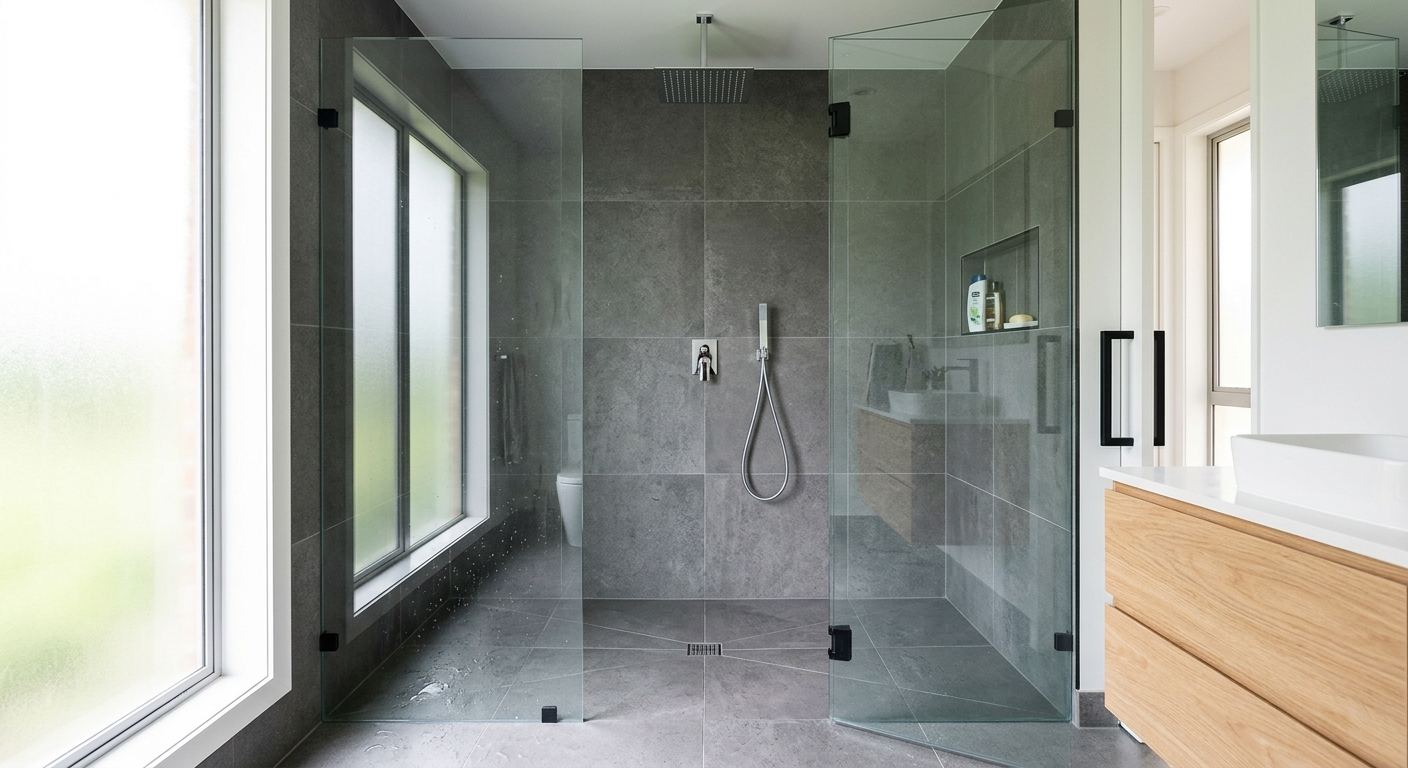
Bathroom renovation options and costs in Downtown Commercial Core
Bathroom renovations in Downtown Commercial Core, Alberta typically start with a decision about how much of the existing system you’re willing to uncover. Downtown Calgary sits within an older, mixed housing pocket—many homes were built before modern drain and ventilation standards—so it’s common to run into dated plumbing layouts, cast-iron drain sections, and sometimes asbestos-containing materials in older floor tile or related compounds. In the broader Calgary economic region, the population was 8,225 in 2021 (Statistics Canada, 2021 Census), and that steady demand keeps trade crews busy when multiple condo-to-rental and older infill projects hit at the same time. In practice, bathroom pricing here is driven less by Alberta’s climate and more by hidden-scope and the availability of skilled labour (tile setters, plumbers, electricians) during peak scheduling.
Calgary-area conditions also shape cost because bathrooms are tightly built spaces: access for plumbing modifications, exhaust venting routes, and subfloor repairs can add time even when the “look” is unchanged. Contractors frequently note that what seems like a cosmetic refresh can become a full remodel once walls open—especially in older homes with questionable waterproofing history. If you’re looking at a mid-range full renovation, many projects come in around the low-to-mid portion of the $15,000 – $30,000 band for full work, while shower conversions and tile-heavy scopes often push you toward the upper ranges depending on layout changes and how much remediation is required.
Below is a practical comparison of scopes and typical timelines so you can budget realistically before you ask for quotes.
| Renovation Scope |
What's Included |
Typical Duration |
Price Range |
| Cosmetic refresh (paint, fixtures, accessories only) |
Paint, swap vanity faucet, update toilet/lighting as needed, accessory installs (towel bars), caulking, deep clean; existing waterproofing left undisturbed |
2–5 days |
$2,500–$6,500 |
| Mid-range full renovation (new tile, vanity, tub/shower, electrical) |
Remove existing finishes; new vanity, tub/shower surround and tile, exhaust fan upgrade, basic electrical refresh (GFCI where required), new waterproofing system, disposal |
2–3 weeks |
$15,000–$22,500 |
| High-end full renovation (custom tile, steam shower, heated floors) |
Custom layout refinements; larger-format tile; heated floor circuit prep and finishes; steam shower or premium walk-in system; upgraded ventilation; higher-spec plumbing trim |
3–6 weeks |
$22,500–$30,000 |
| Shower-only installation (convert tub to walk-in shower) |
Demo tub, rough-in checks/adjustments, new shower pan/liner and tile surround, glass enclosure allowance, new drain alignment and waterproofing, exhaust/vent improvements as needed |
1.5–3 weeks |
$8,000–$15,000 |
| Bathtub replacement or tub-liner install |
Demo and replace tub or install tub liner system, reseal seams, re-grout/edge tile where required; minor plumbing connections; fresh caulking and finishing |
3–7 days |
$500–$3,000 |
| Tile-only installation (floor + surround, existing layout kept) |
Tile removal and replacement only; prep and leveling, waterproofing within tile zones, grouting/finishing; existing vanity and tub/shower base left in place |
1–3 weeks |
$3,000–$12,000 |
Prices are estimates only and vary by project scope, site access and material selection.
What affects the price of bathroom renovation in Downtown Commercial Core
In Downtown Commercial Core and across the Calgary economic region, two homeowners can receive quotes that differ by 30–50% for the same “bathroom refresh” because the work isn’t truly the same once demolition begins. Labour rates and the age/condition of local housing stock are the big drivers, not Alberta’s weather itself. Bathrooms in older Calgary homes often include cast-iron or mixed drain runs, older copper/galvanized supply plumbing, and ventilation pathways that don’t meet today’s performance expectations—each of which can expand scope once walls and floors are opened.
That hidden-scope effect is why a project that starts as tile and fixture swaps can drift into a full renovation. For example, if your existing subfloor is uneven or shows rot, you may need repair or replacement before tile can be set. And if pre-1985 materials are suspected—such as vinyl floor tile or older drywall compound—discovery of asbestos triggers abatement protocols, which can add $1,500–$5,000+ to your budget depending on containment, testing, and disposal requirements. Likewise, insufficient ventilation can lead to additional framing changes to properly route ducting for an exhaust fan.
Concrete examples I see in Downtown Commercial Core: (1) moving a drain/supply line for a new vanity height can require rough-in work that pushes a “tile-only” plan closer to a mid-range full renovation tier (often in the $15,000 – $22,500 band); (2) swapping to larger-format porcelain may look simple, but it can increase labour time due to flatter substrate demands and careful layout to avoid lippage; (3) upgrading to heated floors can be reasonable when you’re already opening the floor for waterproofing—otherwise, it can be a costly retrofit.
| Price Factor |
Why It Matters |
Cost Impact |
| Layout change — moving drain or supply lines requires rough-in work |
Plumbing rough-in, re-venting checks, wall access, patching and inspection coordination |
Often adds 20–40% to labour and permits portion |
| Tile selection — large-format porcelain vs. mosaic vs. ceramic |
Substrate requirements, cutting complexity, and time per square foot |
Can shift tile-and-labour by roughly $3,000–$12,000 for tile-heavy scopes |
| Fixture tier — builder-grade vs. mid-range vs. designer brands |
Valve trims, tolerances, finish durability, and install time differences |
May add $500–$3,000 depending on what’s being replaced/upgraded |
| Subfloor condition — rot or unlevel concrete adds scope |
Repair/leveling affects waterproofing continuity and tile flatness |
Commonly adds $1,000–$5,000 when structural fixes are required |
| Electrical — adding GFCI outlets, exhaust fan, heated floor circuit |
Licensed work, wiring routes, and coordination with tile prep |
Typically adds $800–$4,000 |
| Waterproofing method — membrane type and extent |
Better systems cost more but reduce call-backs for leaks and mould |
May add $500–$2,500 depending on coverage and membrane type |
| Older-home surprises — asbestos tile, cast-iron drains, galvanized pipes |
Testing, abatement, additional labour, and replacement work after discovery |
Can add $1,500–$5,000+ for asbestos; more for drain line changes |
| Bathroom size — sq ft drives tile and labour time directly |
More surface area increases tile setting, waterproofing, and trim finishing |
Small bathrooms often land nearer the $3,000–$12,000 tile band; larger work pushes higher |
Permits & regulations in Alberta
In Alberta, most “cosmetic-only” bathroom changes typically do not require a permit—swapping fixtures like toilets, taps, vanity tops, lighting (if it’s like-for-like), and retiling without changing plumbing routes are usually straightforward. However, in Downtown Commercial Core, the projects that run into schedule delays are usually the ones that involve moving plumbing or updating ventilation/electrical, because those trigger permit requirements and inspections.
Work that typically does require a permit includes: relocating or modifying plumbing rough-ins (moving a drain or supply line), significant electrical additions or changes (like adding a new circuit for an exhaust fan or heated floor), and any work that involves structural wall changes or changes to load paths. Electrical work must meet Alberta code requirements and be completed or signed off by a licensed electrician. Plumbing changes also generally require municipal approval for the permit and inspection process.
How homeowners in Downtown Commercial Core verify a contractor is compliant:
- Check the contractor’s Alberta trade licence through the relevant online registry for their trade category.
- Request a certificate of liability insurance and confirm the policy is current and adequate for renovation work.
- Ask for proof of WSIB/WCB coverage (or their documented exemption/coverage status where applicable).
- Get a contractor-signed scope sheet that states who pulls permits (and whether it’s included in the quoted price).
- Look for a signed statement of compliance for the electrical/plumbing portions completed by licensed subs.
Choosing tile, waterproofing and fixtures for your Downtown Commercial Core bathroom
In Downtown Commercial Core, your tile, waterproofing, and fixture tier choices are the fastest way to move your budget up or down—because they directly affect labour complexity and how reliably the bathroom performs under Alberta’s temperature swings. First, tile choice: ceramic is often the entry point and can be cost-effective where the layout is simple; porcelain is typically the best balance for bathrooms because it’s denser and handles moisture and wear better. Natural stone (marble, travertine, slate) looks premium, but it usually adds cost due to material variability and higher installation demands, plus sealing/maintenance considerations.
Second, waterproofing: bathroom mould control in Alberta comes down to creating a continuous, correctly detailed system. A paint-on membrane can work for certain scenarios, but many homeowners choose a more robust approach—either a bonded sheet membrane or a tile-ready system designed to be continuous across corners, transitions, and niches. That continuity matters because bathrooms cycle through humidity, and any missed detail can cause long-term issues behind walls.
Third, fixture tier: builder-grade valves, shower heads, and trims keep costs down, while mid-range and designer brands often improve feel, flow control, and finish durability—factors that help resale. A practical example: if you’re considering heated floors, it’s usually better value to upgrade when you’re already doing floor tile and waterproofing. Otherwise, retrofitting the circuit and opening finishes can erode the cost difference.
If your starting point is a mid-range full renovation, expect to land somewhere in the $15,000 – $22,500 range when you choose durable tile plus reliable waterproofing. If you want steam, heated floors, and custom detailing, budgets commonly move toward the upper $22,500 – $30,000 band.
| Material / Option |
Pros |
Cons |
Price Range |
| Ceramic tile (floor + walls) |
Lower material cost; good for straightforward layouts; wide colour/finish selection |
Generally more moisture/vs wear limited than porcelain; often needs more care with sealing at cuts and edges |
$3,000–$7,000 |
| Porcelain tile (floor + walls) |
High moisture resistance; durable for high-traffic bathrooms; handles heat and wear well |
Can be heavier and more demanding to install perfectly flat; larger formats require better prep |
$5,000–$12,000 |
| Natural stone (marble, travertine, slate) |
Luxury look; unique veining/texture; strong statement finish |
Higher material and installation complexity; sealing and stain management; tolerances require skilled setting |
$8,000–$18,000 |
| Frameless glass shower enclosure |
Bright, modern look; easier visual maintenance; premium feel |
Higher hardware cost; precise measurements needed; may increase install time |
$1,500–$4,500 |
| Prefab tub surround (acrylic) |
Fast install; consistent finish; easier to keep watertight when installed correctly |
Fewer style options than tile; edges and seams can be more noticeable |
$500–$3,000 |
| Custom shower pan (tile or linear drain) |
Custom slope and drainage; best long-term experience when detailed well; cleaner modern look |
More labour and materials; requires careful waterproofing and correct drain alignment |
$2,000–$8,000 |
How to choose a bathroom renovation contractor in Downtown Commercial Core
Choosing the right contractor in Downtown Commercial Core starts with verifying credentials and then proving the quote is built on a clear scope. In Alberta, you want confirmation that the contractor holds the proper trade licence for their work and carries liability insurance that’s current. For coverage, ask for proof of WSIB/WCB status—either coverage documents or a letter showing how their workers are covered—so you’re not exposed if a worker is injured on site.
Next, request 2–3 itemised written quotes with a line-by-line breakdown for labour and materials rather than one lump sum. Itemisation helps you compare like-for-like and spot exclusions such as drywall patching, disposal, permit fees, and any allowance for tile/fixtures. Read exclusions carefully: if the quote doesn’t include permit pulling (when plumbing/electrical changes are in scope), you could end up paying twice or accepting schedule delays. Also confirm whether demolition debris disposal is included and whether backer board, insulation, and waterproofing materials are specified.
Warranty should be in writing: a workmanship warranty (often 1–2 years for typical installations; ask for the exact term), product/manufacturer warranty for fixtures and membrane systems, and whether warranty remains valid if you sell the home. Payment matters too: never pay more than 10–15% upfront; use a milestone schedule tied to progress. Finally, get start date and completion estimates in writing so you can plan around trades availability and material lead times.
- Confirm Alberta trade licence numbers match the work described in the quote.
- Request certificate of liability insurance and check expiry dates.
- Provide proof of WSIB/WCB coverage for workers on your site.
- Ask who pulls permits and whether permit fees are included.
- Ensure electrical/plumbing scope is clearly separated by trade (licensed subs where required).
- Get waterproofing details written: membrane type, coverage area, and how niches/edges are treated.
- Verify tile prep requirements: leveling, backer board, and substrate condition assessment.
- Check what’s included in demolition, disposal, and any wall/ceiling patching.
- Look for allowances on fixtures (vanity, toilet, shower trim) so costs don’t jump later.
- Demand an itemised labour/material breakdown, not just a total.
- Review payment schedule: keep upfront to 10–15% and hold back until completion.
- Confirm warranty terms and whether they’re transferable to a new owner.
Red flags I see in Downtown Commercial Core: (1) quotes that omit waterproofing specifications but price “tile” as if it’s plug-and-play; (2) promise of “no permits needed” despite relocating plumbing or adding a new exhaust/heated floor circuit; (3) unusually low pricing that doesn’t allocate time for substrate prep and membrane detailing; (4) no written timeline or vague “we’ll finish when we can” scheduling; (5) pressure to pay large deposits before any demo or material orders are documented.
Frequently asked questions — bathroom renovation in Downtown Commercial Core
What's the most common mistake homeowners make in bathroom renovations?
In Downtown Commercial Core, the most common mistake is treating the reno like a surface job when the bathroom is likely an older system. Homeowners often choose finishes first (tile, vanity, fixtures) and delay confirming plumbing condition, ventilation routing, and waterproofing details. Once walls open, you may find things like cast-iron or older drain sections, uneven subfloor, or asbestos-containing materials in older floor tile or drywall compound—each can change cost and timeline. Another frequent issue is accepting a lump-sum quote without exclusions spelled out (permits, disposal, electrical upgrades). If the plan drifts into full renovation scope, budgets commonly land within the $15,000 – $30,000 band even if you expected a cheaper refresh.
How long does tile installation take in a Downtown Commercial Core bathroom?
Tile time depends on bathroom size and how much prep is required, but in Downtown Commercial Core it’s commonly about 3–10 working days for floor and surround once demolition and substrate work are done. The bigger determinant is whether the contractor has to level an unflat subfloor, rebuild sections of wall, and create a full waterproofing system before tile. If you’re in the middle of a renovation—new tile plus electrical and ventilation changes—you should plan for the whole tile scope to sit within a 2–3 week project window for mid-range work. For a tile-only installation, timelines are often shorter, but only if plumbing and waterproofing interfaces are already in good shape.
How much does a bathroom renovation cost in Downtown Commercial Core?
Typical full bathroom renovation budgets in Downtown Commercial Core generally fall between $15,000 – $30,000, largely because Calgary projects frequently uncover hidden issues once walls and floors open—especially in older housing. If your scope is a cosmetic refresh, you may be closer to a smaller range, but once you’re adding new tile, a new vanity, tub/shower updates, and electrical upgrades, it quickly becomes mid-range full renovation work. For example, shower-only conversions commonly land in the $8,000 – $15,000 band depending on drain alignment and glass enclosure choices. Tile-only projects often track the $3,000 – $12,000 band, but that still assumes your waterproofing and substrate are sound.
How long does a bathroom renovation take in Downtown Commercial Core?
Most bathroom renovations in Downtown Commercial Core take about 2–3 weeks for a mid-range full renovation, and 3–6 weeks for higher-end scopes with custom detailing like steam showers or heated floors. The schedule is driven by more than just construction—tile curing times, waterproofing cure windows, and coordination between trades (plumbing, electrical, ventilation, tile, glass) are what make timelines realistic. If hidden-scope appears—like subfloor repair, ventilation duct changes, or abatement-related delays—the project can stretch. To reduce surprises, ask for clear start and completion dates in writing and make sure the quote includes disposal, waterproofing details, and a defined permit workflow if plumbing/electrical is changing.
Do I need a permit for a bathroom renovation in Alberta?
In Alberta, you typically don’t need a permit for purely cosmetic changes such as swapping fixtures (like a toilet or vanity) and redoing finishes without changing plumbing routes. However, you usually do need permits when you relocate or modify plumbing (moving drain or supply lines), add or change electrical circuits (for example, new exhaust fan wiring or heated floor circuits), or make structural wall changes. Licensed electrical work must comply with code and be done or signed off by a licensed electrician. Plumbing rough-in changes also require permit/inspection work. The best approach is to verify your contractor’s permit responsibility in the written quote, and confirm the contractor’s trade licence, liability insurance, and WSIB/WCB coverage before work begins.
What's the best tile for a bathroom in Downtown Commercial Core?
For most bathrooms in Downtown Commercial Core, porcelain tile is usually the best “all-around” choice because it’s dense, durable, and handles moisture cycles well—important in Alberta where bathrooms experience humidity swings. Ceramic tile can work in budget-friendly refreshes, but porcelain generally provides better long-term wear and less risk when details are properly waterproofed. If you want a luxury look, natural stone is beautiful, but it requires skilled installation and careful sealing/maintenance to stay stain-resistant. Whatever you choose, the real performance comes from the waterproofing method and correct substrate prep (flatness, backer board/underlayment, and proper membrane detailing at transitions). If you’re budgeting, you can often expect porcelain tile scopes to land in the $5,000 – $12,000 band depending on tile format and floor size.