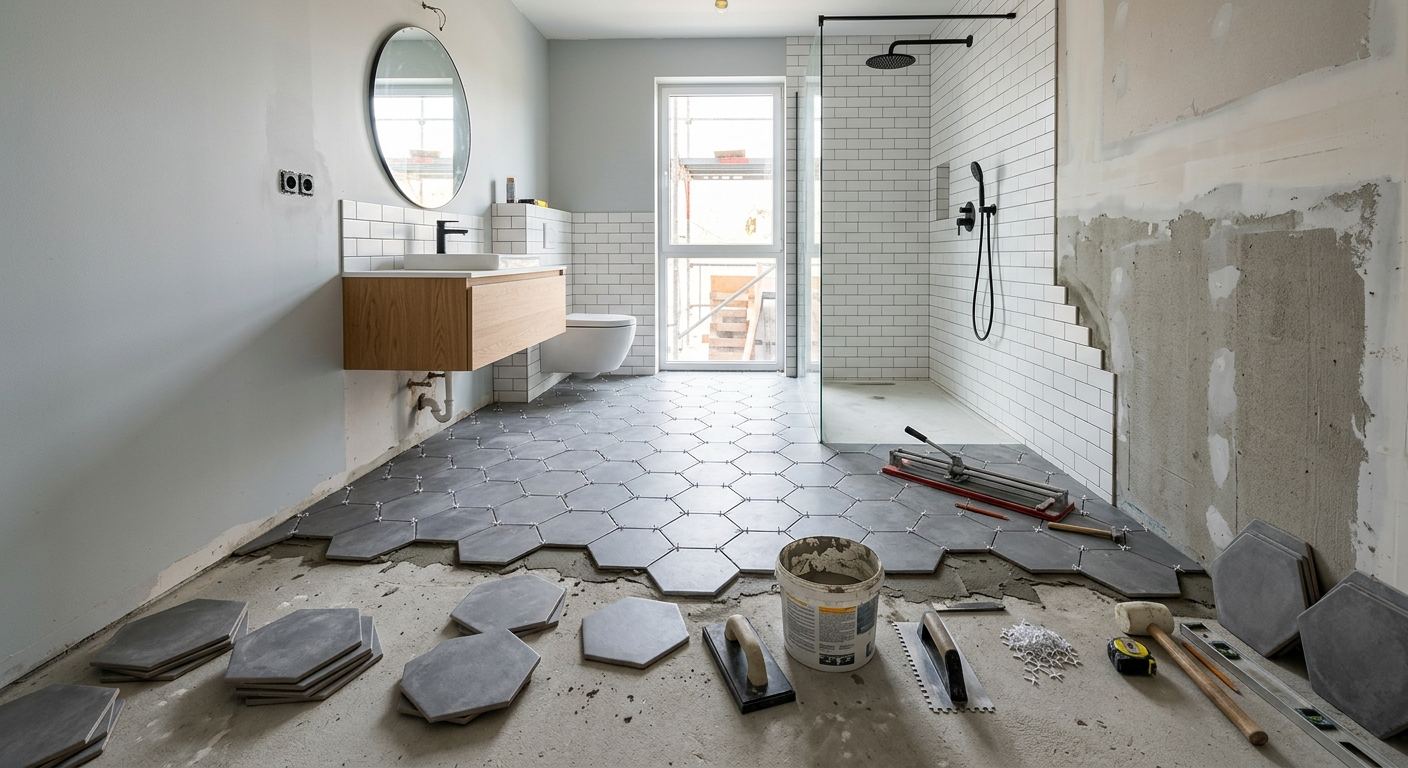
Bathroom renovation options and costs in Grand Centre
Renovating a bathroom in Grand Centre usually starts with picking a scope, because the price swings most often come from what you can’t see until the demo is underway. In the Calgary economic region, many local homes were built in earlier decades, and Grand Centre’s population of 7,256 (Statistics Canada, 2021 Census) means trades keep busy with turn-key work for older housing as well as light updates. Older floor tile and underlay can also conceal asbestos-containing materials in pre-1985 construction, and dated plumbing layouts can include cast-iron or older supply piping that needs upgrades once walls open.
Calgary-area costs are driven more by regional labour rates and the condition/age of the housing stock than by weather swings. Cold snaps and frequent freeze–thaw cycles around plumbing runs can also make drainage and venting issues more urgent, so contractors build more time for inspection and testing. At the same time, availability of tile setters, waterproofing specialists, and licensed electricians impacts scheduling; in areas where demand is high, timelines tighten and costs rise because trades are booked out.
In Grand Centre, work is especially in demand around established residential pockets where homes are predominantly older—so it’s common for a “refresh” to uncover subfloor softness, ventilation deficiencies, or rough-in conflicts. The table below shows typical renovation pathways and what homeowners usually spend before surprises are priced in.
| Renovation Scope |
What's Included |
Typical Duration |
Price Range |
| Cosmetic refresh (paint, fixtures, accessories only) |
Paint, new vanity (no plumbing relocation), toilet swap, mirror/light fixture replacement, hardware, grab bar/accessories, caulking updates, deep clean and trim touch-ups |
3–7 days |
$4,000–$9,000 |
| Mid-range full renovation (new tile, vanity, tub/shower, electrical) |
Demo to finish surfaces, tile floor and surround, vanity install, tub/shower rework (often with plumbing adjustments), exhaust fan replacement, GFCI/lighting updates, new waterproofing, basic wall repairs |
2–4 weeks |
$15,000–$24,000 |
| High-end full renovation (custom tile, steam shower, heated floors) |
Extensive waterproofing system, custom tile details, heated floors circuit, premium fixtures, possibly steam shower components, higher-end lighting and ventilation, upgraded substrates and more framing work |
4–7 weeks |
$24,000–$35,000 |
| Shower-only installation (convert tub to walk-in shower) |
Tub removal, new shower pan and waterproofing, linear drain or standard drain, tile walls/ceiling transitions, glass enclosure (or partial), vanity retention (if desired), ventilation and electrical as needed |
2–3.5 weeks |
$12,000–$18,000 |
| Bathtub replacement or tub-liner install |
Bathtub swap (or liner), drain/overflow connection check, surround repairs, new caulking and sealing, minor plumbing adjustments, basic refinishing of nearby surfaces |
3–10 days |
$500–$3,000 |
| Tile-only installation (floor + surround, existing layout kept) |
Tile removal and replacement on floor/surround, substrate prep, waterproofing (where required), grout/seal, transitions and edging, keeping existing fixtures in place unless removals demand rerouting |
1.5–3 weeks |
$3,000–$12,000 |
Prices are estimates only and vary by project scope, site access and material selection.
What affects the price of bathroom renovation in Grand Centre
In Grand Centre (and across the Calgary economic region), homeowners often see quotes for the same bathroom that vary by 30–50%. The biggest drivers aren’t the Alberta climate itself; it’s the local labour market and what the house is hiding behind finished walls. Tile setters, plumbers, and electricians bill time based on complexity—so even small scope changes, like moving a drain, can multiply labour days and coordination work. Many older Calgary-area homes require “hidden-scope” work that isn’t obvious at quote stage: rough plumbing and venting upgrades, subfloor or wall repairs, and in some cases discovery of asbestos tile or knob-and-tube wiring. Once walls are opened, project scope can expand quickly, which is why budgeting with contingency is critical.
Here are concrete examples of how local conditions raise or lower costs in Grand Centre. First, an older cast-iron or galvanized supply issue can force replacement of a section of drain stack or supply lines; that alone can move a project from a mid-range range toward full renovation pricing like $15,000–$24,000. Second, ventilation problems—like undersized ducting or a fan that vents nowhere—often lead to added electrical and ductwork, pushing budgets toward the higher end of mid-range work (especially when retiling is already in progress). Third, if asbestos is encountered in floor tile or drywall compound (more common in pre-1985 homes), abatement protocols and disposal can add $1,500–$5,000 or more, depending on extent and access.
On the upside, projects that keep the plumbing layout and avoid substrate surprises are typically more predictable. That’s why “tile-only” jobs can land around $3,000–$12,000 when the backer board and framing are sound.
| Price Factor |
Why It Matters |
Cost Impact |
| Layout change — moving drain or supply lines requires rough-in work |
Drain lines need slope and correct venting; supplies may require repiping or new shutoffs |
Often adds large labour days; commonly pushes mid-range work toward the upper band |
| Tile selection — large-format porcelain vs. mosaic vs. ceramic |
Harder tile needs better prep, careful cutting, and longer install time |
Can shift budgets by thousands depending on complexity and waste factor |
| Fixture tier — builder-grade vs. mid-range vs. designer brands |
Trim kits, cartridges, valve compatibility, and finish durability vary by tier |
Higher-end fixtures raise material cost and may require additional labour for fit |
| Subfloor condition — rot or unlevel concrete adds scope |
Waterproofing systems depend on stable substrates; repairs are not optional |
Repair scope can add days and materials; often the difference between predictable and “full remodel” |
| Electrical — adding GFCI outlets, exhaust fan, heated floor circuit |
Bathroom wiring must meet code and often needs new circuits and fan ducting coordination |
Commonly adds line-item costs; heated floors can significantly increase scope |
| Waterproofing method — membrane type and extent |
Correct membrane choice and overlap details prevent leaks behind tile |
Better systems may cost more up front but reduce costly rework later |
| Older-home surprises — asbestos tile, cast-iron drains, galvanized pipes |
Abatement and replacement increase time, disposal, and coordination |
Can add $1,500–$5,000+ (or more) depending on extent |
| Bathroom size — sq ft drives tile and labour time directly |
More surface area means more cutting, setting, grouting, and waterproofing |
Bigger bathrooms scale cost quickly across tile and labour |
Permits & regulations in Alberta
In Alberta, the permit picture depends on what you change. In many cases, cosmetic updates—like swapping a vanity, replacing a mirror or light fixture, painting, or retiling without moving plumbing—typically do not require major permitting. However, if you relocate plumbing (moving a drain or supply line), add or replace an exhaust fan with new electrical work, or make structural changes to walls, you should expect permits and inspections.
Electrical work must meet provincial electrical code and must be performed by, or signed off by, a licensed electrician. That means when you’re adding a new GFCI outlet, upgrading a fan circuit, or installing heated flooring, you should plan for licensed electrical scope—often tied to inspections. Plumbing rough-in changes typically require a permit and inspection as well, particularly where drain slopes, venting, or supply rough-ins are altered.
For homeowners in Grand Centre, verify three things before work starts. First, confirm the contractor holds the right Alberta trade licence for the scope being quoted (plumbing/electrical/tile as applicable). Second, ask for a certificate of insurance and liability coverage documentation—ensure it matches the legal name of the company doing the work. Third, confirm coverage for workplace injury protection (WSIB/WCB) where applicable. A good contractor can provide these documents upfront; you shouldn’t have to chase them after demo begins.
If a contractor can’t provide licence and insurance paperwork, treat that as a scheduling risk and a cost risk—because uncovered work can stop mid-project when an inspection or trade requirement isn’t met.
Choosing tile, waterproofing and fixtures for your Grand Centre bathroom
In Grand Centre, your bathroom budget is mostly shaped by three material decisions: tile choice, waterproofing method, and fixture tier. Tile is where you either control cost or quietly add it. Ceramic tile is the entry point for look and price, but it can be more forgiving if you’re working around an existing layout. Porcelain is a step up in durability and water resistance, and it typically installs best with the right substrate prep. Natural stone (marble, travertine, slate) can look premium in Calgary homes, but it can be more sensitive to sealing and requires careful selection and installation to handle bathroom moisture.
Second is waterproofing—the difference between “beautiful” and “stays solid for years.” Alberta winters bring indoor humidity cycling, so a bathroom that doesn’t breathe correctly can develop mould around edges and grout. A paint-on membrane may be adequate in some cases, but bonded sheet systems or a properly installed schluter-style approach often provide more robust coverage, especially behind niches, benches, and around transitions. When waterproofing is done right, it protects the substrate and prevents repeat tear-outs.
Third is fixture tier. Builder-grade faucets and shower trims can be cost-effective, but mid-range often improves valve smoothness and long-term performance. Designer brands can elevate resale appeal, but they only justify the increase if your plumbing supports the trim and the installation details are consistent.
Example: upgrading from basic to mid-range porcelain tile and a more comprehensive waterproofing system may add a few thousand dollars, but it’s often justified because you avoid rework if the substrate is already showing wear. If your rough-in layout stays put, you can focus your budget on tile and waterproofing rather than chasing plumbing reroutes.
| Material / Option |
Pros |
Cons |
Price Range |
| Ceramic tile (floor + walls) |
Generally more affordable; good for many standard layouts; wide colour options |
Less durable than porcelain for heavy use; higher chance of chipping if substrate isn’t perfect |
$3,000–$8,000 |
| Porcelain tile (floor + walls) |
Higher water resistance; better durability; can mimic stone/wood finishes |
Often costs more; larger formats can increase installation complexity |
$5,000–$12,000 |
| Natural stone (marble, travertine, slate) |
Luxury look; unique veining; premium feel for resale |
Needs sealing and careful maintenance; more variation increases waste and layout time |
$8,000–$18,000 |
| Frameless glass shower enclosure |
Bright, modern appearance; easier visual cleanability |
Higher material and fabrication cost; must be installed squarely to prevent leaks |
$2,000–$6,000 |
| Prefab tub surround (acrylic) |
Fast install; can be budget-friendly; fewer tile labour hours |
Less custom look; seams and transitions still require careful sealing |
$500–$3,000 |
| Custom shower pan (tile or linear drain) |
High-performance drainage; modern linear drain look; better long-term water control |
More build time; depends heavily on waterproofing quality and slope |
$8,000–$15,000 |
How to choose a bathroom renovation contractor in Grand Centre
Choosing the right contractor in Grand Centre comes down to verifying capacity and reducing risk before you sign. Start with Alberta licensing and insurance. Ask for the contractor’s Alberta trade licence (for the specific work they will perform), a certificate of liability insurance, and confirmation of WSIB/WCB coverage where applicable. To check: look for the company’s licence number on the contractor’s documentation, confirm it aligns with the exact legal name, and request a certificate showing coverage dates. If anything is missing, ask for it in writing before demolition.
Next, request 2–3 itemised quotes that break down labour and materials rather than a lump sum. You want to see separate lines for demo, rough-in/plumbing changes (if any), waterproofing, tile setting, electrical items, disposal, and finishing. Read the scope carefully: what’s excluded (subfloor repair, patching, permit fees, disposal), and is permit pulling included if required? A reliable contractor will state responsibilities clearly and won’t hide unknowns behind a vague allowance.
Warranty matters: verify the workmanship warranty length and whether it covers waterproofing labour specifically. Also ask about the product/manufacturer warranty for fixtures and tile—plus whether the warranty is transferable to you as the homeowner.
On payment schedule, keep it conservative: never pay more than 10–15% upfront, and hold back part of the payment until key milestones are complete and you’ve accepted the final finish. For timing, get a start date and completion estimate in writing, including how delays from material lead times will be handled.
- Ask for proof of Alberta trade licence relevant to the scope being quoted.
- Confirm liability insurance and that the certificate matches the jobsite address/name.
- Request WSIB/WCB coverage documentation (where applicable) before work begins.
- Get 2–3 itemised quotes with labour and materials broken out line-by-line.
- Confirm whether permits are included (where required) or billed separately.
- Check disposal: is dumpster pickup and construction waste haul-away included?
- Ensure waterproofing is specified (membrane type, coverage areas, flood-test approach if applicable).
- Verify tile substrate prep requirements (backer board, patching, leveling plan).
- Ask how plumbing rough-in changes are priced if hidden issues are discovered.
- Review warranty terms for workmanship and products; ask if waterproofing is explicitly covered.
- Set a milestone payment schedule with a holdback until completion.
- Get start date, estimated duration, and a plan for material lead-time delays.
Concrete red flags I see in Grand Centre include contractors who: won’t show licence/insurance/coverage paperwork, provide only “all-in” pricing with no allowance detail, start demo before the scope and permits (when needed) are confirmed, refuse to document waterproofing method in writing, or ask for large upfront payments beyond 10–15%.
Frequently asked questions — bathroom renovation in Grand Centre
How do I prevent mold in a Grand Centre bathroom?
To prevent mold in a Grand Centre bathroom, focus on moisture control, not just paint. Start with strong ventilation: a properly sized exhaust fan that vents outdoors and is ducted correctly is one of the highest-impact upgrades in Alberta homes. Next, waterproofing must be continuous behind the tile, especially around corners, niches, and tub/shower transitions. If you’re retiling, insist on a full waterproofing system rather than patchwork sealing—small gaps can become long-term leak paths. Finally, manage indoor humidity: close the bathroom door during showers, run the fan during and after use, and keep caulking in good condition. In older Calgary-area houses, hidden plumbing or venting issues can keep walls damp, which is why older-home surprises can affect the renovation scope and budget (Statistics Canada, 2021 Census; Grand Centre population context).
What adds the most resale value in a bathroom reno?
For resale in Grand Centre and the broader Calgary area, buyers tend to value durability, layout usability, and visible “finish quality.” The biggest value add is often a full refresh of high-wear surfaces: updated tile, a modern vanity, and a reliable shower/tub that doesn’t leak. A well-installed waterproofing system and quality fixtures reduce the chances of future repair calls—this matters more than people expect. Heated floors can also be a strong differentiator, though they push budgets toward higher-end full renovation pricing. If you’re budgeting around a mid-range full renovation (commonly about $15,000–$24,000), prioritise waterproofing, ventilation, and timeless finishes over very trend-specific accessories. If your plumbing layout can stay put, you’ll get more design upgrades per dollar instead of spending on moving rough-ins.
Can I keep my existing plumbing layout to save money?
Often, yes—and it’s one of the most effective ways to control cost in Grand Centre. Keeping the plumbing layout typically avoids major rough-in changes, which means fewer days for plumbers and fewer openings in walls/floors. It also reduces coordination work with electrical and waterproofing because everything stays aligned to the existing drain/supply locations. In practice, you can usually save money by leaving the toilet position, keeping the vanity footprint, and doing tile and fixture upgrades around those lines. If your shower is being converted from tub to walk-in, you may still keep the same general drain location, but the pan build and slope must be done correctly. If the contractor discovers hidden issues like older drain stacks or supply limitations, the savings may shrink—this is where contingency planning for older housing pays off.
How much does a walk-in shower cost in Grand Centre?
In Grand Centre, the walk-in shower cost depends on whether you’re converting from a tub, the tile complexity, and whether you’re adding a linear drain and glass enclosure. As a practical budgeting anchor, shower installation in the Calgary economic region commonly falls around $8,000–$15,000, with many projects landing higher when premium tile, upgraded waterproofing, and ventilation/electrical updates are included. If you want a full conversion (tub-to-shower), a realistic mid-range budget often sits near $12,000–$18,000. Your final number will be influenced by substrate condition, the need for drain/supply adjustments, and whether concealed issues are discovered during demo in older homes. A good contractor will itemise these variables instead of guessing once tiles are off.
What's the ROI on a bathroom renovation?
ROI varies by neighbourhood preferences and how “complete” the renovation feels, but homeowners in Grand Centre generally see the best return when the work is functional first: leak-proof shower/tub assembly, correct ventilation, and durable tile/waterproofing. Cosmetic-only changes tend to help enjoyment and marketing appeal, but they don’t always address hidden risk from older plumbing or failed waterproofing. A mid-range full renovation around $15,000–$24,000 typically provides a stronger buyer signal than a purely cosmetic refresh because buyers can see and feel the quality of surfaces and fixtures. If you overspend on ultra-custom features without considering your home’s layout and the buyer segment, the ROI can soften. The smart approach is to spend where problems are most likely—waterproofing, ventilation, and substrate prep—then align fixtures and finishes to a timeless look.
Do I need waterproofing behind the tile?
Yes—waterproofing behind bathroom tile is strongly recommended and, in most properly detailed installs, treated as a non-negotiable part of the system. Tile alone is not waterproof; water can travel through grout joints or movement cracks and reach the substrate. A correctly installed waterproofing layer helps prevent moisture intrusion that can lead to mould, soft drywall, and failure of the tile assembly over time. In Alberta’s bathroom conditions, humidity cycling and temperature differences can stress assemblies, which is why continuity and correct overlap at transitions (including around tub edges and shower niches) matters. If you’re doing tile-only work, ask the contractor to specify the waterproofing method and extent—paint-on membranes vs. bonded sheet membranes vs. a more engineered system—so you can confirm it matches your shower configuration and budget.