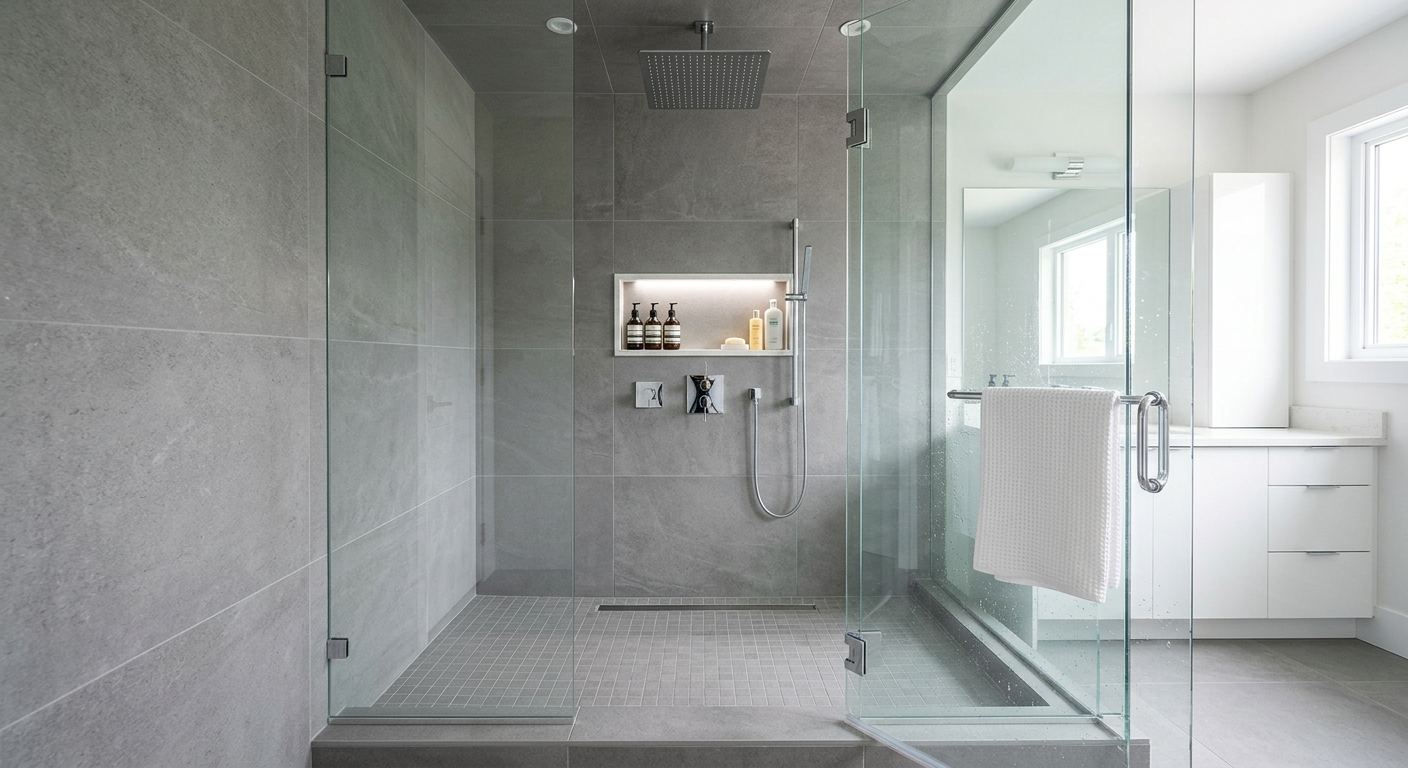
Bathroom renovation options and costs in Parkview
Parkview homeowners typically shop bathroom renovations in three lanes—cosmetic refresh, mid-range remodel, and full high-end upgrades—because the age of local homes changes what’s actually behind the walls. In the Calgary economic region, Parkview’s overall housing profile includes a meaningful share of older dwellings; with more dated plumbing layouts, cast-iron drain sections, and sometimes pre-existing materials, a “simple update” can uncover hidden-scope work. (Statistics Canada, 2021 Census shows Parkview’s population at 3,327, which supports a smaller local contractor pool—often meaning scheduling and trade coordination affect your final timeline and labour cost.)
Costs in Parkview are driven more by Calgary-area labour rates and the condition of the existing rough-in than by winter weather itself. That said, the local climate does influence bathroom performance: ventilation and waterproofing details matter year-round, especially for steam exposure, shower walls, and grouted tile areas. When contractors plan ventilating exhaust and rework plumbing venting, they often coordinate trades that can extend the schedule.
If you’re renovating in demand pockets such as the older residential stretches near the Parkview community core, you’ll notice bathroom contractors are especially busy because many homes there are still using older drain and supply runs. The result is that a budget-friendly plan can move from “refresh” to “full remodel” once demolition starts and concealed repairs are confirmed. Use the table below to align your expectations on scope, timing, and a realistic Parkview price range, then budget for contingency before the first demo day.
| Renovation Scope |
What's Included |
Typical Duration |
Price Range |
| Cosmetic refresh (paint, fixtures, accessories only) |
Repaint, replace vanity top or vanity only, swap toilet/sink/faucets, add accessories (towel bars, mirrors), re-caulk, light hardware changes; assumes existing tile and plumbing positions are staying |
3–7 days |
$3,000 – $7,500 |
| Mid-range full renovation (new tile, vanity, tub/shower, electrical) |
Demolition, new vanity, new tub/shower or surround, labour for tile installation, upgraded exhaust fan, GFCI receptacle, waterproofing upgrade, basic plumbing trim-up (with allowance for minor rough-in corrections) |
2–4 weeks |
$15,000 – $22,500 |
| High-end full renovation (custom tile, steam shower, heated floors) |
Custom layout refinements, higher-end tile/installation, membrane system, heated floor electrical and controls, steam shower components, frameless or upgraded enclosures, premium fixtures and enhanced ventilation |
4–6 weeks |
$22,500 – $30,000 |
| Shower-only installation (convert tub to walk-in shower) |
Remove tub, build shower base, new waterproofing and tile, install walk-in shower trim/enclosure option, replace/relocate drain as needed, exhaust/fan and sealing, new niche or bench if selected |
1.5–3.5 weeks |
$8,500 – $15,000 |
| Bathtub replacement or tub-liner install |
Remove and replace tub (or install tub liner where permitted/appropriate), re-caulk and seal, upgrade faucet trim as needed, basic surround touch-up; assumes drain/supply positions remain |
2–5 days |
$500 – $3,000 |
| Tile-only installation (floor + surround, existing layout kept) |
Tile removal where required, tile setting and grouting, waterproofing prep, new floor and wall tile to the existing fixtures’ footprint (no major plumbing relocation) |
1.5–3 weeks |
$3,000 – $12,000 |
Prices are estimates only and vary by project scope, site access and material selection.
What affects the price of bathroom renovation in Parkview
In Parkview and the broader Calgary economic region, the same bathroom project can swing 30–50% between quotes because bathroom work is rarely “surface-only” once demo begins. Contractors price for the labour and the unknowns: trade coordination, time to access plumbing, and the hidden condition of subfloor, studs, and venting. Climate is not the main driver of cost here—labour rates and housing age are. The Calgary region’s older housing stock often hides cast-iron or dated drain stacks, galvanized supply lines, and ventilation setups that don’t meet modern bathroom moisture expectations. When walls open, those issues can add rough-in work and more materials, pushing you toward mid-range or even full renovation pricing like the $15,000 – $22,500 band.
Another cost driver is asbestos discovery. In pre-1985 homes, asbestos-containing vinyl floor tile and/or drywall compound can trigger abatement protocols once removed. That kind of discovery is why “refresh” budgets can jump; abatement and safe handling frequently add $1,500 – $5,000+ depending on extent, access, and disposal requirements—sometimes pushing a project into the $22,500 – $30,000 range if it coincides with a full shower/tub rebuild.
Three Parkview examples that commonly raise costs: (1) your vanity is staying in place, but the shut-offs are corroded, requiring supply replacement; (2) the shower drain needs re-pitching due to an uneven subfloor, adding subfloor repair time; and (3) the exhaust fan duct run must be rerouted to an acceptable path, adding carpentry and electrical coordination. On the other hand, costs can drop when you keep existing plumbing locations, choose a straightforward tile layout, and confirm waterproofing substrates are solid before ordering materials.
| Price Factor |
Why It Matters |
Cost Impact |
| Layout change — moving drain or supply lines |
Requires rough-in work, possible framing changes, patching, and retesting for proper flow and drainage |
Often adds a meaningful portion of the remodel cost; commonly pushes projects from refresh-level into mid-range/full bands |
| Tile selection — large-format porcelain vs. mosaic vs. ceramic |
Smaller pieces create more cuts and labour time; large-format needs flat substrates and careful setting |
Can shift tile-only work widely, from the lower to upper ends of the $3,000 – $12,000 band |
| Fixture tier — builder-grade vs. mid-range vs. designer brands |
Higher tiers cost more for the hardware and often require more precise installation/trim |
Can add thousands on total spend, especially when pairing premium valves with premium enclosures |
| Subfloor condition — rot or unlevel concrete adds scope |
Tile and waterproofing must bond to sound, level surfaces; repairs add demo, rebuild and drying time |
Frequently increases labour hours and material quantities, impacting overall project range |
| Electrical — adding GFCI outlets, exhaust fan, heated floor circuit |
Bathroom electrical additions require code-compliant work and licensed sign-off where applicable |
When adding heated floors or multiple circuits, costs can rise quickly |
| Waterproofing method — membrane type and extent |
Proper membrane reduces mould risk and failed grout/tile claims; extent depends on wet-area design |
Higher-quality systems can cost more but reduce long-term failure risk and warranty disputes |
| Older-home surprises — asbestos tile, cast-iron drains, galvanized pipes |
Discovery triggers abatement, extra disposal, potential pipe replacement and additional rough-in labour |
Often adds $1,500 – $5,000+ for abatement; pipe upgrades can extend the project scope |
| Bathroom size — sq ft drives tile and labour time directly |
More wall and floor area increases cutting, setting time, and waterproofing/membrane coverage |
Small changes in square footage can meaningfully move tile and full-reno quotes within a band |
Permits & regulations in Alberta
In Alberta, whether your bathroom reno needs a permit usually comes down to whether you’re moving plumbing or changing the electrical system. Cosmetic updates—like swapping fixtures (tap trim, toilet replacement where plumbing connections don’t change), replacing a vanity, repainting, or retiling to the same layout—typically do not require a permit. However, permitting is commonly required when you relocate plumbing (moving a drain or supply line), add or modify ventilation that requires new electrical circuits, or make structural changes to walls or openings.
Electrical work must meet Alberta code requirements and be performed by (or signed off by) a licensed electrician when circuits, wiring, or new outlets/fan/heat controls are involved. Any plumbing rough-in changes—like moving the toilet flange, re-pitching a shower drain, or altering venting—generally require a permit and inspection before you close walls. The fastest way to avoid delays is to agree in writing at the quote stage what’s included: permits, inspection scheduling, and which trades will pull what paperwork.
How a Parkview homeowner verifies your contractor: first, confirm the contractor’s Alberta trade licence/registration status using the appropriate provincial online registry. Next, request a certificate of liability insurance and verify the policy is active and specific to the contractor’s work. Then ask for proof of WCB coverage (or the applicable clearance letter/coverage documentation) for the company and confirm it’s current. Keep copies of these documents with your contract and schedule; it protects you if something goes wrong during demolition, waterproofing, or electrical rough-in.
Choosing tile, waterproofing and fixtures for your Parkview bathroom
For a Parkview bathroom reno, your budget is usually set by three decisions: tile choice, waterproofing system, and fixture tier. First, tile: entry-level ceramic looks great on walls and can work well in lower-traffic areas, but it’s typically less durable for floors and may require more careful selection for slip resistance. Porcelain is a stronger middle ground for both floors and walls because it’s denser and often better suited to wet-area performance. Natural stone (marble, travertine, slate) can be stunning, but it’s more maintenance-heavy and more sensitive to sealing and substrate quality—so installation labour and prep time can increase.
Second, waterproofing. Alberta bathrooms need a system that performs through constant wet/dry cycling, not just “paint and hope.” Paint-on membranes can be simpler, while bonded sheet membranes and purpose-built systems (often used with modern corners and transitions) provide more robust coverage. The right choice protects against moisture migration behind tile—where mould and odours usually start after years of daily showers.
Third, fixtures. Builder-grade taps and shower trim cost less upfront, while mid-range and designer brands often justify their price through smoother valves, better finishes, and more consistent performance—useful when you’re also upgrading waterproofing and ventilation. A concrete example: if you’re choosing between standard and upgraded shower valves and trim, spending an extra few hundred dollars can be worthwhile if you’re already committing to a full shower rebuild. But it’s not justified if you’re doing a simple tub/faucet replacement only, where the concealed work won’t change.
| Material / Option |
Pros |
Cons |
Price Range |
thead>
| Ceramic tile (floor + walls) |
Lower material cost; good aesthetic options; generally straightforward installation |
Less ideal for some wet-floor performance needs; higher risk of chipping in high-traffic areas |
$3,000 – $7,500 |
| Porcelain tile (floor + walls) |
More durable and moisture-resistant; consistent sizing; better suited for floors and shower areas |
Can cost more; large-format porcelain can require flatter substrates |
$5,500 – $10,500 |
| Natural stone (marble, travertine, slate) |
Premium look; unique variation; strong curb appeal |
Needs sealing/ongoing care; installation prep is more meticulous; higher labour and material variability |
$8,000 – $14,000 |
| Frameless glass shower enclosure |
Modern appearance; easier visual clean-up; good for keeping the space bright |
Higher cost; must be installed squarely over correct waterproofing substrates |
$3,000 – $8,500 |
| Prefab tub surround (acrylic) |
Faster install; fewer tile-related delays; easy wipe-down; good for budget projects |
Less custom design; seams and fit quality matter; may limit layout creativity |
$500 – $3,000 |
| Custom shower pan (tile or linear drain) |
Great for modern layouts; supports true waterproofing discipline; linear drains improve sightlines |
More complex; requires precise slope and waterproofing; scheduling can extend |
$3,500 – $12,000 |
How to choose a bathroom renovation contractor in Parkview
Choosing the right contractor in Parkview comes down to proof and clarity: Alberta licensing, insurance coverage, a scoped itemised quote, and a realistic schedule you can verify. Start by confirming licensing for each trade they provide. Ask for the company’s liability insurance certificate and verify the coverage amount and effective dates. For workers, request proof of WCB coverage (or a current clearance letter, where applicable). If a contractor can’t provide these documents promptly, treat that as a serious warning—especially for work involving demolition, waterproofing details, and electrical rough-in.
Next, get 2–3 itemised written quotes. You want line items that separate labour and materials and show what’s included (and excluded). Ensure the scope clearly states whether permits are pulled, whether disposal/dump fees are included, and whether plumbing/electrical trades are covered within the quote or billed separately. Bathroom projects also need a workmanship warranty—ask how long it lasts, what it covers (leaks, waterproofing failures, tile adhesion), and whether it’s transferable if you sell the home. Product warranties (for valves, enclosures, or membrane systems) should be listed separately so you know who covers what.
On payment schedule: don’t pay more than 10–15% upfront. Use a staged payment plan tied to milestones (demo complete, rough-in inspected, waterproofing complete, final installation). Hold back a portion until you’ve confirmed functionality and the work is fully cleaned up. Finally, require a written start date and completion estimate, including lead times for tile, glass, and specialty fixtures.
- Confirm Alberta trade licence/registration for the contractor and any specific trades they perform.
- Request liability insurance certificate and verify it’s active and adequate for renovation work.
- Verify WCB clearance/coverage documentation for the company’s workers.
- Ask for an itemised labour/material breakdown—no “lump sum” only.
- Check the scope for exclusions: demo limits, drywall replacement, subfloor repairs, and grout/caulk colour match.
- Confirm who pulls permits and whether permit fees are included.
- Verify disposal/dump fees are included or specify the hauling allowance.
- Ask what waterproofing method is used and whether it includes corners, transitions, and substrate preparation.
- Request the exhaust fan plan (duct routing, fan size, and whether electrical is included).
- Make sure electrical outlets are planned with GFCI protection for the wet-area layout.
- Require a written schedule with milestone dates, not just a start date.
- Get warranty details in writing: workmanship term, product warranty, and transferability.
Red flags in Parkview bathroom renovations include: missing or outdated insurance/WCB paperwork, quotes that don’t list disposal or waterproofing scope, vague “allowances” for tile/fixtures without defined product selections, and contractors asking for large upfront payments (beyond 10–15%) without a clear milestone schedule.
Frequently asked questions — bathroom renovation in Parkview
What's the most common mistake homeowners make in bathroom renovations?
In Parkview, the most common mistake is budgeting for a “cosmetic” refresh and assuming nothing will be discovered behind the walls. Once tiles are removed, older bathrooms can require drain stack upgrades, ventilation improvements, subfloor corrections, or even abatement if asbestos is present in older floor tile or drywall compound. Another frequent issue is choosing fixtures or tile early without confirming waterproofing and substrate requirements, which can cause delays and rework. Homeowners also sometimes skip getting an itemised quote; then they’re surprised when disposal, permit pull, or electrical rough-in isn’t included. The fix is simple: build contingency from day one and make the scope crystal clear before demo.
How long does tile installation take in a Parkview bathroom?
Tile installation timing in Parkview depends heavily on bathroom size, tile type, and substrate readiness. For many mid-range remodels with porcelain or ceramic (floor plus tub/shower surround), you can usually plan for roughly 1.5–3 weeks for the tile work itself once demolition and waterproofing prep are complete. If the subfloor needs flattening or repairs due to older building materials, add time for cure/drying and extra labour to achieve proper setting conditions. Large-format porcelain can be faster once set, but only if the surface is truly flat. In contrast, mosaic patterns and complex niches can slow the process. If you’re aiming for a tile-only project, it often lands within the $3,000 – $12,000 scope—timing usually aligns with that level of complexity.
How much does a bathroom renovation cost in Parkview?
Bathroom renovation cost in Parkview typically tracks the scope and the hidden conditions of the existing home rather than climate alone. For a cosmetic refresh, many projects land around the low-to-mid thousands, while mid-range full renovations commonly fall into the $15,000 – $22,500 band when you add new tile, a vanity, and updated electrical/ventilation. High-end projects with custom tile, heated floors, and premium shower components can reach the $22,500 – $30,000 range. If you’re converting a tub to a walk-in shower, shower-only installations often start around the high five figures and move up depending on enclosure and any drain relocation. Because Parkview homes can be older, it’s wise to budget contingency for rough-in corrections, possible asbestos abatement, or subfloor repairs.
How long does a bathroom renovation take in Parkview?
For Parkview homeowners, a realistic timeline usually depends on whether plumbing or electrical locations are changing and whether concealed repairs are found. Cosmetic refreshes are typically the fastest—often about 3–7 days. Mid-range full renovations usually take around 2–4 weeks once demolition, waterproofing, tile, and trim are sequenced with scheduling for licensed electrical and plumbing. High-end builds with steam components, heated floors, and larger tile projects can run about 4–6 weeks. Shower conversions (tub-to-walk-in) commonly sit around 1.5–3.5 weeks depending on drain work, waterproofing complexity, and glass/enclosure lead times. The best way to avoid schedule surprises is to require a written milestone plan and to choose tile and fixtures early enough to account for Calgary-area supplier lead times.
Do I need a permit for a bathroom renovation in Alberta?
In Alberta, many “cosmetic” bathroom updates typically do not need a permit, such as fixture swaps that don’t change plumbing locations, vanity replacement, painting, and retiling within the existing footprint. However, permits are commonly required when you relocate plumbing (moving drains or supply lines), make structural changes, or add ventilation that involves new electrical circuits. Any electrical work tied to new circuits, GFCI changes, exhaust fans, or heated-floor systems must meet code and is generally handled by licensed electrical work with required sign-offs. For Parkview homeowners, the easiest verification step is to ask the contractor to list exactly what permits (if any) will be pulled and who is responsible for inspection scheduling. A well-prepared contractor should have this clearly stated in the contract before starting demolition.
What's the best tile for a bathroom in Parkview?
There isn’t one “best” tile for every Parkview bathroom, but porcelain is often the most reliable choice for both floors and walls because it’s durable, moisture-resistant, and usually performs better in wet-area conditions. Ceramic can work well for walls and some floor applications, especially when you select the right thickness and slip rating. Natural stone looks luxurious, but it requires careful sealing and maintenance, and it can be more sensitive to substrate issues in older homes. What matters most is pairing the tile with the right waterproofing system and substrate prep—this is where many failures start. If you’re choosing based on budget, moving from entry ceramic to porcelain often justifies itself in longevity and performance rather than just appearance. For pricing context, tile work commonly sits within the $3,000 – $12,000 range depending on tile type and layout complexity.