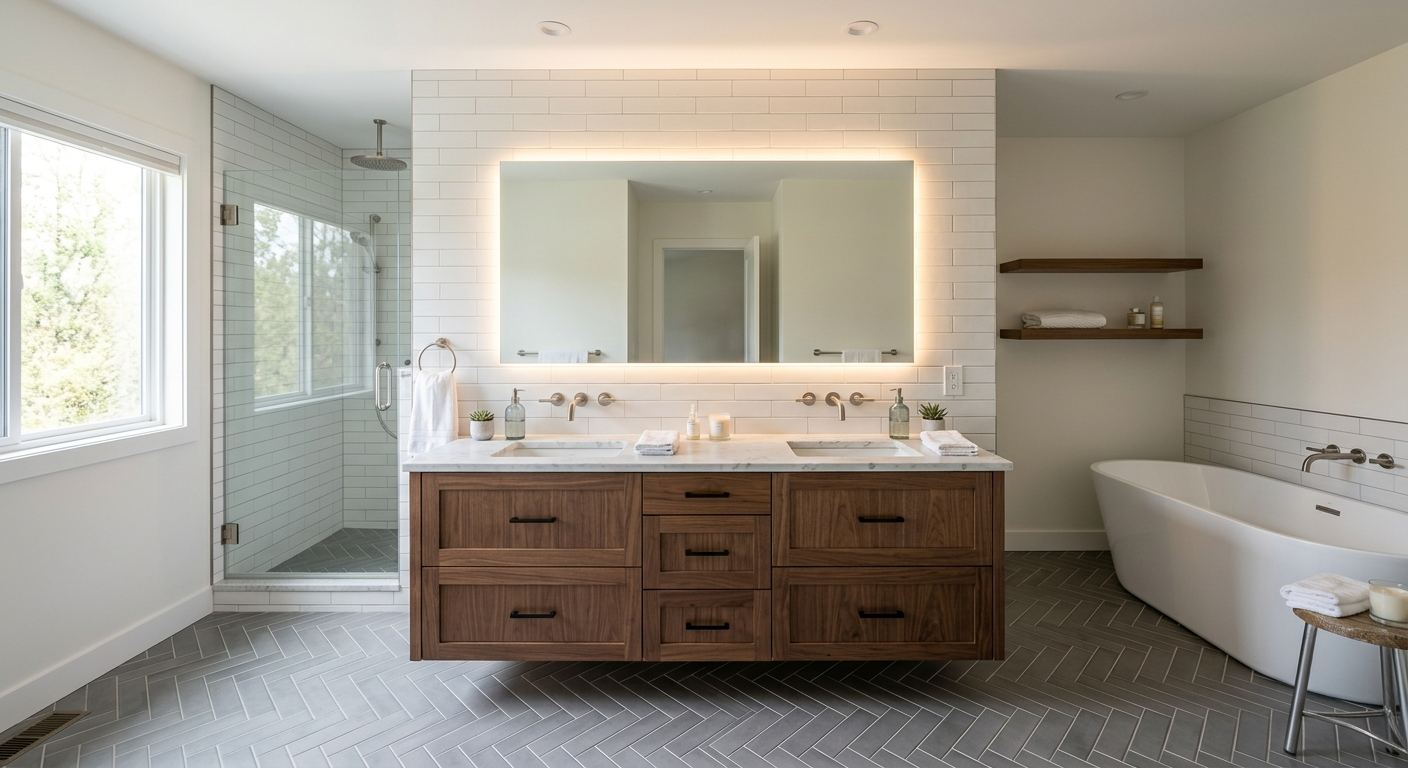
Bathroom renovation options and costs in North Cowichan
Bathroom renovation in North Cowichan can look simple on paper, but the real-world pricing varies because of the area’s older housing stock and the way trades have to work around existing plumbing and electrical. With 31,990 residents (Statistics Canada, 2021 Census) and homeowner households that make up 76.9% of households, many projects here sit in long-established neighbourhoods where contractors repeatedly see legacy drains, dated venting, and mixed material types behind the walls. Notably, 42.6% of homes in the area were built before 1981 (Statistics Canada, 2021 Census), which increases the odds of galvanized supply lines, cast-iron or aging drain stacks, and occasional asbestos-containing materials in floor coverings or drywall compounds. Even when the job starts as “just replacing a vanity,” opening the walls often reveals scope changes.
On Vancouver Island and the Coast, the climate is mild and maritime, but it’s still very humid, and that drives the importance of correct ventilation, waterproofing, and properly detailed wet-area assemblies. Labour rates are also a major lever: general contractors commonly bill in the 80–120 per hour band, while plumbers and electricians are often in the 100–150 per hour band. As a result, bathroom renovations in North Cowichan frequently land in the wider Vancouver Island full-reno range of $10,000–$35,000, especially when electrical upgrades and rough-in work are required.
Trades are especially in demand around Ladysmith, Youbou, and the Cowichan Valley corridor where older homes and cottage-style builds are common. From there, the best next step is to compare typical project paths—so you can see what each level of finish includes in time and budget—using the table below.
| Renovation Scope |
What's Included |
Typical Duration |
Price Range |
| Cosmetic refresh (paint, fixtures, accessories only) |
New vanity/sink, faucet, toilet refresh (if replacing), lighting swap, mirror, accessories; re-caulking and paint; existing tile kept |
3–7 days |
$2,500–$6,500 |
| Mid-range full renovation (new tile, vanity, tub/shower, electrical) |
Demo to substrate, waterproofing, tile floor + surround, new vanity and toilet, tub or tub/shower unit, exhaust fan upgrade, basic electrical updates (GFCI/lighting) |
2–4 weeks |
$15,000–$28,000 |
| High-end full renovation (custom tile, steam shower, heated floors) |
Custom shower system, premium tile/mosaic, heated floors, enhanced ventilation, upgraded electrical plan, niche/bench, designer fixtures and hardware |
4–6 weeks |
$28,000–$55,000 |
| Shower-only installation (convert tub to walk-in shower) |
Remove tub, re-plumb drain where needed, build shower pan or waterproofing system, tile surround, new glass, exhaust fan/lighting adjustments |
1.5–3 weeks |
$8,500–$18,000 |
| Bathtub replacement or tub-liner install |
Replace tub or install liner system, new surround detailing where required, sealing and re-caulking, faucet/trim updates if included |
5–10 days |
$1,500–$7,000 |
| Tile-only installation (floor + surround, existing layout kept) |
Tile floor + wet-area surround, waterproofing to code standard, grout/caulk, matching trim, existing vanity/tub kept (unless noted) |
1.5–3 weeks |
$2,500–$10,000 |
Prices are estimates only and vary by project scope, site access and material selection.
What affects the price of bathroom renovation in North Cowichan
On Vancouver Island and Coast, you can see the same “bathroom reno” quoted at noticeably different totals across companies and neighbourhoods—often 30–50%—even when the visible finishes look similar. The biggest reason is labour and the age of the homes nearby, not the weather itself. In North Cowichan, many houses were built before 1981 (42.6% built before 1981, Statistics Canada, 2021 Census), and older plumbing layouts can require more invasive rough-in when you change anything about drains, venting, or wall thickness. Meanwhile, contractors and trades in the region still price using local hourly rates—often 80–120 per hour for general carpentry and 100–150 per hour for plumbing and electrical—so extra hours add up quickly.
Older systems also hide surprises: cast-iron or galvanized components may need replacement when we open walls, and ventilation often ends up undersized for today’s shower usage. Discovery of asbestos-containing materials in pre-1985 vinyl flooring or drywall compounds can trigger abatement steps and adds commonly $1,500–$5,000+ to the budget, depending on extent and how much has to be removed. That’s why a project that starts near $10,000–$35,000 can still swing upward once plumbing upgrades and electrical bring the bathroom up to current expectations.
Two concrete examples we see often in North Cowichan: (1) converting a tub-to-shower commonly requires re-plumbing and careful waterproofing detailing, pushing costs toward the $4,000–$15,000 shower installation band; and (2) a “tile-only” job can cost more if the subfloor is unlevel or has rot, because tile labour depends on prep and waterproofing performance. In short, climate is only part of the equation—scope changes drive the dollars.
| Price Factor |
Why It Matters |
Cost Impact |
| Layout change — moving drain or supply lines |
Requires opening walls, rough-in plumbing, possible venting changes and patching |
$2,000–$8,000+ |
| Tile selection — large-format porcelain vs. mosaic vs. ceramic |
Format affects cutting complexity, labour time and substrate tolerance |
$500–$4,000+ |
| Fixture tier — builder-grade vs. mid-range vs. designer brands |
Different trim mechanisms, finishes and included components (valves, parts) |
$300–$5,000+ |
| Subfloor condition — rot or unlevel concrete adds scope |
Can require repairs, underlayment resets and additional waterproofing prep |
$800–$6,000+ |
| Electrical — adding GFCI outlets, exhaust fan, heated floor circuit |
New circuits and code-compliant connections drive electrician time and materials |
$600–$4,500+ |
| Waterproofing method — membrane type and extent |
Different systems require distinct prep, materials and cure times |
$400–$3,500+ |
| Older-home surprises — asbestos tile, cast-iron drains, galvanized pipes |
Abatement, replacements and re-plumbing extend the work and scheduling |
$1,500–$10,000+ |
| Bathroom size — sq ft drives tile and labour time directly |
More area = more tile, more setting time, more waterproofing and trim |
$1,000–$7,000+ |
Permits & regulations in British Columbia
In British Columbia, many common bathroom updates are considered cosmetic and typically do not require a permit—like swapping fixtures (toilet, vanity, faucet), repainting, replacing a mirror, upgrading a light fixture, or retiling when you’re keeping the existing plumbing locations and not changing structural elements. However, once you move plumbing, add new mechanical ventilation work, or make structural changes, permitting becomes much more likely.
Work that typically does require a permit and inspections includes: relocating drain or supply lines (including changing where a shower valve sits), major venting changes, adding or modifying electrical circuits (for example, dedicated GFCI outlets, new exhaust fan circuits, or heated floor circuits), and any changes involving shower waterproofing systems where walls or floors are opened to rough-in. Electrical work must meet the provincial electrical code and be performed or signed off by a licensed electrician. Plumbing rough-in changes generally require permit and inspection prior to closing walls or floors.
Step-by-step for a homeowner in North Cowichan: (1) ask for the contractor’s BC trade licence details and confirm them via the province’s public registry; (2) request a certificate of liability insurance showing the named insured and coverage limits, and verify it matches the scope date range; (3) confirm WCB/clearance coverage (and keep the clearance letter on file); (4) ensure the contractor clearly states whether the permit pull is included in their price and who is responsible for passing inspections; and (5) get everything in writing—scope, exclusions, and whether disposal and sweep-up are included.
Choosing tile, waterproofing and fixtures for your North Cowichan bathroom
Three material decisions drive most of the bathroom renovation budget in North Cowichan: tile choice, waterproofing method and fixture tier. Because Vancouver Island and the Coast are consistently humid, your “out of sight” choices matter just as much as your visible finishes—especially around shower walls, benches, niches and the floor-to-wall transitions.
1) Tile choice. Ceramic is usually the entry point and can be a smart pick for guests’ bathrooms when you keep installation simple and consistent. Porcelain typically handles moisture better and is often the better value for wet areas, but it can raise material and labour slightly due to setting requirements and heavier tiles. Natural stone (marble, travertine, slate) looks premium but demands careful sealing, trimming and subfloor flatness, which increases installation complexity.
2) Waterproofing method. A paint-on membrane can work in some scenarios, but bonded sheet membranes or a properly detailed system (including compatible components like sealants and transitions) often provide more robust protection in high-use shower zones. In North Cowichan bathrooms, we often prioritize waterproofing that supports a long service life under frequent steam and wet-to-dry cycles. A correct system reduces the risk of mould by preventing hidden moisture migration behind tile and into framing.
3) Fixture tier. Builder-grade fixtures cost less upfront, but designer brands can include better engineering, finishes and warranties. Resale buyers often value updated fixtures and clean finishes, but overspending on ultra-premium hardware isn’t always justified if your waterproofing and ventilation are average. For example, spending an extra couple of thousand dollars on a quality waterproofing assembly is more defensible than upgrading every trim piece to a top-tier brand while keeping a basic fan setup. Pair the right tile with the right waterproofing first, then tune fixture quality to your budget and timeline.
| Material / Option |
Pros |
Cons |
Price Range |
| Ceramic tile (floor + walls) |
Generally lower material cost; good choice for dry zones and many floor applications |
May require stricter selection for wet zones; can be less tough than porcelain in some uses |
$2,500–$6,500 |
| Porcelain tile (floor + walls) |
Moisture-friendly; durable finish; widely available in modern sizes and looks |
Can increase cutting/setting effort with larger formats; material cost typically higher than ceramic |
$5,000–$10,000 |
| Natural stone (marble, travertine, slate) |
Luxury appearance; unique patterning; great for statement walls or premium floors |
Requires sealing and careful maintenance; more complex layout, edge work and installation tolerance |
$8,000–$20,000 |
| Frameless glass shower enclosure |
Bright look; easier to keep visually clean; complements modern tile |
Higher material and installation labour; requires precise framing and sealing |
$2,000–$7,500 |
| Prefab tub surround (acrylic) |
Faster install; consistent finish; helps keep labour lower than full tile builds |
Limited custom detailing; seams and integration points need correct sealing |
$1,000–$3,500 |
| Custom shower pan (tile or linear drain) |
Best for custom layouts and modern linear drainage; smooth, spa-like result |
More trades time; waterproofing detailing is critical; schedule can be longer |
$3,500–$12,000 |
How to choose a bathroom renovation contractor in North Cowichan
Choosing the right bathroom contractor in North Cowichan is mostly about verifying credentials and clarity of scope—not just the lowest number. Start by confirming their British Columbia trade licensing (for plumbing/electrical work, check the correct licensed party is performing or signing off the work). Next, request a certificate of liability insurance and make sure it’s current and covers your project address. Finally, verify WCB/WCB clearance: you should be able to review the clearance letter or proof of coverage and keep a copy for your records.
Get 2–3 itemised written quotes that separate labour and materials. A good quote breaks down demolition, waterproofing, tile setting, electrical/plumbing allowances, glass, ventilation, disposal, and any permit-related items. Avoid quotes that are “lump sum with assumptions” because bathroom projects in older neighbourhood housing often uncover hidden conditions once walls open—rot, out-of-level substrates, dated wiring, or cast-iron drain sections. Read the exclusions carefully: confirm whether disposal, shop drawings (if required), and permit pulls are included, and whether you’re paying change orders for asbestos abatement or electrical upgrades discovered during demo.
Warranty matters too: ask for workmanship warranty length and whether it covers labour for a defined period, and note product/manufacturer warranties separately (and whether they’re transferable to future owners). For payment schedule, a responsible approach is usually 10–15% upfront, then staged payments tied to completed milestones, with a holdback until the job is finished and deficiencies are corrected. Get a start date and a completion estimate in writing, and make sure the timeline aligns with material lead times.
- Confirm BC trade licence(s) for each specialty scope (plumbing/electrical) and who is doing the work.
- Request liability insurance certificate with your project address/date range.
- Verify WCB/WCB clearance letter before work starts.
- Ask for itemised pricing: labour vs materials vs allowances.
- Confirm whether permit pull and inspections are included.
- Ask what’s included in demolition and debris disposal.
- Ensure waterproofing details are written: membrane type, coverage and transition treatment.
- Review how they handle subfloor assessment (levelness/rot) and what triggers repairs.
- Get written confirmation on shower valve, fan capacity, and electrical plan (GFCI/lighting/heated floors if applicable).
- Clarify warranty terms in writing (labour vs product, coverage period and transferability).
- Request a realistic schedule that includes lead times for tile, glass and fixtures.
- Use a payment schedule with no more than 10–15% upfront and a holdback until completion.
Red flags I see with some bathroom contractors in North Cowichan: “verbal” scope with no detailed inclusions; refusing to provide a written itemised quote; skipping waterproofing specifications or using vague terms like “good sealant”; demanding large upfront payments beyond 10–15%; and not providing proof of BC licence/insurance/WCB coverage or offering weak warranty language.
Frequently asked questions — bathroom renovation in North Cowichan
Do I need a permit for a bathroom renovation in British Columbia?
In British Columbia, cosmetic bathroom updates usually don’t need permits—things like replacing a vanity, swapping fixtures, painting, or retiling without changing plumbing locations or structural walls. However, permits are commonly required when you relocate drains or supply lines, add or change exhaust fans that involve new electrical circuits, or make electrical upgrades that affect wiring and protected circuits. In North Cowichan, the permit question often comes up once walls are opened in older homes built before 1981 (Statistics Canada, 2021 Census), because rough-in work is more likely. When you request quotes, ask whether the permit pull and inspection fees are included and confirm who will handle compliance with BC code requirements.
What's the best tile for a bathroom in North Cowichan?
For most North Cowichan bathrooms, porcelain tile is the safest “best value” option: it’s moisture-friendly, durable in wet areas, and comes in modern sizes that look clean. Ceramic can work well too—especially for simpler layouts—but make sure the tile is selected appropriately for wet-zone use. Natural stone (marble/travertine/slate) looks high-end, but it requires extra attention to sealing and tends to cost more in both materials and labour. If you’re budgeting, you’ll often see tile-only installs in the $2,500–$10,000 band, while a full reno typically sits higher (commonly $10,000–$35,000) once waterproofing, ventilation and potential rough-in upgrades are included.
Should I do a tub-to-shower conversion?
A tub-to-shower conversion is a great choice for accessibility, easier cleaning, and daily usability—especially if you have limited mobility or want a more open feel. In older homes around North Cowichan, the decision often hinges on plumbing layout: if the drain location can stay similar, costs are usually more controlled; if the drain or valve needs moving, rough-in work and waterproofing detailing become more involved. Expect typical shower conversions to land in the $4,000–$15,000 range depending on glass, tile complexity, and whether electrical and ventilation upgrades are required. The key is to match the shower design with a proven waterproofing system and ensure the exhaust fan is upgraded to reduce humidity-related issues.
How do I prevent mold in a North Cowichan bathroom?
Mould prevention is mainly about controlling moisture at the source: ventilation and waterproofing. In North Cowichan (Vancouver Island and the Coast), humidity is persistent, so an adequately sized exhaust fan that vents properly is critical—especially after showers. Pair that with correct waterproofing behind tile, including proper transitions at floor-to-wall edges and around niches/valves, because hidden moisture is where problems start. Choose tile and grout systems that are compatible with your waterproofing approach and ensure caulking is detailed and maintained. Finally, don’t overlook operational habits: run the fan during and after showering, keep shower doors closed, and address leaks quickly. Even a premium finish can fail if the waterproofing assembly is rushed.
What adds the most resale value in a bathroom reno?
Resale value usually tracks what buyers notice first and what reduces future maintenance risk. In North Cowichan, that typically means a modern layout that works for daily life, updated fixtures, reliable ventilation, and a waterproofed shower/tub that’s built correctly. Porcelain tile in wet areas and a clean, well-installed vanity/lighting package help buyers feel confident. Heated floors can be a strong “comfort upgrade,” and glass enclosures often lift perceived quality, but the biggest value comes from doing waterproofing and moisture control properly—especially in pre-1980 homes where hidden plumbing and substrate issues can lead to costly repairs later. If you’re considering budgets, many homeowners target the $15,000–$28,000 mid-range full-reno band for a balanced mix of longevity and visible upgrades.
Can I keep my existing plumbing layout to save money?
Yes—keeping your existing plumbing layout is one of the most reliable ways to control cost in a Vancouver Island bathroom renovation. If the toilet, tub/shower drain and supply locations stay where they are, you can avoid a lot of rough-in labour, wall opening, and potential permit complexity. That reduces the chance of running into older-home surprises like compromised pipe sections or dated ventilation tied to older layouts. In practical terms, it can keep you closer to tile-focused budgets (often $2,500–$10,000 for tile-only scopes) rather than moving toward full rough-in upgrades. When you request quotes, ask the contractor to confirm whether they’re pricing “like-for-like” placement and what changes—if any—trigger additional costs.