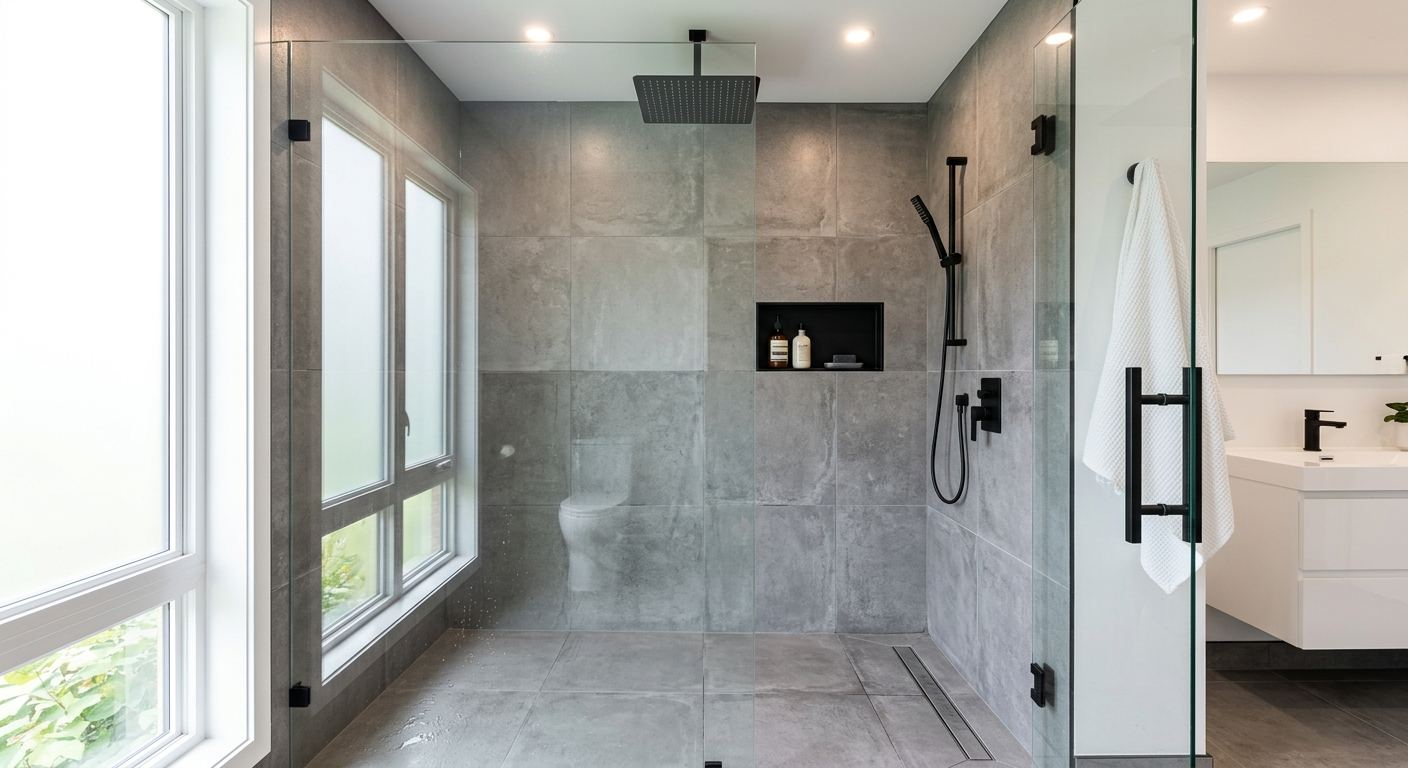
Bathroom renovation options and costs in Avonmore
In Avonmore, Alberta, bathroom renovations often fall into three practical buckets: cosmetic upgrades, mid-range remodels, and full high-end builds. With Avonmore’s population recorded at 2,087 in the 2021 Census (Statistics Canada, 2021 Census), most projects are tied to an older, established housing base where plumbing layouts can be dated. In the Calgary economic region, contractors frequently see cast-iron drain lines, older venting details, and finish materials installed decades ago—conditions that make “simple” work turn into hidden-scope once walls and floors come up.
Cost is shaped less by Alberta’s weather swing itself and more by what it does to building durability and bathroom moisture management, plus labour availability across the Calgary market. Calgary-area trade crews typically book faster for occupied-home work, and the same unit can cost noticeably more when schedules, material lead times, or demolition reveals unexpected subfloor movement. That’s why homeowners in Avonmore should budget like the project is being renovated in an older home, not a clean-slate new build.
Demand is especially consistent in the Avonmore area around the village-core and nearby residential streets, where many jobs involve keeping occupants comfortable during demolition and reinstallation. Before you compare contractors, use the ranges below to align expectations. Then review the table for the typical scope that drives budget—not just the finished look—before you lock in tile, plumbing fixtures, and electrical changes.
| Renovation Scope |
What's Included |
Typical Duration |
Price Range |
| Cosmetic refresh (paint, fixtures, accessories only) |
New vanity or updated faucet, toilet/lighting refresh (no plumbing relocation), paint, accessories, minor caulking and sealing |
3–7 days |
$4,000–$8,000 |
| Mid-range full renovation (new tile, vanity, tub/shower, electrical) |
Demo, rewaterproofing, new tile floor/surround, vanity, tub/shower or combo unit, updated exhaust fan and lighting, basic electrical updates |
2–4 weeks |
$15,000–$22,000 |
| High-end full renovation (custom tile, steam shower, heated floors) |
Premium tile with custom layouts, steam shower or upgraded walk-in, heated floors, higher-tier fixtures, enhanced ventilation and electrical planning |
4–7 weeks |
$22,000–$30,000 |
| Shower-only installation (convert tub to walk-in shower) |
Demo tub, plumbing modifications at drain/supply, waterproofing system, walk-in shower pan/tiling, glass or curtain option |
1.5–3 weeks |
$12,000–$18,000 |
| Bathtub replacement or tub-liner install |
Tub removal and replacement, or tub-liner preparation and installation, re-sealing and minor wall adjustments, fixture swap |
3–10 days |
$1,000–$3,000 |
| Tile-only installation (floor + surround, existing layout kept) |
Tile install on prepared surfaces (no layout change), new grout/sealant, waterproofing included where required for tile systems |
1–2.5 weeks |
$6,000–$12,000 |
Prices are estimates only and vary by project scope, site access and material selection.
What affects the price of bathroom renovation in Avonmore
Homeowners in Avonmore can get surprisingly different quotes for the same “bathroom refresh,” often varying by 30–50% once labour, hidden scope, and fixture tiers are accounted for. In the Calgary economic region, this gap is usually driven more by regional labour rates and the condition/age of local housing stock than by climate alone. Bathroom work is labour-intensive because it combines trade disciplines—carpentry, waterproofing, plumbing rough-in, electrical, and tile setting—and every change in sequence affects total schedule and coordination costs.
Older homes are the biggest pricing swing. Hidden issues like cast-iron or corroded copper drain stacks, galvanized supply lines, insufficient venting, and weak subflooring can require upgrades once demolition begins. On top of that, if asbestos is found in pre-1985 materials (commonly vinyl floor tile, mastic, or certain drywall compounds), abatement protocols are triggered and the budget can jump by $1,500–$5,000+ depending on containment and disposal requirements. Those discoveries don’t show up until the surfaces are opened—so the same tile and vanity can end up costing very different totals.
Concrete examples I see in Avonmore: (1) keeping the existing tub drain location usually keeps rough-in costs lower; moving the drain for a walk-in can add more labour and permit work, shifting a project toward the mid-range full renovation band (often around $15,000–$22,000). (2) choosing large-format porcelain can reduce grout lines visually, but it requires flatter substrates; if your subfloor is unlevel, you’re paying for prep before tile can be set. If you’re staying closer to a tile-only scope, expect the best outcomes when the wall backing and waterproofing details are already in good shape—otherwise, true waterproofing is where costs climb.
| Price Factor |
Why It Matters |
Cost Impact |
| Layout change — moving drain or supply lines requires rough-in work |
Plumbing lines must be relocated and tied into existing stacks, often requiring wall/floor opening |
Often increases budget materially; typical jump can be several thousand dollars depending on distance and access |
| Tile selection — large-format porcelain vs. mosaic vs. ceramic |
Material hardness, cutting demands, and substrate prep requirements affect labour and waste |
Can shift a tile-heavy job upward; porcelain and specialty patterns typically cost more |
| Fixture tier — builder-grade vs. mid-range vs. designer brands |
Higher-tier valves, trim, and finishes raise material costs and sometimes change rough-in requirements |
Usually a few hundred to several thousand dollars depending on brand and number of fixtures |
| Subfloor condition — rot or unlevel concrete adds scope |
Tile and waterproofing systems need stable, flat substrates to prevent cracking and leaks |
Repairs, sistering, or underlayment can add days and thousands |
| Electrical — adding GFCI outlets, exhaust fan, heated floor circuit |
Bathroom circuits and ventilation upgrades must be planned and may require updated wiring routes |
Can add cost depending on panel access, wire runs, and heated floor complexity |
| Waterproofing method — membrane type and extent |
Proper waterproofing coverage is the difference between a long-lasting shower and repeat repairs |
Better systems generally cost more but reduce long-term risk |
| Older-home surprises — asbestos tile, cast-iron drains, galvanized pipes |
Discovery triggers added testing/containment, disposal, and replacement of failing components |
Budget increases can be $1,500–$5,000+ for asbestos-related work |
| Bathroom size — sq ft drives tile and labour time directly |
More floor/wall area means more materials, mixing, cutting, and time on site |
Small changes in size can noticeably affect tile labour and overall schedule |
Permits & regulations in Alberta
In Alberta, the permit picture is mostly about what you change. Cosmetic updates—like swapping a vanity, replacing a toilet, repainting, installing new lighting (if you’re not changing wiring routes), or retiling without moving plumbing—typically do not require a permit on their own. However, bathroom renovations often cross into permit-required territory once you move plumbing or modify electrical systems beyond simple fixture replacement.
Permits commonly are required when you relocate plumbing (moving a drain or supply line), add or replace an exhaust fan with new ducting and wiring, or make structural wall changes that affect framing. Electrical work must meet the provincial electrical code and be completed by a licensed electrician (or inspected/signed off as required). Any plumbing rough-in changes—new drain connections, venting adjustments, or pipe relocation—usually require an inspection.
To verify an Avonmore contractor’s compliance step-by-step: (1) Ask for proof of the Alberta trade licence relevant to their work (plumbing/electrical where applicable). (2) Request a certificate of insurance showing liability coverage; confirm the project is covered for your address. (3) Ask for WSIB/WCB coverage proof (or a clearance letter where applicable) and ensure dates are current. (4) If asbestos abatement or hazardous material handling is possible in your home, ask who will handle it and whether they’re properly equipped and insured. If they can’t provide documents promptly, treat that as a decision point—don’t wait until demolition.
Choosing tile, waterproofing and fixtures for your Avonmore bathroom
In Avonmore, three material choices drive most bathroom renovation budgets: tile selection, waterproofing approach, and fixture tier. First, tile choice sets both cost and installation complexity. Ceramic tile is usually the entry-level option; it’s fine for many bathrooms but may be more forgiving only when the substrate is prepared well. Porcelain—typically more dense and consistent—handles daily moisture better and is a popular mid-range choice in Calgary-area remodels. Natural stone (marble, travertine, slate) looks premium, but it can require extra labour for finishing and can increase maintenance or sealing considerations.
Second, waterproofing method is where Alberta bathrooms win or fail long-term. A paint-on membrane can work in certain systems, but bonded sheet membranes and modern shower-protection systems usually provide more robust waterproofing when installed correctly. Because bathrooms experience real humidity cycles in Calgary homes, getting the waterproofing right around niches, corners, and transitions is essential to prevent mould and grout deterioration.
Third, fixture tier affects both price and perceived value at resale. Builder-grade fixtures can look great when installed cleanly, but designer-branded valves and trim often add cost because of materials and finish consistency.
A practical dollar example: upgrading from standard tile to mid-range porcelain might add roughly a few thousand in materials and setting time—often worthwhile if you’re already doing full waterproofing and retiling. If you’re staying close to a tile-only scope, spend where it prevents callbacks: good substrate prep and a proven waterproofing system usually cost less than repeating repairs later. The right combination depends on whether you’re targeting a mid-range renovation around $15,000–$22,000 or a higher-end finish that can reach the $22,000–$30,000 band.
| Material / Option |
Pros |
Cons |
Price Range |
| Ceramic tile (floor + walls) |
Entry-friendly cost, lots of styles, good for standard bath traffic when installed properly |
Can be less consistent for large-format designs; requires careful substrate for long-term performance |
$3,000–$7,000 |
| Porcelain tile (floor + walls) |
Denser and more moisture-resistant, cleaner modern looks, great for shower surrounds |
Heavier tile increases handling/cutting time; substrate flatness requirements are higher |
$6,000–$12,000 |
| Natural stone (marble, travertine, slate) |
Luxury appearance, unique veining, strong design impact |
Higher material cost, sealing/maintenance considerations, more labour-intensive detailing |
$10,000–$18,000 |
| Frameless glass shower enclosure |
Brightens the bathroom, premium look, easier visual cleaning than heavy surrounds |
More expensive hardware and exact measurements; installation must be square |
$2,500–$6,000 |
| Prefab tub surround (acrylic) |
Faster install, fewer tile cuts, smooth surface that’s generally easier to maintain |
Less design flexibility than tile; may not match high-end look expectations |
$500–$2,000 |
| Custom shower pan (tile or linear drain) |
Modern linear drain look, improved water management, fully custom slope and layout |
More waterproofing detailing and labour; drains require precise rough-in |
$6,000–$15,000 |
How to choose a bathroom renovation contractor in Avonmore
For an Avonmore bathroom renovation, I treat licensing and coverage as the first checkpoint because bathrooms involve plumbing, electrical, and waterproofing risk. Start by verifying Alberta trade licensing for the trades involved (especially electrical work and any plumbing rough-in). Next, confirm liability insurance—request an up-to-date certificate of insurance naming the project address. Then check WSIB/WCB status: ask for proof of coverage or a clearance letter and ensure it’s current before work begins.
Get 2–3 itemised written quotes. The best quotes break labour and materials out (demo, subfloor repairs, waterproofing system, tile installation, fixtures supply, disposal, and electrical/plumbing trades). Avoid “lump sum” only proposals—bathrooms almost always involve scope decisions once demolition starts. Read the scope line-by-line: what’s excluded, is asbestos discovery testing included, is permit pulling included, and is waste disposal/dumpster service included?
Warranty matters too. Ask for a workmanship warranty duration (and what it covers), the manufacturer warranty on tile/valves/membranes, and whether warranties transfer if you sell the home. For payments, never agree to pay more than 10–15% upfront; the rest should be staged, with a holdback until the finish details are complete and verified. Finally, request a written start date and completion estimate—if a contractor can’t put timelines in writing, you’re taking unnecessary schedule risk.
- Verify Alberta trade licences relevant to their scope and ask for proof.
- Confirm liability insurance certificate is current and project-specific.
- Request WSIB/WCB clearance letter or proof of coverage before demolition.
- Use itemised quotes: labour, materials, waterproofing, tile setting, fixtures, and disposal.
- Confirm whether permit pulling is included or billed separately.
- Ask who provides exhaust fan ducting and electrical connection.
- Confirm waterproofing method (membrane type) and coverage details at corners and niches.
- Check if disposal/dumpster and protective floor covering are included.
- Request tile-setting details: substrate prep, leveling, and backer/underlayment plan.
- Ask about timeline realism—days for demo, rough-in, waterproofing cure, tile, and grouting.
- Ensure warranty terms are written, including transferability to future homeowners.
- Agree on payment milestones tied to measurable milestones, not just “progress.”
Red flags I see with bathroom contractors in the Avonmore area: they won’t provide insurance or coverage documents, they refuse itemised quotes, they promise “all-in” pricing without a demolition discovery clause, they skip waterproofing specifics, or they ask for large upfront payments (more than 10–15%) without holding a meaningful completion holdback.
Frequently asked questions — bathroom renovation in Avonmore
How long does tile installation take in a Avonmore bathroom?
In Avonmore, tile installation time is usually driven by tile type and whether the surface must be rebuilt or levelled. For a typical floor-and-surround job (kept layout, fully prepped surfaces), many crews plan roughly 4–8 working days for the tile set and initial detailing, followed by curing time and grout/seal steps. If you’re doing porcelain or a custom pattern, expect more cutting and layout time. Also, waterproofing cure time matters—membranes need proper cure before tile work proceeds. If your bathroom is in an older home where subfloor repair is required, you may lose a few days to prep before the first tile is set.
How much does a bathroom renovation cost in Avonmore?
For Avonmore homeowners, a realistic starting point depends on whether you’re staying cosmetic or doing a full remodel. Cosmetic refreshes (paint, fixtures, and accessories only) often land around the low thousands, while a mid-range full renovation that includes new tile, a vanity, and a tub/shower with electrical updates commonly falls in the $15,000–$22,000 range. If you move to higher-end finishes—custom tile layouts, heated floors, or a steam-style shower build—budgets more often land near $22,000–$30,000. In older Calgary-area housing, concealed repairs can expand scope after demolition, so I recommend budgeting contingency for subfloor repairs, venting fixes, or the possibility of asbestos-related work.
How long does a bathroom renovation take in Avonmore?
Timelines vary, but most Avonmore bathroom renovations run longer than homeowners expect because waterproofing and trade coordination are the pacing items. A cosmetic refresh can be as short as about 3–7 days if plumbing isn’t moved. A mid-range full renovation typically takes 2–4 weeks from demo through final caulking and trim, assuming materials are available on schedule. Higher-end projects with heated floors, extensive tile detailing, or steam shower components often run 4–7 weeks. If a contractor discovers hidden plumbing, venting issues, or subfloor repairs once walls are open, completion can stretch. The best way to keep it on track is to confirm lead times early and ensure the waterproofing steps are planned with cure times.
Do I need a permit for a bathroom renovation in Alberta?
In Alberta, you typically don’t need permits for purely cosmetic updates—like swapping a vanity, repainting, replacing fixtures, or retiling when plumbing isn’t relocated. Permits are commonly required when you change plumbing locations (moving drain or supply lines), add or modify electrical circuits for things like exhaust fans or heated floors, or make changes involving structural wall work. Electrical work must meet code and is generally done or signed off by a licensed electrician. If your plan includes rough-in changes, it’s smart to confirm permit responsibility during quoting—especially whether the contractor includes permit pulling and inspection coordination. For licensing and coverage, ask for Alberta trade credentials and proof of liability insurance and WSIB/WCB status before starting.
What's the best tile for a bathroom in Avonmore?
“Best” depends on your budget and how complex your shower walls are. For most Avonmore bathrooms, porcelain tile is a strong choice: it’s moisture-tolerant and consistent, and it holds up well in shower surrounds when the waterproofing is done correctly. Ceramic tile can be a good entry option if you’re keeping the design straightforward and the substrate is prepared properly. Natural stone can look stunning, but it adds cost and can require extra sealing/maintenance and careful installation. In the Calgary economic region, bathrooms that experience frequent humidity cycles benefit most from a reliable waterproofing system plus durable tile—so don’t choose based on appearance alone. If you’re trying to control costs, a porcelain plan paired with a proven membrane system often gives the best balance.
Should I do a tub-to-shower conversion?
A tub-to-shower conversion is often worth it in Avonmore if you want easier daily use, safer access, or a more modern layout. It usually triggers plumbing modifications at the drain and supply, plus shower waterproofing and potential electrical updates for lighting or ventilation—so it’s not the same as a simple refresh. In budgeting terms, shower installation projects (including the conversion scope) commonly land around the $8,000–$15,000 band, and more extensive upgrades can go above that depending on tile complexity and whether subfloor or venting issues are found. If your home is older, allow for hidden-scope checks once demo starts. The conversion can add resale appeal, but only if the waterproofing and pan detailing are done meticulously.