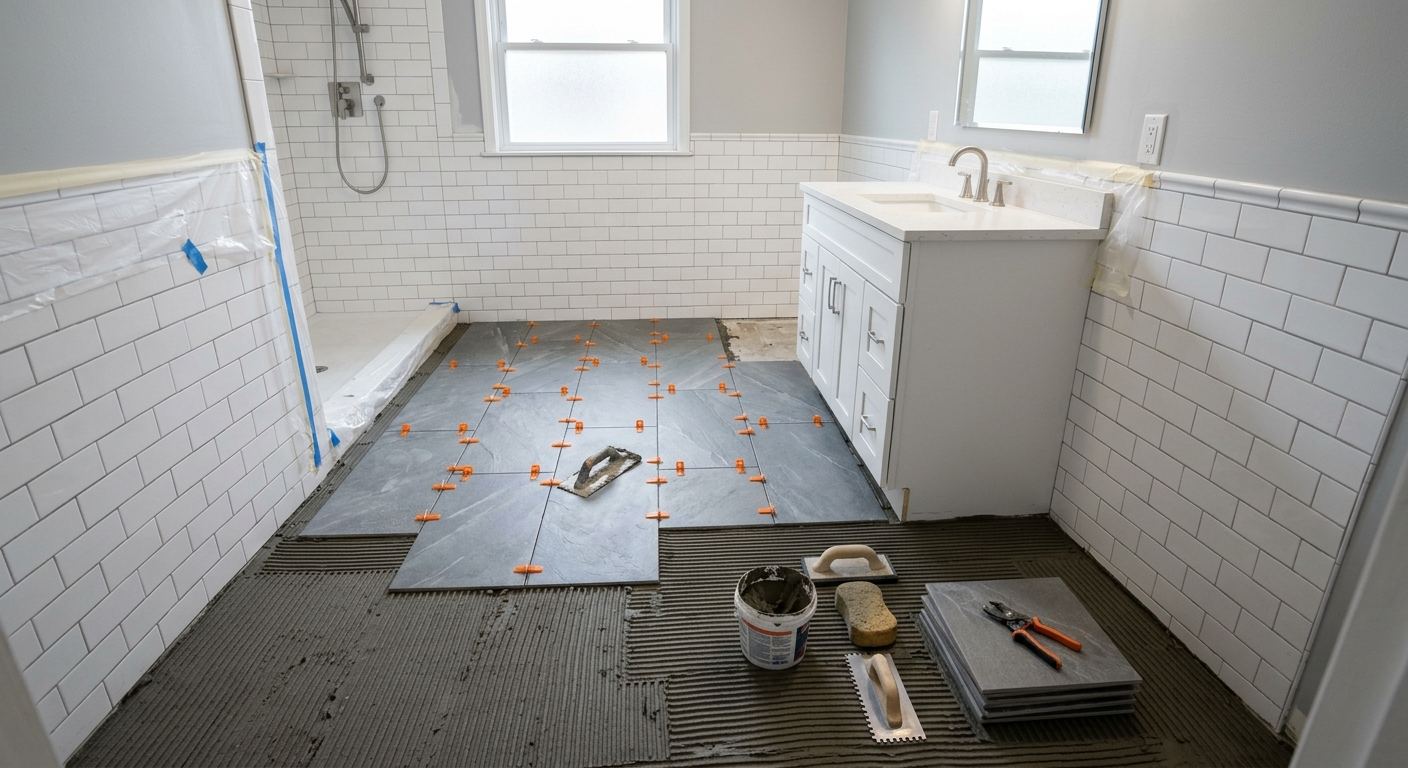
Bathroom renovation options and costs in Dalhousie
Dalhousie, Alberta homeowners typically have a few clear bathroom renovation paths—ranging from quick, low-disruption refreshes to full rebuilds. In a community of 8,530 residents (Statistics Canada, 2021 Census), most homes sit within the Calgary economic region’s older housing stock, and that matters: many bathrooms were built with dated plumbing layouts and older drainage methods, and in pre-1980 homes you’re more likely to encounter cast-iron drains, plus the chance of asbestos-containing materials in floor tile or older wall compounds. Calgary-area reno pricing is also shaped by local labour availability and the complexity of opening up walls to reach rough-ins. Climate affects drying and ventilation performance year-round, but it’s usually the hidden scope—not the outdoor temperature—that moves the budget.
In particular, contractors often see a pattern in older neighbourhood pockets where repeat demand is high for plumbing upgrades, venting corrections, and waterproofing rework. In Dalhousie, trades are especially in demand around the busier residential corridors where scheduled access, snow-season hauling routes, and parking constraints can slow down demolition and material deliveries. That’s why homeowners should plan for contingencies even when the goal is “just new tile.”
Below are realistic starting points you can use to compare quotes, keeping in mind that a “cosmetic” job can expand once we confirm the subfloor, wiring, ventilation, and drain conditions behind the existing surround. Use the table to calibrate your budget before you request your next round of itemised pricing.
| Renovation Scope |
What's Included |
Typical Duration |
Price Range |
| Cosmetic refresh (paint, fixtures, accessories only) |
Paint, mirror/lighting swap (no moving circuits), vanity replacement if plumbing stays in same location, new toilet (if existing rough-in is compatible), tapware/accessories, deep clean and caulking |
3–7 days |
$3,000–$7,000 |
| Mid-range full renovation (new tile, vanity, tub/shower, electrical) |
New vanity and countertop, tub/shower or replacement surround, floor and wall tile, exhaust fan upgrade, GFCI outlet where required, waterproofing, updated caulking and trims, disposal |
2–4 weeks |
$15,000–$24,000 |
| High-end full renovation (custom tile, steam shower, heated floors) |
Custom shower/tub system, premium tile (larger format or specialty), heated floor wiring and controls, upgraded ventilation, designer fixtures, niche/bench, extended waterproofing details |
4–7 weeks |
$24,000–$35,000 |
| Shower-only installation (convert tub to walk-in shower) |
Demo tub and reconfigure waterproofed shower, new shower base/pan system, glass enclosure allowance, new controls/valve if needed, drain relocation (as required), tile floor and walls |
2–4 weeks |
$10,500–$16,000 |
| Bathtub replacement or tub-liner install |
Removal and replacement of tub (or liner where appropriate), recaulk/reseal, basic surround updates, plumbing reconnection, disposal |
2–5 days |
$800–$3,500 |
| Tile-only installation (floor + surround, existing layout kept) |
Remove existing tile, prep and flatten surfaces, waterproof as required, new floor and surround tile, grout sealing where applicable, matching trim and transitions |
1–3 weeks |
$6,000–$14,000 |
Prices are estimates only and vary by project scope, site access and material selection.
What affects the price of bathroom renovation in Dalhousie
Two homeowners in the Calgary region can receive quotes that differ by 30–50% for what looks like the “same” bathroom because bathroom work is labour-driven and scope can change quickly once walls are opened. In Dalhousie, the biggest drivers are regional labour rates and the age/condition of the housing stock, not just Alberta weather. Many older Calgary-area homes hide drain and venting issues, supply-line corrosion, or insufficient ventilation capacity behind old finishes. Those fixes often require rough-in trades working in sequence, which increases labour hours and coordination time.
Older homes also bring cost volatility. For example, cast-iron drain sections may need replacement to correct slow draining or odour issues, and galvanized supply lines can require upgrades to meet modern performance expectations. If asbestos is discovered in vinyl floor tile or older drywall compound (more common in older construction), abatement can trigger additional procedures and added budget—often in the range of $1,500–$5,000+ depending on the extent and containment requirements. That’s a major reason why Calgary-area “refresh” quotes can climb into full remodel territory after demolition.
Concrete examples I see in Dalhousie: (1) keeping the same layout usually keeps your tile installation closer to mid-band pricing (tile-only and mid-range full renovations), while moving a drain or supply can quickly push you toward full renovation budgets because new rough-in work is required; (2) if your subfloor is unlevel or shows rot, tile may still be installed, but the prep time can be significant and raises the overall cost; (3) upgrading ventilation from a weak fan to a properly sized, ducted exhaust can add electrical scope, but it’s one of the best investments to prevent moisture problems.
| Price Factor |
Why It Matters |
Cost Impact |
| Layout change — moving drain or supply lines requires rough-in work |
Plumbing relocation means cutting/patching subfloor and possibly opening walls for venting and drainage |
Often +10% to +30% versus keeping the layout |
| Tile selection — large-format porcelain vs. mosaic vs. ceramic |
Harder materials and complex patterns require more precise prep, cutting and setting time |
Can shift tile labour and material by several thousand dollars |
| Fixture tier — builder-grade vs. mid-range vs. designer brands |
Higher tiers cost more upfront and may require different valve bodies, shower trims or mounting hardware |
Typically +$500 to +$5,000 depending on brand and options |
| Subfloor condition — rot or unlevel concrete adds scope |
Tile systems fail if the substrate isn’t stable; damaged framing/patching must be corrected |
Often +$1,000 to +$6,000 |
| Electrical — adding GFCI outlets, exhaust fan, heated floor circuit |
Bathroom code requirements and new circuits require licensed electrical work and inspections |
Commonly +$500 to +$3,000 |
| Waterproofing method — membrane type and extent |
Proper waterproofing is system-based; coverage details change labour and material needs |
Can add +$800 to +$2,500 for robust assemblies |
| Older-home surprises — asbestos tile, cast-iron drains, galvanized pipes |
Unexpected materials and plumbing conditions trigger abatement and/or replacement of hidden components |
Often +$1,500 to $5,000+ for asbestos scenarios, plus plumbing upgrades |
| Bathroom size — sq ft drives tile and labour time directly |
More area means more mortar time, more grout lines, more waterproofing and longer cure schedules |
Roughly +$1,000 to +$4,000 as size grows and complexity increases |
Permits & regulations in Alberta
In Alberta, cosmetic updates in a bathroom—like swapping a vanity, replacing fixtures, repainting, or retiling without moving plumbing or changing wall structure—typically do not require permits. Where projects cross into “construction work” is where permitting comes up: relocating plumbing (moving the drain or supply lines), adding or changing ventilation that involves new ducting and new electrical circuits, and any structural wall changes generally require permits and inspections. For electrical, any work that ties into circuits (for example, adding a new GFCI outlet, wiring an exhaust fan, or connecting a heated floor) must meet provincial electrical code and be performed or signed off by a licensed electrician.
Here’s a practical step-by-step for a homeowner in Dalhousie to verify a contractor before work starts:
- Ask for their Alberta trade licence number (for the relevant trades) and confirm it through the provincial public registry.
- Request a current Certificate of Insurance showing liability coverage; confirm it matches the business name on the contract.
- Confirm workers’ coverage via WSIB/WCB documentation and look for the clearance/coverage letter if they provide one.
- For plumbing/electrical changes, ask which licensed subcontractors will be used and request proof for those trades as well.
- Request the permit responsibility in writing: who pulls permits, who schedules inspections, and who covers inspection rework if scope changes.
Bottom line: “new look” work is often permit-light, but once you touch rough-in plumbing, ventilation electrics, or structural elements, treat permits and inspections as part of the schedule and budget—because they protect you when concealed conditions are uncovered.
Choosing tile, waterproofing and fixtures for your Dalhousie bathroom
Choosing materials in a Dalhousie bathroom renovation is where budgets get won or lost. The first decision is tile: ceramic is an entry-level choice and can work well where you want a straightforward installation, but it’s generally less forgiving for heavy wet-area performance and aesthetic wear compared with porcelain. Porcelain is the mid-range sweet spot—denser, typically more consistent, and a better match for busy family bathrooms where you want fewer surprises. Natural stone (marble, travertine, slate) can look stunning, but it increases installation complexity due to variation, higher material cost, and the need for correct sealing and careful substrate prep.
The second decision is waterproofing, and in Alberta this is not optional detail work—it’s the difference between a bathroom that stays quiet for years and one that develops mould behind tile. Paint-on membranes can be budget-friendly for certain systems, but sheet membranes and well-detailed schluter-style assemblies often provide more reliable protection when installed correctly across seams, corners, niches, and floor transitions. Correct waterproofing reduces the risk of moisture migration—especially important because bathroom ventilation effectiveness depends on fan ducting and proper cure times.
The third decision is fixture tier: builder-grade taps and shower trims can be fine for initial performance, but mid-range and designer brands often offer better finishes, smoother valves, and longer-lived cartridge/trim components, which can help resale value. A practical dollar example: if you upgrade from standard ceramic to porcelain, you might spend an extra few thousand on tile and setting time; that’s justified when the bathroom sees daily use and you want consistent surface durability without constantly thinking about grout maintenance.
Pair your tile and waterproofing choice to your budget band—if you’re targeting a mid-range full renovation (often $15,000–$24,000), keep tile selection aligned with your waterproofing system rather than chasing premium materials everywhere.
| Material / Option |
Pros |
Cons |
Price Range |
| Ceramic tile (floor + walls) |
Good value, wide style selection, straightforward to source |
More sensitivity to chipping and staining; requires careful sealing on grout |
$3,000–$8,000 |
| Porcelain tile (floor + walls) |
Denser and more consistent, better for wet zones, typically more durable |
Often higher material cost; large-format sizes require excellent prep |
$6,000–$12,000 |
| Natural stone (marble, travertine, slate) |
Luxury look, unique character, premium curb appeal |
Higher labour and material variability; requires sealing/maintenance plan |
$10,000–$18,000 |
| Frameless glass shower enclosure |
Cleaner lines, modern look, improves perceived space |
Higher cost; needs accurate wall plumb and waterproofing details at anchors |
$1,500–$4,500 |
| Prefab tub surround (acrylic) |
Fast installation, fewer seams than some tile builds, easy cleaning |
Less custom look; changes how you integrate niches/valves |
$800–$2,500 |
| Custom shower pan (tile or linear drain) |
Premium floor-to-drain aesthetic; linear drain for easy maintenance |
More detailed waterproofing prep; must get slope and sealing perfect |
$2,000–$6,500 |
How to choose a bathroom renovation contractor in Dalhousie
Choosing the right contractor in Dalhousie comes down to verification, clarity, and schedule control. Start with Alberta trade licensing for the relevant scopes. For example, electrical work must be completed or signed off by a licensed electrician; for plumbing-related rough-in changes, you should confirm the contractor’s plumbing capability and the licences that apply to their crew/subs. Next, request liability insurance and check that the certificate is current and lists the correct business entity. Then verify WSIB/WCB coverage: ask for the coverage letter or clearance document and confirm it’s not expired.
For quoting, don’t accept vague lump sums. Get 2–3 itemised written quotes that break labour and materials. You want clear line items for demo, disposal, framing/subfloor repairs, waterproofing system, tile installation, plumbing fixtures, electrical components, and glass/enclosure work (if applicable). Read the scope carefully: what’s excluded (for example, permit fees, asbestos testing/abatement, additional subfloor repairs, new ventilation ducting), who pulls permits, and whether material delivery delays are absorbed or charged back.
Warranty matters too. Ask for the workmanship warranty length and whether it’s transferable if you sell your home. Confirm product/manufacturer warranties for major items like shower valves, exhaust fans and tile installation systems. On payment terms, never let a contractor ask for more than about 10–15% upfront; the rest should be tied to milestones. A reasonable holdback is released after the job is complete and deficiencies are corrected. Finally, get start date and completion estimate in writing so timeline slips don’t become budget surprises.
- Confirm Alberta trade licences for each scope (electrical, plumbing, general contracting where required).
- Request Certificate of Insurance (liability) and verify dates and insured party name.
- Verify WSIB/WCB coverage via clearance letter or equivalent documentation.
- Ask for 2–3 itemised quotes with labour/material breakdown (not just totals).
- Ensure waterproofing is specified as a system (membrane type, coverage areas, seam handling).
- Confirm permit responsibilities: who applies, what permits, and who pays.
- Clarify disposal/refuse: demo debris haul-away and recycling included or not.
- Require a detailed scope for plumbing changes: valve replacement, rough-in, and venting.
- Check warranty terms in writing for both workmanship and product components.
- Agree on payment schedule: 10–15% max upfront; holdback until completion.
- Get a written timeline with start/completion dates and curing time allowances.
- Ask how the contractor handles hidden conditions (subfloor rot, asbestos discovery, drain issues).
Specific red flags to watch for: (1) they refuse itemised pricing and only provide one flat number; (2) they won’t discuss waterproofing details or they “eyeball” substrate prep; (3) they ask for large upfront payments; (4) they can’t show current insurance/WSIB/WCB documentation; (5) they dismiss permit needs even when you’re moving plumbing or adding exhaust fan circuits.
Frequently asked questions — bathroom renovation in Dalhousie
What's the most common mistake homeowners make in bathroom renovations?
In Dalhousie (and across the Calgary economic region), the most common mistake is budgeting for a “surface refresh” and assuming the walls and subfloor are fine. Once demolition starts, older homes can reveal unlevel framing, failing waterproofing, or hidden plumbing/venting issues that require rough-in upgrades. That’s also when asbestos-containing materials can be discovered in older floor tile or drywall compound, which triggers additional steps and can add thousands. If you want a safe budget, plan your project like a remodel—even if you’re aiming for a cosmetic look—by carrying contingency and insisting on itemised scope. It also helps to decide tile and waterproofing first, because changing those later usually costs more after prep work is done. (Statistics Canada, 2021 Census)
How long does tile installation take in a Dalhousie bathroom?
Tile installation time depends on bathroom size, tile type and substrate prep. In a typical Dalhousie bathroom where the layout stays the same, tile-only work often takes about 1–3 weeks once prep is complete. That timeline assumes waterproofing is handled properly and the surface is corrected (for example, flattening an unlevel subfloor). Premium formats, niches, benches, and custom pan details extend labour because cuts must be precise and lines must stay true. Also remember cure times: grout and waterproofing systems need adequate drying before the next trade can proceed. If your quote is in the tile-only band of $3,000–$12,000 (depending on scope), ask the contractor how many days are allocated for prep, waterproofing, tile setting and grouting so the schedule is realistic.
How much does a bathroom renovation cost in Dalhousie?
Most Dalhousie homeowners land in the broader Calgary-region ranges because labour and hidden scope dominate. For a full bathroom renovation, budgets commonly fall between $15,000–$30,000 depending on whether you’re keeping the layout, upgrading ventilation/electrical, and how much substrate/plumbing work is needed once walls open. A mid-range full renovation often lands near the middle of that band, while high-end finishes, heated floors, and custom shower details push toward the upper end. If your project is more limited—like a shower installation—expect a different band, commonly $8,000–$15,000. The best way to get an accurate number for your specific bathroom is itemised quoting and an allowance for concealed repairs typical of older housing stock in the region.
How long does a bathroom renovation take in Dalhousie?
Timelines vary with demolition, rough-in work, waterproofing cure cycles, and trades coordination. A cosmetic refresh can take about 3–7 days because the plumbing and waterproofing system usually aren’t opened to the same extent. Mid-range full renovations typically take around 2–4 weeks, while high-end remodels with heated floors or custom shower builds commonly run 4–7 weeks. The reason “simple jobs” stretch in older homes is discovery: if drain sections need replacement, venting needs correction, or subfloor repairs are required, the schedule can extend because multiple trades must return after corrections. In Alberta, ventilation and drying timelines still matter—fans and proper exhaust ducting help moisture leave quickly once waterproofing and grout are cured.
Do I need a permit for a bathroom renovation in Alberta?
In Alberta, many cosmetic bathroom updates don’t require permits, such as replacing fixtures, repainting, swapping a vanity, or retiling when you’re not moving plumbing and not changing walls structurally. However, permits are typically required when you relocate plumbing (moving the drain or supply lines), add or significantly change ventilation that involves new wiring/ducting, or make structural changes. Electrical work also has rules: new circuits, outlets (including GFCI where required), exhaust fan circuits and heated floor connections must meet code and be done or signed off by a licensed electrician. For Dalhousie homeowners, the safest approach is to ask the contractor to specify which permits they will pull and who schedules inspections before work begins. Always confirm the contractor’s Alberta licences and proof of insurance/coverage before signing.
What's the best tile for a bathroom in Dalhousie?
“Best” depends on your tolerance for maintenance and your budget, but in Dalhousie’s Calgary-area conditions, porcelain is often the top practical choice for most homeowners. It’s denser and more consistent than ceramic, handles wet-room wear well, and usually gives you a longer-lasting look with fewer issues over time. Ceramic can be a good entry option if your substrate is well-prepped and the waterproofing system is done correctly. Natural stone looks luxurious but requires more care around sealing and selection because variation can increase labour. If you’re budget-conscious and aiming for a mid-range full renovation ($15,000–$24,000), porcelain floor-and-wall with a robust membrane system is a strong balance. Pair it with correct waterproofing and proper ventilation to reduce mould risk in a bathroom that sees daily humidity.