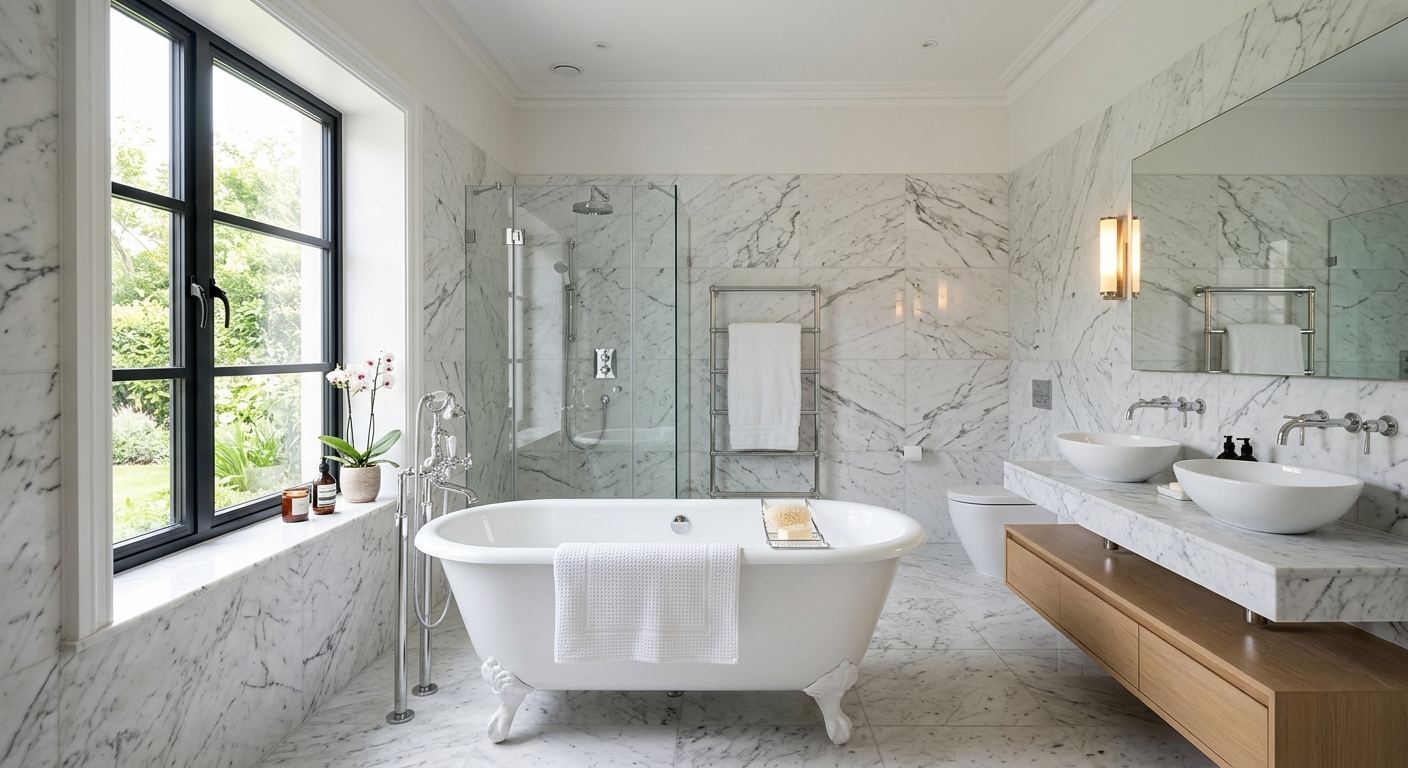
Bathroom renovation options and costs in Grimshaw
Grimshaw is a practical place to plan a bathroom renovation because most homeowners are working with an older housing base: 54.2% of homes were built before 1981 (Statistics Canada, 2021 Census), so you’ll commonly see dated drain routing, older electrical patterns, and materials that need careful inspection. With 70.4% of households owning their homes (Statistics Canada, 2021 Census), many upgrades are designed to last rather than just “refresh and hope.” In the Athabasca–Grande Prairie–Peace River region, costs are shaped more by local labour availability and the typical need for plumbing/venting corrections than by day-to-day climate. Still, the region’s long cold season and indoor moisture cycles make proper ventilation and waterproofing non-negotiable—contractors will usually price for an exhaust strategy that actually dries the space, not just a fan “in principle.”
If you’re near or renovating in the downtown area of Grimshaw (near Main Street/central services), demand is often higher because access is easier for trade crews and materials deliveries, and that can tighten schedules. On older homes, it’s also common for crews to budget contingency for hidden issues after the first wall board comes down—this is why the same “3-piece bathroom” can land in different bands. As a starting point, most full renovations in this market fall between $14,000–$32,000, while cosmetic work is typically much lower. Use the comparison below to choose an option that matches your goals before you shop quotes.
| Renovation Scope |
What's Included |
Typical Duration |
Price Range |
| Cosmetic refresh (paint, fixtures, accessories only) |
New paint (walls/ceiling), replace vanity/faucet, upgrade lighting and accessories, re-caulk, replace mirror, swap toilet only if unchanged plumbing, no tile demolition beyond spot touch-ups |
2–4 days |
$3,000–$8,000 |
| Mid-range full renovation (new tile, vanity, tub/shower, electrical) |
Demolition, new tile floor and surround, new vanity and toilet, replace tub/shower unit, ventilation/exhaust upgrade, basic electrical updates (GFCI/lighting), plumbing alignment as required, waterproofing system, disposal |
7–12 days |
$14,000–$22,000 |
| High-end full renovation (custom tile, steam shower, heated floors) |
Full demolition, custom shower with premium tile, steam-ready system (where applicable), heated floors with proper substrate prep, higher-end fixtures, enhanced lighting plan, upgraded waterproofing/membrane, coordinated plumbing/electrical rough-in, extended warranty options |
2–3+ weeks |
$22,000–$32,000 |
| Shower-only installation (convert tub to walk-in shower) |
Remove tub, new shower receptor/pan and waterproofing, tile or surround, new shower valve/trim, glass door or fixed panel (as quoted), ventilation check, electrical lighting and fan as needed |
5–10 days |
$9,000–$18,000 |
| Bathtub replacement or tub-liner install |
Option A: remove existing tub and set new alcove tub + re-tile small areas; Option B: tub-liner install prep and sealing, new caulking/surface finishing; typically no major plumbing relocation |
2–6 days |
$1,500–$9,000 |
| Tile-only installation (floor + surround, existing layout kept) |
Tile floor and wall surround, waterproofing to code, grout/seal finishing, replace damaged subfloor/board as needed (if discovered), match existing fixtures (no major rough-in) |
5–9 days |
$2,000–$12,000 |
Prices are estimates only and vary by project scope, site access and material selection.
What affects the price of bathroom renovation in Grimshaw
In Grimshaw and the broader Athabasca–Grande Prairie–Peace River region, two quotes for what sounds like the same bathroom can vary by 30–50%. The biggest drivers are local labour rates and how the age of the home changes what’s hidden behind the walls. Unlike some renovations where climate is the headline, Alberta’s bathroom cost swings here are usually about labour availability (trades demand from resource-sector projects) and the “unknowns” of older systems—especially in homes built before 1981 (Statistics Canada, 2021 Census). That age often means cast-iron or older drain stacks, galvanized supply lines, and ventilation that doesn’t meet how a modern family actually showers. When rough-in needs correction, relocating plumbing can add a major chunk of scope—sometimes doubling typical plumbing budgets.
Asbestos is a real concern in pre-1985 material sets: if asbestos-containing vinyl floor tile, mastic, or older drywall compound is discovered, abatement protocols and safe handling add time and cost (often adding $1,500–$5,000+ to the budget). Here are a few concrete Grimshaw examples: (1) a tub-to-shower conversion may look “simple,” but if the drain needs re-centering, your plumber and tile setter both lose time; (2) adding a higher-capacity exhaust fan frequently means opening soffit/wall cavities for ducting and wiring; (3) replacing only visible tile sometimes ends up costing more if the subfloor is unlevel and requires prep to prevent grout cracking.
That’s also why a job that starts as a “tile-only” plan can move into the full renovation band of $14,000–$32,000 once waterproofing details, electrical safety upgrades, and plumbing rework are included.
| Price Factor |
Why It Matters |
Cost Impact |
| Layout change — moving drain or supply lines requires rough-in work |
New valve locations and slope for drains demand demolition, framing adjustments, and sometimes ceiling/wall routing |
Often increases by 10–30% over staying put |
| Tile selection — large-format porcelain vs. mosaic vs. ceramic |
Harder tile needs more precise setting, more cutting, and more labour time for patterns/edges |
Can shift the job by several thousand dollars |
| Fixture tier — builder-grade vs. mid-range vs. designer brands |
Higher tiers cost more and may require specialty trims, valves, or specific rough-in parts |
Typical swing: 5–15% of total |
| Subfloor condition — rot or unlevel concrete adds scope |
Needs repair/board replacement and proper underlayment to keep tile flat and waterproofed |
Can add 1–2 days and $1,000–$3,000+ |
| Electrical — adding GFCI outlets, exhaust fan, heated floor circuit |
Proper protection and ventilation wiring must be code-compliant and safely installed |
Often adds $500–$4,000 depending on complexity |
| Waterproofing method — membrane type and extent |
Full coverage under tile plus correct detailing at corners/curbs prevents moisture damage and callbacks |
Generally increases upfront cost but reduces failure risk |
| Older-home surprises — asbestos tile, cast-iron drains, galvanized pipes |
May require remediation, part replacement, or full section upgrades after discovery |
Can add $1,500–$5,000+ for abatement plus additional plumbing |
| Bathroom size — sq ft drives tile and labour time directly |
More floor and wall area means more setting time, thinset/membrane usage, and edging |
Small bathrooms can be 15–25% less than larger ones |
Permits & regulations in Alberta
In Alberta, cosmetic bathroom updates—like swapping a vanity, replacing fixtures, retiling without moving plumbing, or adding accessories—typically do not require a permit. Where permits come into play is when work changes the “systems” in the home. In practice, you should expect permits and inspections when you relocate plumbing (moving the drain or supply lines), add or relocate ventilation that requires new wiring/ducting, or do structural changes that affect walls or framing. Electrical work must meet Alberta code and be done or signed off by a licensed electrician, especially when you’re adding a new circuit for an exhaust fan, heated floor, or changing how outlets are protected.
A good contractor will also manage the right sequence: plumbing rough-in approvals before walls close up, electrical rough-in for fans/heated floors, and then waterproofing inspections where required by local practice and your scope. Before signing in Grimshaw, verify your contractor’s Alberta trade licence and liability insurance.
Step-by-step homeowner checklist: (1) Ask for licence numbers and check the online registry for the applicable trade; (2) request a current certificate of insurance (liability) showing coverage limits and effective dates; (3) confirm workers’ compensation coverage (WSIB/WCB) through documentation or proof letter; (4) ask whether disposal is included in the scope; (5) confirm permit responsibility—who pulls permits and pays fees; and (6) get the signed scope in writing so the inspection points are clear.
Choosing tile, waterproofing and fixtures for your Grimshaw bathroom
In Grimshaw, your bathroom budget is usually shaped by three material decisions: tile choice, waterproofing method, and fixture tier. First, tile: ceramic is the entry-level route and works well when you keep the layout simple (straight runs, standard sizes). Porcelain is denser and more consistent for floors and wet areas, and it typically installs with better long-term wear, though it can cost more and may require a more careful substrate plan. Natural stone (marble, travertine, slate) looks premium, but it adds installation complexity and maintenance considerations—especially if you want consistent colour and a finish that matches the rest of the bathroom.
Second, waterproofing: Alberta bathrooms still see seasonal indoor humidity swings, so the right waterproofing prevents mould and delamination. A paint-on membrane can be acceptable for certain systems, but for tile showers you generally want a proven, correctly detailed system—either a bonded sheet membrane or a structured approach using a well-supported system (e.g., a waterproof board or compatible membrane setup). The key is how it ties into corners, seams, and the shower curb/drain.
Third, fixtures: builder-grade units keep costs down, while mid-range improves consistency (valves, showerheads, finishes). Designer brands can be worth it for resale if the style stays timeless, but they’re not automatically “better”—they’re usually more about finish and trim.
Dollar example: moving from a ceramic tile surround to mid-range porcelain often adds a few thousand dollars, but it’s usually justified if you’re already in the $14,000–$32,000 full renovation band and you want longevity. If you’re doing a smaller, cosmetic refresh, spending heavily on tile may not pay back—your return is higher when waterproofing and ventilation are right first.
| Material / Option |
Pros |
Cons |
Price Range |
| Ceramic tile (floor + walls) |
Lower material cost, broad style selection, straightforward for standard layouts |
Can be less durable for floors than porcelain; more susceptible to chipping if subfloor is uneven |
$2,500–$10,000 |
| Porcelain tile (floor + walls) |
Better moisture and wear performance, more uniform; ideal for wet-area floors and modern looks |
Higher material cost; heavier tile may need more substrate prep for flatness |
$5,000–$16,000 |
| Natural stone (marble, travertine, slate) |
High-end appearance and depth; excellent for feature walls and luxury finishes |
More expensive; requires careful sealing/maintenance and meticulous setting; tolerances vary |
$8,000–$22,000 |
| Frameless glass shower enclosure |
Bright, modern look; easier to clean than many curtain systems |
Higher cost; needs accurate measurements and solid waterproofing base |
$2,000–$8,000 |
| Prefab tub surround (acrylic) |
Fast install; low-cost compared with full tile surrounds; good for tight timelines |
Limited style/colour options; can look less “bespoke” than tile |
$1,200–$4,500 |
| Custom shower pan (tile or linear drain) |
Improved water control; modern linear-drain look; supports full custom waterproofing detailing |
More labour and coordination; requires careful slope and drain alignment |
$3,000–$12,000 |
How to choose a bathroom renovation contractor in Grimshaw
Choosing the right contractor in Grimshaw starts with verification. In Alberta, confirm the trade licences relevant to the work (plumbing, electrical, and any specialized trades) and require documentation. For liability insurance, ask for a current certificate of insurance showing your jobsite as protected and the policy limits; it should be dated and match the company name you’re hiring. For workers’ compensation, request proof of WSIB/WCB coverage so you’re not left holding risk if a worker is injured. Then, keep the quoting process disciplined: get 2–3 itemised written quotes with a clear breakdown of labour and materials (tile, membrane, fixtures, glass, waterproofing labour, disposal), not just one lump-sum number.
Read the scope carefully. Ask what’s included for permit pulling, if applicable, what’s excluded (asbestos discovery, subfloor replacement, structural framing repairs), and whether demolition/disposal is included. Warranty matters: look for a workmanship warranty length and confirm whether it’s transferable to future owners. Also verify manufacturer warranties for products like tile systems, shower valves, and glass enclosures.
Payment schedules should be conservative. A good rule is never more than 10–15% upfront for materials mobilisation, and keep a holdback until the job is complete and verified. Finally, demand a start date and an estimated completion timeline in writing so you can plan around the working window—especially important when labour crews are in demand.
- Confirm Alberta trade licences for the exact scope (plumbing/electrical are the usual must-check items).
- Request a certificate of liability insurance and ensure dates and coverage match the hiring company.
- Provide WSIB/WCB proof for workers before work begins.
- Get itemised quotes (labour + materials + allowances) rather than a single lump sum.
- Ask whether a permit is required for your specific changes and who pulls it.
- Check what disposal is included (dump fees, hauling, recycling/diversion if offered).
- Verify waterproofing approach is specified (membrane type, where it’s applied, detailing at seams/curbs).
- Confirm substrate preparation is included (subfloor assessment, backer board/underlayment replacement rules).
- Clarify allowances for tile/fixtures/glass—are they firm or adjustable?
- Confirm schedule commitments: start date, milestones, and completion estimate in writing.
- Review warranty terms for workmanship and whether they cover common failure points (leaks, grout issues, improper sealing).
- Keep payment down: only small upfront deposit and hold back until punch list is done.
Red flags I see in Grimshaw: (1) quotes that are not itemised and don’t name a waterproofing system; (2) a contractor who won’t put permit responsibility and exclusions in writing; (3) missing or outdated insurance/WSIB/WCB proof; (4) very low pricing that doesn’t account for older-home rough-in corrections; and (5) pressure to pay large deposits before demolition or before you’ve approved final selections.
Frequently asked questions — bathroom renovation in Grimshaw
How do I compare bathroom renovation quotes?
In Grimshaw, compare quotes the same way I do on site: scope first, then allowances. Look for itemised labour and materials—especially waterproofing, tile setting, and whether an exhaust fan upgrade is included. A “full renovation” should describe what’s new (tile floor/surround, vanity, toilet, tub/shower, lighting) and what’s staying. If one quote lands in the $14,000–$22,000 band and another jumps closer to $22,000–$32,000, ask what changed: plumbing rough-in corrections, glass enclosure, heated floors, or higher-end tile and fixtures. Also confirm permit responsibility (if any) and whether disposal is included. Quotes that omit these details often create cost surprises after walls come down.
Can I live at home during a bathroom renovation in Grimshaw?
Sometimes, but it depends on whether you can keep a functional bathroom for daily use. For a cosmetic refresh, you can often stay in the home because the work is usually fast and localized. For mid-range or full renovations, most homeowners in Alberta plan a “mostly staying home” approach, but you may lose shower access during demolition and waterproofing. If you’re converting a tub to a walk-in shower, schedule showers around rough-in and tile drying times. The best contractors will set clear staging: dust containment, bathroom traffic control, and protection for nearby finishes. If the job will take 1–2 weeks or more, consider a temporary plan (neighbour showers or a short motel stay) to avoid rushed compromises—especially in older homes where plumbing upgrades can extend timelines.
What's the best bathtub material for a Grimshaw home?
For Grimshaw homes, the “best” bathtub material is usually the one that fits your installation conditions and your long-term maintenance needs. If your goal is durability without big layout changes, a quality acrylic alcove tub is commonly the practical choice: it’s lighter than cast iron, easier to install, and typically costs less than specialty systems. Cast iron is very durable but heavier and can complicate installation in older homes with older subfloors. If you’re doing a simple replacement, bathtub work can land around $1,500–$9,000 depending on whether you’re replacing or adding a liner and how much rework is needed. In pre-1981 houses, we also check drain condition and supply lines before deciding—because hidden plumbing issues matter as much as the tub material.
Is it worth renovating a bathroom before selling in Grimshaw?
Often it’s worth it if you’re upgrading the right elements buyers notice: clean tile, fresh ventilation performance, modern lighting, and fixtures that look current. In a market like Grimshaw, where many homes are owner-occupied (70.4% owner households, Statistics Canada, 2021 Census) and a majority of dwellings are older (54.2% built before 1981), buyers commonly expect upgrades that address maintenance and moisture risk. A cosmetic refresh can help for a quick “move-in ready” feel, while a full renovation is more compelling when plumbing/venting upgrades are needed. If your current bathroom shows slow drainage, poor exhaust, or failing caulking, fixing those can improve buyer confidence and reduce negotiation pressure. That said, if the layout is very dated, be realistic about budget: full renovations typically sit in the $14,000–$32,000 range.
How do I plan a bathroom renovation on a tight budget in Grimshaw?
Start by protecting your “must-do” items: waterproofing and ventilation are the budget priorities that prevent future mould and leaks in Alberta’s indoor moisture cycles. Then choose a scope strategy. If your layout is workable, keep plumbing where it is and consider tile-only or a mid-range renovation focused on the high-impact surfaces. Cosmetic refreshes are the lowest-cost route, but make sure any exhaust fan upgrades are still addressed if yours is weak. For budget control, request quotes with allowances and ask what increases cost fastest—usually moving drains/supplies, adding heated floors, or premium glass. If you convert a tub to a shower, treat it as a mid-scope project and expect higher plumbing complexity. Many Grimshaw homeowners land in the $14,000–$22,000 band for “best value” full renovations when they avoid unnecessary layout changes.
What's the difference between a cosmetic and a full bathroom renovation?
A cosmetic renovation in Alberta typically means no major demolition: you refresh finishes like paint, swap accessories, update a vanity or lighting, and replace fixtures if plumbing locations stay the same. A full renovation involves demolition to the substrate, replacing or rebuilding the waterproofed surfaces, and usually updating electrical and ventilation—especially if you’re changing a tub/shower, retiling extensively, or improving function. In older Grimshaw homes (many built before 1981, Statistics Canada, 2021 Census), full renovations often require plumbing and sometimes electrical corrections once walls open. That scope is reflected in pricing: cosmetic work often sits well below the full renovation range, while full renovations commonly fall between $14,000–$32,000 depending on finishes, tile complexity, and hidden issues discovered behind the walls.