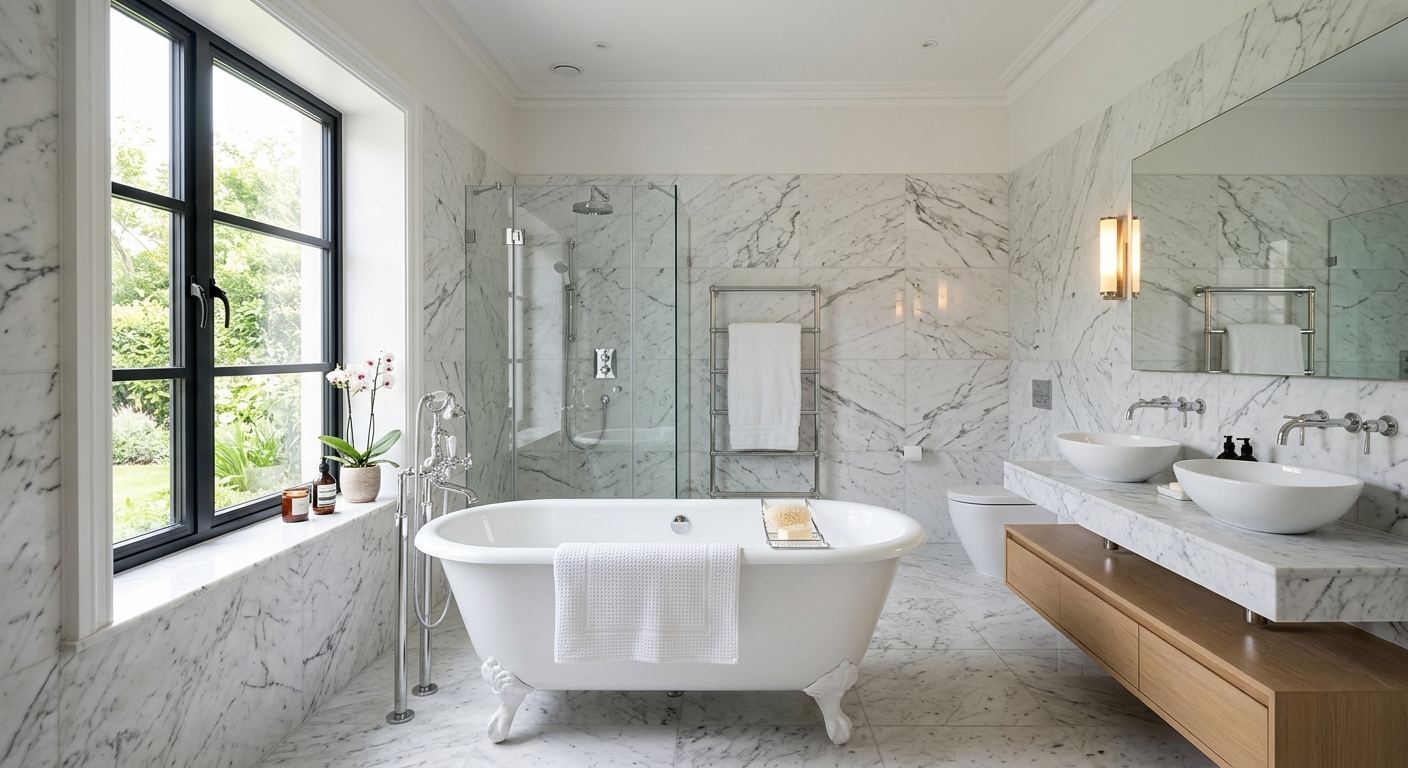
Bathroom renovation options and costs in Panorama Hills
Panorama Hills homeowners usually start by asking what a “typical” bathroom reno costs, but the right comparison depends on how old the home is and what’s hidden behind the walls. In Panorama Hills, the community’s population is 25,535 (Statistics Canada, 2021 Census), and many residences in this part of Calgary’s northeast were built during earlier development cycles—meaning older plumbing layouts, dated drain conditions, and occasional asbestos-containing materials in floor tile or older drywall compounds. That’s why a bathroom that looks tired on the surface can quickly reveal rough-in upgrades, subfloor repairs, or ventilation corrections once demolition begins.
In the Calgary economic region, renovation pricing is driven more by local labour rates and the age/condition of the housing stock than by climate extremes. Alberta winters make humidity control non-negotiable, but contractors plan around moisture and temperature with proper ventilation and waterproofing rather than “weatherproofing premiums.” Where costs swing is labour availability, trade coordination (plumber + electrician + tile setter), and whether hidden materials change the scope. Contractors in demand around Panorama Hills—especially near the major busier corridors like 60 Street N.E.—are often booked quickly because multiple homes in the area get updated in the same season.
Use the ranges below to anchor your budget, then we’ll narrow it based on whether you’re refreshing surfaces or changing the plumbing, tile, and finishes.
| Renovation Scope |
What's Included |
Typical Duration |
Price Range |
| Cosmetic refresh (paint, fixtures, accessories only) |
Paint, mirror/lighting swaps, vanity accessory refresh, toilet/vanity fixture replacements if existing rough-in stays, basic caulking and re-sealing |
2–5 days |
$3,000–$8,000 |
| Mid-range full renovation (new tile, vanity, tub/shower, electrical) |
Demolition, new vanity + countertop, tub/shower or surround tile, updated exhaust fan and/or GFCI, new flooring, waterproofing, trim/paint |
2–4 weeks |
$15,000–$22,000 |
| High-end full renovation (custom tile, steam shower, heated floors) |
Designer tile layout, custom shower/tub package, steam or advanced shower system, heated floor circuit, premium plumbing fixtures, expanded waterproofing, custom millwork details |
4–7 weeks |
$22,000–$30,000 |
| Shower-only installation (convert tub to walk-in shower) |
Remove tub, install walk-in shower base, tile surround, waterproofing, new valve trim (as needed), improved ventilation |
2–3 weeks |
$12,000–$20,000 |
| Bathtub replacement or tub-liner install |
Replace tub with comparable unit and finishes, or install quality tub-liner system where appropriate; re-caulk and seal; minor trim and plumbing hookup |
3–7 days |
$500–$3,000 |
| Tile-only installation (floor + surround, existing layout kept) |
Remove existing tile (as required), prep and level, waterproofing (typically included), set new tile for floor and shower/tub surround, grout/seal |
1–3 weeks |
$3,000–$12,000 |
Prices are estimates only and vary by project scope, site access and material selection.
What affects the price of bathroom renovation in Panorama Hills
Even when two homeowners in the Calgary economic region choose similar fixtures, bathroom renovation quotes can differ by 30–50%. The biggest reasons aren’t the weather—they’re regional labour rates and what a contractor uncovers when the walls come open. In older Panorama Hills homes, hidden-scope work is common: cast-iron or older drain stacks that need replacement, galvanized supply lines that can’t be reused safely, and ventilation that’s insufficient for the humidity load created by showers. If asbestos is discovered in older vinyl floor tile or legacy drywall compounds (often in homes built before typical modern abatement standards), the project scope can expand quickly due to containment and disposal protocols, sometimes adding $1,500–$5,000+ to the budget depending on extent.
Here are a few concrete examples I see often. First, keeping the existing plumbing layout usually keeps your mid-range full renovation closer to the $15,000–$22,000 band; moving a drain or supply line forces rough-in work, patching, and longer coordination time with trades. Second, large-format porcelain tile can reduce grout lines and look high-end, but it demands flatter substrates—if the subfloor is unlevel or has rot, the “tile-only” job can drift toward a full renovation timeline. Third, adding heated floors increases electrical planning and requires proper waterproofing continuity; it can be a great upgrade, but it tends to push projects toward the higher end where $22,000–$30,000 budgets are common for premium builds.
So while Alberta’s climate influences moisture control, in Panorama Hills the real cost drivers are the housing stock age, concealed plumbing conditions, and the amount of waterproofing and electrical work needed to meet performance expectations.
| Price Factor |
Why It Matters |
Cost Impact |
| Layout change — moving drain or supply lines requires rough-in work |
New wall chase and subfloor work, re-routing piping, and additional waterproofing transitions |
Often +$2,000–$7,000 |
| Tile selection — large-format porcelain vs. mosaic vs. ceramic |
Material cost and labour time increase with harder cuts, pattern matching, and substrate prep |
Often +$500–$4,000 |
| Fixture tier — builder-grade vs. mid-range vs. designer brands |
Valve trims, faucets, and toilets vary widely; premium units can also require more precise installation |
Often +$1,000–$6,000 |
| Subfloor condition — rot or unlevel concrete adds scope |
Weak substrate triggers rebuilds, flattening, additional membranes, and longer drying/inspection time |
Often +$1,500–$8,000 |
| Electrical — adding GFCI outlets, exhaust fan, heated floor circuit |
Licensed electrical time, new wiring pathways, and higher parts cost |
Often +$800–$4,500 |
| Waterproofing method — membrane type and extent |
Coverage behind niches, around valves, and over prep surfaces affects labour and materials |
Often +$400–$3,000 |
| Older-home surprises — asbestos tile, cast-iron drains, galvanized pipes |
Abatement/disposal procedures and plumbing replacement add both time and risk management |
Often +$1,500–$10,000+ |
| Bathroom size — sq ft drives tile and labour time directly |
More surface area means more tile, more prep, more waterproofing and longer build time |
Often +$1,000–$6,000 |
Permits & regulations in Alberta
In Alberta, many “cosmetic” bathroom updates typically do not require a permit. Swapping fixtures without changing plumbing—like replacing a vanity, mirror, lighting, toilet, or retiling using the same layout—usually falls into the low-risk category. Where permits do enter the picture is when you change the building systems: relocating plumbing (moving the drain or supply lines), adding or relocating an exhaust fan when new wiring is required, and any structural wall work or framing changes. Electrical work must meet the provincial code and be completed by (or signed off by) a licensed electrician—especially when adding a new circuit, installing heated floors, or adjusting GFCI protection.
For plumbing rough-in changes, expect a permit and inspection cycle if you alter drain/supply piping locations. If asbestos is suspected during demo (commonly in older vinyl floor tile or older finishes), it should be handled under appropriate abatement practices and documentation as required for worker safety and proper disposal—this is a scope item that should be confirmed before demolition proceeds.
Step-by-step for Panorama Hills homeowners:
- Ask the contractor for their Alberta trade licence number (plumbing or electrical as applicable) and confirm it on the official Alberta registry or the trade’s online verification portal.
- Request a certificate of insurance showing liability coverage (and ensure the contractor is named correctly).
- Confirm WCB/WSIB coverage for workers (in Alberta, look for WCB clearance/documentation; request proof of coverage).
- When the contractor proposes permits, ask: “Is the permit included in your quote, and who pulls it?”
- Get it in writing: inspections, disposal, and any contingency for concealed repairs.
If a quote is vague about who handles permits or who completes licensed work, treat it as a red flag and ask for clarification before scheduling demo.
Choosing tile, waterproofing and fixtures for your Panorama Hills bathroom
In Panorama Hills, the biggest budget-shapers are usually tile choice, waterproofing strategy, and fixture tier—not just the visible trim. (1) Tile choice: ceramic tile is a solid entry-level option, but it’s typically less forgiving in wet-room performance and tends to cost more in labour when you need extensive prep or frequent replacement of cracked or uneven sections. Porcelain tile (mid-range) handles moisture and durability well, and the real savings often come from fewer failures and more consistent long-term appearance. Natural stone (marble, travertine, slate) looks premium but can require more specialized installation and sealing maintenance, which affects both cost and upkeep.
(2) Waterproofing method: for Alberta bathrooms, the goal is to stop moisture migration and manage steam cycles. Paint-on membrane can work for some applications, but in shower areas I often see better results with bonded sheet membranes or a proven membrane system. Choosing the right system helps prevent mould and efflorescence—especially where winter condensation and repeated shower use are common.
(3) Fixture tier: builder-grade fixtures keep initial costs down, while mid-range and designer brands can improve comfort and reliability (especially valves, showerheads, and exhaust fan performance). For resale, a functional layout with good ventilation and quality waterproofing tends to outlast trendy finishes.
Where the price difference is justified: if you’re choosing between $3,000–$12,000 for tile-only work and a full renovation, don’t “buy down” waterproofing quality to save money. A mid-range shower and surround typically align with the $15,000–$22,000 band when electrical and waterproofing are done properly; cutting waterproofing shortcuts often becomes expensive later.
| Material / Option |
Pros |
Cons |
Price Range |
| Ceramic tile (floor + walls) |
Lower material cost, straightforward installation with basic prep, good for entry-level bathrooms |
Less durable than porcelain for heavy wet-room use; can show wear faster |
$3,000–$7,500 |
| Porcelain tile (floor + walls) |
Better moisture resistance, more design options (sizes and textures), longer-lasting finish |
Can require flatter substrates; larger formats may increase labour |
$6,000–$12,000 |
| Natural stone (marble, travertine, slate) |
High-end look, unique variation, premium perceived value |
More expensive materials; sealing and careful maintenance required |
$10,000–$18,000 |
| Frameless glass shower enclosure |
Modern look, easier visual cleaning, fits well with custom tile |
Higher glass hardware cost; requires precise framing and strong waterproofing |
$2,500–$6,500 |
| Prefab tub surround (acrylic) |
Fast installation, predictable results, typically easier cleanup and sealing transitions |
Limited design flexibility; impacts resale “tile look” preference |
$500–$3,000 |
| Custom shower pan (tile or linear drain) |
Fully integrated, can improve drainage and accessibility; sleek linear drain look |
Requires careful slope, waterproofing detailing, and more labour time |
$1,800–$7,500 |
How to choose a bathroom renovation contractor in Panorama Hills
Start by verifying Alberta licensing and coverage. If the project involves electrical work, the contractor should coordinate with—or use—a licensed electrician for wiring changes, GFCI additions, exhaust fan installs, and heated floor circuits. For plumbing rough-ins or relocating drain/supply lines, confirm the contractor’s plumbing licence (or subcontractor licence) and ask for proof of liability insurance. Also request WCB/WSIB clearance documentation so you know the crew is covered if there’s an incident on site.
Next, get 2–3 itemised written quotes. You want line items for demolition, framing/repairs, waterproofing, tile labour, fixtures, electrical/plumbing labour, permit pull (if needed), and disposal. Avoid “all-in” lump sums that hide scope changes—bathrooms in Panorama Hills can uncover subfloor damage or older plumbing conditions once walls are opened. A good contractor will include a realistic allowance and explain contingency.
Read the scope carefully for exclusions: What’s not included (moving laundry? drywall patch only? ceiling repairs?) How disposal is handled, and whether permit fees are included. Look at warranty: workmanship warranty length and whether it’s transferable if you sell the home. Finally, keep payment sensible—never pay more than about 10–15% upfront, and hold back a portion until the job is complete and punch-list items are addressed.
Get a start date and completion estimate in writing, including scheduling for inspections if permits are required. Bathrooms typically run into delay when trades overlap without coordination, so insist on a clear sequence.
- Request their Alberta trade licence numbers for the work they’re doing (plumbing/electrical as applicable).
- Ask for a certificate of liability insurance and confirm the insured party name matches the contractor entity.
- Get WCB/WSIB clearance documentation before work begins.
- Ensure quotes are itemised (labour + materials), not just one total.
- Confirm who pulls permits and whether permit costs are included.
- Verify disposal is included (dump fees, drywall/tile hauling).
- Ask how waterproofing is installed and what system is used (membrane type and coverage areas).
- Review tile prep requirements (leveling, backer board, crack isolation).
- Check timeline assumptions: when the plumber and electrician will be scheduled.
- Confirm warranty terms for workmanship and whether it’s transferable.
- Set a payment schedule: 10–15% max upfront, progress payments, holdback at completion.
- Make sure the contract includes a clear change-order process and written approvals.
In Panorama Hills, common red flags include: quotes with no permit/disposal/waste line items, no written waterproofing details, pressure for large upfront payments, vague warranties (“materials only” or no workmanship coverage), and contractors who refuse to provide insurance/WCB proof or itemised breakdowns.
Frequently asked questions — bathroom renovation in Panorama Hills
What’s the best tile for a bathroom in Panorama Hills?
For most Panorama Hills bathrooms, porcelain tile is the best balance of durability and long-term appearance, especially in shower and wet-room zones. Ceramic tile can work on a budget, but porcelain’s moisture resistance and strength generally reduce the odds of grout staining and early wear where Alberta families use showers frequently. If you’re keeping costs closer to the tile-only band of $3,000–$12,000, choose porcelain in the right format for your layout and invest in proper substrate prep and waterproofing detailing—this is where showers usually fail, not on the tile brand. In older housing stock around Calgary, a level substrate matters more because hidden subfloor issues can show up once surfaces are removed. (Statistics Canada, 2021 Census shows Panorama Hills’ population at 25,535; that level of demand keeps quality tile labour in rotation.)
Should I do a tub-to-shower conversion?
A tub-to-shower conversion is usually a good move if you want easier daily use and fewer “maintenance headaches” (recaulking tub edges and liners). In Panorama Hills, it often also pairs well with a ventilation upgrade, which matters for moisture control during Alberta winter humidity swings. Cost-wise, a walk-in shower install commonly lands in the range of $8,000–$15,000 for shower installation, but the true total depends on whether plumbing is moved and how much tile and waterproofing complexity you add. If your tub footprint matches the existing valve location, you may keep closer to the lower end; if the drain or supply lines need re-routing, budgets often drift upward toward mid-range full renovation territory.
How do I prevent mold in a Panorama Hills bathroom?
Mold prevention starts with controlling moisture at the source: proper shower waterproofing and strong exhaust ventilation. In Alberta, baths and showers create humid air that can condense in colder months, and if the bathroom doesn’t exchange air efficiently, damp surfaces and grout lines become problem areas. Use a reliable waterproofing system for shower areas (membrane type and correct overlaps at corners and transitions), and ensure the exhaust fan is properly sized and vented. Avoid “waterproofing only the visible floor”—waterproofing must cover the full shower base and transitions. Also, manage grout and caulk quality: good curing time and correct silicone selection matter. A well-done mid-range reno that includes electrical and fan work can land in the $15,000–$22,000 band, and that ventilation scope is often what protects the investment long term.
What adds the most resale value in a bathroom reno?
In the Calgary market served by Panorama Hills, resale value typically tracks functional improvements first: a clean, modern layout; reliable waterproofing; good lighting and ventilation; and fixtures that look current without being overly trendy. Buyers notice whether the shower walls feel solid, whether the floor is level and properly finished, and whether there’s a quality exhaust fan that vents outside. Upgrading plumbing (when required), ensuring safe electrical (GFCI protection and correct wiring), and using durable tile finishes tend to have the strongest payoff. If you’re budgeting, many homeowners choose a mid-range full renovation in the $15,000–$22,000 range because it balances finish upgrades with the “hidden work” that prevents future issues.
Can I keep my existing plumbing layout to save money?
Yes—keeping your plumbing layout is one of the most effective ways to save money in Panorama Hills. When you avoid moving drains and supply lines, you typically reduce rough-in demolition, minimize patching and framing, and lower the risk of discovering more work behind the walls. That’s why quotes for “same location” renos often sit closer to the lower end of mid-range projects, while layout changes can add significant scope due to rough-in, inspection, and longer coordination. If your vanity is the same footprint and your shower/tub valve stays where it is, you can usually focus on tile, waterproofing, and fixture refresh. Just remember: even with layout kept, older homes can still require plumbing repairs (for example, cast-iron or galvanized components) once opened.
How much does a walk-in shower cost in Panorama Hills?
A walk-in shower cost in Panorama Hills typically falls within the shower installation range of $8,000–$15,000, assuming you’re converting from a tub and keeping plumbing mostly in the same locations. If you’re moving the drain or supply lines, upgrading the electrical for an improved exhaust fan, or choosing higher-end tile and a frameless glass enclosure, it can move upward into mid-range full renovation territory. Also consider heated flooring or linear drains, which add complexity and electrical planning. For the most accurate budget, ask for an itemised quote that separates shower base/pan work, waterproofing, tile labour, plumbing changes, electrical scope, and the cost of glass hardware.