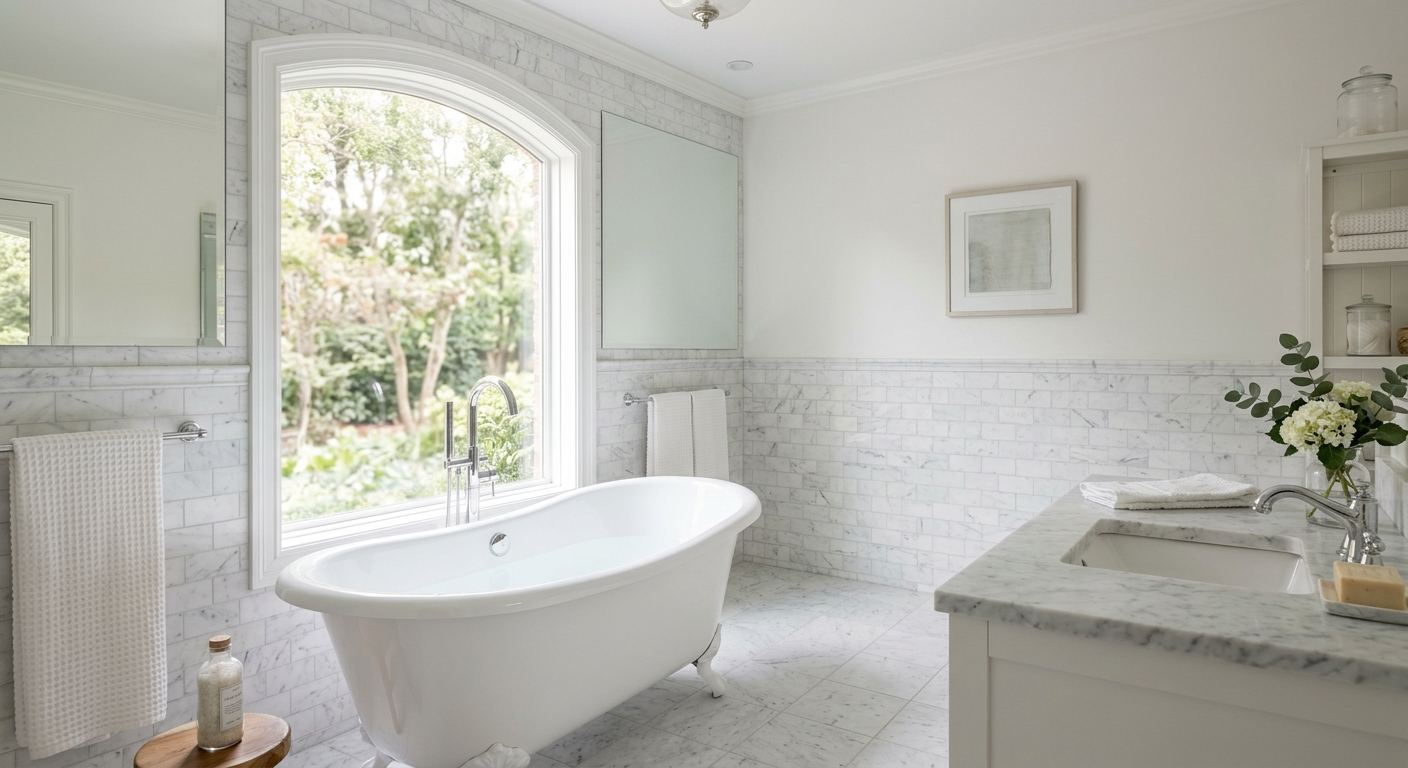
Bathroom renovation options and costs in Burnaby
Renovating a bathroom in Burnaby can range from a quick refresh to a full gut-and-rebuild, and the difference usually comes down to how much plumbing, electrical, and waterproofing gets touched. Burnaby’s housing stock is a big reason—around 35.5% of homes were built before 1981 (Statistics Canada, 2021 Census). In those older layouts, contractors often discover dated drain stacks, older supply runs, and sometimes asbestos-containing materials in older floor tile, drywall compound, or insulation, which can change the scope fast. On the other hand, Burnaby’s mix of homeowner households—61,185, with 60.5% owning (Statistics Canada, 2021 Census)—means many projects are planned with longer-term comfort and resale in mind, not just immediate aesthetics.
In the Lower Mainland–Southwest, bathroom budgets are driven more by labour rates and the age of nearby homes than by weather. Metro Vancouver trades are in consistently high demand, so plumbers, tilers, and electricians can book out earlier, and their hourly and mobilization costs stay elevated. Climate still matters indirectly: the region’s persistent indoor humidity makes waterproofing quality non-negotiable—cheap membranes or shortcuts can show up as grout failure, soft substrates, and recurring mould. Areas where we see especially strong demand include the Brentwood/Town Centre corridor and nearby Lougheed Highway-adjacent neighbourhoods, where many mid-century and pre-1980 homes sit close to transit and have active renovation pipelines.
Use the options below as a practical starting point, then match scope to your budget in the comparison table.
| Renovation Scope |
What's Included |
Typical Duration |
Price Range |
| Cosmetic refresh (paint, fixtures, accessories only) |
Paint, vanity faucet/fixtures, light fixtures (if existing circuit), toilet refresh (if replacing like-for-like), mirrors, towel bars, caulking, accessory upgrades |
2–5 days |
$3,000–$8,000 |
| Mid-range full renovation (new tile, vanity, tub/shower, electrical) |
Remove and replace floor/wall tile, new vanity and countertop, bathtub or tub-shower surround replacement, exhaust fan upgrade, GFCI protection where required, new waterproofing, disposal and haul-away |
2–4 weeks |
$18,000–$32,000 |
| High-end full renovation (custom tile, steam shower, heated floors) |
Designer tile layout, heated floor system, custom shower/tub valving, steam-ready components, upgraded exhaust and electrical detailing, higher-end fixtures, premium waterproofing system |
4–8 weeks |
$32,000–$45,000 |
| Shower-only installation (convert tub to walk-in shower) |
Remove tub, rough-in adjustments as needed, new shower pan and waterproofing, tile surround, new valve/trim, glass or curtain hardware, new exhaust fan tie-in if required |
2–5 weeks |
$15,000–$25,000 |
| Bathtub replacement or tub-liner install |
Remove old tub (or install liner where appropriate), re-caulk and re-seal, connect plumbing for like-for-like, surface prep, basic surround refresh and leak testing |
3–10 days |
$2,500–$6,000 |
| Tile-only installation (floor + surround, existing layout kept) |
Demo and prep to sound substrate, waterproofing to manufacturer specs, floor and wall tile installation, grout, sealing and transitions; fixtures kept unless noted |
1–3 weeks |
$6,000–$10,000 |
Prices are estimates only and vary by project scope, site access and material selection.
What affects the price of bathroom renovation in Burnaby
In Burnaby and across the Lower Mainland–Southwest, the same “bathroom renovation” can come in 30–50% apart between quotes because the hidden work varies once walls and floors come off. In other words, two contractors can both say “full reno,” but one may discover and price the upgrades needed to bring older plumbing and electrical up to current British Columbia expectations, while another may underestimate demo, patching, disposal, and waterproofing detailing. When you’re comparing options, labour rate differences and the age of local homes are typically bigger cost drivers than day-to-day climate—Metro Vancouver’s skilled trades are consistently in high demand, so timelines and labour costs stay firm.
Older housing stock is the trigger. In pre-1980 homes, it’s common to find galvanized or ageing supply lines, cast-iron or older drain components, and sometimes inadequate ventilation pathways. If an exhaust fan upgrade requires new wiring and a properly sized duct route, the budget moves quickly. For example, if you’re starting from the mid-range band (often around $18,000–$32,000) and you uncover poor subflooring or a drain section that needs replacement, it can push you toward high-end territory ($32,000–$45,000) even if the fixture list doesn’t change. Asbestos is another swing factor: if asbestos-containing material is found in older vinyl floor tile or drywall compound, abatement protocols can add roughly $1,500–$5,000+ depending on extent and containment.
Concrete examples we see in Burnaby: (1) moving a drain for a new shower configuration can require rough-in work and more tile re-layout; (2) large-format porcelain may save grout lines but adds labour for substrate prep and layout accuracy; (3) adding heated floors requires electrical planning and proper waterproofing sequencing, increasing both materials and install time.
| Price Factor |
Why It Matters |
Cost Impact |
| Layout change — moving drain or supply lines requires rough-in work |
Changing plumbing positions often means opening more wall/floor area and reworking venting/drain connections |
+5% to +20% depending on what must be opened and how much re-tiling is required |
| Tile selection — large-format porcelain vs. mosaic vs. ceramic |
Harder tile types demand better substrate prep, more cutting, and different installation systems |
+2,000 to +8,000 |
| Fixture tier — builder-grade vs. mid-range vs. designer brands |
Higher-end faucets, valves, and trims often cost more and may require specialized installs |
+1,500 to +7,500 |
| Subfloor condition — rot or unlevel concrete adds scope |
Water damage or uneven substrate increases prep time and may require reinforcement or replacement |
+1,000 to +6,000 |
| Electrical — adding GFCI outlets, exhaust fan, heated floor circuit |
Bathrooms need safe, code-compliant circuits and properly vented exhaust |
+500 to +4,500 |
| Waterproofing method — membrane type and extent |
Better systems reduce long-term failure risk in a humid indoor environment |
+800 to +3,500 |
| Older-home surprises — asbestos tile, cast-iron drains, galvanized pipes |
Discovery can trigger additional trades, testing/abatement, and emergency rework |
+1,500 to +10,000+ |
| Bathroom size — sq ft drives tile and labour time directly |
More surface area means more waterproofing, thinset, labour hours, and trim work |
Varies widely; typically +3% to +25% by size and complexity |
Permits & regulations in British Columbia
In British Columbia, cosmetic updates are usually straightforward: swapping fixtures and accessories, repainting, replacing a vanity, or retiling without moving plumbing typically do not require a permit. However, in Burnaby, the moment you start relocating plumbing (moving a drain or supply line), changing structural walls, or adding an exhaust fan tied to new ducting and electrical, you’re usually in permit territory. Electrical must comply with the provincial code and be performed by a licensed electrician—or signed off by one—especially when you add circuits, change wiring for lighting/exhaust, or install heated floor systems.
Plumbing rough-in changes generally require a permit and inspection. That means if you’re converting a tub to a walk-in shower and reworking the shower drain/valve location, expect permitting and rough-in inspections before tile goes down. Also, if your renovation disturbs older assemblies, you may need additional steps for safe handling of suspect materials.
To verify a contractor’s legitimacy in Burnaby, ask for:
- BC trade licence: check the relevant online registry for the contractor and/or trades involved.
- Liability insurance: request a current certificate of insurance showing coverage limits appropriate for renovations.
- WSIB/WCB coverage: obtain a clearance letter or documentation confirming coverage for workers.
- Written proof that disposal and any required permitting are handled under their scope (or clearly itemized if separate).
Choosing tile, waterproofing and fixtures for your Burnaby bathroom
In Burnaby, your biggest budget levers are the material stack-up: (1) tile choice, (2) waterproofing method, and (3) fixture tier. These decisions aren’t just about looks—they change labour time, substrate prep, and failure risk in a region where bathrooms are frequently humid. For tile, ceramic is the entry-level option for floor and wall, but it can be less forgiving when the substrate isn’t perfectly flat. Porcelain usually costs more but handles moisture better and is commonly used for both floors and wall surrounds with tighter tolerances. Natural stone (marble, travertine, slate) looks high-end, yet it often needs sealing and careful selection to manage variation; installation can be more labour-intensive due to layout and finishing.
Waterproofing is where BC bathrooms succeed or fail. A paint-on membrane can be a budget-friendly option for certain systems, but bonded sheet membranes or a proven schluter-style approach often provide a more robust, predictable barrier when installed correctly. The right choice depends on your shower construction and substrate. For fixtures, moving from builder-grade to mid-range or designer brands can change both upfront cost and long-term satisfaction—especially for valves, shower trims, and toilet performance.
Here’s a practical dollar example: if you’re choosing between standard ceramic and mid-range porcelain for a typical tub surround and bathroom floor, the material difference might be a few thousand dollars. That cost can be justified when you’re also upgrading to a more reliable waterproofing approach, because you’re paying labour for demo and tile removal only once—so “saving” on tile can cost more if it leads to earlier replacement.
| Material / Option |
Pros |
Cons |
Price Range |
| Ceramic tile (floor + walls) |
Best value, wide style selection, good for wall applications |
May require more careful prep for floors; can be less forgiving if substrate moves |
$2,000–$5,500 |
| Porcelain tile (floor + walls) |
Denser and more moisture-tolerant, cleaner finish options, ideal for humid bathrooms |
Higher material cost; best results depend on excellent layout and flatness |
$4,000–$8,000 |
| Natural stone (marble, travertine, slate) |
Luxury look and unique veining; strong visual impact for resale |
Requires sealing/maintenance; more cutting/layout time; can be pricier overall |
$7,000–$15,000 |
| Frameless glass shower enclosure |
Brightens the space, modern look, easier to clean than curtains |
Needs accurate tile tolerances and careful installation; cost rises with custom sizes |
$2,000–$6,500 |
| Prefab tub surround (acrylic) |
Fast install, predictable waterproofing in many systems, often reduces tile labour |
Limited design compared to full tile; seams and transition details still matter |
$1,500–$4,000 |
| Custom shower pan (tile or linear drain) |
Best long-term performance when built on a proper waterproofing system; clean drainage lines |
More specialized build steps; increased coordination and labour |
$3,500–$10,000 |
How to choose a bathroom renovation contractor in Burnaby
Choosing the right contractor in Burnaby starts with proof of qualification. In British Columbia, verify the contractor’s relevant trade licensing for the work they perform, and request documentation for liability insurance and WSIB/WCB coverage. You can check licensing through the appropriate BC online registry, then ask for their certificate of insurance and a clearance letter (or similar documentation) confirming coverage for their workers. If they can’t provide these promptly, move on—bathrooms involve plumbing, electrical, and waterproofing, so accountability matters.
Next, get 2–3 itemised written quotes, not lump sums. A strong quote breaks out labour and materials (tile, membrane, cement board/backer system, fixtures, shower valve/trim, electrical/exhaust components, disposal, and any permit or inspection fees if included). Read the scope line-by-line: what’s excluded (e.g., subfloor repairs, asbestos investigation/abatement, glass enclosure)? Is disposal included? Are permits pulled as part of the job or separate add-ons? Finally, confirm warranty details: workmanship warranty length and who covers it, plus manufacturer product warranties (and whether they’re transferable to you).
For payment, never let a deposit exceed about 10–15% upfront. Use holdback until the bathroom is complete and leak-tested, and ensure progress payments align with milestones. Also insist on a start date and a completion estimate in writing so you’re not left waiting on trades.
- Trades licensing and proof of insurance available before contract signing
- WSIB/WCB coverage clearance letter for workers
- Itemised quote with separate labour/materials and allowances
- Clear scope on what’s included vs excluded (permits, disposal, repairs)
- Waterproofing system named (membrane type, how it’s applied, where)
- Mock-up or sample process for tile layout and colour selection
- Leak-testing steps documented before closing walls
- Warranty: workmanship + product warranties, and transferability
- Payment schedule capped at 10–15% deposit + holdback
- Start date and realistic schedule for trades sequencing
- Written confirmation of lead times for glass, valves, and heated floors
- Site protection and dust control expectations for occupied homes
In Burnaby, red flags we see include: (1) quotes that don’t mention waterproofing method or how they’ll test for leaks; (2) a lump-sum “full renovation” with no allowances for unknown plumbing/electrical condition; (3) contractors asking for large upfront payments beyond 10–15%; (4) vague warranty language (“we’ll fix it if needed”) without timelines; and (5) no willingness to document permits, licences, and insurance.
Frequently asked questions — bathroom renovation in Burnaby
What's the best bathtub material for a Burnaby home?
For most Burnaby homes, acrylic tubs are a practical sweet spot because they’re lightweight for installation and typically come with solid factory finishes that are easy to maintain in a humid bathroom environment. Fibreglass/acrylic models often install faster than heavy cast-iron, which matters when trades are booked in the Lower Mainland–Southwest. If you’re comparing replacement budgets, bathtub replacement or tub-liner installs commonly land around $2,500–$6,000, while mid-range full renos sit closer to the broader $18,000–$32,000 band when you add tile and electrical upgrades. For older pre-1981 properties (Statistics Canada, 2021 Census), confirm your plumbing connections and subfloor condition first—tub material matters, but proper leveling, caulking, and leak testing matter just as much.
Is it worth renovating a bathroom before selling in Burnaby?
Often, yes—especially if your bathroom shows wear, outdated tile, or signs of moisture issues. In Burnaby, many buyers expect clean, modern waterproofed surfaces and functional ventilation, and a well-scoped renovation can improve perceived value without touching the entire home. That said, a full remodel can be overkill if your plumbing is still failing or the layout is flawed; in that case, the “best” move is fixing the underlying issues while keeping changes proportional. For example, a bathroom cosmetic refresh may not address waterproofing concerns, while a mid-range full renovation is typically where buyers feel the quality difference—commonly in the $18,000–$32,000 range. If you’re in a pre-1981 home (Statistics Canada, 2021 Census), factor in inspection and potential hidden remediation before deciding what to invest.
How do I plan a bathroom renovation on a tight budget in Burnaby?
Start by choosing what you won’t change. Keeping the layout (existing toilet position, drain locations, and valve locations) is usually the fastest way to stay budget-friendly in Burnaby because it reduces rough-in plumbing and associated trades. Then prioritize waterproofing and surfaces over cosmetic “extras.” You can often get strong value with a tile-only approach if your existing plumbing and ventilation are functional, or a mid-range full renovation with controlled materials. If your budget is closer to a cosmetic refresh, focus on paint, fixtures, and a careful caulking/grout refresh rather than redoing everything. When you’re planning around typical band pricing, many homeowners find the most flexibility around $18,000–$32,000 for a mid-range full reno, where you can still make smart upgrades like an exhaust fan improvement and dependable membrane installation.
What's the difference between a cosmetic and a full bathroom renovation?
A cosmetic renovation changes visible finishes without moving plumbing or major systems. In Burnaby, cosmetic work typically includes painting, replacing fixtures like taps and mirrors, refreshing accessories, and sometimes re-caulking or updating a vanity like-for-like. A full renovation goes deeper: it removes wall and/or floor finishes, upgrades waterproofing, and often replaces the vanity, tub or shower components, and electrical elements like exhaust fans and lighting circuits. A full renovation is where you’re more likely to encounter older-home surprises—especially in homes built before 1981, which can account for 35.5% of the housing stock in the city profile (Statistics Canada, 2021 Census). Those surprises can expand scope beyond what cosmetic budgets cover.
How do I choose the right contractor for my bathroom in Burnaby?
In Burnaby and across British Columbia, verify licensing and coverage first, then focus on documentation. Ask for the contractor’s BC trade licence (for the scope they perform), a current certificate of liability insurance, and WSIB/WCB clearance documentation. Next, get 2–3 written quotes that are itemised—labour and materials separately—so you can compare waterproofing, tile systems, and what’s included in permits, disposal, and repairs. Watch for quotes that don’t mention leak-testing and the waterproofing method, because that’s a common reason projects overrun. Also confirm warranty terms: workmanship warranty length and product/manufacturer warranty details. If you’re budgeting around common Lower Mainland pricing like $18,000–$32,000 for a mid-range full reno, insist the quote supports that number with clear scope.
What's the most common mistake homeowners make in bathroom renovations?
The most common mistake we see in Burnaby is under-scoping the hidden work—especially waterproofing and the condition of plumbing/electrical behind walls and floors. Homeowners often focus on choosing tile and fixtures first, then discover late that the substrate isn’t sound, ventilation is inadequate, or older drain/supply components need replacement. In pre-1981 homes, those issues are more likely (Statistics Canada, 2021 Census). Another frequent mistake is assuming cosmetic pricing applies to a “full look” change—if you’re converting a tub to a shower or moving fixtures, you’re usually into higher scope and trade coordination. A well-planned renovation should include contingency planning and a defined waterproofing and leak-testing process before walls close, so you don’t pay twice.