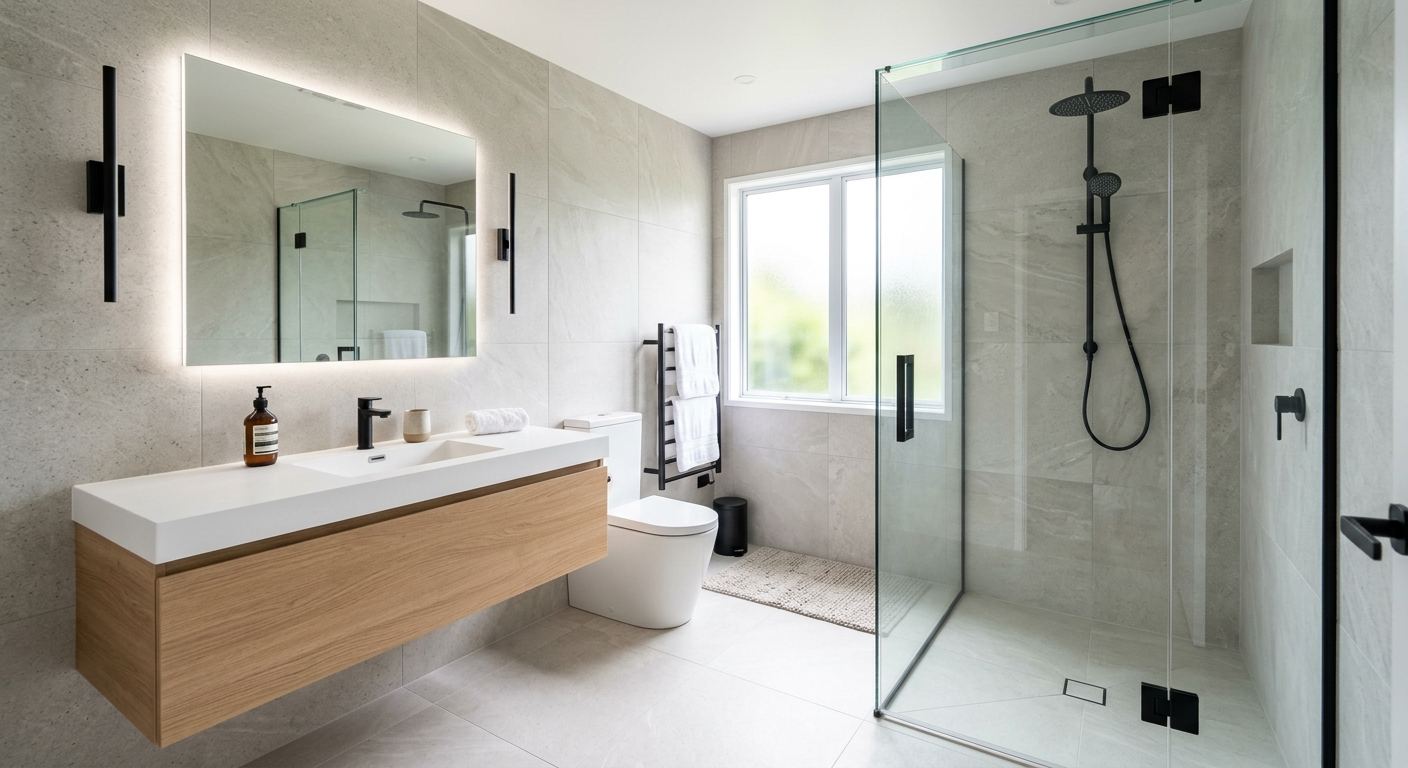
Bathroom renovation options and costs in Killarney
Killarney homeowners usually start with a simple question—“what will it cost?”—but the answer depends on how much of the existing plumbing, walls, and waterproofing you plan to change. Killarney sits in a Lower Mainland context, where housing stock is often mid-century, and that matters: in many older homes (especially pre-1980 builds), you may find outdated drain setups such as cast-iron or galvanized supply lines, plus higher chances of asbestos-containing materials buried in older flooring or drywall compound. With a city population of 29,325 (Statistics Canada, 2021 Census), there’s steady demand for trades, particularly in high-traffic neighbourhoods where multiple homes are being refreshed at once.
In the Lower Mainland–Southwest, labour rates and the age of the housing stock are typically the biggest cost drivers—more than day-to-day weather. Metro Vancouver’s skilled-plumber and tiler availability can be tighter, and once walls and floors are opened, projects often “grow” to include plumbing and venting upgrades to bring the bathroom up to current British Columbia code.
Bathrooms are also compact and complex, so even a “modest” update can touch several trades: waterproofing, tile setting, electrical, and rough-in inspections. If you’re near popular pockets like Kingsway corridor areas where older buildings are common, you’ll often see crews booked earlier because of concurrent renos.
Below are realistic starting points for common renovation paths, so you can compare quotes apples-to-apples before you lock in finishes and a schedule.
| Renovation Scope |
What's Included |
Typical Duration |
Price Range |
| Cosmetic refresh (paint, fixtures, accessories only) |
New paint, swap vanity or toilet/trim (no plumbing relocation), replace light/exhaust cover where allowed, re-caulk, accessories |
3–7 days |
$2,500 – $9,000 |
| Mid-range full renovation (new tile, vanity, tub/shower, electrical) |
Demo + rebuild, new tile floor/surround, vanity and toilet, tub/shower refresh, updated waterproofing, new exhaust fan (typical), basic electrical upgrades |
3–5 weeks |
$18,000 – $30,000 |
| High-end full renovation (custom tile, steam shower, heated floors) |
Custom layout, higher-end porcelain/stone, premium waterproofing system, heated floor, steam shower or upgraded shower system, upgraded lighting, more extensive electrical |
5–9 weeks |
$30,000 – $45,000 |
| Shower-only installation (convert tub to walk-in shower) |
Remove tub, new shower pan/liner and waterproofing, new surround tile, glass door enclosure, plumbing modifications for drain/supply, exhaust updates |
2–4 weeks |
$12,000 – $25,000 |
| Bathtub replacement or tub-liner install |
Replace tub and reconnect fixtures, new trim, recaulk/seal, or install a liner system (scope varies), targeted waterproofing at seams |
1–3 weeks |
$1,500 – $6,000 |
| Tile-only installation (floor + surround, existing layout kept) |
Surface preparation, tile removal of selected areas, new tile floor + wall surround, grout/seal, minor waterproofing repairs where needed |
1–3 weeks |
$2,000 – $8,000 |
Prices are estimates only and vary by project scope, site access and material selection.
What affects the price of bathroom renovation in Killarney
In Killarney and the wider Lower Mainland–Southwest, two quotes that look similar on paper can still land 30–50% apart. The main reason is that bathroom budgets hinge more on regional labour rates and the age of the housing stock than on typical British Columbia climate. In many pre-mid-century homes, contractors uncover plumbing and ventilation conditions that weren’t designed for today’s fixture flow, plus older drains that can require replacement once the floor or wall is opened.
When a renovator prices a “mid-range full renovation” in the $18,000 – $30,000 band, they’re assuming manageable demolition, straightforward waterproofing, and electrical that can be updated without major rewiring. In contrast, a “high-end full renovation” in the $30,000 – $45,000 band often includes premium tile layout work, heated flooring, and more involved shower detailing—plus allowances for the hidden issues that older Killarney homes tend to reveal.
Older-home surprises are a real budget lever here. For example, finding asbestos-containing floor materials or drywall compound (commonly in older builds) triggers abatement protocols and can add $1,500–$5,000+ depending on extent. Another cost inflator is discovering cast-iron drain sections or aging galvanized supply runs that need upgrading before waterproofing and finishes go back in. The same is true for ventilation: if the existing exhaust can’t move air adequately, you’ll often need ducting and a new fan tied into electrical. Conversely, costs can drop when the bathroom footprint is kept, fixtures are not relocated, and the subfloor is level enough that tile corrections are minimal.
In practice, carefully scoped design and a pre-reno investigation of plumbing/electrical—especially in older buildings—are what help keep your budget predictable in Killarney’s busy construction market.
| Price Factor |
Why It Matters |
Cost Impact |
| Layout change — moving drain or supply lines requires rough-in work |
New rough-in means more demolition, carpentry, plumbing labour, and possible venting adjustments |
+$3,000 – $12,000+ |
| Tile selection — large-format porcelain vs. mosaic vs. ceramic |
Harder materials need better substrates, more precise cuts, and sometimes more time for layout |
+$500 – $6,000 |
| Fixture tier — builder-grade vs. mid-range vs. designer brands |
Higher tiers cost more in supply and often require more detail work at trim and installation |
+$800 – $6,500 |
| Subfloor condition — rot or unlevel concrete adds scope |
Repairs delay waterproofing and increase labour for underlayment, cement board and patching |
+$1,000 – $7,000 |
| Electrical — adding GFCI outlets, exhaust fan, heated floor circuit |
Bringing bathrooms to current electrical expectations requires licensed work and test/inspection |
+$800 – $5,000 |
| Waterproofing method — membrane type and extent |
Higher-end systems and full-area membrane coverage reduce long-term mould and leak risk |
+$700 – $4,500 |
| Older-home surprises — asbestos tile, cast-iron drains, galvanized pipes |
Abatement, drain replacement and supply upgrades add trades, time, and disposal |
+$1,500 – $15,000+ |
| Bathroom size — sq ft drives tile and labour time directly |
More square footage increases materials (tile, membrane, grout) and setter time |
+$2,000 – $12,000 |
Permits & regulations in British Columbia
In British Columbia, cosmetic bathroom updates usually don’t require permits. Swapping fixtures (toilet, vanity, faucets), repainting, replacing accessories, and retiling on an existing layout are typically considered cosmetic as long as you’re not moving plumbing lines or altering structural walls. If you’re only replacing a like-for-like tub or updating finishes without changing the drain/supply locations, you generally stay in the “no permit” zone.
Permits are commonly required when the scope includes: relocating plumbing (moving the drain or supply), adding or relocating a shower, changing a wet-area layout, or making structural changes to walls/joists. Adding a new exhaust fan, installing heated floors that require new circuits, or any electrical work tied into bathroom power must comply with provincial electrical code and be done or signed off by a licensed electrician. Plumbing rough-in changes also typically require a permit and inspection—especially when drains, venting, or supply routing is altered.
Here’s how a homeowner in Killarney can verify a contractor step-by-step before work starts. First, ask for their British Columbia trade licence details and confirm they’re active in the appropriate trade categories. Second, request a certificate of liability insurance showing current coverage amounts and ensure the expiry date is valid. Third, ask whether they have worker coverage through WCB (or related coverage documentation if they subcontract), and request a clearance letter or evidence of coverage. Only proceed once you can match the contractor’s identity, trade information, and insurance documentation to the people doing the work on-site.
Choosing tile, waterproofing and fixtures for your Killarney bathroom
In Killarney, your biggest material budget decisions usually come down to three choices: tile type, waterproofing system, and fixture tier. (It’s also where “cheap now, expensive later” shows up.) Start with tile: ceramic is an entry-level choice for floors and walls, but it typically requires careful substrate prep and a well-planned layout to avoid cracking over time. Porcelain is the mid-range sweet spot in many Lower Mainland bathrooms because it handles moisture exposure well and is available in more formats that look great in large, modern shower surrounds. Natural stone (marble, travertine, slate) looks premium, but it often requires more specialized selection and sealing, plus additional labour for finishing details.
Next, waterproofing. British Columbia’s wet-area reality isn’t just “humidity”—it’s daily water use and repeated steam exposure in bathrooms. A paint-on membrane can work for certain scopes, but for most renovations with tile, bonded sheet membrane or a modular system (often installed with a compatible channel/drain approach) is chosen because it reduces leak risk if details are followed correctly. Finally, fixture tier: builder-grade can be budget-friendly, while mid-range or designer brands usually pay off in smoother valves, better finishes, and resale appeal—especially for shower hardware and toilets.
Budget example: if you choose porcelain tile for the shower surround and spend an extra $1,000–$2,500 over ceramic, you’re usually buying easier sourcing, better water performance, and less visual “patching” risk during layout cuts. If you instead upgrade fixtures without improving waterproofing and tile setting quality, you may not see the longevity you expect.
| Material / Option |
Pros |
Cons |
Price Range |
| Ceramic tile (floor + walls) |
Generally more affordable, wide style selection, good for wall use when installed properly |
Not as moisture-tolerant as porcelain for some uses; may require stricter substrate prep for floors |
$2,000 – $4,500 |
| Porcelain tile (floor + walls) |
Denser and more water-resistant, more consistent for shower applications, often more durable for floors |
Material costs are higher; larger formats need accurate layout and skilled installation |
$3,500 – $8,000 |
| Natural stone (marble, travertine, slate) |
High-end look, unique veining and texture, strong curb appeal |
Extra sealing/maintenance; can be more variable and labour-intensive to fabricate and finish |
$6,000 – $14,000 |
| Frameless glass shower enclosure |
Modern appearance, easy to clean, visually opens up a small bathroom |
Requires accurate tile plane and careful installation; hardware upgrades can raise cost |
$2,000 – $6,000 |
| Prefab tub surround (acrylic) |
Faster install than full tile surrounds, fewer tile cuts, clean finishing details |
Lower custom look vs. tile; may not suit every layout and may still need careful waterproofing transitions |
$1,200 – $3,500 |
| Custom shower pan (tile or linear drain) |
Best-in-class finish, excellent slope control, supports modern linear drain aesthetics |
More labour and waterproofing precision; may add plumbing and inspection scope |
$4,000 – $12,000 |
How to choose a bathroom renovation contractor in Killarney
Choosing the right contractor in Killarney is less about glossy photos and more about verification. Start by confirming British Columbia licensing for the relevant trades (especially electrical and plumbing when your scope includes rough-in changes). Ask for a current certificate of liability insurance—make sure it’s not expired and that the project’s address or scope is covered. For WCB coverage, request evidence or a clearance letter so you know the crew working on your home is properly covered.
Next, get 2–3 itemised written quotes. You want a labour-and-materials breakdown, not a single lump sum. Make sure the quote spells out waterproofing method, tile/thinset/grout approach, disposal, and whether permit pull and inspections are included (and who will manage them). Watch for exclusions like “subfloor repairs if required” or “extra demo if conditions are worse”—these need allowances or contingencies so you aren’t surprised mid-project.
Warranty matters. Look for a workmanship warranty period that’s clearly stated (and ask if it covers waterproofing and tile failures). Also confirm the manufacturer/product warranties, what they cover, and whether the warranty is transferable if you sell the home.
For payment schedule, avoid large deposits. A common best practice is keeping upfront payment around 10–15% and holding back the final portion until key milestones are complete and the job passes final walk-through.
Finally, request a signed start date and a realistic completion estimate in writing, including lead times for tile, glass, vanities, and any specialty items that commonly hold up schedules in the Lower Mainland.
- Verify the contractor’s BC trade licence(s) for each relevant trade scope (electrical/plumbing included where applicable).
- Request a certificate of liability insurance with expiry date and ensure it includes the correct insured parties.
- Get WCB/WCB clearance documentation (or evidence of worker coverage) before demo begins.
- Require 2–3 itemised quotes: labour, tile materials, waterproofing system, fixtures, and disposal listed separately.
- Confirm whether permits/inspections are included and whether the contractor pulls permits or you do.
- Ask what’s excluded: subfloor repairs, cracked substrate remediation, asbestos/abatement handling, or electrical upgrades.
- Confirm waterproofing details: membrane type, coverage area, and how transitions are sealed at tub/shower edges.
- Ask who sets the tile and how they handle substrate flattening and crack isolation (if needed).
- Check warranty terms for workmanship and whether waterproofing is explicitly covered.
- Require a payment schedule with a small upfront payment and a holdback until punch list completion.
- Request a written start date, interim milestones, and a completion estimate with realistic lead times.
- Confirm disposal and protection: how debris is removed and whether plastic/covers are used during demo.
Red flags I commonly see in Killarney bathroom renos include: quotes that don’t specify waterproofing method, contractors who won’t provide insurance/licence documentation up front, schedules that start immediately without accounting for tile and glass lead times, and change orders that rely on vague phrases like “as required” without site conditions or allowances. Another major warning sign is paying a large deposit (well beyond 10–15%) before any work begins, especially when the scope includes plumbing rough-in or electrical additions.
Frequently asked questions — bathroom renovation in Killarney
What's the difference between a cosmetic and a full bathroom renovation?
In Killarney and across British Columbia, a cosmetic renovation focuses on surfaces and fixtures without changing the plumbing rough-in or the room layout. Typical cosmetic work includes painting, replacing a vanity top, swapping faucets/trim, re-caulking, and sometimes retiling within the existing configuration. A full bathroom renovation generally involves demo to the subfloor and walls, rebuilding the wet-area system, updating waterproofing, and often upgrading electrical and ventilation. If you’re converting a tub to a walk-in shower or moving a drain/supply, you’re in “full renovation” territory because plumbing changes are usually more involved—and in many cases require permits and inspections.
How do I choose the right contractor for my bathroom in Killarney?
Start by verifying British Columbia licensing and coverage before you ever approve a start date. Ask for a certificate of liability insurance and evidence of WCB coverage/clearance, then confirm the appropriate trade licences for the work (especially electrical and plumbing rough-in). Get 2–3 itemised quotes so you can compare waterproofing methods, disposal, and permit handling—not just the final number. Make sure warranty terms are clear and in writing, including workmanship coverage for tile and waterproofing. In a busy Lower Mainland–Southwest market, the best contractors also give a realistic timeline for tile and glass lead times and don’t rely on vague exclusions that later become change orders.
What's the most common mistake homeowners make in bathroom renovations?
The most common mistake is choosing finishes first and only later addressing the “hidden build” details—especially waterproofing and substrate condition. In older Killarney homes, that can mean discovering during demo that you need more than expected: a cracked subfloor, inadequate ventilation, or older plumbing like cast-iron sections that must be upgraded once walls are open. Another frequent issue is misunderstanding scope. For example, homeowners may assume a tile-only quote covers waterproofing upgrades, or they may budget for a shower install but forget that converting a tub to a shower typically includes plumbing modification and glass/door costs. A well-scoped quote that anticipates these realities helps keep your budget closer to bands like the $18,000 – $30,000 mid-range range.
How long does tile installation take in a Killarney bathroom?
Tile time depends on bathroom size, tile complexity, and how much substrate repair you need. For a standard Killarney bathroom with a kept layout, tile installation often takes about 1–3 weeks total when you include prep, setting, and curing time (thinset and grout). Larger-format porcelain, complex shower niches, linear drains, or custom layouts can extend the schedule because of more precise cutting and longer dry/cure periods. If your contractor encounters subfloor flattening or additional waterproofing prep, that extends the timeline as well. The best way to estimate is to ask for a quoted schedule that separates demolition, waterproofing, tile setting, and grout/seal—so you know what work is actually in the “tile installation” window.
How much does a bathroom renovation cost in Killarney?
Typical Killarney bathroom costs vary widely based on labour demands in the Lower Mainland–Southwest and what your older home hides once opened. For a full renovation, realistic budget bands commonly fall around $18,000 – $45,000, with mid-range projects often landing in the $18,000 – $30,000 range and higher-end builds extending toward the top end. Shower-only conversions are often higher than people expect because they include plumbing modifications and a new shower system; many fall around $12,000 – $25,000. If you’re doing tile-only work, budgets can be closer to $2,000 – $8,000, depending on square footage and tile selection. Always request an itemised quote to prevent hidden costs from pushing you beyond your target range.
How long does a bathroom renovation take in Killarney?
Most bathroom renovations in Killarney take several weeks because they involve multiple trades in a small space: demo, substrate prep, waterproofing, electrical/plumbing rough-in, tile setting, and final trim. Cosmetic refreshes can be as short as 3–7 days. Mid-range full renovations commonly take 3–5 weeks, while high-end builds (heated floors, custom shower systems, premium tile detailing) can take 5–9 weeks. The timeline can stretch if permits are required, if your home has older plumbing that needs upgrading, or if materials have lead times—especially glass enclosures and specialty tile. For predictable scheduling, ask your contractor for a written start date, completion estimate, and milestone plan.