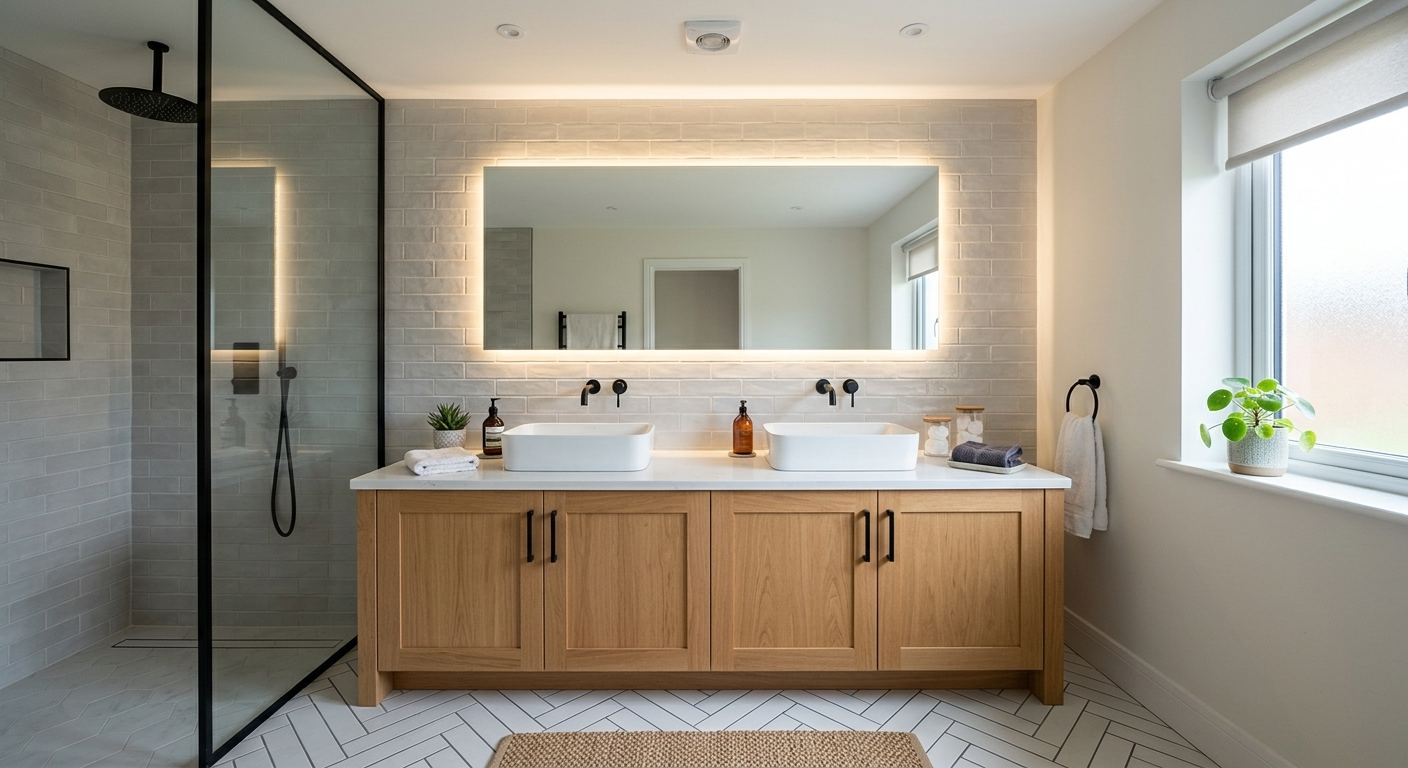
Bathroom renovation options and costs in Historic Downtown
Bathroom renovation in Historic Downtown is a popular way to modernize older homes while keeping the character of the neighbourhood. With a population of 9,910 residents (Statistics Canada, 2021 Census), demand in the Lower Mainland–Southwest is steady, and trades often stay busy—especially around high-density pockets like Downtown Vancouver-adjacent streets and nearby heritage blocks where many mid-century layouts are similar. Just as importantly, Historic Downtown’s housing stock includes many older structures, meaning dated plumbing layouts are common; that can surface galvanized supply lines, cast-iron drain sections, or even asbestos-containing materials in some pre-1985 floor and wall assemblies. When walls open, it’s not unusual for a “simple refresh” to reveal ventilation upgrades and rough-in repairs that bring systems up to current British Columbia requirements.
In the Lower Mainland–Southwest, costs are driven less by coastal weather and more by regional labour rates and the age of local housing stock. Metro Vancouver and surrounding areas like Burnaby, Richmond, and Surrey typically have higher construction labour costs due to strong demand and limited availability of specialized plumbers, tilers, and electricians. As a result, a fully scoped mid-range renovation often clusters around the broader regional bands—while the same scope elsewhere may price differently. If you’re in the heritage-heavy stretches of Historic Downtown where bathrooms are compact and piping routes are constrained, expect tighter scheduling and a higher per-square-foot tile and waterproofing labour component.
Use the table below to compare common scope levels, typical timelines, and realistic price bands for Historic Downtown projects, then we can fine-tune a plan based on your existing plumbing, subfloor condition, and finish selections.
| Renovation Scope |
What's Included |
Typical Duration |
Price Range |
| Cosmetic refresh (paint, fixtures, accessories only) |
New vanity or faucet, toilet/trim replacements (no rough-in changes), paint, re-caulking, accessories; existing tile remains |
3–7 days |
$4,000–$10,000 |
| Mid-range full renovation (new tile, vanity, tub/shower, electrical) |
Demo and disposal, waterproofing, new tile floor/surround, vanity + mirror, tub or tub/shower replacement, exhaust fan, basic electrical (GFCI where needed), updated plumbing fixtures on existing locations |
2–4 weeks |
$18,000–$32,000 |
| High-end full renovation (custom tile, steam shower, heated floors) |
Custom heated-floor layout, premium tile/stone, steam shower or upgraded shower system, niche/bench detailing, enhanced waterproofing system, higher-tier lighting and fan, upgraded vanity/trim, possible plumbing upgrades during opening |
4–7 weeks |
$32,000–$45,000 |
| Shower-only installation (convert tub to walk-in shower) |
Convert footprint, new shower pan + waterproofing, glass enclosure, new valve trim, tile floor/surround, disposal; plumbing changes limited to shower rough-in |
2–3 weeks |
$8,000–$25,000 |
| Bathtub replacement or tub-liner install |
Remove and replace tub (or liner system if eligible), recaulk, matching trim updates, valve/tap hardware replacement where needed; waterproofing at tie-ins |
1–2 weeks |
$1,500–$6,000 |
| Tile-only installation (floor + surround, existing layout kept) |
Tile removal (as required), substrate prep, waterproofing, floor + wall tile installation, grout/seal, reinstallation of fixtures where feasible |
1–3 weeks |
$2,000–$8,000 |
Prices are estimates only and vary by project scope, site access and material selection.
What affects the price of bathroom renovation in Historic Downtown
Homeowners in Historic Downtown often see the same bathroom scope priced 30–50% differently across the Lower Mainland–Southwest and other parts of British Columbia, even when the finishes look similar. The biggest drivers are regional labour rates and the age of the existing home; in older buildings, discovery risk increases the scope quickly once walls and floors are opened. In the Lower Mainland–Southwest, trades can charge more due to higher demand and tighter availability of specialized work—especially plumbing, tiling, and electrical—so a small change in labour hours can move the total budget noticeably.
Older local homes commonly hide cast-iron or galvanized drainage, older copper or undersized supply piping, and ventilation that no longer meets best-practice performance. When venting is insufficient, we often add or upgrade the exhaust fan ducting, which can require additional electrical work. In pre-1985 homes, discovery of asbestos-containing materials in vinyl floor tile or drywall compound triggers abatement protocols; that can add $1,500–$5,000+ depending on how much material is disturbed and how the work is sequenced.
Here are a few concrete Historic Downtown examples that change costs: (1) If you move a toilet or vanity, it can require rough-in work and tile re-layout, pushing you from a tile-only band toward a mid-range full renovation level around $18,000–$32,000. (2) Large-format porcelain and complex layout cuts increase labour time; a “$2,000–$8,000” tile-only scope can become closer to the upper range when installation is tighter. (3) Heated floors or a steam-ready shower system typically shifts you toward the high-end full renovation band around $32,000–$45,000, because electrical, insulation, and waterproofing details all stack together.
Bottom line: climate is less the cost driver than what’s behind the walls. In Historic Downtown, older plumbing and ventilation routes can add real dollars fast—so an upfront investigation and conservative contingency planning is how you keep the renovation predictable.
| Price Factor |
Why It Matters |
Cost Impact |
| Layout change — moving drain or supply lines requires rough-in work |
Changing fixture locations means opening walls, reworking plumbing routes, and allowing for proper slope and tie-ins |
Often +$3,000–$8,000 depending on complexity |
| Tile selection — large-format porcelain vs. mosaic vs. ceramic |
Harder materials and more intricate patterns increase cuts, dry-layout time, and labour hours |
Often +$500–$4,000 |
| Fixture tier — builder-grade vs. mid-range vs. designer brands |
Higher-tier valves, trims, and basins cost more and can require more careful installation clearances |
Often +$1,000–$7,000 |
| Subfloor condition — rot or unlevel concrete adds scope |
Weak subfloors require removal, patching/underlayment upgrades, and more preparation for waterproofing |
Often +$1,500–$6,000 |
| Electrical — adding GFCI outlets, exhaust fan, heated floor circuit |
New circuits and code-compliant connections increase electrician time and inspection steps |
Often +$800–$4,500 |
| Waterproofing method — membrane type and extent |
Better systems reduce risk of leaks and mould, but add material and labour for proper sealing |
Often +$600–$3,000 |
| Older-home surprises — asbestos tile, cast-iron drains, galvanized pipes |
Remediation/upgrade work can be required once discovery happens mid-demo |
Often +$1,500–$10,000+ |
| Bathroom size — sq ft drives tile and labour time directly |
More surface area means more tile, thinset/membrane, grouting, and time to prep and finish |
Often +$2,000–$12,000 |
Permits & regulations in British Columbia
In British Columbia, many bathroom upgrades in Historic Downtown are considered “cosmetic” and typically don’t trigger a permit when they don’t change building systems. Swapping a vanity, replacing fixtures that connect at the same locations, repainting, and retiling with the same footprint generally fall into work that can often be done without structural or system alterations.
Permits and inspections are usually required when you relocate plumbing (moving a drain or supply line), change venting pathways, or add new ventilation equipment that requires a new electrical circuit. For example, installing an exhaust fan where none exists, rerouting ducts, or modifying shower plumbing connections typically requires permitting and inspection steps. If you’re changing walls structurally, modifying supporting elements, or making significant alterations to wet-area assemblies, expect additional approvals.
Electrical work must meet British Columbia electrical code and be performed by a licensed electrician. Plumbing rough-in changes typically require a permit, and the inspector will verify pressure testing and drainage connections where applicable. Before signing, verify your contractor’s British Columbia trade licence (for the scope they’re doing) and their liability coverage.
For homeowner verification, do this step-by-step:
- Ask for the contractor’s B.C. trade licence details and confirm the licence is active for the trade scope proposed.
- Request a certificate of insurance naming you (or your property) as applicable per project requirements; confirm it matches the work category.
- Ask how they handle workers’ compensation coverage (WSBC/WCB) for their crew; request proof and keep a copy for your records.
- Confirm who pulls permits (you or the contractor) and ensure it’s explicitly stated in the written quote.
- Get written confirmation of inspections expected (rough-in and final) when plumbing/electrical locations change.
Choosing tile, waterproofing and fixtures for your Historic Downtown bathroom
In Historic Downtown, the three material decisions that most control your bathroom renovation budget are tile choice, waterproofing method, and fixture tier—because they affect both material pricing and the complexity of labour in a wet, high-moisture room. First, choose your tile strategically: ceramic is usually the most budget-friendly for a bathroom floor and walls, while porcelain costs more but is typically denser, offers better water resistance, and holds up well in busier households. Natural stone (marble, travertine, slate) looks stunning, but it can demand more specialized installation and sealing—raising both cost and maintenance expectations.
Second, waterproofing matters more than most homeowners expect in British Columbia. The Lower Mainland’s damp seasons mean bathroom ventilation and waterproofing performance are critical to prevent recurring moisture issues. Paint-on membranes can be fine for certain applications, but bonded sheet membranes or a well-installed system (including details around niches, corners, and penetrations) often provide stronger leak-risk protection when executed correctly. If you’re planning a walk-in shower, the waterproofing scope is where “cheap now” can become expensive later.
Third, fixture tier influences both upfront cost and resale appeal. Builder-grade taps and trims can look dated faster, while mid-range or designer brands typically justify their higher cost with smoother valves, better finishes, and more consistent fit. For a dollar example: moving from a basic shower surround to higher-tier tile and a more robust waterproofing approach can shift a shower-only conversion from the lower end of the $8,000–$25,000 band toward the upper end when you add a custom shower pan detailing and premium glass.
Match the right combination to your situation: keep the footprint and plumbing stable to protect budget, invest in waterproofing and good tile installation, and choose fixtures that balance your daily use and your home’s resale profile in Historic Downtown.
| Material / Option |
Pros |
Cons |
Price Range |
| Ceramic tile (floor + walls) |
Budget-friendly, good variety of colours and styles, straightforward install for standard layouts |
Can be less durable than porcelain in some high-use scenarios; may require careful selection for wet areas |
$2,000–$6,000 |
| Porcelain tile (floor + walls) |
Better water absorption performance, more durable, ideal for consistent colour and larger formats |
Higher material cost; larger formats increase cutting and layout time |
$4,000–$9,000 |
| Natural stone (marble, travertine, slate) |
Luxury look, unique veining and texture; great for feature walls or premium finishes |
More expensive, needs sealing/maintenance, and may require more careful substrate preparation |
$6,000–$15,000 |
| Frameless glass shower enclosure |
Modern appearance, makes the space feel larger, easy to clean with correct setup |
Costs more; requires precise framing and waterproofing tie-ins |
$2,000–$6,000 |
| Prefab tub surround (acrylic) |
Fast installation, fewer tile trades hours, good value for alcove tubs |
Less design flexibility than tile; seams and transitions require careful finishing |
$1,500–$4,500 |
| Custom shower pan (tile or linear drain) |
Clean, integrated look; linear drain options improve visual lines and can reduce standing water |
More labour and waterproofing detail; requires accurate slope and trim detailing |
$3,000–$12,000 |
How to choose a bathroom renovation contractor in Historic Downtown
Choosing the right contractor is what keeps a bathroom reno in Historic Downtown on budget and on schedule. Start with British Columbia licensing and proof of coverage. Ask for the contractor’s B.C. trade licence number for the scope they will perform (and confirm it matches the work on your quote), plus their liability insurance certificate. For workers’ compensation coverage, request documentation showing they have WSBC/WCB coverage for their crew. These documents should be current, match the legal name on your contract, and cover the period of your job.
Then get 2–3 itemised written quotes—not lump sums. The best quotes break down labour and materials so you can compare apples-to-apples: demo and disposal, substrate prep, waterproofing method, tile labour and layout, electrical scope, and the exact plumbing fixture model tiers. Read exclusions carefully. Key questions include: is permit pulling included, is asbestos/limited remediation included if discovered, is disposal and haul-away included, and does the price include patching, priming, and final paint/trim touch-ups?
For warranty, look for a clear workmanship warranty length and whether it is backed in writing. Also confirm what’s covered by product/manufacturer warranties and whether they’re transferable to you as the homeowner. Payment schedules should protect you: never pay more than 10–15% upfront; use holdback for completion and final close-out items. Finally, insist on a start date and a completion estimate in writing so delays don’t silently stretch your timeline.
- Provide B.C. licence details that match the proposed trades (plumbing/electrical/tiling where applicable).
- Show current liability insurance certificate for the correct contractor entity.
- Confirm WSBC/WCB coverage and keep proof on file.
- Use itemised quotes separating labour vs materials, with quantities where possible.
- Confirm who pulls permits and whether permit fees are included.
- Ask what happens if older-home surprises are found (asbestos tile, cast-iron drains, galvanized supply).
- Require specific waterproofing methods listed (membrane type and where it’s applied).
- Check disposal/haul-away wording (it’s commonly excluded unless stated).
- Verify the expected warranty: workmanship duration and what voids coverage.
- Confirm whether products have manufacturer warranties and if they transfer after completion.
- Request a schedule: demo, rough-in, waterproofing, tile, trim, and final inspection steps.
- Set payment milestones tied to measurable completion (e.g., waterproofing accepted before tile).
Red flags in Historic Downtown: vague scope with no waterproofing or electrical detail; contractors asking for large upfront payments beyond 10–15%; promises like “we’ll handle permits” with no written proof; missing or outdated insurance/licence documents; and quotes that don’t address demolition disposal or older-home discovery contingencies.
Frequently asked questions — bathroom renovation in Historic Downtown
What's the best tile for a bathroom in Historic Downtown?
In Historic Downtown and the Lower Mainland–Southwest, most homeowners get the best balance of performance and value with porcelain tile for floors and key wet-area walls. Porcelain generally handles moisture better than typical ceramic and stands up well to day-to-day cleaning. If you want a lower budget, ceramic can work for floors and walls, but you’ll want to choose a proper slip rating and the right thickness for your substrate. For a shower and wet zones, pair tile with a waterproofing system that’s installed correctly at corners and penetrations—this is where mould risk is won or lost. If you’re aiming for a tile-only scope, realistic bands often land around $2,000–$8,000, but larger formats and premium finishes can push toward the upper end quickly.
Should I do a tub-to-shower conversion?
A tub-to-shower conversion is often a smart upgrade in British Columbia homes when you want easier daily use, improved accessibility, and easier cleaning. In Historic Downtown specifically, it can also simplify layout constraints if your current tub alcove can accommodate a proper shower pan and slope. Costs depend on whether plumbing must be moved and what shower system you choose. Many conversions fall within the regional shower installation band of $8,000–$25,000. If you’re keeping the rough-in close to the existing drain and supply, you can control cost; if you need extensive rough-in changes or upgrades to venting/electrical for the exhaust, the job trends toward the higher end. The key is planning waterproofing and glass enclosure details so the finished shower performs reliably in our damp seasons.
How do I prevent mold in a Historic Downtown bathroom?
Mould prevention in Historic Downtown usually comes down to moisture control: correct waterproofing, proper ventilation, and good finishing details. First, ensure your shower/wet-area waterproofing system includes the right membrane for the application and is sealed properly around corners, niches, and plumbing penetrations. Second, make sure the exhaust fan is correctly sized and vented—bathrooms shouldn’t rely on window ventilation alone in the damp months. Third, choose grout and caulking that’s compatible with wet areas and maintain re-caulking at wet-wall transitions over time. When older homes are involved, check hidden risks too: failing subfloor prep or damaged substrates behind tile can hold moisture and become a mould source even if surfaces look fine. Investing in a well-scoped full renovation budget (often $18,000–$45,000 depending on scope) can be cheaper than repeated patching.
What adds the most resale value in a bathroom reno?
In Historic Downtown, resale value usually tracks what buyers can see and trust: a clean, modern layout; a high-quality wet-area finish; and dependable ventilation. Fresh tile work (porcelain for floors and wet walls), an updated vanity with good storage, and reliable lighting are strong visual upgrades. Buyers also care about “no-mystery” performance—meaning waterproofing done to a recognized standard, proper exhaust, and careful substrate prep. If your renovation scope includes plumbing and venting upgrades discovered during demo, that can increase buyer confidence because the system is current and less likely to fail soon. The biggest bang-for-buck typically comes from mid-range full renovations in the $18,000–$32,000 range, especially when the job addresses moisture control and functional storage, not just aesthetics.
Can I keep my existing plumbing layout to save money?
Yes—keeping the existing plumbing layout is one of the best ways to control costs in Historic Downtown. When you don’t move the drain or supply lines, you reduce rough-in work, wall openings, and the number of trades that must coordinate on tight schedules. That generally protects your budget and timeline, particularly in older housing where pipes and drains may be cast-iron or galvanized and aren’t always straightforward once exposed. If you keep locations, you can still get a major refresh by updating fixtures, retiling, improving waterproofing, and upgrading the exhaust fan and electrical. A “tile-only” approach can often fit within $2,000–$8,000 for floor + surround when the substrate is sound. If you want to keep layout but fully modernize, you’re usually in the mid-range full renovation band of $18,000–$32,000.
How much does a walk-in shower cost in Historic Downtown?
Walk-in shower pricing in Historic Downtown usually depends on whether it’s a conversion (tub to shower), whether plumbing rough-in changes are needed, the tile format, and the shower enclosure type. In the Lower Mainland–Southwest market, many shower-only installations land in the $8,000–$25,000 range. Lower-cost projects typically keep the rough-in close to the existing tub drain and use straightforward tile layouts. Higher-cost projects include premium tile finishes, custom shower pan details (often with a linear drain), frameless glass enclosures, and more advanced waterproofing and electrical coordination for the exhaust fan. If older homeowners’ surprises are found during demo—like older drainage sections needing upgrade—that can move your final total upward. The best way to tighten the number is an inspection after demo but before orders, with a contingency plan written into your contract.