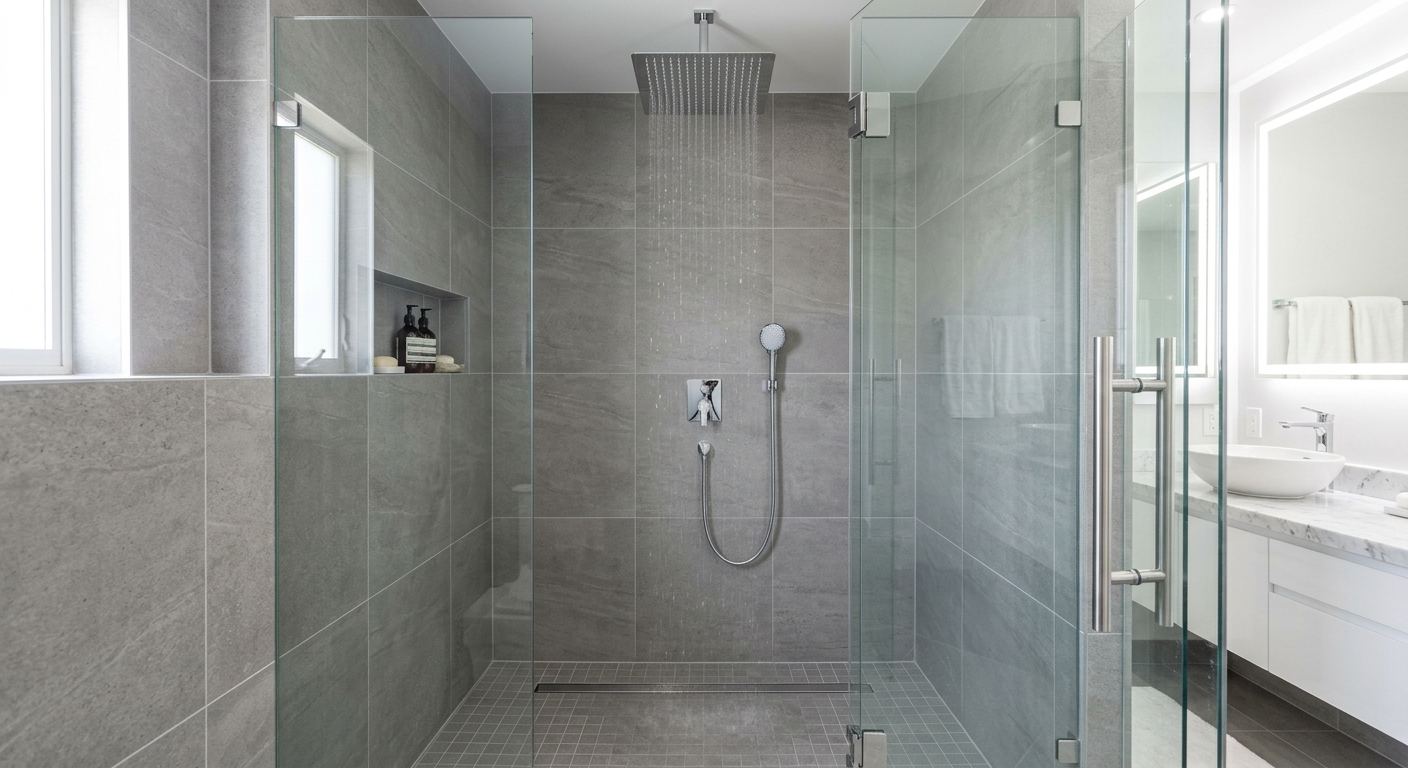
Bathroom renovation options and costs in Amigo Beach
Bathroom renovations in Amigo Beach tend to follow the same decision tree as the rest of the GTA, but your local starting point matters—especially given Amigo Beach’s small population of 1,545 people (Statistics Canada, 2021 Census). In many Ontario communities with smaller, older housing pockets, it’s common to run into dated plumbing layouts and floor assemblies where asbestos-containing materials can be present. Even in a tight market like Amigo Beach, contractors often price risk conservatively because the Toronto economic region’s trades can be booked solid when multiple jobs open up at once.
In the Toronto region, costs are driven less by outdoor climate and more by labour premiums and how much “unknown scope” appears once walls are opened. Once tile and subfloor are removed, older post-war and 1960s–1980s setups frequently show issues like cast-iron or galvanized drain lines, undersized vents, and supply shut-offs that don’t meet today’s expectations. Those fixes can push a project from a mid-range full renovation into the low-to-upper end of the GTA band, particularly when drain reconfiguration is needed to properly slope and vent. Contractors in high-demand areas across the GTA—where demand is especially strong in older neighbourhood pockets—can also bring in scheduling constraints, which affects price.
Below is a practical way to compare typical options for a standard 3-piece bathroom, before you factor in any hidden conditions. Use it to align the scope in your quote with the budget you’re comfortable spending.
| Renovation Scope |
What's Included |
Typical Duration |
Price Range |
| Cosmetic refresh (paint, fixtures, accessories only) |
Paint, re-caulk, replace vanity or toilet (if plumbing remains in same locations), swap light/fan coverplates, new mirror and accessories |
3–5 days |
$12,000–$18,000 |
| Mid-range full renovation (new tile, vanity, tub/shower, electrical) |
Remove existing finishes, prepare subfloor/walls, install tile (walls + floor), vanity, tub/shower unit, basic electrical updates (GFCI, exhaust fan upgrade as required), waterproofing, disposal |
10–16 days |
$18,000–$24,000 |
| High-end full renovation (custom tile, steam shower, heated floors) |
Custom waterproofing system, premium tile installation, heated floor mat/circuit, steam shower or high-end shower system, upgraded plumbing trim, feature lighting, pro-level finishing and tolerances |
18–26 days |
$24,000–$30,000 |
| Shower-only installation (convert tub to walk-in shower) |
Remove tub, frame and waterproof shower area, install new shower base or pan with linear drain option, tile surround, new shower valve/trim, adjust plumbing rough-in as needed |
12–18 days |
$16,000–$24,000 |
| Bathtub replacement or tub-liner install |
Replace tub with new unit and re-plumb hookups as required (or tub-liner system where suitable), new sealing and finishes at tub edge, basic waterproofing improvements at critical joints |
5–10 days |
$9,000–$14,000 |
| Tile-only installation (floor + surround, existing layout kept) |
Tile floor and tub/shower surround only, remove existing tile, prep and level, install waterproofing and grout/seal, reuse vanity/toilet unless relocation is required |
7–12 days |
$10,000–$16,000 |
Prices are estimates only and vary by project scope, site access and material selection.
What affects the price of bathroom renovation in Amigo Beach
Homeowners in Ontario often see quotes for what looks like the “same” bathroom swing by 30–50%—even within the same season—because bathroom renos in the Toronto economic region are labour-driven. Skilled trades carry a premium hourly rate in the GTA, and bathrooms are labour-intensive due to tiling detail, waterproofing, and careful plumbing integration. Also, the age of local housing stock matters more than outdoor climate here; once floors and walls are open, older drains, venting, and supply lines can force scope changes.
Older Toronto-area homes frequently hide plumbing conditions that aren’t visible at inspection: cast-iron or undersized drain stacks that need upgrading, galvanized supply lines that may not be safe for modern pressures, and insufficient ventilation that affects how fixtures drain. Vent corrections and drain reconfiguration can add several thousand dollars when the work requires cutting and rebuilding sections of subfloor or moving rough-ins. In pre-1985 construction, discovery of asbestos-containing materials (for example, in certain vinyl floor tile or older drywall compounds) can also trigger abatement procedures, commonly adding about $1,500–$5,000+ depending on quantity and access.
Two concrete Amigo Beach examples we commonly see: (1) keeping the existing tub footprint keeps costs nearer mid-range full renovation pricing—whereas converting to a walk-in shower often pushes budgets toward the shower installation band due to extra waterproofing and drain/valve changes; (2) upgrading tile to large-format porcelain can increase labour time for layout and substrate prep, but it may still be worth it if it reduces the “patchwork” look. For most homeowners, a well-defined plan keeping plumbing mostly in place can sit closer to the low-to-mid band of the $12,000–$30,000 full renovation range, while unknowns can move the same bathroom toward the upper end.
| Price Factor |
Why It Matters |
Cost Impact |
| Layout change — moving drain or supply lines requires rough-in work |
Rerouting plumbing means opening walls/floors, new rough-ins, and proper slope/venting |
Can add $2,000–$8,000 depending on distance and vent/drain complexity |
| Tile selection — large-format porcelain vs. mosaic vs. ceramic |
Harder materials and larger panels demand flatter substrates, more careful layout, and more labour |
Typically $500–$4,000+ difference between tiers once installed |
| Fixture tier — builder-grade vs. mid-range vs. designer brands |
Premium valves, trims, and vanities raise materials cost and sometimes require different rough-ins |
Often $1,000–$6,000 for the same “function” |
| Subfloor condition — rot or unlevel concrete adds scope |
Bathrooms need a stable base for waterproofing and tile; remediation adds time and materials |
Commonly $1,000–$5,000 when repairs are significant |
| Electrical — adding GFCI outlets, exhaust fan, heated floor circuit |
Code-compliant electrical requires licensed work and careful routing; exhaust upgrades improve moisture control |
Usually $800–$3,500; heated floors can push higher |
| Waterproofing method — membrane type and extent |
Better membranes reduce failure risk, but materials and prep labour cost more |
Often $500–$2,500 based on system and coverage |
| Older-home surprises — asbestos tile, cast-iron drains, galvanized pipes |
Abatement, pipe replacement, and vent corrections inflate scope and scheduling |
Can add $1,500–$10,000+ in extreme cases |
| Bathroom size — sq ft drives tile and labour time directly |
More area means more tile, more waterproofing, more cure time and installation hours |
Roughly $2,000–$6,000 swing between small and larger layouts |
Permits & regulations in Ontario
In Ontario, not every bathroom update needs a permit—but many do once you move beyond “cosmetic only.” Swapping out fixtures like a vanity, toilet, or tub (without relocating plumbing), repainting, replacing trim, and retiling with the same footprint typically does not require a permit. On the other hand, permits are generally required when you: relocate plumbing rough-ins (moving a drain or supply line), make structural changes to walls, add or modify ventilation where it involves new electrical work and/or ducting changes, or make significant modifications behind walls.
Electrical work must meet Ontario electrical code requirements and be performed by (or signed off by) a licensed electrician. If you’re adding a new exhaust fan with a new circuit, installing a heated floor circuit, or making changes to GFCI protection and bathroom receptacles, plan for licensed electrical involvement. For plumbing rough-in changes, contractors typically pull the necessary permit and schedule the required inspections.
Step-by-step, here’s how a homeowner in Amigo Beach can verify credibility before work starts: (1) Ask for the contractor’s Ontario trade licence details (and confirm authenticity on the appropriate online registry if available for that trade); (2) Request a current certificate of insurance for liability—make sure it’s active for the renovation period and matches the project address; (3) Confirm WSIB/WCB coverage (or equivalent clearance letters) so you’re not exposed if a worker is injured; (4) Ensure these documents cover the scope being quoted (plumbing/electrical/abatement if applicable). Then, ask for proof these items will be provided before the first demolition day.
Choosing tile, waterproofing and fixtures for your Amigo Beach bathroom
In an Amigo Beach bathroom renovation, three material decisions determine both comfort and long-term cost: tile choice, waterproofing method, and fixture tier. First is tile. Ceramic is usually the entry-level option—great value if your layout doesn’t require complex cuts, but it often shows more movement over time if the substrate isn’t perfectly prepared. Porcelain is denser and typically better suited to floors and wet-area walls because it handles wear and moisture well, but it demands excellent substrate flatness for clean joints.
Second is waterproofing. Ontario’s indoor moisture load is the real “humidity factor”—bathrooms are warm, then rapidly cool, creating condensation cycles. A paint-on membrane can work in certain systems, but bonded sheet membranes or a properly installed schluter-style approach can reduce failure risk when done correctly at corners, niches, and transitions.
Third is fixture tier. Builder-grade valves and trims can be cost-effective, but upgrading to mid-range or designer brands often improves finish quality, longevity of cartridge components, and resale appeal. For example, if you’re choosing between a standard $1,200–$3,500 fixture/tub replacement path versus a more premium custom shower build, spending more on waterproofing and the shower enclosure usually delivers better day-to-day performance than upgrading every accessory first.
Where the price difference is justified: upgrading to porcelain tile plus a higher-spec waterproofing system is often worth it when you’re doing a full renovation where the substrate is already being rebuilt. If you’re only doing tile-for-tile with minimal exposure of plumbing, a more budget-friendly tile may still hold up—so long as waterproofing coverage is not compromised.
| Material / Option |
Pros |
Cons |
Price Range |
| Ceramic tile (floor + walls) |
Good value, lots of colours/patterns, easier on the wallet for cosmetic upgrades |
More prone to wear than porcelain in heavy-use areas; substrate prep still matters for flatness |
$3,000–$8,000 |
| Porcelain tile (floor + walls) |
Denser and durable for wet areas, often better for modern large-format looks, resists chipping |
More demanding installation tolerances; premium slabs/finishes cost more per sq ft |
$5,000–$10,000 |
| Natural stone (marble, travertine, slate) |
High-end look, unique veining, excellent for feature walls and premium bathrooms |
Requires sealing and careful maintenance; can be harder to keep consistent in tone and finish |
$8,000–$16,000 |
| Frameless glass shower enclosure |
Clean, modern appearance; can make smaller bathrooms feel larger; easier visual upkeep |
Premium hardware, requires accurate framing and strong waterproofing at interfaces |
$4,000–$12,000 |
| Prefab tub surround (acrylic) |
Fast install, fewer grout joints, budget-friendly and predictable performance |
Less “designer” look than full tile; seams and edges need careful detailing |
$1,200–$3,500 |
| Custom shower pan (tile or linear drain) |
Premium drainage solutions, sleek lines, cleaner water management inside the shower |
More labour and waterproofing detail; requires precise slope and leak testing |
$4,000–$12,000 |
How to choose a bathroom renovation contractor in Amigo Beach
Choosing the right bathroom contractor in Amigo Beach is mostly about verification and clarity. Start with Ontario licensing and coverage. Ask for the contractor’s Ontario trade licence information for the work being done (plumbing and electrical involvement in particular), plus liability insurance. Then confirm WSIB/WCB coverage—request a current clearance letter or proof of coverage. If a contractor can’t provide these quickly, that’s usually a sign the job may be underinsured or improperly staffed.
Next, get 2–3 itemised written quotes. You want line items that separate labour and materials (tile setting labour, waterproofing, fixture supply, disposal, demolition, electrical/plumbing rough-in if applicable), not a single “lump sum.” Pay close attention to exclusions: Is permit pulling included? Is asbestos abatement included if discovered? Is demolition and haul-away included, or is it an extra charge? A good quote also states who carries responsibility for protection of floors/doorways and whether there are additional charges for overtime, weather, or supply delays.
For warranty, ask for the workmanship warranty length and whether it’s backed in writing. Product warranties should be listed with model/serial where possible. Confirm if the workmanship warranty is transferable if you sell the home.
Finally, payment schedules matter. Never pay more than 10–15% upfront. Hold back a portion until the job is complete, cleaned, and any punch-list items are finished. In your timeline, request a start date and a completion estimate in writing, along with an explanation of what could delay the schedule.
- Verify Ontario trade licence details for each trade involved.
- Collect a current certificate of liability insurance (active dates, matching address/job).
- Request WSIB/WCB clearance letter or proof of coverage.
- Use itemised quotes with labour + materials (no “mystery allowance” numbers).
- Confirm permit responsibility: who pulls it and what’s included in the price.
- Ask whether disposal/haul-away is included in demolition pricing.
- Confirm waterproofing method and who provides the installation system details.
- Ask about tiling tolerances (layout planning, backer prep, grout line consistency).
- Get a written start date and staged completion dates (demo, rough-in, tile, trim).
- Request product specs: shower valve model, tile grade, membrane system, warranty terms.
- Ensure workmanship warranty is stated in writing with coverage boundaries.
- Limit deposits to 10–15% and agree on a holdback until punch-list completion.
Red flags I’d take seriously in Amigo Beach: quoting only a “final price” without itemisation; refusing to show insurance or WSIB/WCB proof; promising a 1–2 week “full renovation” without accounting for waterproofing cure time; giving vague waterproofing descriptions; and starting demo without permits/plan clarity where plumbing/electrical relocation is involved.
Frequently asked questions — bathroom renovation in Amigo Beach
What's the most common mistake homeowners make in bathroom renovations?
In Amigo Beach and the wider Ontario market, the most common mistake is choosing finishes before confirming the plumbing, waterproofing, and layout constraints. Homeowners might fall in love with a particular tile or vanity, but if the contractor later finds cast-iron drains, galvanized supply lines, or a venting issue, the project scope can expand quickly and push costs. Another frequent error is assuming a “cosmetic refresh” includes retiling and electrical updates without clarifying what moves. Keep the scope tight: if you’re only swapping fixtures, ask for confirmation in writing. If you’re converting a tub to a shower, expect budgeting that aligns more with shower installation ranges (for example, local full-reno projects commonly land in the $12,000–$30,000 band).
How long does tile installation take in a Amigo Beach bathroom?
Tile installation time in Amigo Beach depends on surface prep and the complexity of cuts, niches, and shower transitions. For many bathrooms that keep the existing layout, tile floor and wall work typically takes about 5–8 working days, assuming the substrate is flat and waterproofing steps are on schedule. The full sequence matters: demolition, substrate leveling/repair, waterproofing, then tile setting, grout, and sealing. In a tub-to-shower conversion or high-end custom shower build, additional waterproofing and careful linear drain or curb detailing can stretch the tile phase to 7–12 days. Also remember cure time—rushing grout or waterproofing can create long-term failures that cost more than the labour time saved.
How much does a bathroom renovation cost in Amigo Beach?
For a standard 3-piece bathroom in Amigo Beach, realistic budgeting usually lands within the local Toronto economic region bands: full renovations commonly fall in the $12,000–$30,000 range depending on finish tier and how much plumbing/electrical work is required. Cosmetic refreshes (paint, fixtures, accessories only) are often quoted as lower than a full reno, while mid-range full renovations with new tile and updated electrical components typically sit in the mid-teens to mid-20s. If you’re converting a tub to a walk-in shower, shower installation projects frequently move toward the $4,000–$12,000 shower band once you include pan, waterproofing, valve trim, and tile surround. The biggest swing factor is usually hidden conditions in older assemblies—more than outdoor climate.
How long does a bathroom renovation take in Amigo Beach?
Timelines in Ontario are driven by waterproofing steps, trade availability, and inspection/approval periods when plumbing or electrical rough-in changes are required. Cosmetic refresh projects can be finished in about 3–5 days. A mid-range full renovation typically takes around 10–16 days, while higher-end projects with heated floors or custom shower detailing usually run 18–26 days. Converting a tub to a walk-in shower often lands around 12–18 days because pan creation and waterproofing detailing add time. In older homes, you should also expect a longer schedule if hidden issues appear (subfloor repairs, vent/drain correction, or possible abatement if asbestos-containing materials are discovered). Getting a written start date and milestone plan helps reduce surprises.
Do I need a permit for a bathroom renovation in Ontario?
Often, cosmetic updates in Ontario don’t require a permit. Swapping a vanity, replacing a toilet, repainting, and retiling within the same layout are typically “no-permit” scope. Permits are usually needed when you relocate plumbing rough-ins (moving drain or supply lines), make structural wall changes, or add/mod alter ventilation and electrical circuits where new wiring is involved. Electrical work must be code-compliant and done or signed off by a licensed electrician. Plumbing rough-in changes typically require permit and inspection. The safest approach in Amigo Beach is to ask the contractor to state which parts of the scope require permits in writing—especially before demolition—so you can align schedule and costs.
What's the best tile for a bathroom in Amigo Beach?
The “best” tile is the one matched to your floor type, waterproofing approach, and how durable you want the finish to be. For most bathrooms in Ontario, porcelain is the most reliable all-around choice for floors and wet-area walls: it’s dense, resists moisture better, and holds up well to daily cleaning. Ceramic can be a good option for budget-conscious projects, but it requires excellent substrate prep and appropriate waterproofing to avoid early cracking or movement-related grout issues. Natural stone looks premium, but you’ll want to be ready for sealing and careful maintenance. If you’re doing a tub-to-shower or custom shower pan, plan for a tile system that works with your waterproofing method and includes correct detailing at corners and transitions. A well-installed porcelain system often fits best within the typical $3,000–$10,000 tile-installation bands.