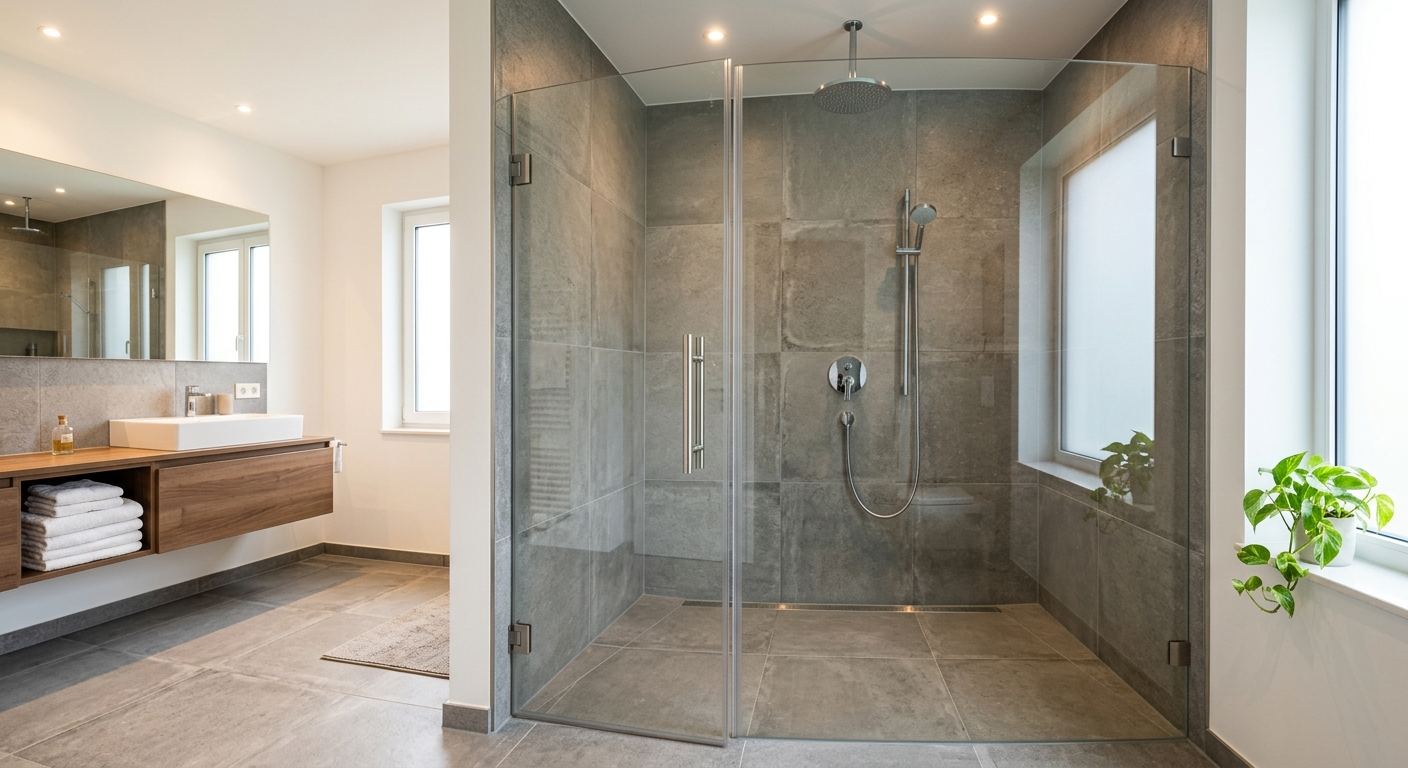
Bathroom renovation options and costs in Dovercourt-Wallace Emerson-Junction
Dovercourt-Wallace Emerson-Junction is a classic Toronto neighbourhood where bathroom renovations tend to be strongly driven by labour and the realities of older homes. With a population of 36,625 (Statistics Canada, 2021 Census), the local trade base is busy and competitive, and pricing reflects that demand. In this part of the city, many houses are older post-war and 1960s–1980s builds, which often means dated plumbing layouts and drains that can’t simply be “left as-is.” It’s also common to discover problematic materials behind finishes, including asbestos-containing tile or old compounds in pre-1985 interiors—one of the reasons you can’t responsibly budget purely based on surface finishes.
Toronto’s climate doesn’t usually cause major structural damage the way freeze–thaw does in harsher regions, but moisture management still matters. A bathroom that isn’t waterproofed and ventilated correctly can develop mould and deterioration over time, so reputable contractors prioritize waterproofing and exhaust fan performance. Availability is also a market factor: GTA skilled trades command premium hourly rates for tiling, waterproofing, and complex plumbing work, especially when converting a tub to a shower or rerouting drains and vents. In high-demand pockets like the Dovercourt Village and Wallace Emerson area, contractors often have less scheduling flexibility—another reason quotes should be compared with scope and timeline, not just total price.
To make it easier to compare options, here are realistic renovation tiers and how long they typically take—then you can match a scope to your budget in the next step.
| Renovation Scope |
What's Included |
Typical Duration |
Price Range |
| Cosmetic refresh (paint, fixtures, accessories only) |
Clean-up and prep; paint; replace vanity/mirror/lighting; swap toilet and tub/shower trim only; re-caulk; no moving plumbing; basic hardware and accessories |
3–7 days |
$6,000 – $12,000 |
| Mid-range full renovation (new tile, vanity, tub/shower, electrical) |
Demo and disposal; replace vanity and toilet; rework existing tub/shower or install a standard shower valve; tile floor and surround; waterproofing; exhaust fan (vented) and GFCI where needed; electrical trim-out |
2–4 weeks |
$12,000 – $20,500 |
| High-end full renovation (custom tile, steam shower, heated floors) |
Full demo; custom waterproofed shower (tile and linear drain option); premium tile; heated floors circuit; upgraded venting; new fixtures and controls; recessed lighting/finish electrical; refined plumbing rough-in as needed |
4–7 weeks |
$20,500 – $30,000 |
| Shower-only installation (convert tub to walk-in shower) |
Remove tub and replace with walk-in shower pan/valve; relocate drains if required; tile floor and walls; waterproofing; glass enclosure (standard) or framing for it; new exhaust fan if needed |
2–5 weeks |
$4,000 – $12,000 |
| Bathtub replacement or tub-liner install |
Remove existing tub (or prep for liner); install new tub or liner system; replace trim and valve (where required); re-caulk and seal; test and verify drains |
1–3 weeks |
$1,200 – $3,500 |
| Tile-only installation (floor + surround, existing layout kept) |
Tile removal; prep and patching; new waterproofing to the tiled areas; install tile; grout/seal; keep existing vanity and fixtures in place (unless otherwise noted) |
1–3 weeks |
$3,000 – $10,000 |
Prices are estimates only and vary by project scope, site access and material selection.
What affects the price of bathroom renovation in Dovercourt-Wallace Emerson-Junction
In the Toronto economic region, two quotes for what looks like the “same” bathroom can differ by 30–50% because GTA work is labour-intensive and renovation scope can expand quickly once walls and floors open up. The big drivers are the regional labour rates and the age of the housing stock—not the day-to-day weather. Dovercourt-Wallace Emerson-Junction is filled with older post-war and mid-century homes, where it’s common to find cast-iron or undersized drain components, older shut-offs, and supply lines that need attention before new fixtures can be safely installed. That’s why many projects land in the low-to-mid five-figure range for full renovations and climb toward the upper end when plumbing venting or drain reconfiguration is required.
Here are a few concrete examples of how local conditions raise or lower cost. Example one: if the tub/shower drain or venting must be moved or corrected to meet current Ontario code, you can add several thousand dollars for drain reconfiguration, vent corrections, and new shut-offs—pushing a project toward the $12,000 – $30,000 full-reno band. Example two: discovery of asbestos-containing materials (commonly in older floor tile or drywall compounds) triggers abatement protocols; it can add $1,500 – $5,000+ and also adds scheduling time for licensed work. Example three: bathrooms with poor ventilation—common in some older layouts—often require a better exhaust strategy; that can add electrical and ducting scope, but it prevents long-term moisture issues.
On the flip side, cost can come down when you keep the layout intact and choose mid-range tile and fixtures, sticking closer to the mid-range band—often easier to control than a full reroute. For a buyer balancing risk, the best strategy is matching finish upgrades to the plumbing “certainty” of your existing layout.
| Price Factor |
Why It Matters |
Cost Impact |
| Layout change — moving drain or supply lines requires rough-in work |
Moving plumbing means opening walls/floors, correcting venting, and redoing rough-in and testing |
Often adds $3,000 – $8,000 depending on how far and how complex the reroute is |
| Tile selection — large-format porcelain vs. mosaic vs. ceramic |
Harder cuts, more small-format labour, and higher material waste on complex patterns |
Can shift total tile scope by $1,500 – $6,000 |
| Fixture tier — builder-grade vs. mid-range vs. designer brands |
Valve quality, cartridge longevity, and finish durability vary significantly |
Typical difference is $500 – $3,500+ within the same bathroom scope |
| Subfloor condition — rot or unlevel concrete adds scope |
Bad substrates require rebuild/patching before tile and waterproofing can be installed properly |
Often adds $800 – $3,500 for framing/underlayment and prep |
| Electrical — adding GFCI outlets, exhaust fan, heated floor circuit |
Bathrooms require safety updates and proper fan sizing/venting; heated floors add dedicated circuits |
Can add $500 – $4,000 |
| Waterproofing method — membrane type and extent |
Better systems reduce leak risk; they also require correct overlaps and compatible substrates |
Can add $600 – $3,000 depending on coverage and product system |
| Older-home surprises — asbestos tile, cast-iron drains, galvanized pipes |
Licensed abatement, drain replacement, and supply line upgrades increase both time and cost |
Can add $1,500 – $10,000+ |
| Bathroom size — sq ft drives tile and labour time directly |
More surface area means longer installation and more setting/grouting/waterproofing |
Commonly shifts costs by $1,000 – $6,000 |
Permits & regulations in Ontario
In Ontario, many cosmetic bathroom updates typically do not require permits—think swapping a vanity, replacing a toilet, retiling in the same footprint, or painting and installing accessories. However, permits become much more likely when you change plumbing systems, modify the electrical system, or alter structural elements. For homeowners in Dovercourt-Wallace Emerson-Junction, the key distinction is whether you’re changing anything behind the finished surfaces, not just what you can see.
Work that DOES commonly require a permit and inspection includes: relocating plumbing (moving a drain or supply line), adding or changing electrical circuits (for example, new GFCI outlets, running wiring for an exhaust fan, or installing a heated floor circuit), and any venting or rough-in work related to new fixtures or shower valves. Work that typically does NOT require a permit includes: fixture swaps that do not change wiring or plumbing locations, like replacing a vanity, mirror, or trim kit, and tile installation that keeps the layout and does not involve structural changes.
Step-by-step, verify your contractor properly: (1) Ask for their Ontario trade licence and confirm it through the appropriate online registry; (2) request a certificate of insurance showing general liability and, if applicable, coverage for your project; (3) confirm they carry WSIB/WCB clearance (or appropriate coverage documentation). Get the clearance letter and confirm dates—expired coverage is a red flag. Finally, ensure the quote clarifies who pulls permits, which inspections are included, and whether disposal and protection are part of their scope.
Choosing tile, waterproofing and fixtures for your Dovercourt-Wallace Emerson-Junction bathroom
In Dovercourt-Wallace Emerson-Junction, your renovation budget is shaped most by three material decisions: tile, waterproofing, and fixture tier. First is tile choice. Ceramic tile is a good entry-level option, but it’s typically less forgiving on durability and often looks more “budget” once grouting and transitions are done. Porcelain is denser and more suitable for floors and wet areas. Natural stone—marble, travertine, or slate—can create a high-end look, but it’s also more demanding to install and maintain, and it often increases labour time and waste because of variance.
Second is waterproofing. Even though Toronto’s climate doesn’t drive the same extreme freeze–thaw damage as farther north, bathrooms still sit in high humidity. The wrong membrane system or poor detailing at corners, niches and change-of-plane transitions can lead to mould and hidden water damage. A paint-on membrane can work for limited scenarios, while bonded sheet membranes and integrated systems (including reputable shower-system methods) typically offer stronger protection when installed correctly with proper overlaps and compatible substrates.
Third is fixtures. Builder-grade valves and trims cost less up front, but mid-range or better-designed controls can improve shower performance and reduce service calls. For example, a typical full renovation in the $12,000 – $20,500 range may justify spending extra on porcelain tile and a quality waterproofing system—often worth more than upgrading to the most expensive designer fixtures if your plumbing is unchanged. Where your plumbing is uncertain (older drains or venting), it’s smarter to protect the “behind-the-wall” investment first, then upgrade finishes.
Choose a combination that matches your specific layout risk: keep costs predictable when you can, and upgrade strategically where waterproofing and install quality have the biggest payoff.
| Material / Option |
Pros |
Cons |
Price Range |
| Ceramic tile (floor + walls) |
Great for budget-friendly looks; lots of colour/size options; easy to source |
Less durable than porcelain for floors; higher absorption can complicate wet-area expectations |
$3,000 – $6,000 |
| Porcelain tile (floor + walls) |
Low absorption; durable for floors and shower surrounds; wide design range (including large-format) |
Larger format can require more precise substrate work and increase labour if cuts are complex |
$6,000 – $10,000 |
| Natural stone (marble, travertine, slate) |
Premium appearance and unique veining; high perceived value for resale |
More labour for layout/finishing; needs sealing/ongoing maintenance; variations can increase waste |
$9,000 – $15,000 |
| Frameless glass shower enclosure |
Cleaner look; makes smaller bathrooms feel larger; easy to keep tidy |
Higher cost; precise measurements needed; not ideal when the wall framing isn’t square |
$2,500 – $6,500 |
| Prefab tub surround (acrylic) |
Fast install; fewer tile cuts; good water resistance when installed correctly |
Less custom look; seams and transitions may be more visible; can limit design flexibility |
$1,200 – $3,500 |
| Custom shower pan (tile or linear drain) |
Modern finishes; excellent drainage control; allows a seamless, premium floor build |
More labour and waterproofing detailing; linear drains require precise slope and trim |
$4,000 – $12,000 |
How to choose a bathroom renovation contractor in Dovercourt-Wallace Emerson-Junction
Start by verifying licensing, insurance, and coverage before you compare prices. In Ontario, electrical work must be completed by or signed off by a licensed electrician, and plumbing work involving rough-in changes is typically handled with appropriate permits and inspections. Ask for proof of Ontario trade licensing (for the applicable trades), a certificate of general liability insurance for your project, and WSIB/WCB clearance or comparable coverage documentation. How to check: look for the licence numbers on their paperwork and confirm them via the provincial online registry; request a current certificate of insurance and make sure it matches your contractor’s legal name; and ask for the WSIB/WCB clearance letter with coverage dates.
Then request 2–3 itemised written quotes. You want a labour and materials breakdown (tile, membrane system, waterproofing accessories, fixtures, disposal, and any protection/cleanup), not a lump sum that hides assumptions. Read the scope carefully: ask what’s excluded (for example, drywall patching beyond a specific depth, subfloor rebuild, or glass enclosure costs), whether permits are included or an additional line item, and if disposal and site protection are part of their pricing. Warranty matters too: confirm workmanship warranty length, the manufacturer warranty for products, and whether warranties are transferable if you sell your home. For payment, never pay more than 10–15% upfront; hold back until completion and final walk-through. Finally, demand a written timeline with start date and realistic completion estimate—especially important when tile and waterproofing are involved.
- Provide Ontario trade licence numbers and confirm them online.
- Show current certificate of insurance (liability) and match it to their contract name.
- Provide WSIB/WCB clearance letter with valid dates.
- Use itemised quotes: labour, materials, disposal, and protection separate.
- Clarify whether permits/inspections are included and who pulls permits.
- List exclusions (demo beyond a stated area, subfloor repairs, glass enclosure, heated floors, etc.).
- Confirm waterproofing method in writing (membrane type and coverage area).
- Confirm warranty: workmanship term, product warranties, and transferability.
- Ask for schedule milestones (rough-in, waterproofing inspection points, tile set dates).
- Check payment schedule: no large upfront deposits; define holdback release conditions.
- Ask who handles asbestos/abatement discovery if older materials are found.
- Request a site protection plan to protect floors/doors and manage dust.
Red flags I commonly see in bathroom projects across Dovercourt-Wallace Emerson-Junction include: vague scopes that don’t specify waterproofing or disposal, quotes that ignore permit needs for electrical or plumbing rough-in, contractors asking for large upfront payments, no proof of insurance/WSIB/WCB clearance, and promises of “same-day tile” without a proper waterproofing schedule. If any of these show up, pause and re-check the paperwork before you commit.
Frequently asked questions — bathroom renovation in Dovercourt-Wallace Emerson-Junction
How long does tile installation take in a Dovercourt-Wallace Emerson-Junction bathroom?
In Dovercourt-Wallace Emerson-Junction, tile timelines depend mainly on waterproofing and substrate prep, not the calendar. For a typical shower/tub surround plus a bathroom floor, tile installation work often takes about 5–10 working days once surfaces are ready. If the subfloor needs rebuilding, the prep phase can add time. Also, grout cure time and waterproofing lead time mean the contractor can’t “rush” the schedule without risking failure. When you’re budgeting, treat tile as part of a system: waterproofing, curing, tile set, grouting, and finishing details. For a bathroom renovation that stays in the mid-range $12,000 – $20,500 territory, tile schedules are usually more predictable than projects that include layout changes and drain reconfiguration.
How much does a bathroom renovation cost in Dovercourt-Wallace Emerson-Junction?
Most full bathroom renovations in the Toronto economic region land in the low-to-mid five figures because labour is premium and older homes can require code upgrades once walls open. For Dovercourt-Wallace Emerson-Junction homeowners, a realistic range for a full renovation is about $12,000 – $30,000. Cosmetic refreshes are typically less, while shower-only work or tub/fixture swaps can sit in narrower ranges. The variance often comes from plumbing and vent corrections, electrical updates (like exhaust fan circuits and GFCIs), and any older-home surprises such as asbestos-containing materials. If you’re starting with an older 3-piece layout and want to keep the footprint, you usually control cost better than when moving drains or adding a steam shower.
How long does a bathroom renovation take in Dovercourt-Wallace Emerson-Junction?
Timelines in Ontario’s GTA are driven by labour scheduling, material lead times, and the waterproofing “wait” periods. A cosmetic refresh might take about 3–7 days, while a mid-range full renovation commonly takes 2–4 weeks. High-end work with custom shower builds, heated floors, and premium tile can stretch to 4–7 weeks. If your project requires plumbing venting corrections, drain reconfiguration, or permits and inspections for electrical/plumbing rough-in, schedule can extend. In older Dovercourt-Wallace Emerson-Junction homes, discovery of hidden conditions can add time for licensed abatement or additional framing/subfloor repairs, which is why reputable contractors build buffer into the start-to-finish schedule. Ask your contractor for a written schedule with milestones, not just a single “completion by” date.
Do I need a permit for a bathroom renovation in Ontario?
Often, purely cosmetic bathroom updates don’t require a permit in Ontario—swapping a vanity, replacing fixtures without changing plumbing locations, repainting, or retiling in the same footprint typically falls into that bucket. You more commonly need permits when you relocate plumbing (moving drain/supply lines), make electrical changes such as adding exhaust fan circuits or GFCI receptacles where new wiring is required, or when structural changes are involved. In Dovercourt-Wallace Emerson-Junction, many bathrooms in older housing stock eventually require updates once the walls are opened, so permits become more likely than homeowners expect. Your contractor should clearly state what permits they will pull, which inspections are included, and who is responsible for code-compliant electrical and plumbing work. When in doubt, ask for the permit plan before signing.
What's the best tile for a bathroom in Dovercourt-Wallace Emerson-Junction?
“Best” depends on where the tile goes and how much you want to spend. For most homeowners in Dovercourt-Wallace Emerson-Junction, porcelain tile is often the best practical choice because it’s durable for floors and performs well in wet areas. Ceramic can work for budget-oriented projects, but it usually requires more attention to installation details and slip resistance. Natural stone looks premium and can elevate resale, but it’s typically more maintenance-focused (sealing/ongoing care) and can increase installation complexity because of variance. Regardless of choice, the bigger determinant of long-term performance is waterproofing and installation quality: correct membrane coverage, proper detailing at corners and transitions, and good grout/water management. If you’re aiming around $12,000 – $20,500, porcelain with a strong waterproofing system is usually the best value.
Should I do a tub-to-shower conversion?
A tub-to-shower conversion can be a smart move in Ontario if your goals are accessibility, easier cleaning, or better daily use. In Dovercourt-Wallace Emerson-Junction homes, it’s also common, but the key question is whether your existing drain and venting are compatible with a shower layout. Converting usually costs more than you expect when the contractor must reroute drains/supplies or correct venting to meet current code—this is where budgets can jump. If plumbing is straightforward, a shower-only installation can often land in the $4,000 – $12,000 band; if not, you may need to treat it like a partial/full renovation depending on the extent of rough-in and tile scope. Consider your household needs, resale expectations, and whether you’ll add a curb-free or low-threshold shower for future comfort.