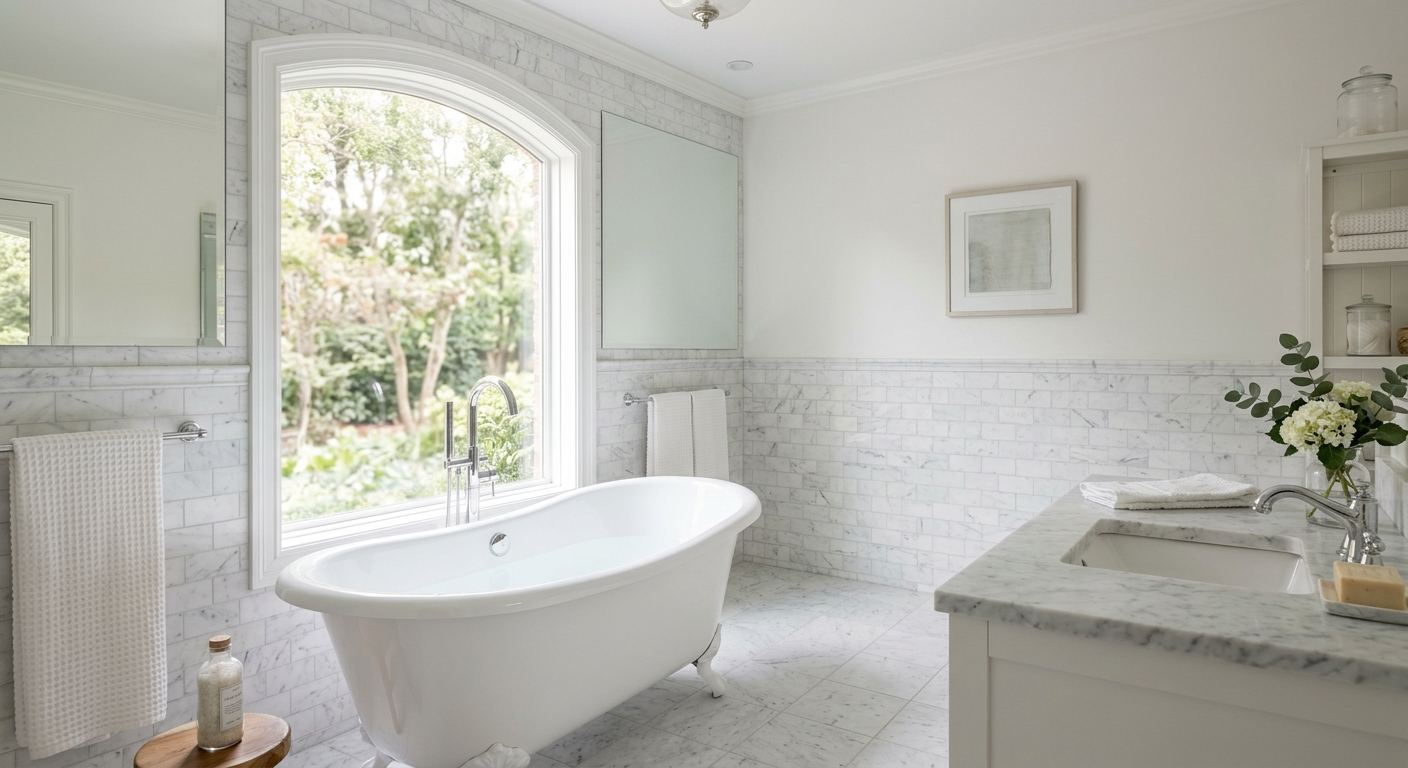
Bathroom renovation options and costs in Mill Courtland Woodside Park
Mill Courtland Woodside Park is a great place for a thoughtful bathroom update, but your options and pricing will depend heavily on what you’re changing. In this area, most homeowners are working with an existing housing mix—Statistics Canada reports a population of 3,639 (Statistics Canada, 2021 Census)—and in the broader Toronto economic region, many homes were built in the post-war decades and later, when plumbing layouts and drainage materials were often less flexible for modern shower designs. That matters because older floor tiles and floor build-ups can include asbestos-containing materials, and dated drain stacks sometimes reveal themselves once walls and floors are opened. Toronto also has a humidity and seasonal freeze-thaw pattern that puts real stress on grout joints and waterproofing, so contractors price “water management” work carefully rather than rushing it.
In practice, bathroom work in the GTA is labour-driven. Skilled trades command premium hourly rates, and the higher intensity of tiling, custom shower builds, and plumbing tie-ins increases the risk-cost for contractors—especially if a home has galvanized supply lines, undersized drains, or ventilation that isn’t up to current expectations. You’ll often see this trade demand especially in the Mill Courtland Woodside Park and nearby communities where older post-war neighbourhoods meet growing renovation activity and property turnovers; that’s where schedules tighten for licensed plumbers and tile setters.
If you want a clear budget path before demolition day, the table below compares the most common renovation levels—from a cosmetic refresh through high-end full renovations—so you can match scope to your target spend.
| Renovation Scope |
What's Included |
Typical Duration |
Price Range |
| Cosmetic refresh (paint, fixtures, accessories only) |
Paint, vanity top or vanity swap (no plumbing move), toilet/vanity faucet replacement, new accessories, caulking refresh; usually no tile removal beyond touch-ups |
3–5 days |
$3,000–$8,000 |
| Mid-range full renovation (new tile, vanity, tub/shower, electrical) |
Demo, waterproofing and tile floor + walls, new vanity and toilet, tub surround or updated tub/shower, new exhaust fan, updated GFCI, plumbing refresh (typical shut-offs), disposal |
2–4 weeks |
$12,000–$20,000 |
| High-end full renovation (custom tile, steam shower, heated floors) |
Extensive tile design, premium waterproofing system, heated floor circuit, custom shower and niche/linear drain option, upgraded plumbing fixtures, enhanced ventilation, higher-end vanity/trim |
3–6 weeks |
$20,000–$30,000 |
| Shower-only installation (convert tub to walk-in shower) |
Remove tub, build new shower base (or pan), waterproofing, tile surround, new valves/trim, glass door allowance, updated drain/venting checks, exhaust fan assessment |
2–3 weeks |
$10,000–$18,000 |
| Bathtub replacement or tub-liner install |
Remove and replace tub OR install tub liner system, new caulking, minor surround adjustments, plumbing hookup refresh, re-seal waterproof transitions |
1–2 weeks |
$4,000–$7,000 |
| Tile-only installation (floor + surround, existing layout kept) |
Tile floor and shower/tub surround, grout and sealing, surface prep, waterproofing upgrade where needed; existing fixtures largely retained |
1–2 weeks |
$6,000–$14,000 |
Prices are estimates only and vary by project scope, site access and material selection.
What affects the price of bathroom renovation in Mill Courtland Woodside Park
In Mill Courtland Woodside Park and across the Toronto economic region, two quotes for the “same” bathroom can differ by 30–50% because the true costs sit in labour intensity, trade availability, and what gets discovered after walls open. The GTA’s skilled labour rates are higher than the national average, and bathroom renovations are inherently labour-heavy—tiling, custom shower work, and plumbing rough-ins take time and require experienced crews. On top of that, older homes in the Toronto region often hide cast-iron or copper drain stacks that don’t align neatly with modern shower drains, plus galvanized supply lines and ventilation that may be underperforming.
Asbestos can also drive sudden scope growth. If asbestos-containing materials show up in vinyl floor tile, floor mastic, or certain older drywall compounds, an abatement approach is required, and that commonly adds $1,500–$5,000+ before you even start refinishing. A typical scenario is: you budget for mid-range tile and fixture swaps, but once the subfloor is opened you find softness/unlevel surfaces that require extra prep and waterproofing protection.
Concrete examples in Mill Courtland Woodside Park: (1) changing from a basic tub surround to a full-height tiled shower increases waterproofing labour and can add several thousand dollars; (2) keeping the existing plumbing layout usually keeps your budget closer to the $12,000–$20,000 mid-range band, while relocating drains or adding a steam-ready exhaust/vent setup pushes many projects toward the $20,000–$30,000 high-end range; and (3) bathrooms with older drain routes often require drain reconfiguration and vent corrections, which can be the difference between a “fast” renovation and a slower, more expensive build.
| Price Factor |
Why It Matters |
Cost Impact |
| Layout change — moving drain or supply lines requires rough-in work |
More demo, more plumbing labour, possible vent corrections, and rework to meet code |
+ |
| Tile selection — large-format porcelain vs. mosaic vs. ceramic |
Harder materials need skilled cuts, extra prep, and more time for membranes and edging |
+ |
| Fixture tier — builder-grade vs. mid-range vs. designer brands |
Branded valves, trims, and vanity systems can change material and install complexity |
+ |
| Subfloor condition — rot or unlevel concrete adds scope |
Requires rebuild/leveling, membrane continuity planning, and additional waterproofing protection |
+ |
| Electrical — adding GFCI outlets, exhaust fan, heated floor circuit |
New circuits increase labour and require licensed electrical sign-off |
+ |
| Waterproofing method — membrane type and extent |
Better systems and proper roll-up at edges cost more but prevent leaks and callbacks |
+ |
| Older-home surprises — asbestos tile, cast-iron drains, galvanized pipes |
Discovery triggers abatement and/or drain/supply upgrades and added coordination |
+ |
| Bathroom size — sq ft drives tile and labour time directly |
More coverage means more mortar, cuts, setting time, and longer curing cycles |
Varies |
Permits & regulations in Ontario
In Ontario, the rule of thumb is that cosmetic updates typically don’t need permits. Swapping fixtures in place—like replacing a vanity with the same footprint, swapping a toilet, repainting, and re-caulking—usually stays within “like-for-like” work. However, permits are commonly required when you move plumbing, change the electrical system, or alter structural elements. For bathroom renovations, this usually includes relocating or adding drains/supply lines, installing an exhaust fan that requires new venting or new electrical circuit work, and making any structural wall changes.
Electrical work must meet Ontario electrical code requirements and be done or signed off by a licensed electrician. Plumbing rough-in changes—such as rerouting the drain, modifying venting, or adding shut-offs—typically require a permit and inspection through the local building process. Always confirm requirements with your contractor before you start demo.
To verify a contractor’s Ontario licensing and protection in Mill Courtland Woodside Park, you can follow a simple sequence: (1) ask for their Ontario trade licence number (for plumbing and electrical work, ensure the right licence is held by the right trade); (2) request a current certificate of insurance showing liability coverage; (3) confirm WSIB/WCB coverage for their workers (and request proof); and (4) if asbestos abatement is needed, verify they’re using the appropriate licensed abatement approach and documentation. For the “where to look” part, start with the contractor’s licence listing online, then match the licence number to the certificate of insurance and WSIB/WCB proof they provide before you sign.
Choosing tile, waterproofing and fixtures for your Mill Courtland Woodside Park bathroom
In Mill Courtland Woodside Park, three decisions usually decide both your budget and your long-term performance: tile choice, waterproofing method, and fixture tier. First, tile: ceramic is an entry-level option and is generally more forgiving to install, but it may not offer the same durability as porcelain in high-splashed areas. Porcelain is often the “best balance” for floor and walls because it handles water exposure well and resists wear. Natural stone (marble, travertine, slate) can look spectacular, but it adds complexity—stone often needs specialized sealing and careful slope and edge detailing to protect grout lines.
Second, waterproofing: the right system prevents mould and call-backs in Ontario’s damp bathroom environments. Paint-on membranes can work in limited applications, while bonded sheet membranes and proven tile-drain systems tend to perform better for showers when installed with proper overlaps and sealing at corners. Third, fixtures: builder-grade can keep you closer to a mid-range full renovation budget, while designer brands and steam-ready trim can push costs toward the high end of the GTA range, especially once you factor in extra labour for valve placement and tile detailing.
A specific example: if you’re choosing between mid-range porcelain and natural stone, you might spend roughly $2,000–$6,000+ more depending on stone selection and finishing. That cost is often justified when you’re making the shower the focal point and you want longevity in appearance—but it may not be worth it if you’re keeping the layout small and aiming for a functional update near the $12,000–$20,000 band.
| Material / Option |
Pros |
Cons |
Price Range |
| Ceramic tile (floor + walls) |
Often lower material cost, many styles available, generally easier to source and install |
Lower water/durability performance than porcelain for some applications; can be more prone to chipping if heavy traffic |
$3,000–$7,000 |
| Porcelain tile (floor + walls) |
Excellent water resistance for bathrooms, durable surface, clean modern looks including large formats |
Heavier tile needs skilled layout; more careful cutting and subfloor prep required |
$5,000–$10,000 |
| Natural stone (marble, travertine, slate) |
Premium appearance and unique variation, great for feature walls and upscale bathrooms |
Sealing and maintenance requirements; can increase labour for fitting, edging and waterproofing compatibility |
$8,000–$16,000 |
| Frameless glass shower enclosure |
Brightens the space, modern look, reduces visual clutter |
Higher material cost, requires precise framing/leveling and careful door fit |
$1,800–$5,000 |
| Prefab tub surround (acrylic) |
Faster install, consistent surfaces, often easier to clean |
Limited design flexibility compared with full tile, can look less premium |
$700–$2,500 |
| Custom shower pan (tile or linear drain) |
Best drainage control, can create a true spa feel with built-in slope and linear drain aesthetics |
More labour for slope and waterproofing detailing; higher material and plumbing tie-in complexity |
$2,500–$8,000 |
How to choose a bathroom renovation contractor in Mill Courtland Woodside Park
Choosing the right contractor in Mill Courtland Woodside Park is mostly about protecting yourself during the demolition-to-finish stretch. Start by verifying Ontario licensing and coverage: ask for the contractor’s Ontario trade licence (or the licence numbers of the trades they will use), then request a certificate of liability insurance and proof of WSIB/WCB coverage for workers. You should be able to see documentation before work starts, not after issues occur.
Next, get 2–3 itemised written quotes. Look for line-by-line labour and materials, not just a lump sum. A strong quote will separate demo, plumbing rough-in allowances, waterproofing system, tile setting labour, substrate prep, electrical (if applicable), and disposal. Carefully check what’s excluded: who handles permit pull if required, whether drywall removal includes disposal, how damaged subfloor repairs are priced, and whether extra tile cuts due to plumbing locations are covered or treated as change orders.
Warranty also matters. Ask for the workmanship warranty length and whether it covers leaks and grout failure—plus the manufacturer warranty on the shower system, waterproofing, and fixtures. Confirm whether warranties are transferable if you sell the home. For payment, never pay more than about 10–15% upfront; use progressive payments tied to milestones and hold back a portion until the job is complete and inspected. Finally, insist on a written start date and completion estimate, especially when custom tile or glass lead times affect the schedule.
- Ask for licence numbers and confirm they match the trades doing the work.
- Request a certificate of liability insurance dated within the last year.
- Confirm WSIB/WCB coverage in writing (proof, not just verbal reassurance).
- Get itemised quotes: demo, rough-in allowances, waterproofing, tile labour, electrical, and disposal separated.
- Clarify permit responsibility: permit pull included or homeowner/GC responsibility.
- Confirm asbestos/abatement handling plan if older floor tile or mastic is discovered.
- Ask what waterproofing system is used (membrane type, coverage areas, overlaps) and who supplies it.
- Verify the exact tile install method: substrate prep, slope/curb details, movement joints, and grout selection.
- Request the warranty terms in writing: workmanship duration and leak coverage.
- Discuss the payment schedule; cap deposits around 10–15% and hold back until completion.
- Get a written timeline with specific milestones (demo complete, rough-in complete, tile phase, trim/glass).
- Ensure change-order process is documented and that exclusions are listed clearly.
Red flags I see often in Mill Courtland Woodside Park bathroom projects include: “cash only” or vague receipts, quotes that omit waterproofing details, no mention of permit/electrical responsibility, refusing to show proof of WSIB/WCB and insurance, and promises like “we’ll fix everything at no cost” without a written warranty term.
Frequently asked questions — bathroom renovation in Mill Courtland Woodside Park
How long does tile installation take in a Mill Courtland Woodside Park bathroom?
Tile time in Mill Courtland Woodside Park depends on bathroom size and the complexity of the layout (tub surround versus full shower, niches, linear drain, and large-format tile). In a typical mid-range full renovation, tile setting and grouting is often done within about 5–8 working days, assuming substrate prep and waterproofing prep are completed on schedule. Add curing time requirements for membranes and grout, which is why the overall renovation frequently lands in the 2–4 week window for mid-range jobs. For a smaller tile-only scope, installation can be faster, but the careful waterproofing transitions at edges still take time. Expect scheduling risk if trades discover subfloor issues mid-demolition.
How much does a bathroom renovation cost in Mill Courtland Woodside Park?
For Mill Courtland Woodside Park, a full bathroom renovation in the Toronto economic region typically falls in the low-to-mid five-figure range when it’s a practical, complete update. Many homeowners budget around $12,000–$20,000 for a mid-range full renovation and plan closer to $20,000–$30,000 when they want custom tile, higher-end fixtures, or heated floors. Costs can swing because GTA pricing is labour-driven—tiling and plumbing rough-in time is significant—and older homes can require extra drain reconfiguration, vent corrections, or upgrades if galvanized supply lines are found. If asbestos-containing materials are discovered, abatement can add several thousand dollars before finishes are installed.
How long does a bathroom renovation take in Mill Courtland Woodside Park?
Timelines in Ontario are driven by demolition, rough-in inspections, waterproofing curing, and product lead times (especially glass enclosures and premium fixtures). A mid-range full bathroom renovation commonly takes about 2–4 weeks from start to finish, while high-end renovations can run 3–6 weeks depending on the shower design and heated floor coordination. Shower-only conversions (like tub-to-walk-in) often land around 2–3 weeks if plumbing and venting work are straightforward. The biggest schedule risk is “hidden condition discovery,” like subfloor unlevelness, drain stack issues, or any asbestos-related steps that delay tiling readiness. A good contractor will provide a milestone schedule in writing and coordinate inspections promptly.
Do I need a permit for a bathroom renovation in Ontario?
In Ontario, cosmetic changes usually don’t require a permit—think fixture swapping in the same locations, repainting, and typical vanity/accessory updates. Permits are commonly needed when you relocate plumbing (moving drain or supply lines), add or modify electrical components (like a new exhaust fan circuit, heated floor circuit, or additional outlets), or make structural changes. Electrical work must be done or signed off by a licensed electrician, and plumbing rough-in changes typically require permits and inspections. For a homeowner in Mill Courtland Woodside Park, the practical step is to have your contractor specify which tasks trigger permits and then verify responsibility (permit pull included or not) in the written quote. Always request the licence and proof of coverage before work starts.
What's the best tile for a bathroom in Mill Courtland Woodside Park?
The “best” tile usually comes down to durability, slip resistance, and how it’s installed with proper waterproofing. In a Toronto-area bathroom, porcelain is often the top choice for floors and walls because it handles moisture and wear very well, and it’s available in modern finishes. Ceramic can be a good entry option if the design is simple and the installation is done correctly. Natural stone can look high-end, but it requires careful sealing and compatible waterproofing detailing. Whatever you choose, prioritize the install system: correct substrate prep, membrane coverage, and movement joints where needed. If you’re planning a budget around $12,000–$20,000, porcelain usually delivers the best performance-per-dollar without pushing your project into the highest-end band.
Should I do a tub-to-shower conversion?
A tub-to-shower conversion is often worth it if you want easier day-to-day access, less maintenance, or a more modern look with a tiled shower and glass. In Ontario bathrooms, the conversion also tends to improve “water control” when the shower is built with a properly sloped pan and a complete waterproofing system. On the cost side, conversions often price higher than a cosmetic refresh because you’re removing the tub, building a shower base, and revisiting the drain and valve setup; many projects land around $10,000–$18,000 depending on tile complexity, glass, and whether any venting/drain upgrades are required. If your existing plumbing is already aligned, it’s smoother; if older drain stacks or ventilation issues show up, scope can expand.