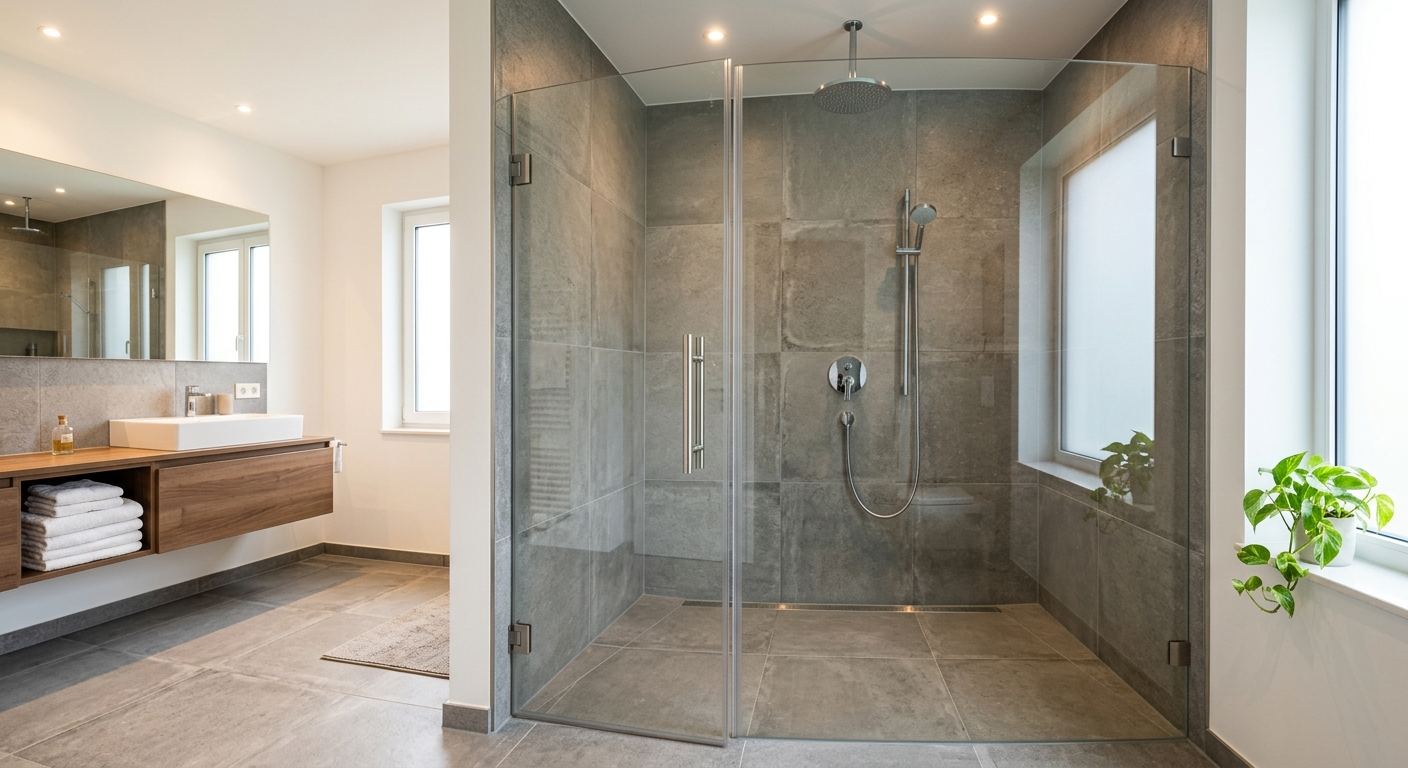
Bathroom renovation options and costs in Angus
Bathroom renovations in Angus, Ontario tend to fall into a handful of predictable buckets, from quick cosmetic refreshes to full rip-outs with plumbing upgrades. With Angus sitting inside the Greater Toronto housing market, many homes reflect post-war and later builds—around the Toronto economic region, this means more dated drain layouts and occasional aged electrical remnants, which can surface once walls and floors are opened. Statistics Canada reported Angus’s population at 10,269 in the 2021 Census, and the steady demand for trades in the region keeps skilled bathroom crews busy, especially around peak renovation season.
Even though bathroom costs aren’t driven by “weather” the way outdoor projects are, Toronto-area humidity and rapid temperature swings still matter: proper ventilation and waterproofing details affect how often repairs are needed later. In practice, the bigger cost drivers are labour rates and the age of the housing stock—Toronto trades often command premium hourly rates, and bathroom work is labour-intensive (tiling, custom showers, and complex plumbing layouts). In older post-1960s homes, contractors commonly find issues like cast-iron or undersized drains, galvanized supply lines, or asbestos-containing materials in older tile/vinyl assemblies; correcting those items can add several thousand dollars.
Local work is often especially in demand in and around Angus’s older residential pockets and established subdivisions where kitchens and bathrooms were originally built with simpler plumbing runs. From there, the best next step is comparing realistic scope/price bands in the table below, so you can budget with fewer surprises.
| Renovation Scope |
What's Included |
Typical Duration |
Price Range |
| Cosmetic refresh (paint, fixtures, accessories only) |
New vanity or sink (no plumbing relocation), toilet/rough fixture swap, paint, accessories, caulking, deep clean; existing tile generally kept |
3–5 days |
$3,000–$7,000 |
| Mid-range full renovation (new tile, vanity, tub/shower, electrical) |
Demo and disposal, new floor and wall tile, vanity + mirror, tub/shower or surround, waterproofing, exhaust fan upgrade (typical), basic electrical (GFCI as needed), re-connect plumbing to existing locations |
2–3 weeks |
$12,000–$20,000 |
| High-end full renovation (custom tile, steam shower, heated floors) |
Extensive waterproofing, custom shower system, heated floor mat + thermostat wiring, higher-tier fixtures, custom niches/trim, premium tile layout, improved ventilation and updated plumbing where required |
3–5 weeks |
$20,000–$30,000 |
| Shower-only installation (convert tub to walk-in shower) |
Remove tub, build walk-in shower, curb or no-curb design (as specified), new shower valve/trim connection, tile or engineered pan system, waterproofing, ventilation refresh |
2–3 weeks |
$10,000–$18,000 |
| Bathtub replacement or tub-liner install |
Swap tub for a new acrylic tub and re-caulk/seal, or tub-liner system where appropriate; limited tile changes; plumbing checks and shut-offs as needed |
5–10 days |
$1,200–$5,000 |
| Tile-only installation (floor + surround, existing layout kept) |
Remove tile, prep surface, install tile floor + tub/shower surround, grout/seal, waterproofing to the specified areas; fixtures typically reused |
1–2 weeks |
$3,000–$10,000 |
Prices are estimates only and vary by project scope, site access and material selection.
What affects the price of bathroom renovation in Angus
In Angus, it’s common to see quotes for the “same” bathroom differ by 30–50% once contractors open walls and confirm what’s really there. In the Toronto economic region, this isn’t mainly about outdoor climate—it’s about labour rates and the age of housing stock. Skilled bathroom labour (tiling, custom shower work, and plumbing adjustments) is time-heavy, and GTA crews charge a premium hourly rate. So even small design changes—like moving a drain or adding a heated-floor circuit—can move your budget into a different band.
Older homes around the GTA often hide cast-iron or copper drain stacks that don’t meet current expectations, galvanized supply lines that need replacement, and ventilation that’s undersized for today’s moisture loads. Those discoveries can inflate scope fast. For example, an “up to $20,000” mid-range full renovation can become a higher-end job if drain reconfiguration and vent corrections run beyond what was assumed. If asbestos-containing materials are found in older floor tile or drywall compound (more typical in older pre-1985 assemblies), abatement triggers additional certified work and can add $1,500–$5,000+ to the budget.
Concrete examples I see in Angus: (1) keeping the toilet and tub in the same location usually keeps costs closer to the low-to-mid-five-figure range; (2) switching from ceramic to large-format porcelain can raise labour due to layout, transit, and more precise thinset/set time; (3) adding an exhaust fan with ducting and proper circuit work often pushes electrical and ventilation scope upward even when the fixture costs aren’t high.
| Price Factor |
Why It Matters |
Cost Impact |
| Layout change — moving drain or supply lines requires rough-in work |
New drain runs/venting, shut-offs, and repositioning valves increase demolition and plumbing labour |
$2,000–$8,000 |
| Tile selection — large-format porcelain vs. mosaic vs. ceramic |
Harder tile and larger panels demand tighter tolerances, more cutting, and longer install time |
$500–$4,000 |
| Fixture tier — builder-grade vs. mid-range vs. designer brands |
Higher-tier taps, valves, and vanity systems cost more and sometimes require specialized rough-in trim |
$1,000–$6,000 |
| Subfloor condition — rot or unlevel concrete adds scope |
Repairs, cement board/underlayment changes, and leveling compound extend schedule and materials |
$800–$4,500 |
| Electrical — adding GFCI outlets, exhaust fan, heated floor circuit |
New circuits and required protection increase electrician time and coordination |
$600–$3,500 |
| Waterproofing method — membrane type and extent |
Premium membranes and full-system details reduce future mould and failure risk |
$400–$3,000 |
| Older-home surprises — asbestos tile, cast-iron drains, galvanized pipes |
Requires remediation/upgrade work and licensed coordination; delays are possible |
$1,500–$10,000+ |
| Bathroom size — sq ft drives tile and labour time directly |
More surface area means more prep, tile, grout, waterproofing, and setting time |
$800–$6,000 |
Permits & regulations in Ontario
In Ontario, many bathroom updates are “cosmetic” and typically don’t require a building permit. Swapping fixtures (toilet, vanity top, sink), repainting, re-caulking, and even retiling within the existing footprint are usually handled as renovation work without permit requirements. However, once you’re relocating plumbing (moving a drain or supply line), changing the structure of walls, or adding/altering ventilation and electrical circuits, permits commonly come into play. Exhaust fan installation that involves new ducting and new electrical work is a strong trigger for permitting and inspection coordination, especially when wiring is extended or modified.
Electrical work must meet Ontario electrical safety requirements and be completed by (or signed off by) a licensed electrician. Plumbing rough-in changes—like new trap/drain configuration, venting corrections, or repositioning the shower valve—generally require a permit and inspection. The key is to verify the contractor’s Ontario trade licence and liability coverage before work starts.
For a homeowner in Angus, verifying a contractor’s legitimacy is straightforward if you do it in writing:
- Ask for the Ontario trade licence number (and confirm it is current through the appropriate online registry for their trade).
- Request a Certificate of Insurance (liability) showing active coverage limits and effective dates; keep it with your quote.
- Confirm WSIB/WCB coverage for workers (ask for the clearance letter where applicable).
- Make sure the quote lists which permit(s), inspections, and submissions are included—or explicitly excluded.
- Confirm who will be responsible for the permit pull if required.
Choosing tile, waterproofing and fixtures for your Angus bathroom
Your renovation budget in Angus is usually decided by three material choices: tile type, waterproofing system, and fixture tier. First, tile choice affects both product cost and installation complexity. Entry-level ceramic can be economical, but it’s less forgiving in high-stress wet areas. Mid-range porcelain offers better durability and moisture resistance and is often worth the upgrade for floor and wall coverage. Natural stone (marble, travertine, slate) can look premium, but it typically requires more labour for layout, sealing/maintenance planning, and careful handling—so it can push your total project toward the upper end of the local full-reno band.
Second is waterproofing, which is where Ontario bathrooms win or lose long-term. Paint-on membranes can work for light-duty applications, but for shower areas, many homeowners get better performance from a bonded sheet membrane or a complete system (including proper overlap, corners, and compatible trims). This matters because Angus-area indoor humidity plus daily shower use can feed mould if the waterproofing is incomplete or poorly tied into the drain.
Third, fixture tier impacts both cost and resale appeal. Builder-grade fixtures are budget-friendly, while mid-range and designer brands usually include better valve cartridges, smoother finishes, and more refined styling that buyers notice.
Example: if you’re deciding between mid-range porcelain and a natural stone finish, spending extra on porcelain often gives you most of the look at less installation risk. If your project is leaning toward a mid-range full renovation around $12,000–$20,000, that’s a practical way to keep the waterproofing and ventilation detail strong without overspending on stone. If you want heated floors and a custom shower, you’ll commonly be in the $20,000–$30,000 range—where premium materials and precise install time justify the premium.
| Material / Option |
Pros |
Cons |
Price Range |
| Ceramic tile (floor + walls) |
Often lowest material cost; good for walls; widely available colours and sizes |
May be less durable for floors; more susceptible to cracking if subfloor movement isn’t addressed |
$3,000–$6,500 |
| Porcelain tile (floor + walls) |
High water resistance; excellent for floors; cleaner look with consistent finish |
Heavier tile increases transport and sometimes labour; larger-format panels need precise prep |
$5,000–$10,000 |
| Natural stone (marble, travertine, slate) |
Luxury appearance; unique veining and texture |
Sealing/maintenance; chipping risk; more planning time and careful layout |
$8,000–$16,000 |
| Frameless glass shower enclosure |
Modern look, brighter bathroom, visually expands space |
Requires accurate framing/leveling; hardware and glass thickness can add cost |
$1,800–$5,500 |
| Prefab tub surround (acrylic) |
Faster installation; smooth surface; often less tile labour |
Less design flexibility than full tile; seams require careful caulking and inspection |
$800–$3,000 |
| Custom shower pan (tile or linear drain) |
Best long-term performance when done as a full waterproofing system; linear drain adds a premium finish |
More labour and layout; slope and drain alignment must be exact |
$4,000–$12,000 |
How to choose a bathroom renovation contractor in Angus
Choosing the right contractor in Angus starts with proof, not promises. First, verify Ontario licensing for the trade(s) doing the work—especially electrical and any plumbing rough-in. Next, confirm liability insurance and WSIB/WCB coverage: you should be given a Certificate of Insurance showing the current policy term and limits, and a WSIB/WCB clearance letter (or equivalent proof) that indicates workers are covered. If a contractor won’t provide these documents up front, keep your options open.
Get 2–3 itemised written quotes, not just one number. A good quote breaks labour and materials separately (tile, membrane, fixtures, plumbing components, electrical allowances) and spells out what’s included in demo and disposal. Carefully read exclusions: for example, does the quote include permit pull, asbestos testing/abatement if discovered, new shut-offs, or replacement of damaged subfloor? Then check warranty terms—workmanship warranty length, product/manufacturer warranty, and whether the warranty is transferable to future homeowners.
For payment scheduling, a common best practice is to avoid paying more than 10–15% upfront. Hold back the remainder until key milestones are complete (waterproofing verified, rough-ins inspected, final tile grouted, and fixtures sealed and tested). Finally, insist on a written timeline with a start date and completion estimate; bathroom projects can expand if hidden conditions are found, but you should still have a realistic schedule in the contract.
- Confirm their Ontario trade licence for each trade involved.
- Request Certificate of Insurance (liability) with effective dates.
- Ask for WSIB/WCB clearance or proof of coverage for workers.
- Require an itemised quote: labour vs. materials vs. allowances.
- Ensure disposal (demo + haul-away) is included or priced.
- Clarify permit pull responsibility and inspection handling.
- Ask who supplies waterproofing materials and which system is used.
- Confirm tile details: grout type, expansion joints, and layout plan.
- Check electrical scope: exhaust fan, GFCI, and heated-floor circuit.
- Review plumbing scope: shut-offs, reconnected fixtures, leak test process.
- Request a workmanship warranty and who honours it if you sell the home.
- Limit upfront payment to 10–15% and hold back for completion.
Concrete red flags in Angus: (1) a quote that’s a vague lump sum with no allowances for tile/fixtures; (2) no written waterproofing details or membrane brand/type; (3) they won’t share insurance/WSIB/WCB proof; (4) timeline promises like “one week” without accounting for demo, rough-in, tile set, and cure times; (5) refusal to include permit/inspection responsibility when plumbing/electrical scope suggests it’s needed.
Frequently asked questions — bathroom renovation in Angus
How much does a bathroom renovation cost in Angus?
In Angus, most homeowners budget based on the local Toronto-area pricing bands, because labour and older home conditions often set the pace more than the season. A cosmetic refresh (paint, fixtures, accessories only) can start around $3,000–$7,000. If you’re doing a mid-range full renovation with new tile, a vanity, and updated electrical, many projects land around $12,000–$20,000. If you’re adding a custom shower, heated floors, and higher-end finishes, it’s common to move into $20,000–$30,000. In older Angus houses, hidden issues—like cast-iron drains, galvanized supply lines, or potential asbestos-containing materials—can also push costs upward once discovered. (Statistics Canada, 2021 Census)
How long does a bathroom renovation take in Angus?
Typical durations depend on scope and how quickly rough-ins and tile can proceed. Cosmetic refresh work is usually the fastest at about 3–5 days. A mid-range full renovation often takes 2–3 weeks because demo, subfloor prep, waterproofing, tile setting, and fixture installation all require curing time. Full high-end renovations with steam shower features and heated floors often run 3–5 weeks. A shower-only tub-to-walk-in conversion frequently lands around 2–3 weeks. Timing can stretch if plumbing venting/drain reconfiguration is needed or if remediation is required due to asbestos-containing materials in older assemblies. Having an itemised schedule in writing helps avoid surprises in Ontario.
Do I need a permit for a bathroom renovation in Ontario?
In Ontario, many cosmetic updates usually do not need a permit—for example, swapping fixtures, repainting, or retiling without changing plumbing routes. You typically do need permits (and inspections) when you relocate plumbing (moving drain/supply lines), make structural changes to walls, or add/modify electrical circuits tied to bathroom ventilation, heated floors, or new outlet circuits. Exhaust fan upgrades and circuit work are common reasons for permitting coordination. A licensed electrician must do the electrical work or sign off where required. For Angus homeowners, the practical step is to check the quote for “permit included” language and ask the contractor to confirm which work triggers permits before demolition begins.
What's the best tile for a bathroom in Angus?
The “best” tile is the one that matches your bathroom use, subfloor condition, and the waterproofing system—more than just price. For floors, porcelain is usually the best balance of durability and moisture resistance; it’s often a smart choice if you want longevity in a humid, Ontario bathroom environment. Ceramic tile can work, especially when kept for walls or when installed over a properly prepared, stable subfloor, but it may be less forgiving if the structure moves. Natural stone looks high-end but often adds maintenance considerations like sealing and careful installation. If you’re in the mid-range budget near $12,000–$20,000, prioritizing porcelain plus a full waterproofing system typically delivers the best value for mould resistance and long-term appearance.
Should I do a tub-to-shower conversion?
A tub-to-shower conversion is a popular choice in Angus because it improves accessibility and often reduces future maintenance issues associated with aging tub liners or worn caulk lines. It also usually supports a cleaner modern layout with a frameless glass enclosure. Cost-wise, a shower-only installation (including the shower build and related plumbing connections to your existing layout) often sits around $10,000–$18,000, depending on whether drain/supply relocation is required and what tile system you choose. If your tub is older and the surrounding wall and waterproofing are failing, a conversion can be the most practical “one-and-done” fix. If your budget is tight, keeping plumbing locations unchanged is the biggest lever to control cost.
How do I prevent mold in a Angus bathroom?
Mould prevention in Angus (and across Ontario) is about moisture control and a properly executed waterproofing and ventilation plan. Start with a high-quality waterproofing system for shower areas—use the right membrane type for the scope and ensure corners, seams, and the drain tie-in are detailed correctly. Avoid shortcuts around transitions where tile meets tub edges, niches, or the floor. Next, make sure the bathroom exhaust fan is sized and vented properly so humidity is cleared quickly after showers. A well-installed fan and ducting can prevent the persistent dampness that feeds mould. Finally, keep grout and caulking maintained and address leaks immediately. If older materials are involved, mould issues can worsen if asbestos-containing assemblies are disturbed without proper handling.