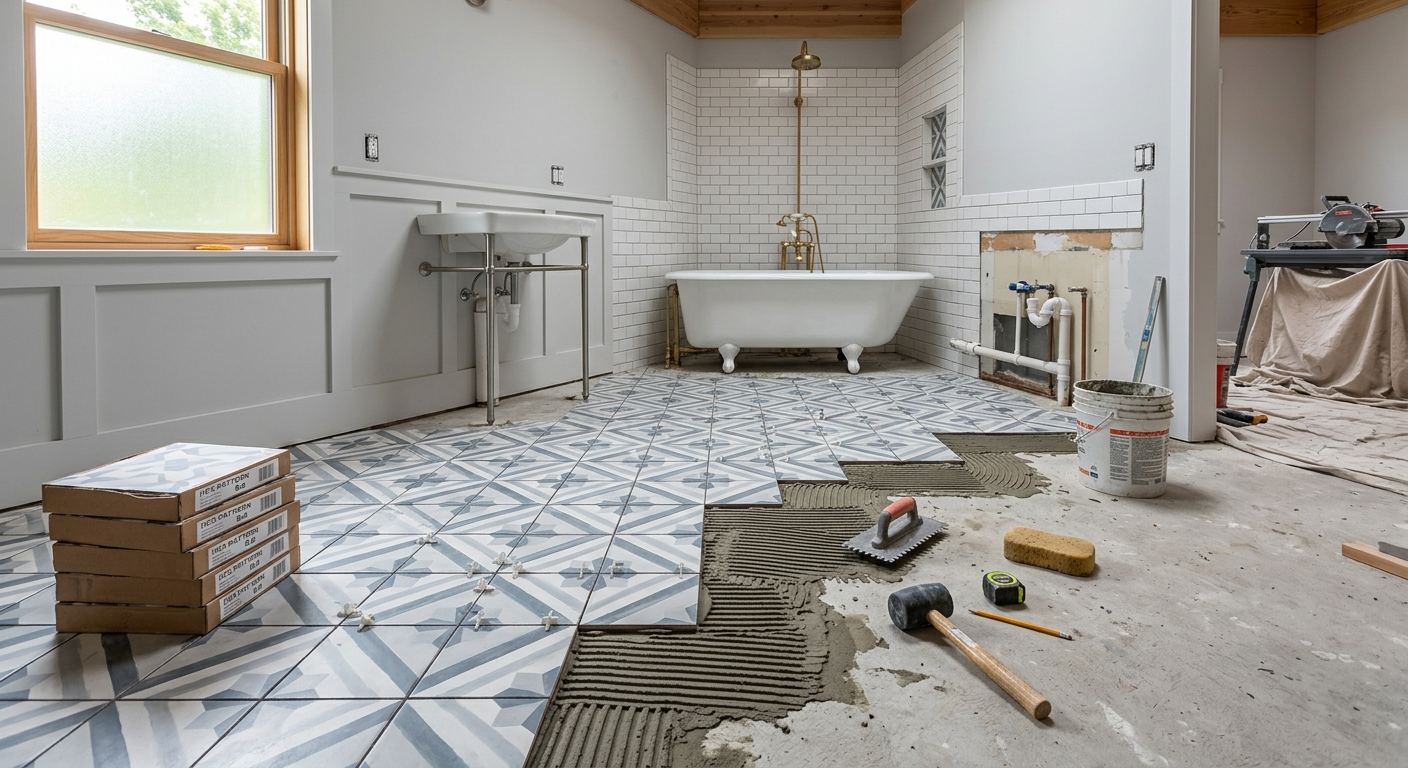
Bathroom renovation options and costs in O'Connor-Parkview
In O'Connor-Parkview, choosing the right bathroom renovation option starts with matching your expectations to what’s typical for the area’s housing stock and Toronto’s renovation demand. About 18,675 people live in the community (Statistics Canada, 2021 Census), and many nearby homes reflect the post-war and older patterns common across the GTA—layouts that often mean dated plumbing runs, limited venting, and floors that can be uneven once walls are opened. In Toronto’s market, bathrooms are in constant demand, especially where homeowners in transit-friendly pockets want practical updates without waiting months for trades.
Toronto pricing is influenced less by “climate damage” and more by labour availability and the age of the housing inventory. Even though our local climate is cold and damp, bathroom costs rise mainly when contractors must bring plumbing and ventilation up to current Ontario expectations and reconfigure drains, shut-offs, and exhaust paths. Areas with older housing stock—such as pockets near transit corridors in O'Connor-Parkview—tend to have higher call volume for tilers, plumbers, and waterproofing specialists because many owners renovate between tenants or ahead of resale.
Because of the chance of hidden conditions (cast-iron or undersized drains, older supply line materials, and sometimes asbestos-containing materials in older finishes), the same “looks the same” bathroom can land in different budget tiers. Use the comparison table below to sanity-check quotes before you lock in finishes, then we’ll break down what typically drives variations.
| Renovation Scope |
What's Included |
Typical Duration |
Price Range |
| Cosmetic refresh (paint, fixtures, accessories only) |
New vanity top or vanity swap (no plumbing moves), toilet/fixture refresh, paint, mirror/lighting accessories, caulking, deep clean |
3–7 days |
$3,000–$8,000 |
| Mid-range full renovation (new tile, vanity, tub/shower, electrical) |
Remove and dispose of old finishes, tub/shower refresh or replacement, tile floor and surround, new vanity and faucets, exhaust fan and GFCI where needed, basic waterproofing, plumbing adjustments as required |
2–4 weeks |
$12,000–$22,000 |
| High-end full renovation (custom tile, steam shower, heated floors) |
Custom walk-in/steam shower plan, premium tile layouts, heated floor under selected areas, upgraded plumbing rough-in/valves, designer lighting, enhanced waterproofing, niche and trim details |
4–6 weeks |
$22,000–$30,000+ |
| Shower-only installation (convert tub to walk-in shower) |
Tub removal, new shower pan/base and waterproofing, tile or surround, glass door/enclosure, plumbing reconfiguration for drain slope, exhaust refresh if required |
2–3 weeks |
$10,000–$18,000 |
| Bathtub replacement or tub-liner install |
Replace existing tub with new tub and surround (or install tub liner where appropriate), tile tie-in, new fixtures, sealing and waterproofing detailing at transitions |
5–10 days |
$1,200–$3,500 |
| Tile-only installation (floor + surround, existing layout kept) |
Tile removal and reinstallation only, prep/leveling as needed, waterproofing behind tile where required, grout/sealing, re-install trim and accessory mounting |
1–3 weeks |
$3,000–$10,000 |
Prices are estimates only and vary by project scope, site access and material selection.
What affects the price of bathroom renovation in O'Connor-Parkview
In O'Connor-Parkview, you can see quotes for the “same” bathroom vary by 30–50% because contractors price risk and hidden conditions differently—and in the Toronto region, labour rates and older housing stock drive that gap more than local climate alone. Toronto-area trades are premium-priced, and bathroom work is labour-intensive (tiling, custom showers, and complex plumbing access). If you’re renovating a home with older plumbing and venting patterns, the budget can rise quickly because drains, vent stacks, and shut-offs may need correction to meet Ontario expectations.
Older GTA homes frequently hide cast-iron or undersized drain runs, galvanized supply lines, and ventilation that doesn’t move moisture effectively. Those discoveries can inflate scope and schedule, which is why you’ll often see a mid-range full renovation land in the $12,000–$22,000 band, while high-end upgrades with custom glass and heated floors push toward $22,000–$30,000+. If asbestos-containing materials are found in older vinyl floor tile or surrounding compounds (more common in pre-1985 construction), licensed abatement can add roughly $1,500–$5,000+ before you even pick a grout colour.
Concrete examples from O'Connor-Parkview job sites: (1) If the shower drain needs re-slope under an old subfloor, you may pay more for demo, prep, and waterproofing transitions; (2) If the exhaust fan ducting path is blocked by older framing, adding ductwork and an updated fan can raise electrical and carpentry time; (3) If your floor is out of level, we usually need additional underlayment/patching before tile can be installed cleanly, which affects both labour and tile-setting material.
| Price Factor |
Why It Matters |
Cost Impact |
| Layout change — moving drain or supply lines requires rough-in work |
Plumbing rough-in and venting coordination add labour and inspection time |
Often +$3,000–$10,000+ |
| Tile selection — large-format porcelain vs. mosaic vs. ceramic |
Harder tiles need better prep and more precise cuts; mosaics add grout labour |
Often +$1,000–$6,000 |
| Fixture tier — builder-grade vs. mid-range vs. designer brands |
Valves, trim complexity, and finish durability affect material cost |
Often +$800–$4,500 |
| Subfloor condition — rot or unlevel concrete adds scope |
More demo and prep means longer schedule and extra materials |
Often +$1,000–$5,000 |
| Electrical — adding GFCI outlets, exhaust fan, heated floor circuit |
Code-compliant wiring, fan ducting tie-ins, and dedicated circuits cost labour |
Often +$500–$4,000 |
| Waterproofing method — membrane type and extent |
Better systems reduce call-backs from leaks and mould in humid bathrooms |
Often +$800–$3,500 |
| Older-home surprises — asbestos tile, cast-iron drains, galvanized pipes |
Licensed work and reconfiguration increases risk and permit/coordination needs |
Often +$1,500–$12,000+ |
| Bathroom size — sq ft drives tile and labour time directly |
More wall/floor area increases tile labour, waterproofing, and materials |
Often +10% to +40% overall |
Permits & regulations in Ontario
In Ontario, cosmetic updates typically don’t require permits—swapping a vanity, replacing a toilet, repainting, re-caulking, or retiling without changing plumbing routes is usually considered “finish work.” Where permits often come into play is when you change the plumbing or electrical foundation of the bathroom. For example, relocating a drain or supply line (moving where your shower/toilet/sink sits), adding or moving shut-off valves, and making plumbing rough-in changes generally require a permit and inspections. Similarly, adding an exhaust fan with a new electrical circuit, upgrading to code-compliant GFCI protection, or moving wiring for heated floors usually requires permits and work completed/signed off by a licensed electrician.
For your O'Connor-Parkview renovation, verify before work starts. Step one: ask the contractor for their Ontario trade licence number (and confirm the trade type matches what they’re doing). Step two: request a certificate of insurance and confirm you’re covered for liability during the project—also ask whether they have WSIB/WCB coverage (or the correct current equivalent) for their workers. Step three: check for a clearance letter or confirmation of status if required by your contractor agreements. Step four: ensure the permit pull (if needed) is assigned to the contractor in writing, including who pays for it.
If the scope includes plumbing rough-ins, electrical additions, or any structural wall work, treat permits as part of the plan—not an afterthought.
Choosing tile, waterproofing and fixtures for your O'Connor-Parkview bathroom
When planning a bathroom renovation in O'Connor-Parkview, three material decisions usually decide your budget more than anything else: tile, waterproofing, and fixture tier. First, tile choice affects both cost and complexity. Entry-level ceramic is often the most affordable for floor and walls, but it may require more careful layout planning for slip resistance and durability. Mid-range porcelain is denser and typically a better fit for bathrooms because it handles moisture and wear well with fewer surprises. Natural stone looks high-end, but it can demand additional prep, sealing, and labour-intensive installation details.
Second, waterproofing is what keeps Ontario bathrooms from turning into a mould problem. Proper bathroom waterproofing isn’t just “paint and hope.” In practice, the right system—paint-on membrane for smaller details, bonded sheet membrane where you want robust performance, or a modern systems approach (like foam board and integrated channels)—creates a reliable barrier behind tile and at corners, niches, and transitions. Third, fixture tier matters for both resale and day-to-day use. Builder-grade fixtures can be fine, but mid-range or designer brands often give smoother valves, better finishes, and longer-term reliability.
Here’s where the dollar difference is justified: upgrading from ceramic to porcelain often adds roughly $1,000–$6,000 depending on layout and tile format, but it can reduce wear and maintain appearance better in a high-use bathroom. If you’re already targeting a full renovation in the $12,000–$22,000 band, allocating more to waterproofing and tile quality usually beats paying for premium trim while using a weaker barrier system.
| Material / Option |
Pros |
Cons |
Price Range |
| Ceramic tile (floor + walls) |
Lower material cost, easy to source, good variety of looks |
May be less durable than porcelain; needs correct selection for slip resistance |
$3,000–$7,000 |
| Porcelain tile (floor + walls) |
Moisture-resistant, durable surface, ideal for bathrooms and long-term performance |
Higher tile cost; often requires better prep for large-format panels |
$5,000–$10,000 |
| Natural stone (marble, travertine, slate) |
Luxury appearance, distinctive character, premium resale appeal |
Sealing/maintenance required; can be more challenging to install without variations |
$8,000–$18,000 |
| Frameless glass shower enclosure |
Modern look, easier cleaning, can make smaller bathrooms feel larger |
Higher glass/installation cost; requires precise tile and waterproofing edges |
$2,000–$6,000 |
| Prefab tub surround (acrylic) |
Fast install, fewer grout lines, predictable waterproofing surface |
Limited design flexibility; can look less custom than tile |
$800–$2,500 |
| Custom shower pan (tile or linear drain) |
Best durability when built correctly; linear drains improve appearance and drainage |
More labour and careful slope work; higher cost for niche/trim integration |
$4,000–$12,000 |
How to choose a bathroom renovation contractor in O'Connor-Parkview
Choosing the right contractor in O'Connor-Parkview starts with proof, not promises. For licensing, ask for their Ontario trade licence details and confirm the work matches the licence category (plumbing, electrical, general contracting scope as applicable). For liability insurance, request a certificate of insurance showing coverage amounts and project name/address if available. For worker coverage, verify WSIB/WCB status—don’t accept verbal assurances; request written confirmation or clearance documentation if your contract requires it.
Next, compare quotes the right way. Ask for 2–3 itemised, written quotes with a labour + materials breakdown—especially for demo, waterproofing, tile setting, plumbing rough-in, electrical work, glass enclosure, and disposal. Avoid “lump sum only” pricing where exclusions hide later costs. Read the scope carefully: confirm whether permit pulls are included, what disposal costs cover, and whether patching/repairs beyond original surfaces are included.
Warranty matters in bathrooms. Require a workmanship warranty length (how long they stand behind sealing, waterproofing, and tile setting) and understand how manufacturer warranties apply to fixtures, tile, and shower components. Also confirm if the warranty transfers if you sell your home. Payment scheduling is important: never pay more than about 10–15% upfront, and hold back a portion until key milestones are complete and defects are corrected. Finally, insist on a start date and a written completion estimate so delays don’t become “floating” timelines.
- Request Ontario trade licence numbers and confirm they match the work in your scope.
- Get a certificate of liability insurance before any demo begins.
- Verify WSIB/WCB coverage in writing (not just a receipt).
- Ask for an itemised quote: labour, materials, waterproofing, tile setting, plumbing, electrical, glass, and disposal.
- Confirm permit pull responsibility (and who pays) if plumbing/electrical changes are included.
- Ensure waterproofing method is specified (membrane type and coverage areas, not “we’ll waterproof”).
- Ask about tile layout and tolerances for large-format porcelain (especially for shower walls).
- Require a workmanship warranty term and what it covers (leaks, cracking, grout failure).
- Confirm product/manufacturer warranty details and whether the warranty is transferable.
- Review the payment schedule—limit upfront to 10–15% and hold back until completion.
- Get a written timeline with start date, key milestones, and contingency plan for tile lead times.
- Ask who handles asbestos risk if old materials are suspected during demo (abatement vs. stop-work plan).
Red flags to watch for in O'Connor-Parkview: (1) quotes that omit waterproofing details or specify “standard caulking only,” (2) no written warranty on workmanship, (3) “lump sum” pricing with exclusions for permits/disposal, (4) no proof of insurance or WSIB/WCB coverage, and (5) pushing for a large upfront payment or refusing a clear schedule.
Frequently asked questions — bathroom renovation in O'Connor-Parkview
How much does a walk-in shower cost in O'Connor-Parkview?
In O'Connor-Parkview and the broader Toronto region, a walk-in shower cost depends on whether you’re keeping the same plumbing location or converting from a tub. For typical conversions (tub-to-shower with a proper pan, waterproofing, and tile work), plan on a budget similar to the “shower-only installation” band: $10,000–$18,000. If you add premium glass, a linear drain, or heated flooring, you can push toward the upper end of local full-reno budgets (the $22,000–$30,000+ tier). Also note older homes may require drain re-slope or venting adjustments, which is a common driver of mid-project change orders.
What's the ROI on a bathroom renovation?
ROI varies by finish quality and how the renovation aligns with the home’s condition, but in Ontario you’ll usually get the strongest return when you fix underlying function: waterproofing quality, venting, and reliable plumbing. Cosmetic upgrades can help resale, yet a fully rebuilt bathroom with updated waterproofing and code-compliant electrical tends to be more valuable because it reduces future buyer concerns. If you’re choosing between options, consider where your budget fits: a mid-range full renovation commonly falls in $12,000–$22,000, while higher-end work pushes toward $22,000–$30,000+. In older GTA homes, investing in correct rough-in and ventilation often pays off more than paying for the priciest tile, especially when hidden issues are likely after walls are opened.
Do I need waterproofing behind the tile?
Yes—waterproofing behind tile is the practical requirement in a bathroom where moisture gets into wall cavities and at least around wet zones. In Ontario bathrooms, proper waterproofing is what prevents long-term mould and hidden damage, particularly behind shower surrounds and around niches, benches, and transitions. The method matters: paint-on membranes can be used for specific applications, but many reputable GTA builders prefer bonded sheet systems or well-detailed membrane approaches that cover the full wet area to better manage risk. If your contractor only plans to rely on grout/caulking without a membrane system, that’s a cost-saving mistake. When quoting, ask what waterproofing method they use and whether it’s applied to floors and shower walls, plus all penetrations.
How do I compare bathroom renovation quotes?
Compare quotes the way you’d compare kitchen rebuilds: line by line. Ask each contractor for an itemised breakdown (labour + materials) rather than a lump sum. Confirm what’s included: demo and disposal, waterproofing method, tile prep and backer/subfloor work, plumbing rough-in scope, electrical tasks (like GFCI and exhaust fan wiring), and whether permits are included for any plumbing/electrical changes. Also compare product tiers (builder-grade vs mid-range vs designer brands) and verify warranties—workmanship coverage and product warranties. In O'Connor-Parkview, older housing stock often increases hidden-condition risk, so ensure each quote addresses how surprises are handled (stop-work plan, abatement plan if asbestos is encountered, and how change orders are priced).
Can I live at home during a bathroom renovation in O'Connor-Parkview?
Often you can stay in the home, but it depends on whether you can keep an alternate bathroom and how disruptive the plumbing scope is. If your renovation is cosmetic-only (paint, fixtures, accessories) or tile-only with limited plumbing changes, many homeowners can remain comfortably. If you’re doing a full renovation—especially moving plumbing, converting tub to walk-in, or upgrading exhaust ventilation—expect the bathroom to be out of service for the majority of the project. A typical mid-range full renovation takes about 2–4 weeks, and during that time you’ll usually need an alternate washroom plan. Ask contractors about protection measures (dust control, plastic containment) and daily cleanup because bathrooms are small, and dust travels quickly in older GTA homes.
What's the best bathtub material for a O'Connor-Parkview home?
The “best” bathtub material depends on your priorities—durability, installation method, and budget. For many Ontario homeowners, a replacement tub in acrylic or fibreglass can be cost-effective and relatively light for easier handling, and it pairs well with tub surround systems. If you want a more durable, long-lasting feel, cast iron tubs are excellent for durability and heat retention, but they can be heavier and may require more framing and careful installation planning. In budgeting terms, bathtub replacements often fall within $1,200–$3,500, but the total cost changes if you need plumbing adjustments or a full surround rebuild. For older O'Connor-Parkview homes, the best choice is also the one that matches your subfloor condition and the installer’s waterproofing approach.