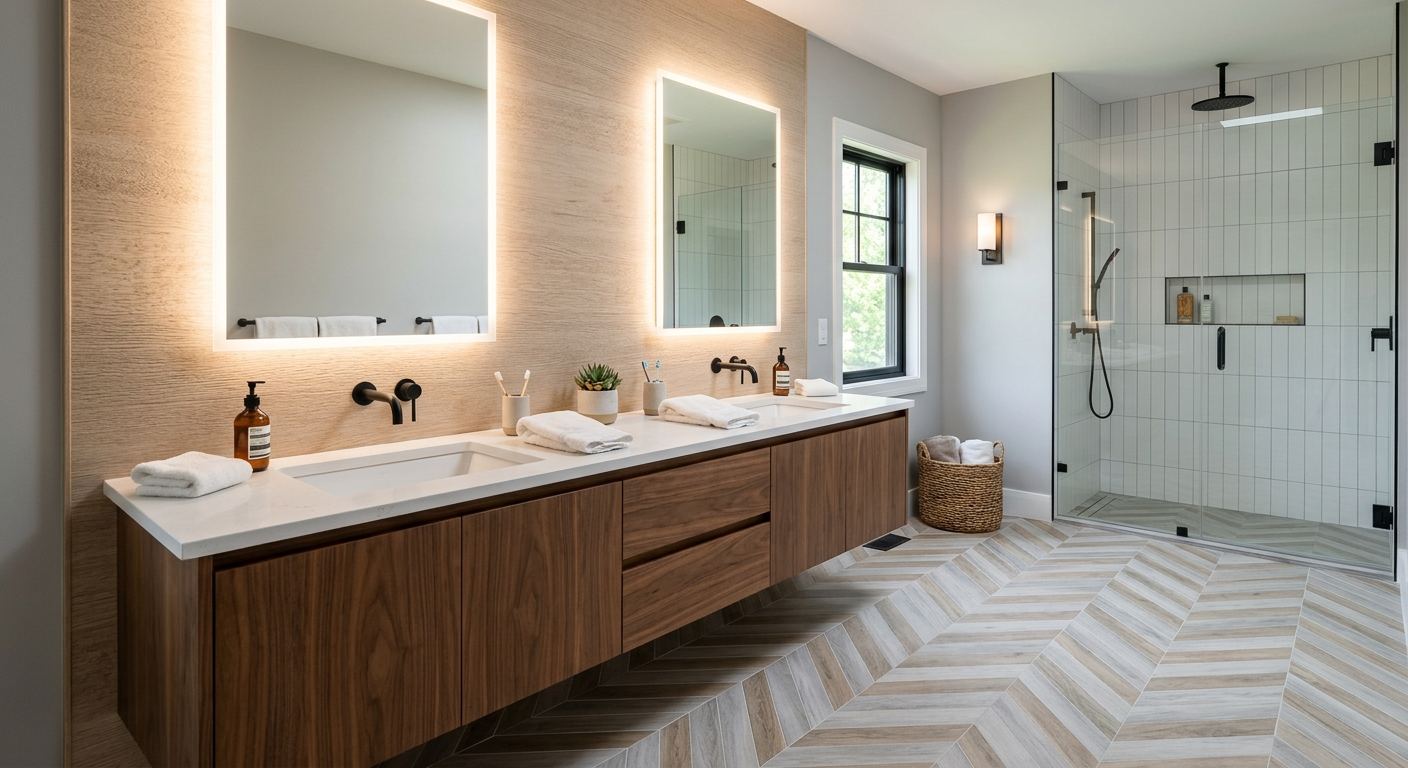
Bathroom renovation options and costs in Cherry Hill
Bathroom renovations in Cherry Hill, Ontario are usually driven more by the realities of the Toronto housing market than by climate. With a population of 3,027 (Statistics Canada, 2021 Census), this is a tight community where word-of-mouth matters and scheduling depends on available crews. Just as importantly, many Cherry Hill homes reflect the post-war and mid-century build patterns common across the Toronto economic region—meaning dated plumbing layouts, older drain materials, and a higher chance of concealed issues. In pre-1985 properties, floor tile and older finishes may include asbestos-containing materials, which can turn a straightforward refresh into an abatement-and-rebuild project.
Even though Ontario weather can be harsher in winter, bathroom costs in the GTA are not “climate-driven” the way they are in northern regions; they’re labour-driven. Skilled trades in the Toronto economic region command premium rates, and bathroom work is labour-intensive—especially for tiling, custom showers, and any plumbing reconfiguration. You’ll also see contractors booked faster in high-demand pockets such as St. Thomas/Cherry Hill corridor-area streets where older homes are frequently updated as families move in and remodel.
To help you budget realistically, below are the common renovation paths and what they typically include. Use this as a starting point before you request an itemised quote—because once walls are opened, the scope can change quickly.
| Renovation Scope |
What's Included |
Typical Duration |
Price Range |
| Cosmetic refresh (paint, fixtures, accessories only) |
New vanity top or vanity, toilet swap, faucet upgrade, paint, caulking, mirror/accessories; tile and plumbing not relocated |
2–5 days |
$3,000–$7,500 |
| Mid-range full renovation (new tile, vanity, tub/shower, electrical) |
Demo; waterproofing and tile on floor + walls; tub/shower replacement or refinished surround; new vanity; lighting updates, exhaust fan and GFCI (if required) |
10–18 days |
$12,000–$22,000 |
| High-end full renovation (custom tile, steam shower, heated floors) |
Custom shower and premium tile layout; membrane system; heated floors; upgraded plumbing trim; designer lighting; enhanced ventilation |
16–28 days |
$22,000–$30,000 |
| Shower-only installation (convert tub to walk-in shower) |
Convert plumbing rough-in for shower drain where needed; new shower pan/liner or custom pan; tile surround; new glass; ventilation check |
10–20 days |
$10,000–$18,000 |
| Bathtub replacement or tub-liner install |
Removal of existing unit (or liner system prep); new tub; new caulking/trim; plumbing hookups and leak testing |
3–8 days |
$1,200–$3,500 |
| Tile-only installation (floor + surround, existing layout kept) |
Tile removal and re-set; waterproofing system; grout/seal; matching niches or minor adjustments as needed |
7–14 days |
$6,000–$13,500 |
Prices are estimates only and vary by project scope, site access and material selection.
What affects the price of bathroom renovation in Cherry Hill
In Cherry Hill and the broader Toronto economic region, two bathroom renovations that look similar on paper can land 30–50% apart because GTA labour pricing is the main driver, and bathroom work is highly detail-driven. Ontario’s skilled trades are in demand across the region, so hourly labour rates for carpentry, plumbing, electrical, and tiling tend to be higher than the national average. Add the age of many homes in the region—particularly older post-war and 1960s–1980s builds—and you get common “hidden condition” costs once walls and floors are opened.
Older homes in the Toronto economic region often have cast-iron or undersized drain stacks, galvanized supply lines, and ventilation that no longer meets modern expectations. Upgrading drain/vent paths, adding shut-offs, or correcting slope can add thousands beyond a typical finish-only plan. In pre-1985 homes, discovery of asbestos-containing materials in vinyl floor tile or drywall compound triggers abatement protocols; that’s one of the most common budget inflators, frequently adding $1,500–$5,000+ depending on the extent.
In Cherry Hill, the cost can also rise or fall based on specifics like: whether you’re keeping your toilet and vanity locations (lower rough-in cost), whether you’re changing tile thickness and height transitions at doorways (more substrate prep labour), and how complex the shower layout is (niches, linear drains, custom slopes). A straightforward cosmetic refresh might stay in the lower band (around the low thousands), while any plumbing rework and new waterproofing typically pushes you toward the mid-range full renovation band (often $12,000–$22,000), with heated floors and premium shower systems moving closer to the upper local range.
| Price Factor |
Why It Matters |
Cost Impact |
| Layout change — moving drain or supply lines requires rough-in work |
Line movement triggers demolition, rough-in repairs, venting considerations, and inspection steps |
Often +$3,000–$8,000 |
| Tile selection — large-format porcelain vs. mosaic vs. ceramic |
Harder materials and smaller mosaics increase setting time, cuts, and labour |
Often +$1,500–$6,000 |
| Fixture tier — builder-grade vs. mid-range vs. designer brands |
Premium trim and special finishes cost more and may require different rough-in components |
Often +$800–$4,500 |
| Subfloor condition — rot or unlevel concrete adds scope |
Repairs and underlayment adjustments must be done before waterproofing |
Often +$1,000–$5,000+ |
| Electrical — adding GFCI outlets, exhaust fan, heated floor circuit |
New circuits and code-compliant placement affect both parts and licensed labour time |
Often +$800–$4,000 |
| Waterproofing method — membrane type and extent |
Better systems and correct coverage reduce failures and costly rework |
Often +$500–$3,000 |
| Older-home surprises — asbestos tile, cast-iron drains, galvanized pipes |
Abatement, drain corrections, and new shut-offs expand scope and coordination |
Often +$1,500–$10,000+ |
| Bathroom size — sq ft drives tile and labour time directly |
More surface area means more prep, thinset/grout, waterproofing, and set time |
Often scales +$2,000–$9,000 |
Permits & regulations in Ontario
In Ontario, many bathroom updates fall under “cosmetic” work, but the moment you move plumbing, change ventilation tied to electrical, or alter building elements, permits and inspections can come into play. Typically, cosmetic updates that usually do not require a permit include swapping a vanity, replacing a toilet, changing fixtures like taps and showerheads, repainting, replacing trim, and redoing surfaces without moving plumbing or altering structural walls.
What does commonly require a permit includes relocating or re-routing plumbing lines (moving a drain or supply), changing the size or location of a venting/rough-in connection, adding or relocating electrical components (including installing or relocating an exhaust fan when it requires new wiring/circuit work), and making structural wall changes. Electrical work must be done or signed off by a licensed electrician to meet Ontario electrical code expectations. Plumbing rough-in changes also typically require permitting and inspection before closing up walls with waterproofing and tile.
For a homeowner in Cherry Hill, verify your contractor step-by-step:
- Ask for the Ontario trade licence number (and confirm it’s active online).
- Request a certificate of insurance and check that liability coverage is current.
- Confirm WSIB/WCB coverage for the contractor and subcontractors; ask for proof of clearance/coverage where applicable.
- Ensure the contractor will pull any required permits and schedule inspections if permit work is required.
- Get the permit plan documented in your contract (what’s included vs excluded).
Don’t rely on verbal assurances—bring these documents into your selection process before demo begins.
Choosing tile, waterproofing and fixtures for your Cherry Hill bathroom
In Cherry Hill, your budget usually rises or settles based on three material decisions: tile choice, waterproofing approach, and fixture tier. First is tile. Ceramic tile is an entry-level option and can be a good fit if your layout is simple and you’re keeping costs controlled. Porcelain is denser, often more durable for wet-area floors and better suited to heavy traffic, but it’s typically more expensive and—because it’s harder—requires careful cutting and more precise setting. Natural stone looks premium (slate, travertine, marble), yet it’s higher maintenance and demands experienced installers to manage variations and sealing.
Second is waterproofing. Ontario bathrooms see constant moisture cycling from showers and baths, and grout lines are only as good as the membrane system behind them. A paint-on membrane can work in select scenarios, but for showers and tub surrounds, bonded sheet membrane or a proven systems approach (including proper build-up and detailing at corners, niches and transitions) generally reduces mould risk and water intrusion.
Third is fixtures. Builder-grade fixtures can keep your budget near the lower end, while mid-range and designer brands influence not only product cost but also installation fit (valve placement, trims, and rough-in compatibility). For example, upgrading to heated floors can push a mid-range full renovation toward the upper band—often worthwhile if you’re staying long-term, but not necessary if you’re aiming for a tighter cosmetic-first plan.
For a realistic match, pair your tile and shower complexity to the waterproofing you choose: a simple tub surround with standard tile and basic detailing can be leaner, while a custom shower with linear drain and premium tile typically aligns with higher budgets (and faster rework risk mitigation).
| Material / Option |
Pros |
Cons |
Price Range |
| Ceramic tile (floor + walls) |
Good value, wide style selection, lighter weight can simplify some installs |
Less forgiving in wet traffic than porcelain; may chip if subfloor movement exists |
$3,000–$7,500 |
| Porcelain tile (floor + walls) |
High durability for floors, consistent sizing (often), great for modern large-format looks |
More expensive material; harder tile increases cutting/installation care |
$4,000–$10,000 |
| Natural stone (marble, travertine, slate) |
Luxury look, unique veining/texture, strong resale appeal in higher-end renos |
Sealing and maintenance needed; variations require expert layout to avoid surprises |
$6,000–$14,000 |
| Frameless glass shower enclosure |
Cleaner sightlines, modern look, easier to wipe than framed systems |
Costly hardware; requires accurate shower openings and strong waterproofing |
$2,500–$6,500 |
| Prefab tub surround (acrylic) |
Faster installation, good water resistance when properly sealed, budget-friendly |
Limited design/colour options; less custom than tile for niches and layouts |
$1,200–$3,500 |
| Custom shower pan (tile or linear drain) |
Custom slope and drainage, modern linear drain option, seamless premium finish |
More labour-intensive; must be installed perfectly to avoid leaks and odours |
$4,000–$12,000 |
How to choose a bathroom renovation contractor in Cherry Hill
Choosing the right contractor in Cherry Hill comes down to verification, documentation, and details—especially because older housing stock can hide drainage, ventilation, or asbestos-related issues. Start by confirming Ontario licensing and protection: ask for the contractor’s Ontario trade licence (or licence number) and verify it online; request a current certificate of liability insurance; and confirm WSIB/WCB coverage for themselves and any subcontractors. If you can’t get proof or the contractor hesitates, that’s usually a staffing or risk-management problem.
Next, get 2–3 itemised written quotes. You want a breakdown of labour and materials, not a vague lump sum. Make sure the scope is clear on demo, disposal, subfloor repairs, waterproofing method, tile removal and re-setting, and whether electrical/plumbing permits are included or handled separately. Read what’s excluded—common omissions include unplanned subfloor repairs, asbestos sampling/abatement allowances, and disposal fees. Confirm warranty terms in writing: a workmanship warranty length, product/manufacturer warranty details, and whether warranties are transferable if you sell your home.
Finally, keep your payment schedule conservative. For bathroom renos, never pay more than about 10–15% upfront; hold back a portion until the work is complete and any final inspections/sign-offs are done. Get the timeline in writing with an estimated start date and completion target so you can plan around scheduling and material lead times.
- Confirm Ontario trade licence number and that it’s active (ask for proof).
- Request certificate of insurance (liability) and verify dates.
- Confirm WSIB/WCB coverage and ask for clearance/proof documentation.
- Use itemised quotes: labour line items, materials, and allowances.
- Require a detailed demolition/disposal plan.
- Confirm waterproofing brand/system and how it’s detailed at corners and niches.
- Ask how they handle subfloor flattening/repairs before tiling.
- Verify who pulls permits and who schedules inspections (if applicable).
- Check the electrical plan: exhaust fan, GFCI placement, and heated floor circuit (if used).
- Review warranty length for workmanship and whether it’s in writing.
- Set a payment schedule with a written holdback until completion.
- Get start date and completion estimate in writing, plus change-order process.
Red flags I often see in Cherry Hill bathroom projects: quotes that ignore waterproofing specifics; no written warranty or vague “up to” terms; no permit responsibility stated when plumbing/electrical is changing; payment schedules asking for large upfront deposits; and contractors who won’t provide insurance/WSIB/WCB proof or refuse itemised line-item pricing.
Frequently asked questions — bathroom renovation in Cherry Hill
What's the difference between a cosmetic and a full bathroom renovation?
In Cherry Hill, a cosmetic renovation is typically limited to updates that don’t change plumbing or the bathroom’s layout—think fresh paint, swapping a vanity or mirror, replacing fixtures, and doing targeted touch-up tile. A full bathroom renovation usually includes demo and rework of wet-area components: waterproofing, new tile floors/walls, updated electrical (often exhaust fan and GFCI), and either replacing the tub/shower or installing a new shower system. Because your Toronto-area labour rates are higher, “full” work also tends to cost more for skilled trades, not just materials. As a budgeting reference, cosmetic refreshes often sit around the low-to-mid thousands, while mid-range full renovations frequently land in the $12,000–$22,000 range depending on tile scope and whether plumbing is adjusted. (Statistics Canada, 2021 Census)
How do I choose the right contractor for my bathroom in Cherry Hill?
Start with verification: ask for the contractor’s Ontario trade licence information and confirm it’s active, plus current liability insurance and WSIB/WCB coverage for themselves and subcontractors. Next, request 2–3 itemised quotes so you can compare apples to apples—labour scope, waterproofing method, electrical/plumbing responsibilities, disposal, and what happens if hidden issues are found. In older Cherry Hill homes, cast-iron drains, galvanized supply lines, or even asbestos-containing materials can appear once walls open, so you want clear allowances or a change-order process. You’ll also want the timeline in writing (start date and estimated completion), and a workmanship warranty that’s documented. Be cautious if the contractor won’t provide insurance/coverage proof or if their pricing is only a single lump sum without breakdowns.
What's the most common mistake homeowners make in bathroom renovations?
The most common mistake I see in the Cherry Hill area is underestimating hidden-scope risk and choosing finishes before confirming the condition of plumbing, subfloor, and waterproofing readiness. Homeowners sometimes budget for tile and fixtures but don’t plan for reworked drain/venting, corrected ventilation, or subfloor corrections needed before membranes go down. In pre-1985 homes, discovery of asbestos-containing materials in older floor tile or drywall compound can also force abatement and add time and cost; that’s one reason realistic GTA budgets often exceed national averages. Another frequent misstep is skipping itemised quotes—then later you’re surprised by permit responsibility, disposal fees, or electrical line-item costs like a new GFCI outlet or heated floor circuit. Building a budget with a contingency mindset helps you avoid “cheap now, expensive later” outcomes.
How long does tile installation take in a Cherry Hill bathroom?
Tile timelines depend on bathroom size, layout complexity, and whether there’s extensive substrate prep. For a typical Cherry Hill bathroom where the floor and tub/shower surround are being tiled and the layout is staying put, tile installation commonly takes about 7–14 working days as part of a larger reno. If you’re doing large-format porcelain, complex shower detailing (niches, linear drain, curb transitions), or there’s extra prep due to an unlevel subfloor, expect the setting and curing schedule to expand. Also, remember waterproofing needs coverage time before tiling. Because GTA bathroom renovations are labour-intensive, the overall project duration can stretch when multiple trades coordinate around tile curing and inspection milestones.
How much does a bathroom renovation cost in Cherry Hill?
For Cherry Hill, most homeowners should plan around GTA price bands rather than national averages. A full bathroom renovation typically falls in the $12,000–$30,000 range in the Toronto economic region, depending on whether you’re doing mid-range or high-end finishes and whether plumbing/electrical are being reconfigured. If you’re staying focused, tile-only work can often be in the $6,000–$13,500 range (floor and surround), and a bathtub replacement or tub-liner approach often falls around $1,200–$3,500 depending on removal and prep. The cost difference often comes from labour and the age of the home—hidden issues like drain reconfiguration, ventilation corrections, or asbestos abatement can add thousands once the space is opened. Getting itemised quotes is the best way to see where your budget is truly going.
How long does a bathroom renovation take in Cherry Hill?
A bathroom reno in Cherry Hill often takes 2–5 days for a cosmetic-only refresh, while a mid-range full renovation commonly lands around 10–18 days. Higher-end work—custom showers, heated floors, and more intricate tile layouts—often takes 16–28 days because waterproofing, tile setting, electrical/plumbing coordination, and product lead times all add up. The timeline can extend in older homes if hidden conditions are discovered (for example, subfloor repair, drain/vent corrections, or asbestos-related abatement). Contractor availability in the GTA can also affect start dates, so it’s smart to lock in scheduling early. When you request quotes, ask for a written start date, completion estimate, and how change-orders are handled so you can plan around delays responsibly.