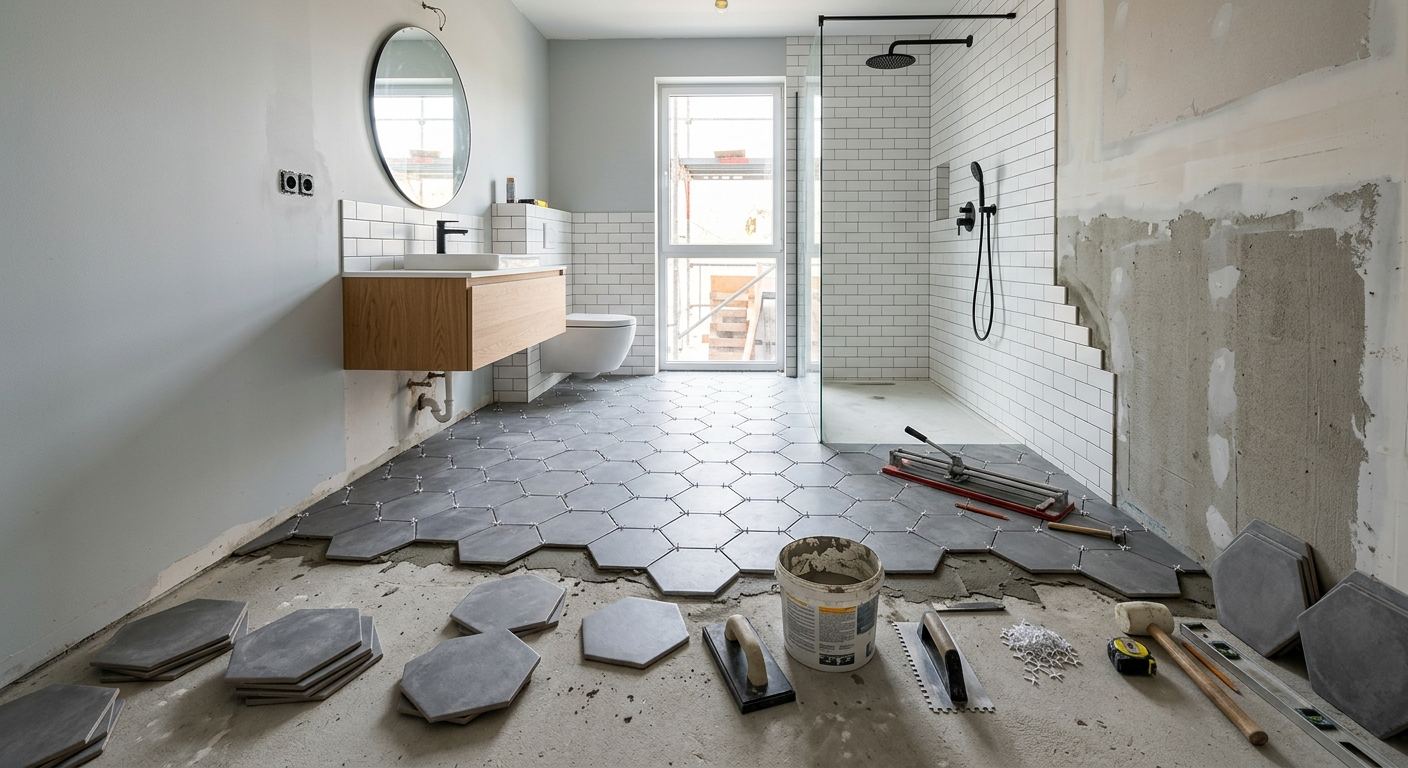
Bathroom renovation options and costs in Parkdale
In Parkdale, Ontario, homeowners typically choose between a cosmetic refresh, a mid-range full renovation, or a higher-end build that leans into custom tile and premium shower systems. Parkdale’s housing stock is part of why scopes can change so quickly: the Toronto area includes many older post-war and 1960s–1980s homes, and in a community with just 1,404 residents recorded in the 2021 Census (Statistics Canada, 2021 Census), bathroom renovations can be highly localized to specific streets and building types. That means contractor availability can feel “busy” in peak renovation seasons, and quotes can tighten when multiple jobs are opening at once.
Cost in the Toronto economic region is driven more by labour rates and the age of the plumbing/venting than by climate itself. Toronto’s freeze–thaw swings and indoor humidity still matter, but the real money multipliers usually show up after walls come down: drain stacks that need upgrading, undersized venting, galvanized supply lines, and—most importantly—potential asbestos-containing materials in older floor tile or drywall compound in homes built before the mid-1980s. Once discovery happens, licensed abatement and additional inspection steps can add several thousand dollars and extend scheduling.
If you’re near busy corridors like Queen Street West, plan for limited work-staging and sometimes additional protection for occupants and access—another reason GTA bathroom budgets can shift. Use the options below to compare typical scopes and timing before you request a detailed, itemised quote; that’s where the real differences show up.
| Renovation Scope |
What's Included |
Typical Duration |
Price Range |
| Cosmetic refresh (paint, fixtures, accessories only) |
Paint, new vanity top or vanity swap (no plumbing relocation), toilet/fixture swaps (if existing rough-in is reused), lighting refresh, accessories, minor caulking & touch-ups |
3–7 days |
$3,000–$7,000 |
| Mid-range full renovation (new tile, vanity, tub/shower, electrical) |
Demolition, waterproofing, tub/shower or updated shower surround, new vanity, updated electrical for fan/GFCI where needed, tile floor + walls, re-caulking and trim, basic plumbing refresh (shut-offs, supply lines if accessible) |
2–3 weeks |
$12,000–$20,000 |
| High-end full renovation (custom tile, steam shower, heated floors) |
Custom shower (tile/linear drain), premium tile (large-format), upgraded waterproofing system, heated floor circuit, designer fixtures, steam-ready ventilation, additional electrical work, more involved plumbing/venting correction if discovered |
3–5 weeks |
$22,000–$30,000 |
| Shower-only installation (convert tub to walk-in shower) |
Remove tub, install walk-in shower base or custom pan, new valve trim, updated waterproofing, tile surround, likely drain reconfiguration and curb/threshold details, exhaust fan hookup if required |
2–4 weeks |
$14,000–$24,000 |
| Bathtub replacement or tub-liner install |
Replace tub (or liner where appropriate), new trim/caulking, re-tiling at perimeter, plumbing disconnect/reconnect, leak testing and waterproofing at transitions |
1–2 weeks |
$1,200–$6,000 |
| Tile-only installation (floor + surround, existing layout kept) |
Demo limited to tile, prep/levelling, membrane/waterproofing at wet areas, tile supply & install for floor and shower surround, grout sealing, reinstallation of trim and accessories where feasible |
1–2 weeks |
$4,000–$12,000 |
Prices are estimates only and vary by project scope, site access and material selection.
What affects the price of bathroom renovation in Parkdale
You can see the same bathroom “on paper” priced very differently across Toronto and Ontario—often with a 30–50% swing—because bathroom work is labour-intensive and the hidden-condition risk is high. In the Toronto economic region, skilled trades command premium hourly rates, and bathroom renovations commonly require plumbing and venting brought up to current Ontario code once walls are opened. Climate isn’t the main driver here, but indoor moisture management is: ventilation and waterproofing details can’t be value-engineered without risk of early grout failure or mould staining.
Older homes in the Toronto region often hide cast-iron or copper drain stacks that need upgrading, galvanized supply lines that don’t hold pressure as well, and insufficient ventilation ducting. That’s why a “mid-range” plan that looks like $12,000–$20,000 can quickly creep toward $22,000–$30,000 after discovery and rework. As a rule of thumb, asbestos-containing materials in vinyl floor tile or drywall compound (pre-1985 homes) trigger abatement protocols and typically add $1,500–$5,000+ depending on extent and access. In Parkdale, where building formats vary street to street, the scope-to-site-access relationship can be especially noticeable.
Concrete examples I see in Parkdale: (1) moving a toilet or converting a tub to a walk-in shower can require drain reconfiguration and new shut-offs; (2) large-format porcelain can reduce grout lines but demands flatter subfloors—unlevel concrete adds prep time; (3) adding a second exhaust duct run through finished ceilings can raise electrical and drywall labour even if tile selection stays mid-range. When you compare quotes, the line items that explain the difference usually tie back to labour duration, discovery risk, and waterproofing complexity rather than “weather.”
| Price Factor |
Why It Matters |
Cost Impact |
| Layout change — moving drain or supply lines requires rough-in work |
More demo, new rough-in, testing, and patching to meet code and prevent leaks |
$2,000–$8,000+ |
| Tile selection — large-format porcelain vs. mosaic vs. ceramic |
Harder substrates and tighter tolerances increase labour; higher-grade materials cost more |
$1,000–$6,000 |
| Fixture tier — builder-grade vs. mid-range vs. designer brands |
Valve trims, sinks, and toilets vary widely in price and installation requirements |
$500–$5,000 |
| Subfloor condition — rot or unlevel concrete adds scope |
Extra prep, levelling, and structural corrections add time before waterproofing can begin |
$1,000–$7,000 |
| Electrical — adding GFCI outlets, exhaust fan, heated floor circuit |
Licensed electrician time plus any code-required upgrades (and inspection steps) |
$800–$4,500 |
| Waterproofing method — membrane type and extent |
The right system reduces mould risk; coverage and detailing drive labour and material cost |
$600–$3,500 |
| Older-home surprises — asbestos tile, cast-iron drains, galvanized pipes |
Abatement, disposal, venting correction, and replacement work expand the scope |
$1,500–$10,000+ |
| Bathroom size — sq ft drives tile and labour time directly |
More surface area means more prep, more tile setting time, and more waterproofing |
$1,000–$6,000+ |
Permits & regulations in Ontario
In Ontario, not every bathroom change needs a permit, but several common renovation steps do. Cosmetic updates—like swapping fixtures that reuse existing shut-offs/rough-in (toilet replacement without moving it, vanity swap where plumbing stays in place), painting, retiling that doesn’t alter plumbing routes, and accessory changes—typically do not require permits. Where permits usually come in is when you change the “plumbing and electrical footprint” or affect structural elements.
Work that typically DOES require a permit/inspection: relocating plumbing (moving a drain or supply line, converting a tub to a shower where the drain/valve location changes), adding or relocating an exhaust fan when it involves electrical work, and any new electrical circuits or significant modifications (including heated floor circuits) that must be installed and signed off to Ontario electrical code by a licensed electrician. Work that typically does NOT: replacing finishes without moving plumbing, changing a vanity that keeps the same water supply/drain locations, and standard tile replacement where waterproofing and substrate prep are handled but no rough-in is changed.
How a Parkdale homeowner should verify a contractor step-by-step: first, ask for the contractor’s Ontario trade licence (where applicable to their scope) and confirm it matches the legal entity on their quote. Second, request a Certificate of Insurance (liability) showing current coverage and the project address or general business coverage. Third, confirm WSIB/WCB compliance where relevant to the contractor’s payroll and subcontracting structure—ask for proof they carry coverage or are properly registered. Look for the certificate document itself (not just an email statement), verify dates, and keep copies in your renovation folder. If asbestos abatement is expected, confirm they coordinate it with the required licensed professionals rather than improvising onsite.
Choosing tile, waterproofing and fixtures for your Parkdale bathroom
In Parkdale, your budget usually gets decided by three material choices: tile, waterproofing, and fixture tier. First, tile: ceramic is an entry-level choice that’s often easiest to install, but it can be more forgiving in minor substrate irregularities. Porcelain is denser and more water-resistant, making it a strong option for bathrooms that see frequent shower use, and it usually pairs well with modern looks like large-format tiles—though it demands a flatter base. Natural stone (marble, travertine, slate) can look stunning, but it’s higher maintenance and needs careful sealing and correct underlayment planning to avoid staining and uneven lippage.
Second, waterproofing: in Ontario’s indoor humidity, the best outcome comes from a system, not a single product. Options include paint-on membranes, bonded sheet membranes, and modern engineered systems (like a consistent backer/waterproofing approach). A full wet-area waterproofing plan—especially at the curb, corners, niches, and transition points—is what prevents mould and recurring grout discoloration.
Third, fixtures: builder-grade taps/toilets can keep your renovation in the lower range, while mid-range or designer valve trims and shower sets raise both material cost and sometimes installation complexity (more precise rough-in).
Example: if you’re deciding between $3,000–$10,000 for tile installation vs. a higher-end tile package plus premium waterproofing detailing, the extra spend can be justified when you’re already targeting a full renovation budget like $12,000–$20,000—because the waterproofing and substrate prep are where failures get expensive. If you’re only doing a cosmetic refresh, overspending on luxury tile usually isn’t the best return.
| Material / Option |
Pros |
Cons |
Price Range |
| Ceramic tile (floor + walls) |
Often affordable, easy to source, works well for straightforward installs |
May be less durable than porcelain in high-traffic use; substrate must still be solid |
$3,000–$8,000 |
| Porcelain tile (floor + walls) |
Highly water-resistant, durable, modern large-format options with cleaner look |
Requires flatter substrate and more careful installation to avoid lippage |
$6,000–$12,000 |
| Natural stone (marble, travertine, slate) |
Premium look, unique veining, strong design statement |
Higher maintenance (sealing), can be harder to cut/align, higher labour sensitivity |
$9,000–$18,000 |
| Frameless glass shower enclosure |
Brightens the space, premium aesthetic, easy to keep clean with correct edges |
More expensive hardware, requires precise wall/alignment for a tight seal |
$2,500–$7,500 |
| Prefab tub surround (acrylic) |
Fast install, consistent surfaces, often good value when layout is staying put |
Fewer design options, edges/joints may not match tile finishes for everyone |
$800–$3,500 |
| Custom shower pan (tile or linear drain) |
Best integration with custom tile; modern linear drain look and improved slope control |
More labour-intensive; requires correct waterproofing and drainage slope verification |
$4,000–$12,000 |
How to choose a bathroom renovation contractor in Parkdale
Choosing a bathroom contractor in Parkdale comes down to proof, not promises: verify Ontario licensing where applicable, check liability insurance, and confirm WSIB/WCB coverage for their workforce and subcontractors. Start by asking for documents before you discuss design in depth. A real contractor should provide a COI (certificate of insurance) showing active coverage and the correct legal name, and should be able to produce evidence of WSIB/WCB compliance (or the appropriate registration status) for the people doing the work.
Next, get 2–3 written, itemised quotes—not a single lump sum. Ask for a breakdown of labour (demo, rough-in coordination, waterproofing and tile setting, trim/finishing) and materials (tile, membranes, fixtures). Itemisation matters because bathroom surprises usually arrive when scope is unclear: permit pull included or not, disposal included, and whether plumbing upgrades are allowance-based all change the final number.
Read the scope carefully for inclusions and exclusions: confirm who handles permit applications (if required), whether excavation/patching is included, how mould remediation or asbestos discovery is handled, and what happens if subsurfaces don’t pass inspection. Warranty should be documented: workmanship warranty length (for waterproofing and tile), product/manufacturer warranty details, and whether warranties are transferable if you sell.
Payment schedule: never pay more than 10–15% upfront. Use milestones (demo, rough-in, waterproofing inspection stage, completion). Hold back funds until the job is complete and punch list items are addressed. Finally, demand a written timeline with a start date and completion estimate so you can coordinate trades and occupancy.
- Request COI (liability insurance) and verify dates, coverage limits, and correct legal name.
- Confirm WSIB/WCB compliance in writing and that it applies to subcontractors.
- Ask which parts of the job are done by licensed trades (electrician/plumber) vs. the contractor.
- Get an itemised quote with labour and material allowances separately.
- Ensure permit pull and inspection responsibilities are spelled out (who pulls, who pays, who schedules).
- Confirm disposal and recycling/dump fees are included or itemised.
- Ask how waterproofing is built (membrane type, coverage areas, seam/corner treatment).
- Demand a waterproofing inspection or at least a documented “stage sign-off” before tile.
- Check whether they include substrate prep/levelling (not just “tile install”).
- Clarify fixture compatibility with existing rough-ins (valve type, drain location, supply spacing).
- Review warranty terms in writing, including transferability and what materials are covered.
- Keep payment tied to milestones; limit upfront payment to 10–15%.
Common red flags I’ve seen in Parkdale: contractors who won’t provide insurance/WSIB proof upfront, quotes that exclude permits and disposal without explanation, “mystery allowances” for tile/fixtures that change after demo, no clear waterproofing plan or warranty in writing, and schedules that promise a hard completion date without accounting for inspections and material lead times.
Frequently asked questions — bathroom renovation in Parkdale
How long does a bathroom renovation take in Parkdale?
In Parkdale and across the Toronto economic region, a straightforward cosmetic refresh is often 3–7 days. A mid-range full renovation (new tile, vanity, and tub/shower, plus electrical updates) commonly runs about 2–3 weeks once demolition, waterproofing and tile setting are complete. If you’re converting a tub to a walk-in shower, plan on roughly 2–4 weeks because drain reconfiguration, valve rough-in coordination, and waterproofing detailing take time. Higher-end builds with heated floors or premium custom showers typically stretch to 3–5 weeks. Actual duration can also change if older-home conditions are discovered (venting correction, cast-iron drain replacement) and if permits/inspections are triggered.
Do I need a permit for a bathroom renovation in Ontario?
In Ontario, purely cosmetic updates—like repainting, swapping a vanity that keeps the same drain and supply locations, and retiling without moving plumbing—typically don’t require permits. Permits are more likely when you relocate plumbing (moving a drain or supply line), change wet-area layouts, or add/exchange exhaust fans with electrical circuit changes. For electrical work, any new circuits (for example, exhaust fan wiring and heated floor circuits) must meet Ontario electrical code and be done or signed off by a licensed electrician. If your bathroom is in Parkdale and your home is older, plumbing upgrades discovered during demo can also trigger permit/inspection steps, even if you didn’t plan them.
What's the best tile for a bathroom in Parkdale?
For most Parkdale bathrooms, porcelain is often the best “all-around” choice: it’s durable, highly water-resistant, and pairs well with modern large-format looks. Ceramic can be a solid budget pick and may be more forgiving for straightforward layouts, while natural stone (marble, travertine, slate) is a luxury option that needs extra sealing and careful installation. Because Toronto bathrooms are humid and condensation happens if ventilation is weak, the tile’s performance depends as much on the waterproofing system and substrate prep as on the tile itself. If you’re targeting a mid-range full renovation (often $12,000–$20,000), porcelain plus a proven membrane strategy usually gives the best balance of longevity and cost.
Should I do a tub-to-shower conversion?
A tub-to-shower conversion can be a great move for accessibility, daily usability, and easier cleaning—especially in homes where the bathroom gets used year-round. In the Parkdale market, it’s also common because many older layouts can be reworked into a walk-in shower. Budget-wise, the conversion often aligns with the higher mid-range: shower-only installation ranges about $14,000–$24,000 depending on whether drain reconfiguration, valve changes, and new waterproofing detailing are required. The main reason homeowners hesitate is the risk of surprises in older plumbing (cast-iron drains, venting). If you want the conversion, make sure the contractor’s quote includes allowances for those rough-in realities and clearly states what’s included before demolition.
How do I prevent mold in a Parkdale bathroom?
Mould prevention in Parkdale is mostly about controlling moisture at three points: waterproofing, ventilation, and airflow drying. Use a real wet-area waterproofing system with proper corner and seam detailing—don’t rely on paint-on products alone in high-splash zones. Then make sure the bathroom fan is sized appropriately and vented correctly, with electrical that’s code-compliant; older homes often have inadequate ducting or weak exhaust. Finally, ensure there’s enough drying time after showers and fix small issues early (loose caulk, slow-draining sinks, missing grout seals). If asbestos or older materials are encountered during demo, use proper abatement processes rather than patching over contamination—this matters for both safety and long-term odour/mould control.
What adds the most resale value in a bathroom reno?
Resale value usually comes from functional improvements and durability, not just appearance. In the Toronto area, buyers notice whether waterproofing is done correctly, whether plumbing and electrical are updated to current expectations, and whether the bathroom feels “complete” (good ventilation, modern fixtures, and a clean layout). Conversions that improve accessibility—like a well-designed walk-in shower—can help, particularly when paired with premium waterproofing and tile detailing. Heated floors and frameless glass can raise perceived value, but they should match the rest of the renovation scope. If you’re working within typical full renovation bands ($12,000–$20,000 mid-range, $22,000–$30,000 higher-end), prioritize leak-proof plumbing/venting corrections and high-quality waterproofing first, then upgrade finishes to a level that fits the home.