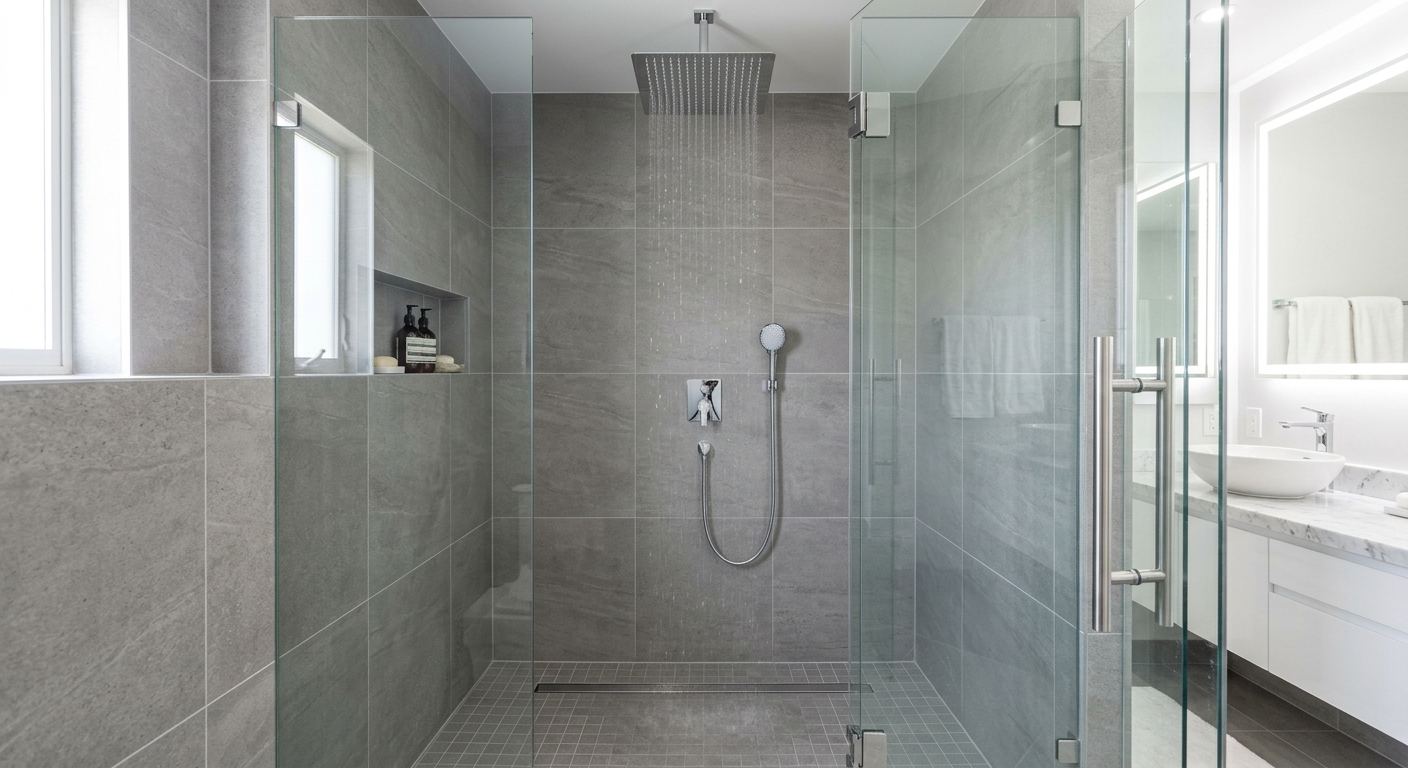
Bathroom renovation options and costs in Queenswood Heights
Queenswood Heights homeowners often start by asking which bathroom option “fits” their budget, and the honest answer is that the same-looking bathroom can cost very different amounts. With Queenswood Heights sitting inside the Toronto economic region, pricing is heavily influenced by local labour rates and by the age of the housing stock. In many parts of the GTA, older post-war and 1960s–1980s homes can mean outdated plumbing layouts and a higher chance of hidden materials once walls are opened. In Queenswood Heights, the local population is around 12,000 people (Statistics Canada, 2021 Census), and that supports a steady flow of trades—so you can usually get bids quickly, but skilled bathroom work still carries a premium in the Greater Toronto Area.
Unlike outdoor-climate-driven projects, bathroom costs in Toronto are shaped more by market demand and job complexity than by temperature swings. Ontario humidity and year-round indoor moisture are still relevant for mould prevention, but the bigger cost drivers are labour-intensive installs (especially tiling and custom showers) and code-driven upgrades. Trades are particularly in demand around the heart of Queenswood Heights where contractors frequently see older subdivisions undergoing full bath replacements, tub-to-shower conversions, and venting updates.
Once you know your “scope level,” comparing quotes gets easier. Use the table below to benchmark what most reputable GTA contractors mean by cosmetic, mid-range, and high-end renovations—then we’ll break down what moves the price up or down in the sections that follow.
| Renovation Scope |
What's Included |
Typical Duration |
Price Range |
| Cosmetic refresh (paint, fixtures, accessories only) |
Paint, light fixture swap, vanity top or vanity update (no plumbing moves), toilet/handheld fixtures (no re-pipe), mirror/accessories, caulking touch-ups |
2–4 days |
$12,000–$18,000 |
| Mid-range full renovation (new tile, vanity, tub/shower, electrical) |
Remove & replace tub or surround, new wall/floor tile, vanity and mirror, exhaust fan and/or GFCI updates, rework minor caulking/finishing, waterproofing to code |
7–14 days |
$18,000–$28,000 |
| High-end full renovation (custom tile, steam shower, heated floors) |
Custom shower or steam-ready layout, premium tile, linear drain where required, heated floor circuit, upgraded valves/trim, enhanced waterproofing system, elevated finishes and trim |
2–4 weeks |
$25,000–$30,000 |
| Shower-only installation (convert tub to walk-in shower) |
Demo tub, convert drain slope, install walk-in pan/drain, new shower walls and glass, new exhaust fan tie-in if needed, rework plumbing trim |
7–12 days |
$14,000–$22,000 |
| Bathtub replacement or tub-liner install |
Replace tub (or install liner where appropriate), refinish surround, new trim/caulking, basic plumbing reconnect, water testing and sealing |
3–7 days |
$1,200–$6,500 |
| Tile-only installation (floor + surround, existing layout kept) |
Remove existing tile where needed, prep surface, install floor and/or tub surround tile, waterproofing as required by scope, grout/seal, reinstall fixtures as applicable |
5–10 days |
$3,000–$10,000 |
Prices are estimates only and vary by project scope, site access and material selection.
What affects the price of bathroom renovation in Queenswood Heights
In Queenswood Heights, it’s common to see two quotes for the “same” bathroom that differ by 30–50%. The main reason isn’t that contractors are working from wildly different plans—it’s that labour rates in the Toronto economic region are higher and bathroom work is trade-intensive. Tiling, custom shower builds, and plumbing/venting updates require careful sequencing and licensed trades, and in GTA markets there’s also a premium for speed and availability. At the same time, Ontario’s building expectations tend to become more stringent when older walls and floors are opened, especially in homes built with older rough-in layouts.
Older housing stock drives scope more than weather does. Once walls are open, crews often find cast-iron or undersized drains that need upgrading, galvanized or aged supply lines, and ventilation that doesn’t meet current expectations. Discovery of asbestos-containing materials in older floor tile or drywall compound (often seen in pre-1985 homes) triggers abatement requirements; that can add $1,500–$5,000+ to the budget depending on the extent and containment requirements. That’s why a mid-range full renovation in the $18,000–$28,000 band can stretch upward, even if you didn’t change your finish selections.
Concrete examples from Queenswood Heights: (1) a tub-to-shower conversion can cost more if the drain needs re-slope and venting corrections, not just “swap the pan”; (2) large-format porcelain tile often lowers grout lines but increases substrate prep labour, which can raise the tile-only line item beyond the $3,000–$10,000 band when floors are out of level; (3) adding an exhaust fan to a bathroom that never had one usually requires careful routing of electrical and ducting, increasing electrician and carpentry time.
| Price Factor |
Why It Matters |
Cost Impact |
| Layout change — moving drain or supply lines requires rough-in work |
More demo, new rough-in, pressure testing, and potential venting corrections |
+ |
| Tile selection — large-format porcelain vs. mosaic vs. ceramic |
Harder products need flatter substrates, more precise cuts, and more labour |
+ |
| Fixture tier — builder-grade vs. mid-range vs. designer brands |
Material cost and trim complexity affect installation time |
+ |
| Subfloor condition — rot or unlevel concrete adds scope |
Requires replacement/flattening and additional waterproofing protection |
+ |
| Electrical — adding GFCI outlets, exhaust fan, heated floor circuit |
Licensed work, code-compliant circuits, and sometimes new ducting coordination |
+ |
| Waterproofing method — membrane type and extent |
Correct system reduces callbacks for leaks and mould |
+ |
| Older-home surprises — asbestos tile, cast-iron drains, galvanized pipes |
Abatement protocols, disposal, and plumbing upgrades |
++ |
| Bathroom size — sq ft drives tile and labour time directly |
More surface area means more prep, mortar time, and curing cycles |
+ |
Permits & regulations in Ontario
In Ontario, what you need a permit for depends on whether you’re changing the plumbing/electrical/structure or simply refreshing finishes. Cosmetic updates—like swapping a vanity, replacing a toilet, repainting, changing mirrors, or doing retiling where plumbing locations don’t move—typically do not require permits. However, permit requirements usually kick in when you relocate plumbing (moving a drain or supply line), make structural wall changes, or add ventilation that involves new wiring/circuit work.
Electrical work must meet Ontario code and be performed by a licensed electrician (or signed off as required). That includes installing new exhaust fans where wiring is extended/changed and adding circuits for heated floors. Plumbing rough-in changes—especially any new drain slope, venting corrections, or supply line rerouting—commonly require a permit and inspection.
How to verify before work starts in Queenswood Heights, step-by-step: (1) ask for the contractor’s Ontario trade licence (where applicable) and confirm it matches the scope; (2) request a current certificate of insurance for liability and confirm the effective dates; (3) ask about WSIB/WCB coverage for workers—get the clearance letter or proof of registration/coverage; and (4) ensure the team can provide permit documentation if required for plumbing/electrical scope. If they can’t produce these items promptly, that’s a red flag.
Choosing tile, waterproofing and fixtures for your Queenswood Heights bathroom
In Queenswood Heights, your budget is usually decided by three material decisions: tile choice, waterproofing system, and fixture tier. First, tile: ceramic is the entry point and can be easier to install on smaller, flatter areas. Porcelain is denser and handles wear better, but it often demands more careful layout and substrate prep—especially if you’re using larger formats or matching patterns. Natural stone looks premium, yet it’s more sensitive to sealing/maintenance and may add fabrication complexity.
Second, waterproofing: Ontario bathrooms are moisture-heavy year-round, so the goal is consistent protection behind the tile, not just a “waterproof-looking” surface. A paint-on membrane can work for certain details, but many homeowners prefer bonded sheet membranes or a well-detailed Schluter-type approach because the system is designed to handle joints and transitions. The right waterproofing choice helps prevent mould and grout breakdown, which is crucial if you vent less-than-ideal or if your home has older insulation and airflow.
Third, fixtures: builder-grade fixtures reduce upfront spend, while mid-range or designer brands can improve user experience and resale value. A practical example: if you choose better waterproofing and go mid-range on tile, you might keep the project in the $18,000–$28,000 range. But pushing natural stone and a steam-ready layout can move you toward the upper end, closer to the $25,000–$30,000 band—where the extra cost is justified if you’re staying in the home long enough to enjoy and maintain those finishes.
| Material / Option |
Pros |
Cons |
Price Range |
| Ceramic tile (floor + walls) |
Budget-friendly, wide colour options, generally easier to cut and install |
Less durable than porcelain in high-traffic; can show wear faster |
$3,000–$7,000 |
| Porcelain tile (floor + walls) |
Hard-wearing, strong moisture resistance, clean modern looks (great for larger formats) |
Needs flatter substrate and precise layout; can be more expensive per sq ft |
$6,000–$10,000 |
| Natural stone (marble, travertine, slate) |
Luxury appearance, unique veining and character |
Requires sealing/maintenance; can be more costly for labour and risk of stains |
$10,000–$18,000 |
| Frameless glass shower enclosure |
Brightens the bathroom, modern lines, durable glass with quality hardware |
Higher material cost; needs perfect waterproofing and plumb walls |
$4,000–$8,500 |
| Prefab tub surround (acrylic) |
Faster install, consistent fit, easier maintenance |
Fewer design customizations; can look less upscale than tile |
$1,200–$3,500 |
| Custom shower pan (tile or linear drain) |
Best custom look, improved drainage, can create a true spa-style layout |
More labour and detail work; requires excellent waterproofing |
$4,000–$12,000 |
How to choose a bathroom renovation contractor in Queenswood Heights
Choosing the right contractor in Queenswood Heights is about proof, not promises. Start by verifying Ontario licensing (for the trades involved), then confirm liability insurance and WSIB/WCB coverage. How to check: (1) ask for the certificate of insurance and make sure it’s current and covers renovation activities; (2) request proof of WSIB/WCB registration or a clearance letter; (3) confirm which trades are subcontracted (electrician/plumber) and ask for their individual credentials. A reputable bathroom crew should provide these documents early, not after you sign.
Next, get 2–3 itemised written quotes. You want a labour + materials breakdown—not just a lump sum—so you can compare what’s included (demo, prep, waterproofing, grout, disposal) and what’s excluded (permit fees, patching, caulking details, glass fabrication). Read the scope line-by-line: is permit pulling included? Is waste hauling included? Are materials allowances realistic? Warranty matters too: confirm workmanship warranty length (for example, waterproofing and installation), whether it’s transferable if you sell, and the product/manufacturer warranty for fixtures and tile systems.
For payment schedule, never pay more than about 10–15% upfront; hold back a portion until punch-list completion and final water testing. Finally, require a written start date and a completion estimate tied to scope so you can plan around bathroom downtime.
- Provide proof of liability insurance and WSIB/WCB coverage before work begins.
- Use a written contract with an itemised labour/materials breakdown.
- Confirm whether permits are required for your specific plumbing/electrical scope.
- Detail the waterproofing method and who supplies the membrane system.
- Specify disposal/hauling and where demolition waste is taken.
- List allowance prices for tile, fixtures, glass, and vanity options.
- Define what happens if asbestos is discovered (abatement plan and lead time).
- Ask for a workmanship warranty duration and what it covers.
- Confirm product warranties and whether receipts/serial numbers are provided.
- Require a start date and target completion dates in writing.
- Clarify payment milestones and keep holdback until final inspection.
- Request references for bathroom jobs similar to tub-to-shower or custom tile.
Common Queenswood Heights red flags: (1) quotes without line-item waterproofing details; (2) reluctance to provide insurance and WSIB/WCB clearance; (3) “we’ll handle permits” with no written responsibility; (4) asking for large deposits beyond 10–15% upfront; and (5) vague scope language like “plumbing as required” without explaining potential venting/drain upgrades.
Frequently asked questions — bathroom renovation in Queenswood Heights
How do I compare bathroom renovation quotes?
In Queenswood Heights, compare quotes the way you’d compare apples to apples: scope first, then pricing. Ask every contractor to itemise labour and materials (demo, prep, waterproofing system, tile labour, disposal, and any electrical/plumbing rough-in allowances). Look for whether the quote includes permit pulling for plumbing/electrical changes and whether an exhaust fan is included. If one quote is in the $18,000–$28,000 band and another is similar but missing waterproofing or electrical/GFCI details, the “cheaper” number can become expensive quickly. Also compare timelines, warranty terms, and how they handle older-home surprises like cast-iron drains or potential asbestos abatement protocols.
Can I live at home during a bathroom renovation in Queenswood Heights?
Often yes, but it depends on your bathroom location and how disruptive the demo is. In many Queenswood Heights homes, you can stay in the house if there’s a second bathroom and if the reno is phased (demo and rough-in followed by tile and finishes). However, if you’re doing a tub-to-shower conversion or moving plumbing, the primary bathroom may be unusable for multiple days, especially during waterproofing and curing. A mid-range full renovation (commonly in the $18,000–$28,000 band) typically has a longer “no-use” window than a cosmetic refresh. Plan for toilet access, dust control, and safe debris handling—particularly if older materials are uncovered and abatement is required.
What's the best bathtub material for a Queenswood Heights home?
For most Queenswood Heights homes, the “best” bathtub material is the one that matches your installation conditions and long-term care needs. Acrylic tubs are popular because they’re lighter and can be easier to install or replace, and they typically finish cleanly at the surround. Fibreglass/enamel options can be budget-friendly, while cast-iron tubs are durable but heavier and may require more careful handling and structural considerations during replacement. If your goal is longevity and minimal maintenance, acrylic is often the practical choice for Ontario homes where bathroom humidity is a constant. If you’re comparing total project cost, the bathtub replacement portion often lands in the $1,200–$3,500 band, but your final budget depends on whether the drain/valve connections and surround materials are also updated.
Is it worth renovating a bathroom before selling in Queenswood Heights?
Usually, yes—if you focus on durable improvements rather than purely trendy finishes. In Queenswood Heights, buyers tend to value clean, leak-free waterproofing, modern ventilation, and a layout that functions well. A cosmetic refresh can help presentation, but if your plumbing is dated (common in older post-war and 1960s–1980s housing stock), buyers may worry about hidden issues. A full renovation that brings waterproofing, electrical safety (like GFCI and properly installed exhaust fans), and drainage/venting up to current Ontario expectations can improve confidence and resale appeal. If you’re deciding between options, use the local budget bands: cosmetic work may cost less, but a full renovation often falls in the $12,000–$30,000 range depending on scope and finishes.
How do I plan a bathroom renovation on a tight budget in Queenswood Heights?
Start by keeping the footprint and plumbing as unchanged as possible. In Queenswood Heights, moving drains or supply lines is where labour-intensive rough-in work and potential venting updates can expand the scope. Choose tile strategically: ceramic or a limited area of premium porcelain can look better than upgrading everything. For waterproofing, don’t “value engineer” the core system—doing it right prevents costly call-backs and mould risk in Ontario’s moisture environment. If you’re aiming for a budget, consider a cosmetic refresh combined with a high-impact change like a vanity and lighting, or a tile-only installation that stays within the $3,000–$10,000 tile band. Keep a contingency for older-home surprises; asbestos abatement or drain upgrades can add several thousand dollars.
What's the difference between a cosmetic and a full bathroom renovation?
A cosmetic bathroom renovation focuses on finishes while leaving plumbing and major systems largely in place—think paint, accessories, light fixtures, and sometimes fixture swaps if locations don’t change. A full bathroom renovation replaces more components: tub/shower or surround, wall and floor tile, vanity and mirror (often with plumbing reconnection), and commonly electrical updates like GFCI and exhaust fan work. In Queenswood Heights and the broader Toronto region, “full” projects also often uncover older plumbing or venting issues once walls are opened, which can push costs beyond national averages. As a budget benchmark, many full renovations land in the $12,000–$30,000 range, while tile-only work or shower installation have their own narrower bands. The right choice depends on whether you’re addressing underlying condition or simply updating appearance.