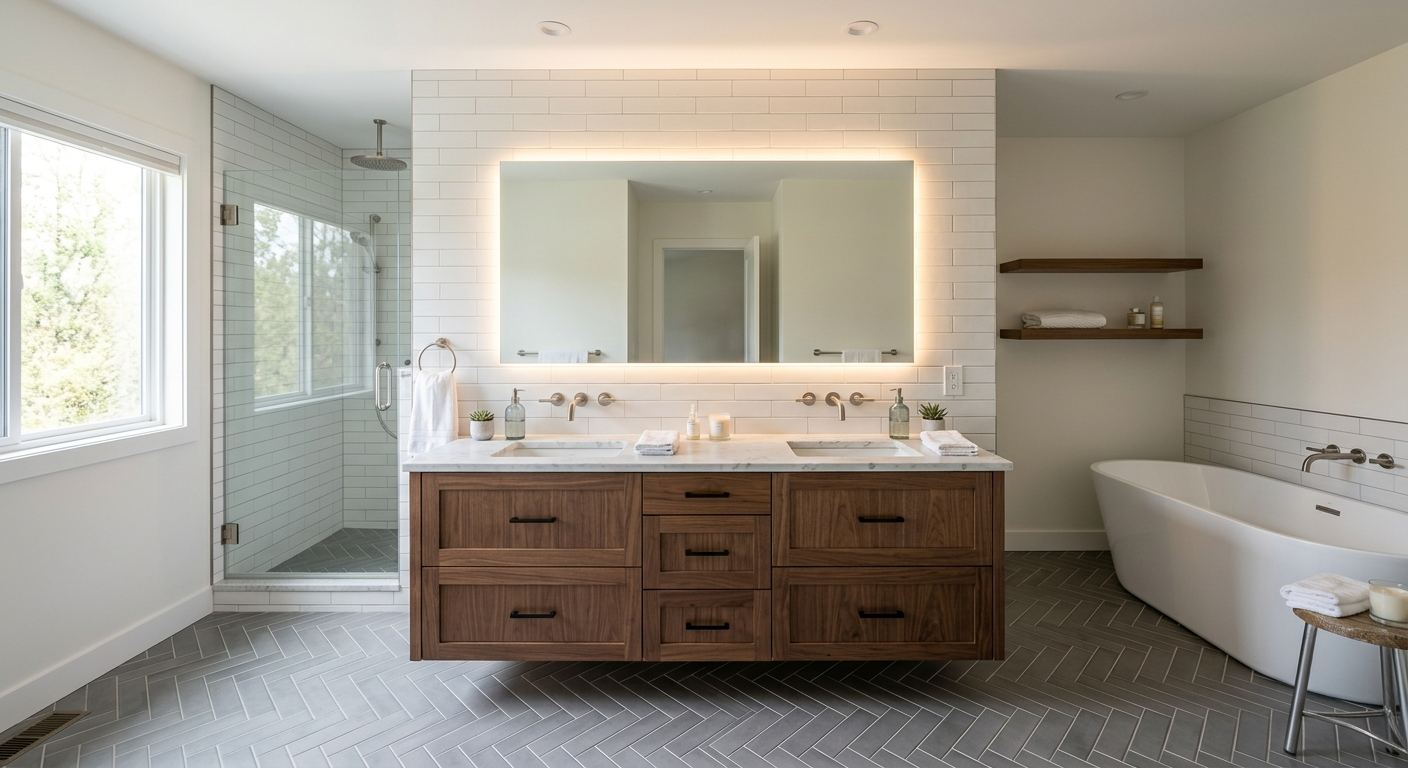
Bathroom renovation options and costs in York University Heights
In York University Heights, bathroom renovations typically fall into three lanes: cosmetic refreshes, mid-range full updates, and higher-end builds that change the look and performance of the space. With a population of 27,593 in the area (Statistics Canada, 2021 Census), you’re also competing for skilled trades time in the broader Toronto market. That matters because older housing stock around York University Heights is common in the post-war to late-1960s patterns, and that’s where dated plumbing layouts and old drain materials can show up once walls come open—along with the occasional asbestos-containing material in older floor assemblies. While it’s not “climate-driven,” Ontario’s year-round humidity and cold-season temperature swings can expose slow waterproofing issues faster, especially on exterior-facing walls and in second-floor bathrooms where drying is slower.
Toronto’s bathroom costs are shaped more by labour rates and job complexity than by weather extremes. In the GTA, tiling and waterproofing are labour-intensive, and GTA plumbing work often includes bringing vents and shut-offs up to current Ontario requirements when the existing system can’t meet code. Contractors are especially in demand in the York University Heights/Upper Village area, where turn-over and investor-driven upgrades are frequent. Once demolition starts, hidden conditions—like galvanized supply lines, cast-iron drain sections, or knob-and-tube remnants in older wiring runs—can change the scope quickly, which is why realistic budgets in the Toronto economic region are commonly higher than national averages.
Below is a practical comparison of common renovation scopes you’ll see in York University Heights, so you can line up expectations before you request quotes.
| Renovation Scope |
What's Included |
Typical Duration |
Price Range |
| Cosmetic refresh (paint, fixtures, accessories only) |
Paint, new toilet/vanity top & faucet (if layout unchanged), re-caulk, replace accessories (towel bars, mirror), deep clean, spot repairs to existing surfaces |
3–7 days |
$3,500–$7,500 |
| Mid-range full renovation (new tile, vanity, tub/shower, electrical) |
Demo and replace tub/shower surround with tile, new vanity and toilet, updated exhaust fan (ducted where needed), basic electrical updates (GFCI where applicable), waterproofing, new flooring as required |
2–4 weeks |
$12,000–$22,000 |
| High-end full renovation (custom tile, steam shower, heated floors) |
Custom tiled shower or steam shower, heated floor circuit, premium fixtures, upgraded venting/plumbing rough-in as needed, designer tile layout, glass enclosure, extended waterproofing and build-up |
4–8 weeks |
$22,000–$30,000 |
| Shower-only installation (convert tub to walk-in shower) |
Remove tub, rough-in adjustments for shower drain and valve, waterproofing system, new tile floor and walls, glass door/enclosure, exhaust fan refresh if required |
2–4 weeks |
$4,000–$12,000 |
| Bathtub replacement or tub-liner install |
Remove and replace tub and fittings, prep surfaces, new trim/valve as needed; alternatively tub-liner install where approved for your sub-surface |
1–3 weeks |
$1,200–$3,500 |
| Tile-only installation (floor + surround, existing layout kept) |
Tile removal to extent needed, prep and leveling, waterproofing/membrane where required, install floor and shower surround, re-grout and re-seal |
1–2.5 weeks |
$3,000–$10,000 |
Prices are estimates only and vary by project scope, site access and material selection.
What affects the price of bathroom renovation in York University Heights
Even for the “same” bathroom renovation scope in York University Heights, quotes can differ by 30–50% across Toronto and Ontario because the GTA trades market has premium hourly rates, and bathroom work is uniquely sensitive to hidden conditions once demolition begins. In practice, the biggest cost drivers here aren’t climate swings—they’re labour time and the age of the housing stock. Many homes in the Toronto region were built with drainage and ventilation layouts that don’t easily match today’s expectations. When contractors discover cast-iron or undersized drain sections, or galvanized/aged supply lines, they often need drain reconfiguration, vent corrections, and new shut-offs—raising scope and permitting requirements.
Another local wildcard is asbestos. In pre-1985 assemblies, discovery of asbestos-containing material in vinyl floor tile or older drywall compound can trigger licensed abatement protocols. That can add $1,500–$5,000+ to the budget depending on extent and access. For homeowners, that’s why a “tile-only” price can quickly become “mid-range full renovation” once membranes, subfloor corrections, or plumbing updates are required.
Concrete examples you’ll see in York University Heights: (1) keeping the existing tub-to-shower valve position is usually cheaper than moving valves and adding new rough-in lines; (2) larger-format porcelain tile reduces grout lines and can look cleaner, but demands stricter subfloor flatness—unlevel floors add labour; and (3) adding heated floors typically pushes budgets toward the upper end of local ranges—often aligning with the mid-to-high band where you see $12,000–$30,000 total renovation expectations.
| Price Factor |
Why It Matters |
Cost Impact |
| Layout change — moving drain or supply lines requires rough-in work |
New drain/supply routing increases demolition, labour, inspection complexity, and potential venting corrections |
$2,000–$8,000 |
| Tile selection — large-format porcelain vs. mosaic vs. ceramic |
Harder materials and smaller mosaics take more precise cutting, setting time, and detailing |
$1,000–$6,000 |
| Fixture tier — builder-grade vs. mid-range vs. designer brands |
Higher-end valves, toilets, and faucets cost more and sometimes require specialty trims or pressure/fitment checks |
$500–$4,500 |
| Subfloor condition — rot or unlevel concrete adds scope |
Repairing/leveling before waterproofing is critical; poor bases can force redo work |
$800–$5,000 |
| Electrical — adding GFCI outlets, exhaust fan, heated floor circuit |
Electrical additions need licensed work and can include wiring runs, fan ducting integration, and specialty circuits |
$600–$3,500 |
| Waterproofing method — membrane type and extent |
Better systems and complete coverage reduce long-term moisture risk; partial coverage increases failure probability |
$400–$2,500 |
| Older-home surprises — asbestos tile, cast-iron drains, galvanized pipes |
Abatement and plumbing upgrades expand demolition scope and require coordination with licensed trades |
$1,500–$7,000+ |
| Bathroom size — sq ft drives tile and labour time directly |
More floor/wall area increases materials, thinset/membrane usage, and installation hours |
$1,000–$6,000 |
Permits & regulations in Ontario
In Ontario, not every bathroom refresh needs a permit. Cosmetic updates—like swapping a vanity, replacing a toilet, repainting, re-caulking, or retiling where you keep plumbing positions the same—often don’t require permits. However, permits and inspections are commonly triggered when you relocate plumbing or alter the building’s systems. In York University Heights, the work most likely to require a permit includes: moving a drain or supply line, changing the location of a shower valve or toilet rough-in, adding/relocating a dedicated exhaust fan with new ducting or a new electrical circuit, and any structural changes that affect walls or framing. Electrical work must meet Ontario code and be performed (or signed off) by a licensed electrician.
To verify a contractor’s legitimacy, ask for three things before work starts: (1) their Ontario trade licence (for the relevant scope—plumbing and/or electrical work must be performed by licensed trades where applicable); (2) proof of liability insurance; and (3) WSIB/WCB coverage documentation (as applicable to their work). In practice, you can check the licence details and status via the provincial online licence registry, then review the Certificate of Insurance for coverage limits and the effective dates. Finally, ask whether you’ll receive a clearance letter or proof of coverage for the project period—your contractor should be able to provide this without hesitation.
Choosing tile, waterproofing and fixtures for your York University Heights bathroom
In York University Heights, your biggest “make-or-break” budget decisions are tile choice, waterproofing approach, and fixture tier. First, tile: ceramic is the entry point and can be cost-effective where the goal is a clean, classic look, but it’s typically best for standard durability expectations and straightforward installs. Porcelain is usually the mid-range sweet spot—denser and less porous—yet it’s heavier and can be less forgiving if the floor isn’t flat. Natural stone (marble, travertine, slate) looks premium, but it often needs more expensive finishing, careful selection, and installation detailing to avoid staining or uneven sheen.
Second, waterproofing: Ontario bathrooms run humid, and slow-drying behind tile can lead to mould or failures if you don’t build the system correctly. A paint-on membrane can work for certain prep conditions, but many modern installs favour a bonded sheet membrane or a proven schluter-style system for full coverage and detailed corners/transition points. Third, fixtures: builder-grade saves money up front, but mid-range or designer fixtures can improve daily function (valve smoothness, water control, comfort height) and can make your renovation look “complete” in resale photography.
Where the price difference is justified: upgrading from a basic ceramic shower surround to porcelain plus a robust waterproofing system can be worth it when you’re already paying for demolition and tile labour. For example, a shower-only conversion may sit around the $4,000–$12,000 range, and choosing porcelain with a higher-grade waterproofing approach in the upper half can prevent repeat work later—often the most expensive outcome. In York University Heights and the broader Toronto region, contractors also have the material know-how to balance performance with the styles buyers expect in the current market.
| Material / Option |
Pros |
Cons |
Price Range |
| Ceramic tile (floor + walls) |
Budget-friendly, wide style selection, easier to source, good for straightforward layouts |
Can be more prone to staining if unsealed improperly; may require more attention to out-of-plane tiles on older subfloors |
$3,000–$7,000 |
| Porcelain tile (floor + walls) |
More durable and water resistant, fewer concerns for long-term moisture, cleaner look with larger formats |
Heavier tile can demand better substrate prep; premium cuts/finishes cost more |
$5,000–$10,000 |
| Natural stone (marble, travertine, slate) |
High-end appearance, unique veining and texture, standout effect in resale photos |
Requires sealing/maintenance; more complex layout and polishing; higher material and labour costs |
$8,000–$16,000 |
| Frameless glass shower enclosure |
Modern look, improves perceived space, easy to clean |
Higher hardware cost; installation needs accurate framing and solid waterproofing |
$2,000–$7,500 |
| Prefab tub surround (acrylic) |
Fast install, consistent waterproofing surface, lower labour risk vs. complex tile builds |
Less “custom” look than tile; seams and transitions can show wear sooner depending on product quality |
$1,200–$3,500 |
| Custom shower pan (tile or linear drain) |
Improved drainage and accessibility, clean integrated linear look, excellent long-term performance when built correctly |
More labour and waterproofing detail; requires accurate slope and transition detailing |
$4,000–$12,000 |
How to choose a bathroom renovation contractor in York University Heights
Choosing the right contractor in York University Heights is mostly about protecting yourself from hidden-scope surprises. Start with licensing and coverage: confirm the contractor (and any subcontractors doing regulated work) holds the correct Ontario trade licence for the tasks being performed. Ask for proof of liability insurance and WSIB/WCB coverage documentation. You can check licence details through provincial online registries, and you should review insurance certificates for coverage limits and validity dates before signing. If anything is unclear, request written clarification—reputable contractors provide it quickly.
Next, get 2–3 itemised written quotes. A good quote breaks down labour and materials separately (tile supply vs. install, membrane system, glass enclosure, plumbing fixtures, disposal). Avoid “lump sum with no allowances” unless you’ve defined every finish and fixture. Carefully read inclusions and exclusions: Is the permit pull included? Is demolition and debris disposal covered? Are old fixtures hauled away? Will they protect floors/doors during construction? Confirm warranty terms too: ask for workmanship warranty length, product/manufacturer warranty details, and whether warranties are transferable if you sell your home.
Finally, use a sensible payment schedule. Never pay more than about 10–15% upfront; the rest should be tied to milestones, with a holdback until completion and walkthrough. Ask for the proposed start date and a completion estimate in writing, including how long lead times for tile or glass enclosure might delay the schedule.
- Provide licence numbers and matching scope (plumbing/electrical where applicable) in writing.
- Share a current Certificate of Insurance (liability) and confirm WSIB/WCB coverage.
- Use itemised quotes with labour, materials, and allowances clearly listed.
- State whether permits are included and who will pull them.
- List what disposal includes (dump fees, hauling, recycling where available).
- Confirm the waterproofing method by name (membrane type and coverage extent).
- Detail tile prep requirements (leveling, substrate repairs, backer board type).
- Specify whether drain/vent issues will be assessed before closing walls.
- Write down fixture brand/model and make sure it matches your selections.
- Include a start date and an estimated completion date in the contract.
- Set payment milestones and keep a holdback until the final walkthrough.
- Provide a workmanship warranty and explain how claims are handled.
Concrete red flags to watch for in York University Heights: (1) quotes that don’t explain waterproofing details but still promise “no leaks”; (2) no mention of permitting or inspections when plumbing/electrical changes are proposed; (3) refusal to provide insurance/WSIB/WCB documentation; (4) very low pricing that isn’t itemised—often a sign of hidden change-order triggers; and (5) asking for most of the money upfront with no schedule tied to progress.
Frequently asked questions — bathroom renovation in York University Heights
What adds the most resale value in a bathroom reno?
In York University Heights and the Toronto region generally, the best resale value comes from improvements buyers can “feel” immediately: a modern vanity and mirror setup, a properly tiled shower (with dependable waterproofing), and fixtures that look updated but not overly niche. Walk-in showers, clean tile lines, and updated exhaust ventilation tend to photograph well and reduce maintenance complaints. If your current bathroom is dated, moving a mid-range cosmetic refresh into a full renovation is what typically creates buyer confidence. For budgeting, many homeowners find the sweet spot aligns with the $12,000–$22,000 band for new tile, vanity, tub/shower updates, and electrical/exhaust improvements, rather than stopping at accessories-only changes that don’t address moisture and layout limitations.
Can I keep my existing plumbing layout to save money?
Yes—keeping the plumbing layout is one of the most reliable ways to reduce cost in Ontario bathrooms, including in York University Heights. If you keep the toilet location and maintain the same drain/valve positions for the shower or tub, you typically avoid the labour-intensive rough-in work (and the most common permit/inspection triggers). That means less wall opening, fewer chances of discovering issues in drain stacks or venting, and fewer new supply/drain lines to run. In many Toronto homes, the savings can be substantial compared with renovations that relocate fixtures, especially in older post-war builds where drain or vent corrections may be needed once walls are opened. You can still upgrade finishes significantly while staying within a tighter budget like $3,500–$7,500 for cosmetic-plus or $12,000–$22,000 for a mid-range full refresh that preserves layout.
How much does a walk-in shower cost in York University Heights?
In York University Heights, a walk-in shower conversion (typically converting a tub to a shower) commonly lands in the $4,000–$12,000 range depending on size, tile complexity, glass enclosure choice, and whether plumbing rough-in and venting adjustments are required. If your existing drain location is workable and the valve can remain in place, you’re usually on the lower end. If you need drain reconfiguration, new waterproofing build-ups, or electrical updates for an exhaust fan, you move toward the upper end. The most common “cost jump” isn’t the shower pan itself—it’s the discovery of older plumbing materials or subfloor conditions during demo. A dependable contractor will assess these before closing walls so your budget reflects actual scope.
What's the ROI on a bathroom renovation?
ROI varies by neighbourhood, buyer preferences, and how much you change the room’s function. In York University Heights, the ROI is usually best when you target moisture-resistant upgrades and a layout that feels current: a well-tiled shower, updated ventilation, and a clean vanity/faucet refresh. However, the ROI can flatten if you overspend on ultra-luxury finishes relative to the home’s overall value band. A practical way to think about ROI is “avoid the wrong spending”: spending on waterproofing reliability and durable finishes tends to be more valuable than spending heavily on decorative extras that don’t solve performance issues. Many homeowners aim for the mid-range full renovation band such as $12,000–$22,000 because it balances modern look with the kind of structural labour—tiling and waterproofing—that buyers perceive as quality, without pushing costs all the way to the upper high-end range of $22,000–$30,000 unless the home and market support it.
Do I need waterproofing behind the tile?
Yes, waterproofing behind the tile is strongly recommended (and in many high-quality installs, standard practice) for showers and wet areas in Ontario bathrooms, including in York University Heights. Tile is not waterproof by itself; grout and thinset still need a continuous water-management system. Proper waterproofing helps prevent mould and moisture damage in the wall cavities—especially important in Ontario’s humid season and in bathrooms that don’t dry quickly. The right approach depends on your assembly: contractors may use membrane systems (bonded sheet or targeted detailing solutions) and require compatible boards and proper thickness. If your contractor proposes tile directly over the wrong substrate or skips a membrane at critical transitions (corners, niches, tub/shower interfaces), that’s a major risk. It’s better to verify the waterproofing method in the quote than to rely on general promises.
How do I compare bathroom renovation quotes?
To compare quotes in York University Heights fairly, line up apples-to-apples scope. Start by asking each contractor for an itemised written quote showing labour vs. materials, allowances, and waste/disposal. Confirm what’s included: permit pull responsibilities, demolition, plumbing/electrical adjustments, waterproofing method, glass enclosure details, and whether any structural repairs are covered or treated as extras. Next, compare the finish selections: tile type/format, vanity model, exhaust fan specs, and whether the waterproofing system is named. If one quote is much lower than the others but lacks detail, it may hide change-order triggers. Also check coverage: licensed trades as required, liability insurance, and WSIB/WCB documentation. Finally, use realistic local price bands—full renovations in the Toronto region commonly sit in the $12,000–$30,000 range depending on how much you change and what surprises appear after demo.