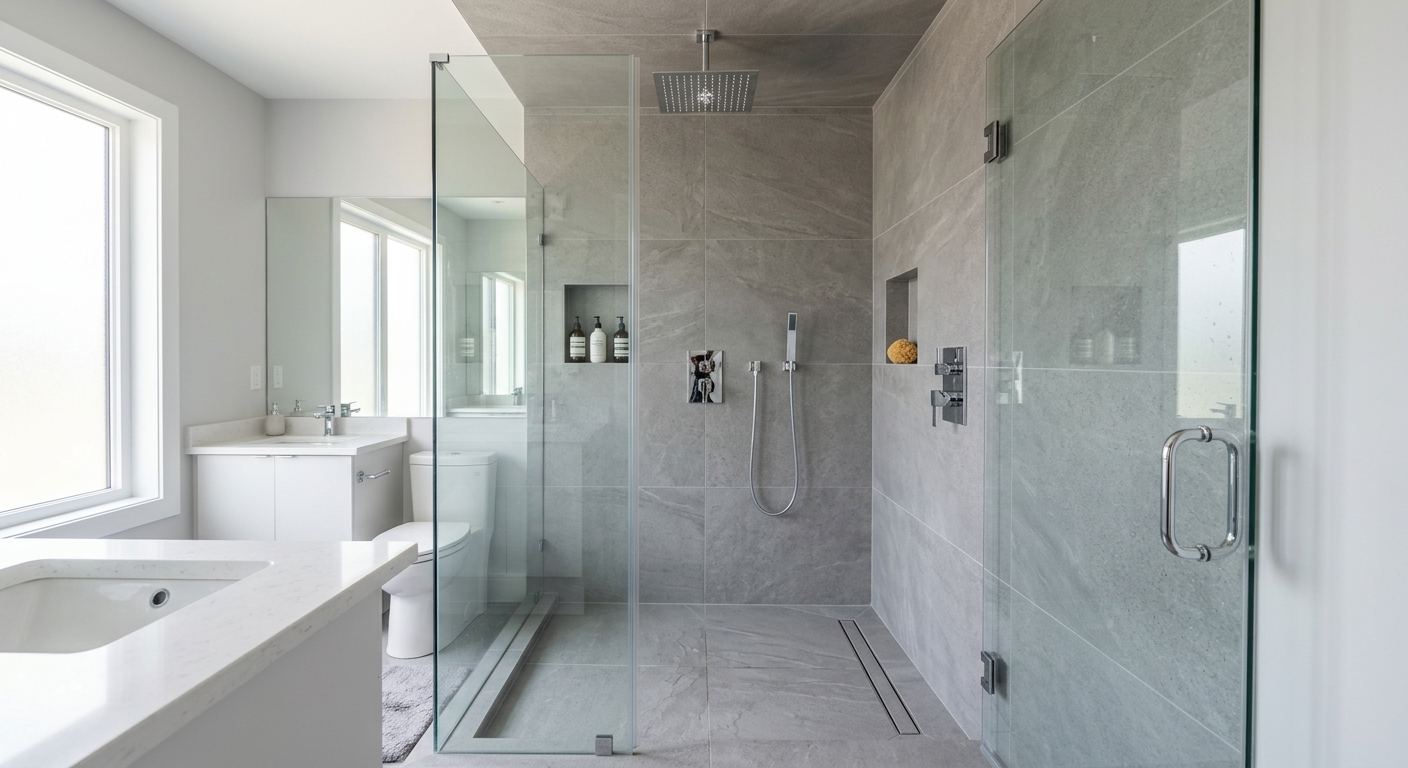
Bathroom renovation options and costs in Dechene
In Dechene, Alberta, bathroom renovation costs are driven less by the “outdoor weather” factor and more by what your specific home is hiding behind the walls—especially in older housing where plumbing layouts, drains, and subfloor conditions aren’t as straightforward. Dechene’s smaller population base (1,728 residents, Statistics Canada, 2021 Census) also means the local pool of specialized trades can be tighter for peak demand, which can influence scheduling and labour costs on multi-trade remodels. And because much of the housing stock around the Calgary economic region tends to be older than modern builds, homeowners commonly run into dated rough-ins (cast-iron or galvanized components) and the occasional discovery of asbestos-containing materials during demolition—most often around older floor tile or drywall compounds.
In the Calgary economic region, contractors consistently report that a “simple” refresh can expand once walls come down: plumbing and venting upgrades, subfloor or wall repairs, and coordination between trades all add time. That’s why budgets in Dechene often start near the low five figures for cosmetic work but move quickly toward mid-range full renovation pricing when tile, electrical, and waterproofing details change. If you’re in the Dechene area around the newer development edges near the city’s growth corridors, you may also see different fixture availability and scheduling depending on delivery lead times.
Use the table below as a realistic starting point for planning. It’s built around the scope homeowners typically choose in this part of Alberta—then assumes an older-home reality with some hidden work allowance.
| Renovation Scope |
What's Included |
Typical Duration |
Price Range |
| Cosmetic refresh (paint, fixtures, accessories only) |
Paint, caulking refresh, vanity and mirror replacement, toilet swap, hardware, grab bar prep if needed, re-install accessories |
3–7 days |
$3,500–$8,000 |
| Mid-range full renovation (new tile, vanity, tub/shower, electrical) |
New floor + surround tile, vanity, tub/shower (swap or reglaze scope where allowed), new exhaust fan, GFCI updates, basic plumbing adjustments (if keeping rough-in) |
2–4 weeks |
$15,000–$22,500 |
| High-end full renovation (custom tile, steam shower, heated floors) |
Custom shower/tile layout, heated floor circuit, premium fixtures, upgraded waterproofing system, possible venting/relocation, recessed niche/shelves |
4–7 weeks |
$22,500–$30,000 |
| Shower-only installation (convert tub to walk-in shower) |
Demo tub, new walk-in shower base/pan, tile enclosure, waterproofing, exhaust fan integration, plumbing tie-in to existing lines (or minor repositioning) |
2–3.5 weeks |
$12,000–$18,000 |
| Bathtub replacement or tub-liner install |
Replace tub and re-seal, tile/finish transitions as needed; liner work varies by substrate condition and existing tub type |
2–5 days |
$1,000–$3,000 |
| Tile-only installation (floor + surround, existing layout kept) |
Remove existing finishes (scope dependent), set new tile, grout/caulk, water-test and seal transitions, includes waterproofing allowance when required for wet areas |
1.5–3 weeks |
$3,000–$12,000 |
Prices are estimates only and vary by project scope, site access and material selection.
What affects the price of bathroom renovation in Dechene
In Dechene and across the Calgary economic region, you can see the same bathroom renovation quoted 30–50% apart because the “hard costs” don’t just come from materials—they come from labour rate differences, trade scheduling, and how much hidden scope is uncovered once demolition starts. Calgary pricing is also influenced by the age and condition of local housing stock more than by climate, since bathroom work is indoors and the primary moisture risk is managed through correct waterproofing and ventilation. That said, older baths still behave differently: dated venting routes can force exhaust fan and duct changes, and older drain stacks may need upgrading before the new fixtures can drain properly.
Older homes in the Calgary region commonly hide cast-iron or copper drain stacks that need upgrading, galvanized supply lines, and ventilation paths that weren’t designed for today’s exhaust requirements. If asbestos-containing materials show up—often in pre-1985 vinyl floor tile or older drywall compound—abatement protocols can add $1,500–$5,000+ to the budget depending on the extent and containment needs. In real projects, that’s the moment a “mid-range” plan can drift toward high-end full renovation pricing if you’re rebuilding subfloor height, reworking walls, or coordinating additional electrical.
Concrete examples from Dechene-area renos: (1) keeping the existing tub footprint can keep your project closer to the lower end of the $15,000–$22,500 mid-range band; (2) changing the shower size and moving the drain often pushes shower conversions toward the $12,000–$18,000 band because rough-in work and waterproofing become more complex. (3) If your subfloor is unlevel, tile-setting labour increases and may require backer/leveling work before waterproofing—quiet scope that homeowners only learn after demo.
| Price Factor |
Why It Matters |
Cost Impact |
| Layout change — moving drain or supply lines |
Requires rough-in work, opening walls, and re-routing plumbing and possibly venting |
$2,000–$8,000+ |
| Tile selection — large-format porcelain vs. mosaic vs. ceramic |
Higher density materials and complex patterns need more precise setting and labour |
$800–$6,000 |
| Fixture tier — builder-grade vs. mid-range vs. designer brands |
Premium fixtures cost more and sometimes require additional framing/support |
$500–$5,000 |
| Subfloor condition — rot or unlevel concrete adds scope |
Rot must be removed and rebuilt; unlevel surfaces require additional leveling and prep |
$1,000–$7,000+ |
| Electrical — adding GFCI outlets, exhaust fan, heated floor circuit |
New circuits and fan/vent wiring require licensed trades and inspections |
$600–$4,500 |
| Waterproofing method — membrane type and extent |
The right system prevents moisture migration; poor prep leads to rework |
$800–$3,500 |
| Older-home surprises — asbestos tile, cast-iron drains, galvanized pipes |
Discovery triggers abatement, disposal, pipe upgrades and additional labour coordination |
$1,500–$10,000+ |
| Bathroom size — sq ft drives tile and labour time directly |
More surface area means more materials, thinset, grout, backer prep and setting time |
$2,000–$9,000+ |
Permits & regulations in Alberta
In Alberta, the permit picture for bathroom renovations mainly depends on whether you’re changing plumbing, moving structure, or upgrading electrical. Cosmetic updates—like swapping fixtures, replacing a vanity, retiling surfaces without moving plumbing, painting, and installing accessories—typically do not require a permit in most homeowner scenarios. The “need-to-permit” work usually starts when you relocate plumbing (moving a drain or supply line), add or reconfigure exhaust ventilation, or make structural wall changes.
Electrical work must meet Alberta electrical code requirements and be performed by (or signed off by) a licensed electrician—especially if you’re adding GFCI outlets, running a new exhaust fan circuit, or installing a heated floor circuit. Plumbing rough-in changes (new drain runs, relocating valves, or altering wet-area rough-ins) generally require a permit and inspection. Even when the finishes are straightforward, hidden rough-in is where inspectors focus.
For Dechene homeowners, verify before work starts: (1) Ask for the contractor’s Alberta trade licence information and confirm it via the relevant online registry; (2) request a certificate of insurance naming you as additional insured if possible; and (3) confirm WCB coverage (often called WCB/clearance) so you’re not exposed if a worker is injured. Then request a clearance letter or proof document and keep it with your contract. Step-by-step, you’ll want these documents before the first day of demolition, not after.
Choosing tile, waterproofing and fixtures for your Dechene bathroom
When you budget a bathroom renovation in Dechene, the most important choices are tile type, waterproofing approach, and fixture tier—because each one changes both cost and how reliably the bathroom resists moisture over time. First, tile choice: entry-level ceramic is often cheaper on material, but it can be more likely to chip in high-traffic floors if the substrate isn’t perfect. Mid-range porcelain is denser and typically performs better for floors and wet areas, while natural stone (marble, travertine, slate) adds premium material cost and can demand extra sealing and more careful installation.
Second, waterproofing method: paint-on membranes can work for certain situations, but in showers and tub surrounds the best results usually come from a bonded sheet membrane or a proven system with proper details at corners, niches, and penetrations. In Alberta’s indoor humidity cycles—winter heating plus daily showers—the right waterproofing and ventilation prevent mould by keeping moisture from migrating behind tile and through joints.
Third, fixture tier: builder-grade faucets and toilets reduce upfront cost, but mid-range or designer brands often include smoother cartridges, better finishes, and valves that are easier to service. That can improve resale appeal and reduce maintenance hassle.
A practical dollar example: moving from an entry ceramic surround to mid-range porcelain can add material and setting cost, but you’re often justified paying the premium if you’re also upgrading waterproofing and building a durable shower base. If you’re only doing a cosmetic refresh, saving on tile upgrades may make sense; if you’re doing a mid-range full renovation near $15,000–$22,500, it’s usually better to spend where it prevents future rework.
| Material / Option |
Pros |
Cons |
Price Range |
| Ceramic tile (floor + walls) |
Lower material cost; wide design availability; good for non-wet or light wet-use areas when installed properly |
Less durable than porcelain for floors in busy households; more sensitive to substrate movement |
$3,000–$7,000 |
| Porcelain tile (floor + walls) |
Higher durability; better moisture performance; great choice for floors and shower surrounds |
Higher material cost; may require tighter layout planning to avoid awkward cuts |
$5,000–$12,000 |
| Natural stone (marble, travertine, slate) |
Premium look; can increase perceived value; unique veining and depth |
Costly materials; needs sealing/maintenance; installation is slower and more detail-driven |
$10,000–$20,000+ |
| Frameless glass shower enclosure |
Modern appearance; improves light feel; easy to keep clean with proper sealing |
Higher material and fabrication cost; must be installed square to prevent leaks/warped doors |
$2,000–$6,500 |
| Prefab tub surround (acrylic) |
Fast install; fewer tile cuts; can reduce labour time and dust |
Limited design customization; seams require careful sealing and may age differently than tile |
$800–$2,500 |
| Custom shower pan (tile or linear drain) |
Best durability when done right; accommodates curbless/accessible goals; linear drains look high-end |
More labour; requires precise slope/leveling and waterproofing details |
$2,500–$8,500 |
How to choose a bathroom renovation contractor in Dechene
Choosing a bathroom contractor in Dechene comes down to verifying credentials, confirming the quote is itemised, and making sure waterproofing and rough-in work are covered—not just the pretty finishes. Start by verifying Alberta licensing information for the trades involved (or confirming that the general contractor coordinates licensed subs). Ask for a certificate of insurance that includes liability coverage, and confirm WCB/WCB clearance coverage so you’re not left holding the risk if a worker is injured on your site.
Next, get 2–3 written quotes that itemize labour and materials (not a single lump sum). You want to see line items for demolition/disposal, waterproofing, tile setting, electrical allowances (like GFCI and exhaust fan), plumbing rough-in, and any permit-related work. Read scope carefully for what’s excluded: for example, is subfloor repair included if it’s discovered during demo? Is permit pulling included, and who pays for inspections? Are disposal fees included or billed separately?
Warranty matters in a bathroom: request the workmanship warranty length and whether it covers waterproofing and tile failure, then confirm product/manufacturer warranties for fixtures. Also ask whether warranties are transferable if you sell your home. For payment schedule, never agree to more than about 10–15% upfront; keep a holdback until the job is complete, cleaned, and any punch-list items are resolved. Finally, insist on a start date and a completion estimate in writing so you can align your schedule.
- Confirm the contractor’s Alberta trade licence (and licences for specialty trades) before demolition.
- Request a current certificate of liability insurance and verify coverage limits.
- Get WCB/WCB clearance documentation and keep it with your contract.
- Ask for 2–3 itemised quotes: labour + materials breakdown, not just totals.
- Confirm permit pulling responsibility and inspection coordination in the contract.
- Ensure demolition/disposal and dust control are explicitly included.
- Verify waterproofing method (membrane type and coverage) is written into the scope.
- Check that plumbing rough-in changes are priced separately from “finish” work.
- Ask who provides tile-setting warranty coverage and for how long.
- Clarify what happens if asbestos or other hazardous materials are discovered.
- Use a payment schedule with no more than 10–15% upfront and a meaningful completion holdback.
- Get a written timeline with start date, milestones, and realistic cure times for waterproofing.
In Dechene, common red flags include: quotes that do not specify waterproofing details, unexplained “allowances” that silently expand once materials are chosen, missing evidence of insurance or WCB coverage, workmanship warranties that exclude shower waterproofing, and contractors who won’t put schedule and scope in writing or resist a structured payment schedule.
Frequently asked questions — bathroom renovation in Dechene
How do I prevent mold in a Dechene bathroom?
Mould prevention in Dechene comes from controlling moisture at the source: proper waterproofing and ventilation, plus correct sealing around penetrations. If your home is older (common across the Calgary region), the biggest risk is moisture migration behind tile where waterproofing details weren’t done correctly. Use a full waterproofing system for shower/tub surrounds (not just paint-on in wet zones), and ensure corners, niches, and drain/fixture penetrations are sealed with the right membrane. Also plan an exhaust fan that vents outside and runs long enough after showers. Finally, don’t skip grout and caulking maintenance—re-caulking where needed is cheaper than replacing tile later. If your contractor is quoting a mid-range reno around $15,000–$22,500, it should include waterproofing scope and ventilation upgrades, not just finishes.
What adds the most resale value in a bathroom reno?
In Alberta home markets, the resale value usually tracks durable upgrades that buyers can see and trust: a well-installed tile shower, clean modern finishes, and fixtures that work reliably. The “invisible” items—good waterproofing, correct ventilation, and leak-proof plumbing transitions—matter because buyers inspect for signs of prior repairs and moisture issues. Heated floors are a strong differentiator in winter-heavy climates, but they’re only worth it if the electrical work and subfloor prep are done properly. If you’re aiming for a full renovation budget near $22,500–$30,000, custom tile and a high-quality shower system generally deliver more perceived value than upgrading only cosmetic accessories. A bathroom that feels bright, with good lighting and a properly functioning exhaust fan, tends to photograph well and sell well.
Can I keep my existing plumbing layout to save money?
Yes—keeping your existing plumbing layout is one of the most reliable ways to save money in Dechene. When you don’t move drains or supply lines, you avoid opening walls for rough-ins, reduce permit-related plumbing changes, and often shorten labour time. This is especially important in older Calgary-area homes where hidden work like cast-iron drain updates or galvanized supply line repairs can expand scope once walls are opened. If you keep the vanity footprint and shower/tub location, you can still upgrade finishes, waterproofing, and electrical (like exhaust fan and GFCI outlets) without triggering the highest-cost rough-in scenario. In practice, homeowners who keep layout commonly stay closer to the mid-range band (for example, $15,000–$22,500), while layout changes can push projects toward the upper end due to additional demolition, rough-in work, and trade coordination.
How much does a walk-in shower cost in Dechene?
A walk-in shower in Dechene typically costs based on whether you’re converting from a tub and whether the drain location changes. For many homeowners converting a tub to a walk-in with a proper shower base and waterproofing, pricing commonly falls around the local “shower installation” band of $8,000–$15,000, with many real projects landing higher when tile, enclosure, and electrical (like an improved exhaust fan) are included. If you also move the drain, install a custom pan with a linear drain, or select premium fixtures and frameless glass, it can approach the upper end of the full renovation pricing depending on scope. Ask your contractor for an itemised breakdown so you can see what’s included: waterproofing method, pan/base details, glass enclosure, tile labour, and any plumbing rough-in changes.
What's the ROI on a bathroom renovation?
ROI varies by neighbourhood demand and the condition of the rest of the home, but in Alberta the ROI tends to be strongest when you renovate the bathroom to a durable, inspection-ready standard: leak-proof plumbing transitions, correct waterproofing, and modern but practical fixtures. Cosmetic-only refreshes can improve day-to-day enjoyment, but they usually don’t command the same resale lift as a true wet-area rebuild. If your home is older, hidden issues like ventilation shortfalls or failing subfloor can reduce ROI if they aren’t addressed. When you invest in waterproofing and durable tile, you’re reducing the risk of future repairs—something buyers factor into negotiations. As a practical planning reference, many mid-range full renovations cluster around $15,000–$22,500, while higher-end work can approach $22,500–$30,000. The closer your renovation matches mainstream buyer expectations for finish durability, the better the likely return.
Do I need waterproofing behind the tile?
In a bathroom wet zone, yes—waterproofing behind the tile is strongly recommended, and for most shower/tub surround installations it’s effectively required to protect the substrate. Tile alone is not waterproof; grout and caulking are wear surfaces, and water can move through small openings over time. In Dechene and the broader Calgary economic region, the risk is moisture migration and mould growth when water reaches backer boards or drywall. A proper system typically includes correct prep, a waterproof membrane (or bonded system), and detailed sealing at corners, seams, niches, and penetrations. Your contractor should be specific about membrane type and coverage in the written scope. If you’re comparing quotes, don’t accept vague language—make sure waterproofing is clearly included as part of the renovation scope, not an optional upgrade.