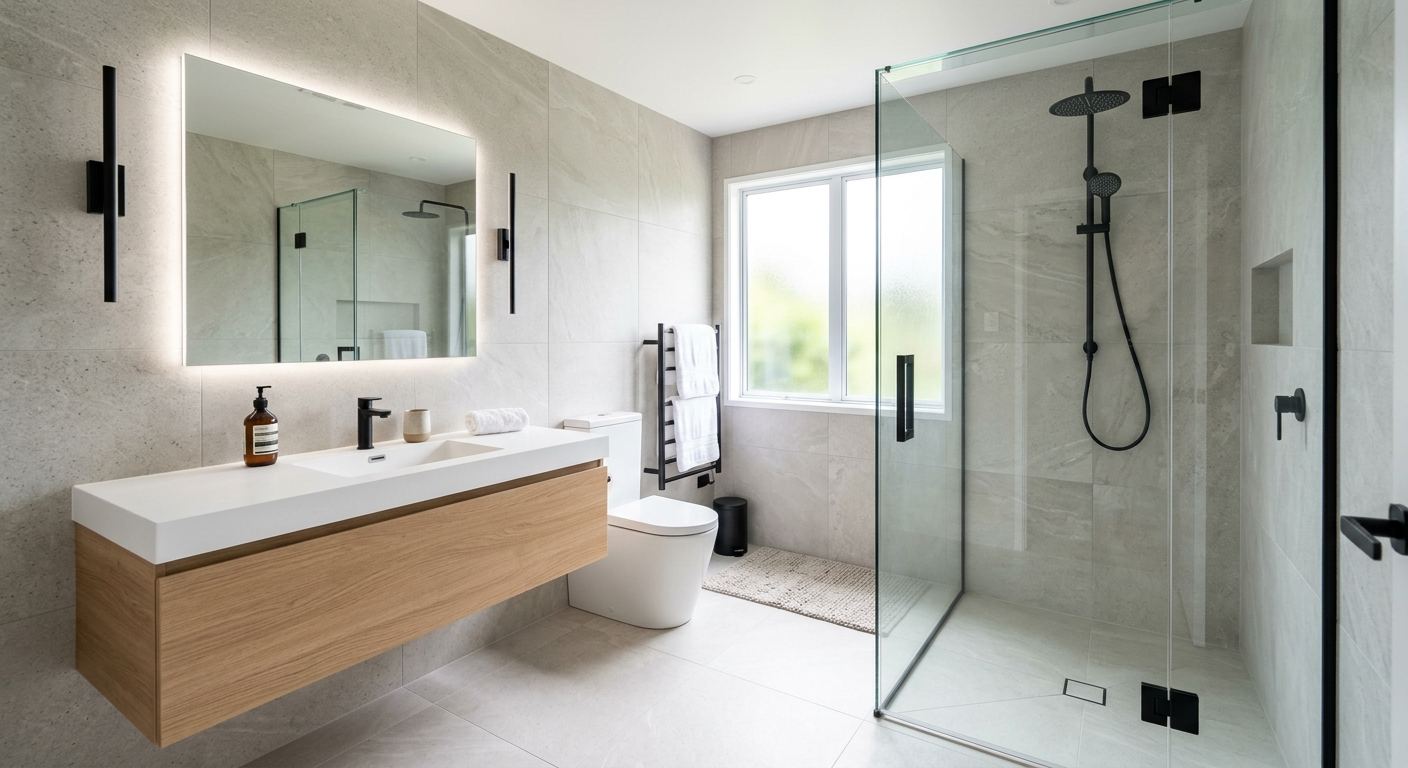
Bathroom renovation options and costs in Parkhill
Bathroom renovations in Parkhill are shaped by both the size of your project and the realities of working in an older, established neighbourhood. With Parkhill’s population at 1,770 (Statistics Canada, 2021 Census), you’ll typically deal with contractors serving the broader Calgary economic region—so availability and scheduling often reflect Calgary demand. Also, many area homes are dated, and in older housing you should expect plumbing layouts that aren’t as straightforward as a new-build: cast-iron or older drain piping, mixed supply materials, and tile assemblies that may need careful removal. That’s why “simple” updates can turn into a remodel once walls come open.
Calgary-area bathroom costs are driven more by local labour rates and the condition of the housing stock than by climate. Alberta’s cold snaps still matter for comfort—especially around exterior walls, subfloor insulation, and how quickly bathrooms dry—but the bigger cost swings usually come from rough-in upgrades, ventilation upgrades, and hidden repairs discovered after demolition. Contractors commonly report that a cosmetic refresh can start around the low five figures, while mid-range full renovations often land much higher once tile, electrical, and waterproofing are properly scoped and coordinated. Trade coordination is also a factor: tilers, electricians, and plumbers must sequence work so waterproofing isn’t delayed.
In Parkhill, the busiest stretch tends to be around the older residential pockets near the downtown core where many homes have been updated once or twice but never fully modernized. If you’re comparing budgets, the table below is the most reliable starting point for planning scope and timing.
| Renovation Scope |
What's Included |
Typical Duration |
Price Range |
| Cosmetic refresh (paint, fixtures, accessories only) |
Paint, new vanity top or vanity, toilet swap, faucet/handles, lighting refresh (like-for-like), accessories, deep clean, basic caulking |
3–7 days |
$5,000–$10,000 |
| Mid-range full renovation (new tile, vanity, tub/shower, electrical) |
Demo to a safe stopping point, new tub/shower or surround, new tile floor and walls, waterproofing, vanity, ventilation fan upgrade, GFCI, new trim/finishes |
2–4 weeks |
$15,000–$22,000 |
| High-end full renovation (custom tile, steam shower, heated floors) |
Custom shower/tub layout, premium tile, heated floor system, higher-end fixtures, upgraded electrical, advanced waterproofing and controls, enhanced trim and storage |
4–8 weeks |
$22,000–$30,000 |
| Shower-only installation (convert tub to walk-in shower) |
Remove tub, new walk-in shower base or pan, tile walls, waterproofing, updated valve trim, new or adjusted drain, ventilation and lighting touch-ups as needed |
2–3 weeks |
$11,000–$18,000 |
| Bathtub replacement or tub-liner install |
Swap tub with acrylic/fibreglass unit or install liner system, new trim, re-caulking, sealant and leak test, limited finish patching |
2–7 days |
$2,000–$6,000 |
| Tile-only installation (floor + surround, existing layout kept) |
Tile removal (as required), membrane prep, tile floor and surround on existing footprint, grout/seal, basic re-trim, waterproofing where appropriate |
1–2 weeks |
$3,000–$12,000 |
Prices are estimates only and vary by project scope, site access and material selection.
What affects the price of bathroom renovation in Parkhill
Even when homeowners ask for the “same” bathroom upgrade in the Calgary economic region, quotes can vary by 30–50%. The reason is usually not the tile brand or the size of the bathroom—it’s the local labour rate environment and what gets uncovered in older homes. Many Parkhill bathrooms sit in housing stock that predates today’s plumbing and waterproofing standards, so the scope expands once contractors open up walls to check subfloor condition, venting routes, and pipe condition. The climate is a factor for comfort and drying, but the biggest cost driver is concealed work: rough-in modifications, ventilation upgrades, and any additional coordination between trades.
Here are the common “hidden” items that push budgets upward: older homes may have cast-iron or mismatched drain components that require an upgrade for proper venting and flow; galvanized supply lines can corrode; and insufficient exhaust can cause long dry times that accelerate grout and substrate failure. If asbestos-containing material is discovered—such as in certain vinyl floor tile or dated compounds—abatement triggers are a major scope expansion (often adding about $1,500–$5,000+ depending on access, quantities, and disposal requirements). In practical terms, that’s how a project that starts as a mid-range plan can drift toward the higher band.
Concrete examples from Parkhill-style renovations: (1) moving a vanity from one wall stud line to another can force drain/supply rough-in changes, which affects labour and inspection timing; (2) switching from ceramic to porcelain in wet zones can increase material costs and, if large-format tile is chosen, may require more careful substrate prep to avoid lippage; (3) adding heated floors typically shifts the electrical and waterproofing approach, making the job closer to the $15,000–$22,000 mid-range band or higher, depending on extent.
| Price Factor |
Why It Matters |
Cost Impact |
| Layout change — moving drain or supply lines requires rough-in work |
New plumbing paths often require opening walls, modifying framing, and coordinating inspection timing |
$1,500–$7,000+ |
| Tile selection — large-format porcelain vs. mosaic vs. ceramic |
Substrate flatness requirements and cutting complexity increase labour; premium materials cost more |
$500–$6,000 |
| Fixture tier — builder-grade vs. mid-range vs. designer brands |
Higher-end faucets, vanities, and shower valves may require different valves/trim and longer install |
$300–$4,000+ |
| Subfloor condition — rot or unlevel concrete adds scope |
Repairs, new underlayment, self-levelling, and additional waterproofing prep take time and materials |
$1,000–$8,000 |
| Electrical — adding GFCI outlets, exhaust fan, heated floor circuit |
More circuits and higher loads affect labour, materials, and permit/inspection needs |
$500–$3,500 |
| Waterproofing method — membrane type and extent |
Correct system selection prevents leaks and mould failures; partial installs cost more to redo |
$400–$3,000 |
| Older-home surprises — asbestos tile, cast-iron drains, galvanized pipes |
Abatement protocols and plumbing upgrades can expand scope after demo |
$1,500–$10,000+ |
| Bathroom size — sq ft drives tile and labour time directly |
More surface area increases tile quantities, thinset/grout, and labour hours for careful installation |
$1,000–$6,000+ |
Permits & regulations in Alberta
In Alberta, many bathroom updates are treated as “cosmetic” and typically do not require a building permit—provided you’re not changing the underlying structure or moving plumbing/electrical in a way that triggers additional requirements. Swapping fixtures like a toilet, faucet, vanity, or retiling within the existing footprint usually falls into cosmetic work. However, permits become likely when you change the plumbing or ventilation system. Relocating a drain or supply line, adding or relocating a shower valve, and installing new exhaust fans that require new circuits are examples of work that usually needs proper approval and inspections.
Electrical work must meet Alberta electrical code requirements and be performed by (or signed off by) a licensed electrician. That’s especially relevant when you add a new exhaust fan, upgrade lighting, or install heated floor systems. Any plumbing rough-in changes typically require a permit and inspection so the rough connections and venting are checked before walls are closed.
To protect yourself as a homeowner in Parkhill, verify these items step-by-step before signing:
- Request the contractor’s Alberta trade licence number (and confirm it’s active).
- Ask for a certificate of insurance (liability coverage) showing it covers renovation work and the jobsite address.
- Confirm WSIB/WCB coverage for the contractor and workers; obtain proof of clearance where applicable.
- Get a copy of any permit/inspection responsibility statement in writing (who pulls permits and who pays inspection fees).
- Ask what will happen if asbestos or other hidden issues are found after demo—who leads abatement and how the quote changes.
Choosing tile, waterproofing and fixtures for your Parkhill bathroom
In Parkhill (and across the Calgary market), three material decisions most directly control both your budget and your long-term performance: tile choice, waterproofing approach, and fixture tier. First, tile: ceramic is usually the entry-level path and can be cost-effective for a simple refresh, but it often isn’t as durable as porcelain in high-splash areas. Porcelain is a strong mid-range option because it handles moisture better and offers more design flexibility for floors and tub/shower surrounds.
Second, waterproofing: this is where Alberta bathrooms need to be built to last. Paint-on membranes can work for specific systems when installed correctly, but many modern installs use bonded sheet membranes or a robust system (often paired with proper board/primer choices). The goal is to prevent moisture migration into framing and subfloor where cold bathroom cycles can magnify condensation and where poor waterproofing is one of the most common causes of rework.
Third, fixtures: builder-grade valves and trim keep budgets in check, while mid-range and designer brands improve feel and finishes—and sometimes reduce service headaches with better valve engineering. For example, if you’re deciding between a higher-end shower valve and saving that money for tile, the trade-off is often worth it when the rest of the system is being opened: spending a bit more on the valve and trim can be justified because it’s expensive to replace later after tile is finished.
If your goal is to stay practical, a common strategy in Parkhill is porcelain tile plus a proven waterproofing system, paired with mid-range fixtures. That combination typically lands in the mid-range renovation band ($15,000–$22,000) rather than the high-end band, without sacrificing leak protection.
| Material / Option |
Pros |
Cons |
Price Range |
| Ceramic tile (floor + walls) |
Affordable, wide selection, straightforward installation for standard formats |
Lower moisture and durability performance than porcelain in some conditions; more staining risk if grout isn’t maintained |
$3,000–$7,000 |
| Porcelain tile (floor + walls) |
Better moisture resistance, great for wet areas, more options for larger formats and modern looks |
Higher material cost; large-format installs demand flatter substrates |
$6,000–$12,000 |
| Natural stone (marble, travertine, slate) |
Premium look, unique texture and finish |
Requires careful sealing/maintenance; can be pricier to source and install; selection and waste can increase cost |
$10,000–$22,000+ |
| Frameless glass shower enclosure |
Bright, modern appearance; helps visually open smaller baths |
Costly; needs precise measurements and careful waterproofing detailing at edges |
$2,000–$6,000 |
| Prefab tub surround (acrylic) |
Fast installation; fewer tile labour hours; easy wipe-down |
Less custom design; seams can be less forgiving if prep isn’t perfect |
$500–$3,000 |
| Custom shower pan (tile or linear drain) |
Modern drainage lines and a flush look; improves accessibility if designed well |
More build time; waterproofing becomes critical; linear drains require exact slope planning |
$3,500–$10,000+ |
How to choose a bathroom renovation contractor in Parkhill
Choosing the right contractor in Parkhill starts with verifying credentials the right way. First, confirm Alberta licensing: ask for their trade licence information and ensure it matches the work they’ll perform (especially plumbing and electrical-related tasks). Next, get proof of liability insurance—your certificate of insurance should list renovation work and cover the jobsite. For workplace safety coverage, confirm WSIB/WCB coverage for the company and request proof of clearance or coverage status where applicable. This isn’t paperwork for paperwork’s sake: it protects you if something goes wrong on site.
Then, get 2–3 itemised written quotes instead of relying on a single lump sum. The best quotes show a labour and materials breakdown, including demo scope, waterproofing method, disposal, and what’s excluded (such as subfloor repairs, drywall patching, or additional electrical outlets). Ask whether the permit pull is included, and whether inspection fees are handled by the contractor. Warranty matters too: workmanship warranty length and what’s covered should be stated, and you should understand whether product warranties are transferable.
Finally, manage risk with payment scheduling and timelines. Never pay more than 10–15% upfront. Use a holdback until key completion milestones are met (tile/waterproofing and final trim). Get a start date and a completion estimate in writing so scheduling disputes don’t turn into cost overruns.
- Request Alberta licence details and verify they match the planned scope.
- Collect a current certificate of liability insurance before work begins.
- Confirm WSIB/WCB coverage and request proof of clearance where applicable.
- Insist on an itemised quote (labour vs materials) rather than “one price”.
- Ask specifically what’s excluded (subfloor repair, patching, plumbing adjustments).
- Confirm whether permit pulling, inspections and any re-inspection costs are included.
- Verify disposal/rubbish removal is included—bathrooms generate a lot of debris.
- Get waterproofing details in writing: membrane type, prep steps, and coverage.
- Request proof of past bathroom projects in older homes (scope reveal experience).
- Review warranty terms for labour and for products separately.
- Agree on a payment schedule with a holdback until final walkthrough.
- Get a written schedule showing trade sequencing (demo, rough-in, waterproofing, tile, trim).
Red flags for Parkhill homeowners: vague scopes that don’t name waterproofing methods, quotes that don’t mention permits or disposal, refusal to provide insurance/licence details, large upfront deposits beyond 10–15%, and warranties described only as “standard” without durations and exclusions.
Frequently asked questions — bathroom renovation in Parkhill
How do I compare bathroom renovation quotes?
Start by comparing scope, not just the total number. For Parkhill-area projects, ask each contractor to itemise labour and materials, including demo limits, waterproofing method, tile prep/subfloor work, electrical scope (like GFCI and exhaust fan), and whether permits and inspections are included. Quotes can differ by 30–50% when hidden work (venting, drain upgrades, subfloor corrections) isn’t included up front. Look for clarity on exclusions like asbestos discovery, additional plumbing runs, and drywall/ceiling patching. Also compare timelines and trade sequencing—delays in waterproofing-to-tile transitions often drive change orders. If you’re seeing a “simple” refresh near the low five figures, make sure it truly excludes tile replacement or plumbing relocation; otherwise it’s not apples-to-apples.
Can I live at home during a bathroom renovation in Parkhill?
Often, yes—especially if you have a second bathroom or a powder room. In Parkhill, many renovations are sequenced so the bathroom is fully out of service only for short bursts (typically demo to rough-in, then waterproofing to tile). Cosmetic refresh work can be easiest to manage, because it’s usually paint, fixtures, and accessories only (commonly within a few days). A mid-range full renovation usually takes a few weeks, and you’ll want a plan for showering and using the toilet during tile and waterproofing downtime. Discuss the work staging: which days plumbers and electricians are scheduled, when waterproofing is applied, and how access to the site will be handled. If the project expands due to older-home surprises, that can extend disruption, which is another reason to budget contingency.
What's the best bathtub material for a Parkhill home?
For most Parkhill homes, acrylic or fibreglass tubs are a practical “best value” because they’re lighter than older cast-iron units, easier to install, and typically quicker to replace. If you’re keeping your existing tub footprint, a tub-liner option can reduce demo time and keep costs lower—often falling in the lower portion of the replacement band (commonly around the $500–$3,000 range depending on the system and prep). If you’re doing a full remodel and can coordinate the plumbing and waterproofing correctly, you can also choose a higher-end tub and focus on proper sealing at the apron edges and around the valve area. The real deciding factor is whether your renovation includes the plumbing rough-in and how well the surrounding waterproofing is rebuilt, not just the tub shell material.
Is it worth renovating a bathroom before selling in Parkhill?
It can be, but the “worth it” part depends on what’s wrong with the current bath and whether the renovation avoids over-improving for your buyer segment. In Parkhill and the Calgary market, buyers notice a functional, clean, modern bathroom: good lighting, ventilation that actually clears steam, durable tile, and a shower that doesn’t leak. If your bathroom has dated finishes but solid plumbing and structure, a cosmetic refresh can help—however, if there are signs of moisture issues, poor ventilation, or failing grout, a full renovation becomes more defensible. Budget realities matter too: once you move beyond a cosmetic refresh and into a mid-range full plan, you’re usually looking at the $15,000–$22,000 range (or more) depending on tile and electrical. Renovating before selling is most worthwhile when it reduces risk and repairs visible and hidden problems, not when it triggers extensive scope you can’t recover.
How do I plan a bathroom renovation on a tight budget in Parkhill?
Plan around priorities that reduce rework: waterproofing and ventilation first, then durability of surfaces, then aesthetics. If you’re trying to keep costs closer to the low five figures, treat the project as cosmetic—paint, vanity/faucet swaps, lighting refresh, and accessories—while keeping tile and plumbing in place. If you can stretch into tile work, choose porcelain strategically for high-wet zones and keep the layout simple. Avoid expensive changes late in the process: moving drains/supplies or adding new shower valves often increases labour and permit scope. Also, build contingency for older-home surprises. Calgary-area contractors frequently encounter subfloor repairs and plumbing venting upgrades once walls open; in some homes, asbestos discovery can add significant time and cost. With a tight budget, work with a contractor to set decision points early so changes don’t turn a predictable schedule into an expensive one.
What's the difference between a cosmetic and a full bathroom renovation?
A cosmetic renovation typically keeps the plumbing footprint and core structure unchanged. It usually means updating finishes like paint, vanity (swap-in), faucet and toilet replacements, lighting refresh (where wiring is unchanged), and re-caulking. A full renovation goes beyond appearance: it includes demolition to expose rough-in conditions, new waterproofing, new tile floors/walls or a new shower/tub assembly, and often electrical upgrades like exhaust fans and GFCI protection. In Parkhill, full renovations frequently need permits when plumbing or ventilation is relocated or upgraded and when electrical changes require code-compliant work. That’s why costs jump from low five-figure refreshes into the mid-range full renovation band—commonly $15,000–$22,000 depending on tile choices and whether hidden issues are discovered after demo.