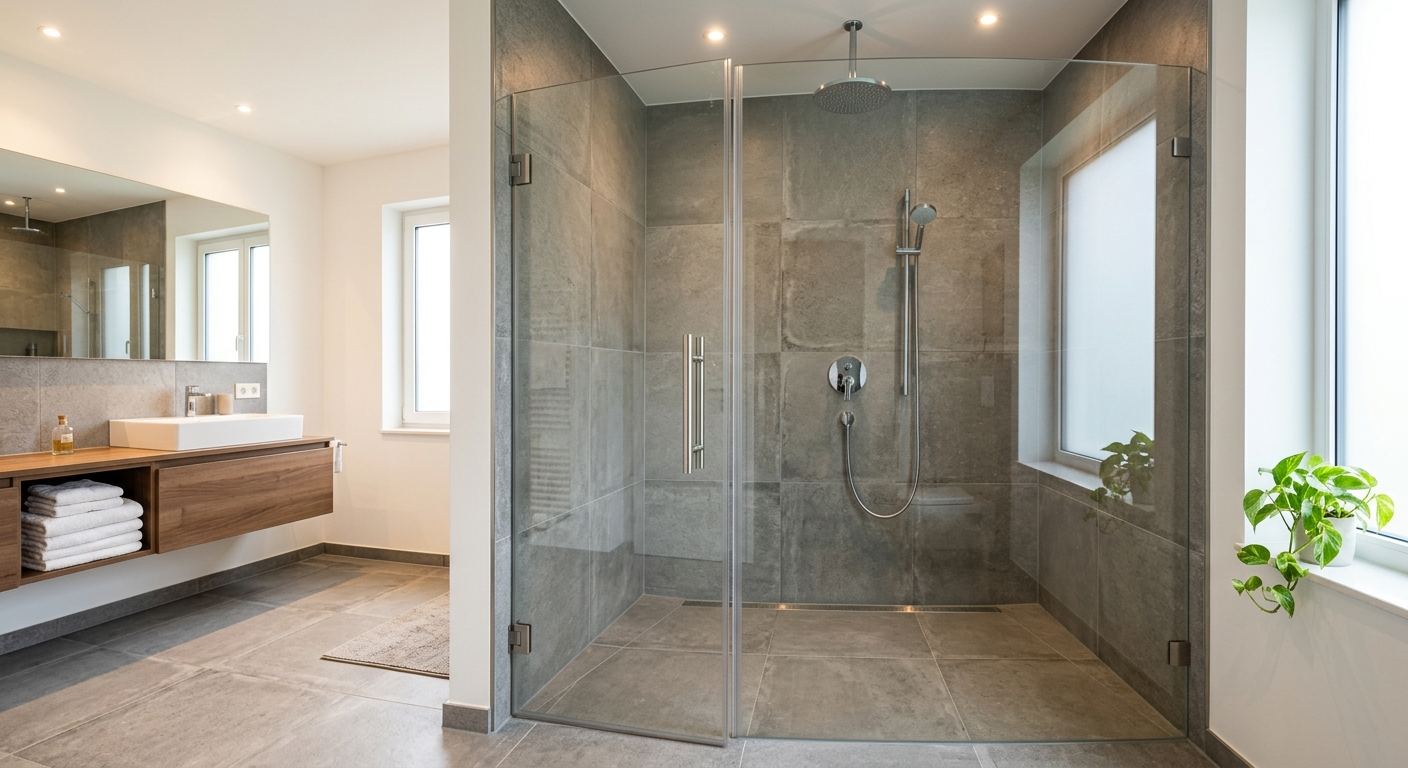
Bathroom renovation options and costs in Bankview
In Bankview, bathroom renovation options start with what your home can reveal once the walls come open. Calgary’s housing stock is older in many inner neighbourhood pockets, and that matters: in Bankview the local population is 5,125 (Statistics Canada, 2021 Census), and the surrounding Calgary economic region is dominated by homes where dated plumbing layouts and original finishes can hide issues behind finishes. Many bathrooms were built with cast-iron drains or earlier copper/cast systems, and pre-1985 materials can raise the odds of asbestos-containing floor tile or related drywall compounds—so a “refresh” can quietly become a remodel.
Calgary-area renovation costs are shaped less by climate-driven demand (we don’t see year-round outdoor construction peaks) and more by labour rates and how often hidden-scope work shows up in older homes. Contractors in Bankview are especially busy around the Inner City (e.g., 10 Avenue SW / 14 Street SW corridor) because that’s where homeowners often target upgrades before selling or to keep up with growing family needs. If your existing tub is aging, ventilation is weak, or the subfloor is uneven, you’ll typically see your budget move toward the mid-range full renovation band rather than a cosmetic refresh.
Below is a clear way to budget based on scope—then you can decide whether you want a simple finish update or a full rework with new tile, updated electrical, and waterproofing.
| Renovation Scope |
What's Included |
Typical Duration |
Price Range |
| Cosmetic refresh (paint, fixtures, accessories only) |
New paint, toilet/vanity hardware swaps, mirror, lighting accessories (like-for-like), caulking, deep clean and minor touch-ups; no plumbing relocations |
2–5 business days |
$2,000–$6,500 |
| Mid-range full renovation (new tile, vanity, tub/shower, electrical) |
Demo and disposal, updated vanity and trim, new tub/shower surround or surround tile, ventilation fan upgrade, GFCI where required, new waterproofing system, drywall repairs, basic electrical for light/fan |
2–4 weeks |
$15,000–$24,000 |
| High-end full renovation (custom tile, steam shower, heated floors) |
Custom shower/tub layout, high-performance waterproofing, premium tile installs, heated floor wiring/cabling, frameless glass, upgraded lighting and fan setup, vanity customizations |
3–6 weeks |
$24,000–$35,000 |
| Shower-only installation (convert tub to walk-in shower) |
Convert existing tub area to walk-in shower, new shower pan or waterproofed base, glass door/enclosure, plumbing reconnection at existing locations |
1.5–3 weeks |
$8,000–$16,000 |
| Bathtub replacement or tub-liner install |
Remove and replace tub (or install liner where suitable), re-caulk and refinish surround area, basic waterproofing at transitions, matching fixtures |
5–10 business days |
$500–$3,500 |
| Tile-only installation (floor + surround, existing layout kept) |
Careful demo of old finishes (as needed), tile install for floor and walls, grout/seal details, waterproofing upgrades limited to tile areas; keep existing rough-in locations |
1–2.5 weeks |
$3,000–$12,000 |
Prices are estimates only and vary by project scope, site access and material selection.
What affects the price of bathroom renovation in Bankview
In Bankview and across the Calgary economic region, the same bathroom job can price 30–50% differently between quotes because contractors are pricing two things at once: the visible scope and the hidden-scope risk. Labour rates are the big driver, but the bigger wildcard is the condition of older bathrooms. Many Calgary-area homes include older drain stacks, sometimes cast-iron sections, and supply lines that may be galvanized or dated copper—meaning rough-in upgrades, ventilation corrections, and subfloor repairs can appear only after demolition.
Climate also plays an indirect role. Even though Alberta doesn’t create constant high outdoor demand like coastal regions, bathrooms still face Alberta’s indoor moisture stress: strong temperature cycling plus high humidity during showers means waterproofing and ventilation need to be done right the first time. That’s why a “normal” tiling project can shift toward a waterproofing-heavy scope, pushing you from tile installation pricing into mid-range full renovation territory when repairs are discovered.
Older-home surprises commonly change the number: discovery of asbestos in vinyl floor tile or older drywall compounds (often pre-1985) triggers abatement protocols, disposal handling, and additional scheduling. Budgeting an extra $1,500–$5,000+ for asbestos-related scope is a prudent assumption when your pre-demolition inspection can’t confirm material types. For example, a simple shower conversion might start near the low five-figure range, but if the drain is corroded or the subfloor is soft, the project can climb into the $15,000–$30,000 full-renovation band.
In Bankview specifically, two practical examples affect your final cost: (1) tight access in inner-city homes can increase labour time for disposal and tile work; (2) bathrooms with older ventilation duct runs may require route changes to install effective exhaust performance. If you plan for these realities early, you’ll get quotes that compare like-for-like.
| Price Factor |
Why It Matters |
Cost Impact |
| Layout change — moving drain or supply lines requires rough-in work |
New drain slopes, pipe access, framing changes and re-venting can add demolition and inspection time |
$1,500–$8,000 |
| Tile selection — large-format porcelain vs. mosaic vs. ceramic |
Tile hardness/format affects cutting time, setting materials and breakage rates |
$300–$4,500 |
| Fixture tier — builder-grade vs. mid-range vs. designer brands |
Upgraded finishes can cost more and sometimes require different rough-in components |
$500–$6,000 |
| Subfloor condition — rot or unlevel concrete adds scope |
May require repairs, extra backer/waterproofing prep and labour to achieve flatness |
$800–$5,000 |
| Electrical — adding GFCI outlets, exhaust fan, heated floor circuit |
Upgrades require licensed electrician work, panel coordination and wiring |
$800–$4,500 |
| Waterproofing method — membrane type and extent |
Better systems require correct sequencing at corners, niches and transitions |
$600–$3,500 |
| Older-home surprises — asbestos tile, cast-iron drains, galvanized pipes |
Abatement, disposal and plumbing replacement expand scope after demo |
$1,500–$8,500+ |
| Bathroom size — sq ft drives tile and labour time directly |
More area increases material quantities and labour hours, especially with tile and prep |
$500–$6,000 |
Permits & regulations in Alberta
In Alberta, many bathroom cosmetic updates rarely need a permit. For example, swapping fixtures without changing plumbing locations—like replacing a vanity, toilet, mirror, light fixture (as a like-for-like swap), taps, or re-caulking—typically falls under “repair/finish” work. Re-tiling surfaces can also be straightforward if you’re not altering the plumbing, not changing structural elements, and you’re following proper waterproofing details.
Permits (and inspections) are usually required when you change the system, not just the appearance. In practical terms, you should expect a permit when work includes: relocating or adding plumbing rough-ins (moving a drain or supply line), changing venting connections, adding or modifying electrical circuits (like running wiring for an exhaust fan with a new circuit or installing a heated floor), and any structural wall changes that affect framing or load paths.
Electrical work must meet Alberta code and be done or signed off by a licensed electrician. Plumbing work that changes rough-in typically requires permit/inspection pathways as well, especially where it affects the drainage/venting system. Before signing, Bankview homeowners should verify the contractor’s Alberta trade licence and liability coverage.
How to check, step-by-step: (1) request licence details from the contractor and confirm them using the provincial licensing registry information provided by the trade; (2) ask for a current certificate of insurance showing liability coverage and request the document expiry date; (3) confirm whether they carry WSIB/WCB coverage for workers—ask for a clearance letter or documentation from their WCB account; (4) keep copies of licence and insurance for your records before work starts.
Choosing tile, waterproofing and fixtures for your Bankview bathroom
In Bankview, your bathroom budget usually hinges on three material decisions: tile choice, waterproofing method, and fixture tier. First, tile: entry-level ceramic can be the cheapest to buy, but it’s also easier to chip and may require extra labour to hit consistent flatness—especially on older subfloors. Porcelain typically costs more but handles moisture better and tolerates traffic for longer, making it a strong mid-range pick in the Calgary market. Natural stone (marble, travertine, slate) looks premium, but the installation is slower and the material needs more careful sealing and ongoing maintenance.
Second, waterproofing: in Alberta’s bathroom environment, the best mould prevention is correct waterproofing plus strong exhaust. Paint-on membranes can work in limited, well-prepped situations, but bonded sheet membranes or a modern engineered system (including seam and corner treatment) offer more reliable protection when installed by trades that follow the full spec. If you’re doing niches, linear drains, or multiple transitions, choose a system designed for that complexity.
Third, fixtures: builder-grade can keep costs down, but upgraded valves, shower hardware, and toilets that perform well under typical Calgary water conditions can improve daily use and resale. In a typical mid-range full renovation, upgrading tile from ceramic to porcelain might add a few thousand dollars; that’s often justified because the tile stays visually consistent and performs better over time. On the other hand, jumping to stone when your goal is only to refresh a tired tub surround is rarely the best ROI.
A useful example: if your mid-range reno is in the $15,000–$24,000 band, spending extra on waterproofing and ventilation is usually better value than spending equally on high-end fixtures alone—because it protects the structure and prevents costly rework.
| Material / Option |
Pros |
Cons |
Price Range |
| Ceramic tile (floor + walls) |
Lower upfront cost, wide style selection, easy to match finishes |
More variation in size/quality, can be more fragile, may require extra labour for consistent install |
$3,000–$7,000 |
| Porcelain tile (floor + walls) |
Moisture resistant, better durability, cleaner look over time |
Higher material cost, large-format pieces can increase cutting time |
$6,000–$12,000 |
| Natural stone (marble, travertine, slate) |
Luxury appearance and depth, premium-feel finish |
Higher material and install labour, sealing/maintenance required |
$10,000–$20,000 |
| Frameless glass shower enclosure |
Modern look, visually expands small bathrooms, easy to clean |
Higher hardware cost, requires precise framing/plumb |
$2,000–$6,000 |
| Prefab tub surround (acrylic) |
Fast install, consistent finish, good water resistance when sealed correctly |
Fewer design options, can look less custom than tile |
$500–$2,500 |
| Custom shower pan (tile or linear drain) |
Design flexibility, premium feel, improved drainage with linear style |
More detailed waterproofing and slope work; slower install |
$3,000–$10,000 |
How to choose a bathroom renovation contractor in Bankview
Choosing a contractor in Bankview is mostly about proof: trade licensing, insurance, a clear scope, and a realistic schedule. Start with Alberta licensing and liability insurance. Ask for the licence number(s) relevant to the trades doing work (especially electrical/plumbing) and request a current certificate of insurance showing they carry sufficient liability coverage for renovation work. For worker protection, confirm WSIB/WCB coverage; you can ask for a clearance letter or WCB documentation from their account before they start.
Next, compare quotes correctly. Get 2–3 itemised written quotes that break labour and materials out separately (tile line items, plumbing rough-in line items, waterproofing method, disposal, and any specialty items). Avoid “all-in” numbers without exclusions because bathrooms often expand after demolition. Then read the scope for what’s excluded: permit pull included or not, disposal included, asbestos discovery/abatement allowances, damage to adjacent finishes, and whether subfloor repairs are included only up to a set amount.
Warranty matters too. Look for a workmanship warranty period (commonly covering waterproofing and tile installation workmanship) and confirm product/manufacturer warranties separately. Ask whether warranties are transferable to future owners—this can influence resale value. Finally, payment schedules should be sensible: never pay more than 10–15% upfront. Use a holdback tied to completion of key milestones (especially waterproofing inspection and final walkthrough). Make sure the start date and completion estimate are written into the agreement.
- Ask for Alberta licence numbers and verify the trade category matches the work.
- Request a certificate of insurance (liability) and check it’s current.
- Confirm WSIB/WCB coverage via clearance letter/documentation.
- Insist on itemised labour vs. materials pricing, not a single lump sum.
- Confirm what’s included for permits and inspections (who pulls the permit).
- Check disposal and dump fees are included or separately quoted.
- Ask the waterproofing method and system name (membrane type, thickness, seam/corner details).
- Verify how they handle subfloor repairs and uneven substrates.
- Clarify tile layout rules, grout width, and how out-of-square walls are addressed.
- Confirm heated floor scope (what’s included: wire, thermostat, circuit requirements).
- Get a written timeline with milestone dates and change-order process.
- Use a payment schedule with a defined holdback until completion.
Red flags we commonly see with bathroom contractors in the Bankview area: vague scopes that don’t list waterproofing details, quotes that exclude disposal/permits without saying so, reluctance to provide insurance/licence proof, demands for large upfront deposits, and no clear warranty terms (especially around waterproofing).
Frequently asked questions — bathroom renovation in Bankview
How much does a walk-in shower cost in Bankview?
In Bankview, a walk-in shower cost typically depends on whether you keep the same plumbing locations and whether you’re doing a simple surround or a full waterproofed pan. For most conversions (tub to walk-in) where rough-in stays close to existing points, budgets commonly land around the shower installation band of $8,000–$15,000—and can go higher if you find subfloor damage, need more electrical work, or upgrade to a premium custom pan/linear drain. In older Calgary-area homes, it’s also common to discover drain condition or ventilation issues only after demo, which is why many homeowners add contingency. If you want a more accurate number, ask your contractor how they handle discovery and whether waterproofing is included in the line-item scope. (Statistics Canada, 2021 Census)
What's the ROI on a bathroom renovation?
Bathroom ROI in Alberta is often strongest when the renovation improves function and durability—not just appearance. If you address waterproofing, ventilation, and update fixtures to modern, accessible layouts where appropriate, buyers tend to value it because it reduces uncertainty. In terms of budgeting, moving from a cosmetic refresh to a mid-range full renovation is usually where ROI improves most, because you’re replacing the systems that fail first in older homes (tile crack/leaks, weak exhaust, dated valves). Projects can range widely, but a common mid-range full-reno band is $15,000–$24,000 in the Calgary region. If you spend heavily on high-end finishes (like natural stone) without addressing underlying moisture and plumbing issues, the ROI may not keep pace with the added cost.
Do I need waterproofing behind the tile?
Yes—when you’re installing tile in a shower area in Alberta, you need waterproofing behind the tile and in the correct system locations (not just “paint-on here and there”). Tile alone isn’t a waterproof system; grout is not waterproof. For Bankview homeowners, the key is choosing a waterproofing method that matches the substrate and the complexity of your shower, then making sure corners, transitions, seams, and penetrations are treated properly. A reputable contractor should be able to name the membrane type and sequence. When waterproofing is done correctly, it helps prevent the mould and hidden moisture damage that can show up later—especially important in Calgary-area homes with older ventilation ducting and older wall assemblies.
How do I compare bathroom renovation quotes?
Compare quotes like-for-like. Start by ensuring each quote includes the same scope items: demo and disposal, the same waterproofing approach, tile area coverage, ventilation/fan work, and whether permits are included. Ask for an itemised breakdown (labour vs. materials), not just totals. Check exclusions: are subfloor repairs included if tiles reveal unevenness, or is it an extra? Clarify who handles permit pulls and inspections. Also verify whether the quote assumes “plumbing stays where it is,” or if it allows for relocating drains/supplies. In Bankview and the Calgary economic region, quotes can differ because older homes often require hidden-scope work, so you’ll want the same contingency assumptions across bids. That’s the easiest way to avoid surprises mid-project.
Can I live at home during a bathroom renovation in Bankview?
Often, yes—depending on whether you can keep access to another bathroom and how disruptive the demolition sequence is. For cosmetic refreshes, you usually can stay in the home with minimal impact. For full renovations and shower conversions, expect temporary loss of shower/toilet access in that bathroom, and dust control becomes important. In practice in Bankview, many homeowners remain home while work proceeds if the contractor sets up a containment strategy and there’s a functional secondary bathroom. If you’re doing electrical, waterproofing, and tile installation, scheduling “wet” steps carefully can reduce disruption. If no secondary bathroom exists, you may need partial relocation. Ask contractors for a day-by-day plan and dust/mess control details before committing.
What's the best bathtub material for a Bankview home?
The “best” bathtub material depends on your goals and the condition of your existing surround and subfloor. Common options are acrylic tubs, which are lightweight and install quickly (good for older homes where access is tight), and refinished liners where the existing tub condition supports that approach. If you’re doing a full renovation, a new acrylic or composite tub is often chosen for value and easier installation, while cast-iron tubs—though extremely durable—can be heavier and may require more labour to manage. In terms of typical cost planning, bathtub replacement or liner installs often fall into a band of $500–$3,000, but that number can rise if you’re also reworking tile and waterproofing around the tub. The best choice is usually the one paired with a correctly waterproofed transition and appropriate ventilation for Calgary’s humidity cycles.