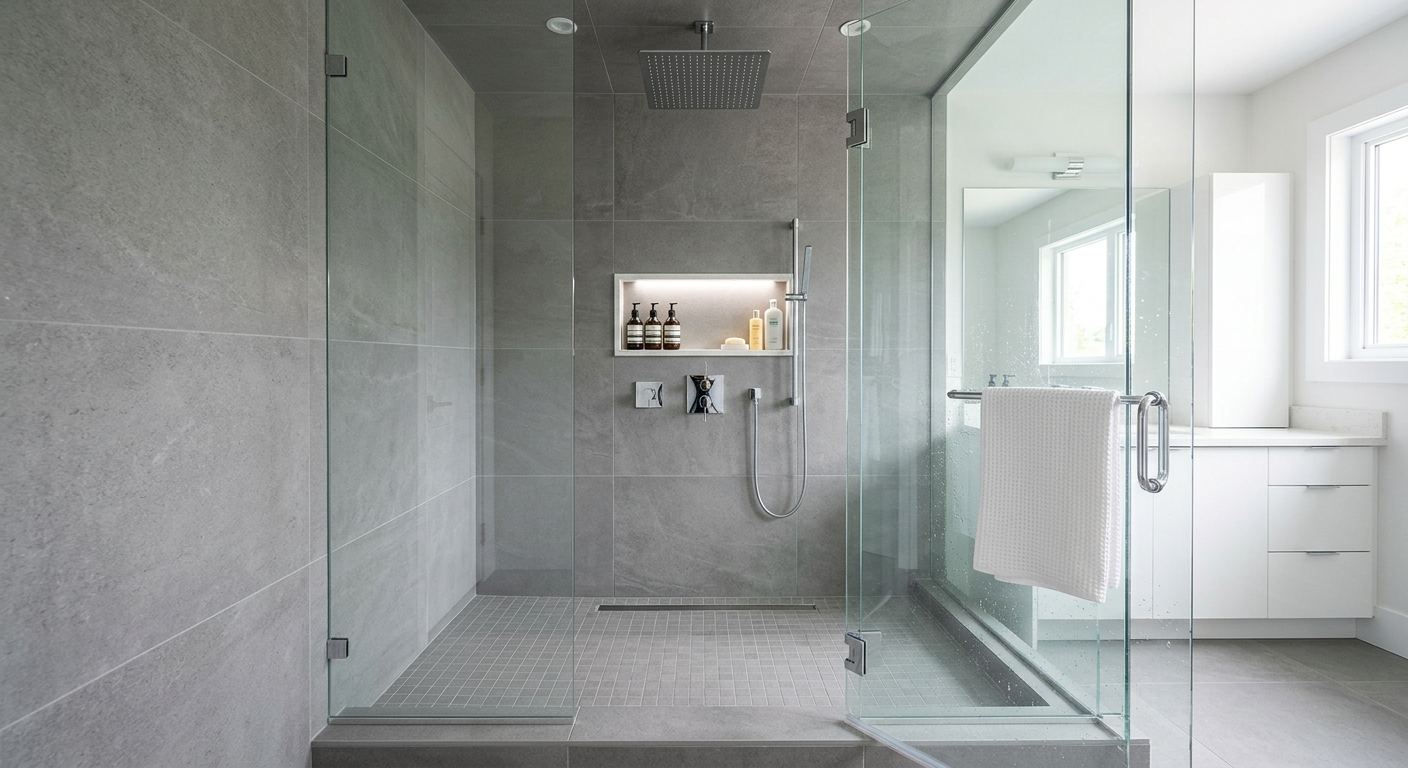
Bathroom renovation options and costs in Rimbey
Renovating in Rimbey can be a straightforward refresh or a full rebuild, depending on what you uncover once the walls and floors come open. In Rimbey, about 49.3% of homes were built before 1981 (Statistics Canada, 2021 Census), and that older stock often means dated plumbing layouts, mixed drain materials, and higher odds of asbestos-containing materials in older finishes. Those realities can push labour and disposal beyond what people expect when they start with a “simple” plan. Your project costs also reflect Red Deer County’s busy trades environment—contractors are in demand across Red Deer, Sylvan Lake, Lacombe, and Blackfalds—so scheduling and change orders can become more expensive when timelines tighten.
Climate is only part of the equation. In the Red Deer region, the bigger pricing drivers are labour availability and hidden site conditions rather than extreme outdoor weather exposure. That said, the way Alberta homes breathe and dry matters: bathrooms need proper ventilation and waterproofing so moisture can’t linger behind tile or into subfloors. In Rimbey, trade work often concentrates around established residential areas such as downtown and the newer south-end residential pockets, where repeat work from neighbours brings steady demand for tilers, plumbers, and electricians.
To budget confidently, compare the typical scopes below—then decide what you’re willing to change now versus later. Use this table as your starting range for a project that may ultimately fall into the full $25,000–$50,000 band or exceed it when plumbing and framing upgrades are required.
| Renovation Scope |
What's Included |
Typical Duration |
Price Range |
| Cosmetic refresh (paint, fixtures, accessories only) |
New paint/trim, vanity refresh or like-for-like swap, taps, toilet (same footprint), mirrors, towel bars, re-caulking, minor accessory replacements |
3–7 days |
$3,000–$12,000 |
| Mid-range full renovation (new tile, vanity, tub/shower, electrical) |
Demo and disposal, floor + wall tile, new vanity and countertop, tub or shower replacement, updated exhaust fan, electrical for lighting/GFCI where needed, improved waterproofing |
2–4 weeks |
$25,000–$40,000 |
| High-end full renovation (custom tile, steam shower, heated floors) |
Premium tile and layouts, heated floor system, custom waterproofing and niche work, custom shower/steam components, upgraded electrical circuits, higher-end fixtures and finishes |
4–7 weeks |
$40,000–$60,000 |
| Shower-only installation (convert tub to walk-in shower) |
Remove tub, rough-in adjustments for drain/supply, new walk-in shower pan or tile base, wall surround tile, new glass or curtain frame, updated fan/venting |
2–4 weeks |
$12,000–$25,000 |
| Bathtub replacement or tub-liner install |
Remove and replace tub (or install liner where suitable), new valves/trim (as required), re-caulk and seal, basic waterproofing touches |
3–10 days |
$1,500–$6,000 |
| Tile-only installation (floor + surround, existing layout kept) |
Tile removal (partial or full as needed), floor and wall tile installation, waterproofing prep, new grout/caulking, matching trims and edges, existing fixtures retained |
1–3 weeks |
$5,000–$15,000 |
Prices are estimates only and vary by project scope, site access and material selection.
What affects the price of bathroom renovation in Rimbey
In Rimbey and across the Red Deer economic region, two homeowners can receive quotes for the “same” bathroom that differ by 30–50% once you look past finishes. The gap is usually explained by regional labour conditions and older-housing complications—more than by weather. Alberta’s skilled trades market can price higher when multiple trades are booked at the same time (plumbing, electrical, tiling), and older homes commonly add hidden scope when walls are opened.
Because nearly half of local homes were built before 1981 (Statistics Canada, 2021 Census), you also have a greater chance of finding older drain stacks, supply line types, and ventilation gaps that don’t meet modern expectations. If a contractor discovers cast-iron or otherwise aging drain components, or galvanized supply lines, they may need upgrades to pass inspection and to prevent slow drains later. In ventilation-heavy rooms, insufficient exhaust can also mean more labour for ducting and fan upgrades. On top of that, asbestos discoveries can change the budget quickly: if asbestos-containing materials are present in older vinyl floor tile or related drywall finishes (common in pre-1985 construction), abatement and inspections can add roughly $1,500–$5,000+ before tile even goes down.
Here are a few concrete ways local conditions shift cost in Rimbey: (1) a “like-for-like” toilet swap often stays cheap, but moving the toilet flange or drain location triggers rough-in work that moves your project toward the broader full renovation band (often $25,000–$50,000 in total). (2) Choosing mid-range porcelain with full membrane waterproofing can raise material costs, but it typically prevents moisture-related subfloor repairs that show up months later. (3) If your bathroom footprint is tight, tiling labour increases because of more cutting and longer install time, even if the square footage isn’t huge.
| Price Factor |
Why It Matters |
Cost Impact |
| Layout change — moving drain or supply lines requires rough-in work |
Plumbing rough-in, patching, and inspection effort increases when the toilet/vanity/shower position changes |
Often +$5,000–$15,000 |
| Tile selection — large-format porcelain vs. mosaic vs. ceramic |
Harder materials and more complex patterns increase setting time, cutting, and waste |
Often +$1,000–$6,000 |
| Fixture tier — builder-grade vs. mid-range vs. designer brands |
Brand tier affects material cost and sometimes valve compatibility and trim complexity |
Often +$1,500–$8,000 |
| Subfloor condition — rot or unlevel concrete adds scope |
Hidden water damage means removal, re-framing, backer changes, or floor flattening |
Often +$2,000–$10,000 |
| Electrical — adding GFCI outlets, exhaust fan, heated floor circuit |
Additional circuits, box changes, and fan/lighting upgrades require licensed work and inspection |
Often +$800–$7,000 |
| Waterproofing method — membrane type and extent |
Better systems reduce failure risk, but increase labour for proper detailing and cure time |
Often +$500–$4,000 |
| Older-home surprises — asbestos tile, cast-iron drains, galvanized pipes |
Remediation, disposal, inspections, and plumbing replacement expand scope |
Often +$1,500–$15,000+ |
| Bathroom size — sq ft drives tile and labour time directly |
More wall/floor area means more setting time, membranes, trims, and waterproofing labour |
Often +$2,000–$12,000 |
Permits & regulations in Alberta
In Alberta, many bathroom updates are treated as cosmetic work and usually don’t require a permit—swapping a vanity, changing taps/trim on the existing valves, repainting, replacing a like-for-like toilet, and installing accessories are typical examples. Where permits become common is when you change the plumbing or electrical systems. If you move plumbing (for example, relocating a shower drain, changing where the toilet sits, or re-routing supply lines), you’re typically in permit-and-inspection territory because rough-in work must be verified. Similarly, adding or upgrading ventilation often triggers permit requirements when new wiring or circuit changes are involved—especially if you install a new exhaust fan with new conductors or switch wiring.
Electrical work must meet Alberta code and be completed or signed off by a licensed electrician. Any plumbing rough-in changes generally require a permit and inspection before walls are closed.
For Rimbey homeowners, the verification process should be methodical. First, ask for the contractor’s Alberta trade licence details and confirm them through the appropriate provincial online registry. Second, request a current certificate of insurance: you want liability coverage that matches the project value and scope. Third, confirm worker coverage (WSIB/WCB) for the trades—ask for the clearance letter or proof of coverage before work starts. Keep copies in your file and don’t rely on verbal assurances.
Choosing tile, waterproofing and fixtures for your Rimbey bathroom
In Rimbey, your bathroom budget usually gets decided by three material choices: tile type, waterproofing system, and fixture tier. Start with tile. Ceramic tile is the entry option and can be cost-effective, but it often becomes more expensive once you factor in installation difficulty and cutting around older layouts. Porcelain tile is denser, handles moisture better, and typically performs well in wet areas with a cleaner, more consistent finish—most homeowners in the Red Deer region choose it for the balance of price and durability. For luxury impact, natural stone (marble, travertine, slate) looks exceptional but costs more in materials and labour because it requires careful handling, sealing, and precise installation.
Next is waterproofing—this is where Alberta bathrooms win or fail. A paint-on membrane can be sufficient for certain systems, but many renos benefit from a bonded-sheet approach or a modern detail-forward system (including proper seams, corners, and penetrations). The goal is to stop moisture from migrating into the subfloor, especially in homes built before 1981 where materials may already be borderline in flatness or tolerance.
Finally, fixtures. Builder-grade tubs, shower valves, and vanities save money upfront, while mid-range or designer brands can improve pressure balance, ease of cleaning, and resale appeal. A practical example: moving from entry-level tile to porcelain is often justified—spending an extra few thousand can be cheaper than later floor repairs if waterproofing and tile performance protect the substrate. If your full remodel is targeting the $25,000–$40,000 range, prioritize waterproofing and proper tile setting; if you’re aiming closer to $40,000–$60,000, then custom glass, heated floors, and higher-end stone start making sense together.
| Material / Option |
Pros |
Cons |
Price Range |
| Ceramic tile (floor + walls) |
Entry-level cost, wide style selection, good for budget-friendly renovations |
More prone to chipping with poor substrate prep; less forgiving than porcelain for wet-area longevity |
$5,000–$10,500 |
| Porcelain tile (floor + walls) |
Durable for moisture zones, consistent colour and surface; performs well with proper waterproofing |
Higher material cost; larger-format installs require good substrate and skilled layout |
$8,000–$15,000 |
| Natural stone (marble, travertine, slate) |
High-end look, unique variation, strong curb appeal |
Sealing/maintenance, higher labour for cuts and finishing, can be pricier per sq ft |
$15,000–$30,000 |
| Frameless glass shower enclosure |
Clean modern look; improves perceived space; durable when installed correctly |
Costs more than curtains; requires accurate framing and waterproof detailing |
$2,500–$6,500 |
| Prefab tub surround (acrylic) |
Fast install, consistent waterproofing surfaces, budget-friendly for tub upgrades |
Less custom design flexibility; transitions and trim detailing matter for long-term performance |
$1,500–$4,000 |
| Custom shower pan (tile or linear drain) |
Premium drainage look; custom slopes; works beautifully with modern tile work |
Higher labour and waterproofing detailing; more schedule time for cure and inspections |
$6,000–$18,000 |
How to choose a bathroom renovation contractor in Rimbey
Choosing a contractor in Rimbey is about more than looking at photos. Start by verifying Alberta licensing for each trade involved—especially plumbing and electrical. Ask for the contractor’s liability insurance certificate and confirm they carry worker coverage (WSIB/WCB). How to check: request documentation before work begins, verify the trade licence details through the provincial online registry, and keep a copy of the insurance certificate and the most recent clearance/coverage letter on file. If a quote won’t include these items up front, that’s a red flag.
Next, get 2–3 itemised written quotes. You want a breakdown showing labour and materials line-by-line (tile, membrane, fixtures, plumbing rough-in, electrical components, disposal, and any permit-related costs). Avoid “lump sum only” quotes that don’t specify scope boundaries. Read the scope carefully: what’s excluded (demo haul-away, drywall patching, subfloor replacement, permit pulling, inspections), and what’s included as allowances?
Warranty matters too. Ask for workmanship warranty length, product/manufacturer warranty specifics, and whether warranties transfer if you sell the home. For payment schedule, never pay more than 10–15% upfront. Hold back a portion until the job is complete and cleaned, and confirm you’ll receive final documentation. Finally, insist on a start date and completion estimate in writing, with a plan for change orders.
- Verify Alberta trade licences for plumbing and electrical work before signing.
- Request liability insurance and confirm coverage dates are current.
- Confirm WSIB/WCB clearance/coverage for workers on the site.
- Get 2–3 itemised quotes (labour + materials breakdown, not a vague total).
- Ensure permit pulling and inspections are clearly listed in the scope (if needed).
- Check what disposal/hauling is included—ask if it’s per load.
- Confirm waterproofing method and who is responsible for membrane detailing.
- Ask for the workmanship warranty term and exclusions in plain language.
- Confirm the product/manufacturer warranty and whether it transfers to the homeowner.
- Review the payment schedule: maximum 10–15% deposit; holdback until completion.
- Ask for a written schedule with milestones (demo, rough-in, waterproofing, tile, trim).
- Request change-order process: how pricing is approved if hidden conditions appear.
In my experience around Rimbey, red flags include: (1) no clear line-item scope for plumbing/electrical and waterproofing; (2) “permit not needed” claims despite moving drains, adding fans, or changing circuits; (3) refusal to provide insurance/licence documentation; (4) insisting on large upfront payments beyond 10–15%; and (5) warranties that are only verbal or don’t cover workmanship.
Frequently asked questions — bathroom renovation in Rimbey
What's the best bathtub material for a Rimbey home?
In Rimbey (and across the Red Deer region), the “best” bathtub material depends on how you use the tub, how the surround is built, and what your existing plumbing rough-in looks like. For many homes, acrylic tubs are a strong value because they install cleanly and keep the overall renovation closer to the lower end of the typical bathtub band—often around $1,500–$6,000 for a straightforward replacement or tub-liner approach. Fibreglass can be fine too, but the bigger factor is what’s underneath: subfloor stability and proper sealing at joints.
If you’re in a pre-1981 home (Statistics Canada, 2021 Census), I recommend prioritizing a good waterproofing plan at the tub deck and where the surround meets walls. That’s what helps prevent moisture from creeping behind tile or into adjacent framing.
Is it worth renovating a bathroom before selling in Rimbey?
Often yes, but only if you focus on the problems buyers feel immediately: worn tile, dated fixtures, weak ventilation, and signs of water damage. In a market shaped by an older housing stock—about 49.3% of homes built before 1981 (Statistics Canada, 2021 Census)—buyers tend to scrutinize plumbing age and waterproofing quality. A cosmetic refresh can help, but if your toilet, fan, or shower area is visibly failing, cosmetic work may not deliver the confidence buyers want.
For budgeting, many homeowners aim for a project that fits the mid-range reality of $25,000–$50,000 for a full renovation. If you can keep your work mostly cosmetic and avoid moving plumbing, you may stay lower; but if you discover issues after demo, the cost often expands quickly. A well-done, permitted renovation with strong waterproofing generally pays back better than superficial changes.
How do I plan a bathroom renovation on a tight budget in Rimbey?
With a tight budget in Rimbey, plan for the “two-phase mindset.” Phase one is preventing failure: waterproofing, ventilation, and any necessary plumbing upgrades. Phase two is appearance: tile style upgrades, fixtures, and finishing. That approach protects you from hidden-condition surprises in older homes (nearly half were built before 1981 per Statistics Canada, 2021 Census). In practice, I’ve seen budgets stretch when homeowners choose premium finishes before confirming the condition of drains, subfloor, and electrical.
Start by deciding what you can keep: the layout, valve locations, and the rough-in footprint. Keeping the existing layout helps avoid rough-in costs that can push you toward the full renovation band. If you can’t avoid opening walls, keep a contingency for code updates and concealed issues. For cost reference, some homeowners start by targeting tile-only work around $5,000–$15,000 and then add targeted plumbing/electrical as needed.
What's the difference between a cosmetic and a full bathroom renovation?
A cosmetic refresh is about surfaces and appearance—no major plumbing or electrical relocation. Typical cosmetic work includes repainting, swapping fixtures and accessories, replacing the vanity if you keep the plumbing footprint the same, and re-caulking. A full bathroom renovation involves demolition, reinstalling tile and finishes, and often improving waterproofing and ventilation. When you change layouts (moving drain/supply lines) or update electrical circuits (like adding or reconfiguring exhaust fan wiring), you’re usually into full renovation scope.
Price-wise, cosmetic projects commonly sit well below the full renovation band; a mid-range full renovation in the region commonly lands around $25,000–$40,000, while higher-end work can exceed $40,000–$50,000+ when heated floors, custom enclosures, and multiple trades are involved. In Alberta, permits are also more likely for plumbing rough-in changes and new circuit work.
How do I choose the right contractor for my bathroom in Rimbey?
Choose a contractor by verifying credentials and comparing scopes, not just the lowest number. In Alberta, make sure the work that requires a licensed trade is actually handled by that licensed trade. Ask for proof of liability insurance and confirm WSIB/WCB coverage (clearance letter or documentation). Then verify licences through the appropriate provincial online registry before signing. A contractor should also carry the project with a clear plan for permits if your job involves plumbing rough-in changes or new electrical circuits.
Get 2–3 itemised written quotes with labour and materials breakdown. The quote should state what’s included for demolition, disposal, waterproofing method, electrical components, and whether permit pulling and inspections are included. A reputable contractor will also discuss hidden-condition risk—especially in older Rimbey homes built pre-1981 (Statistics Canada, 2021 Census)—and include a change-order process.
What's the most common mistake homeowners make in bathroom renovations?
The most common mistake is underestimating how quickly scope expands after demolition—especially in older homes in Rimbey. Many homeowners budget for finishes (tile, fixtures, paint) but don’t reserve enough for waterproofing corrections, ventilation upgrades, and plumbing rough-in adjustments that appear once walls are opened. In pre-1981 housing (Statistics Canada, 2021 Census), it’s not unusual to find aging drain components, inadequate exhaust ducting, or subfloor unevenness that turns a “tile job” into a larger renovation.
Another frequent error is treating waterproofing as an afterthought—choosing a cheaper membrane or skipping proper detailing at corners and penetrations. That’s how moisture gets behind tile and leads to mould and subfloor damage. Finally, homeowners sometimes delay checking for permits and electrical/code needs, then face schedule and cost impacts. A better approach is to plan around the realistic regional full renovation range—often $25,000–$50,000—and keep contingency for hidden conditions.