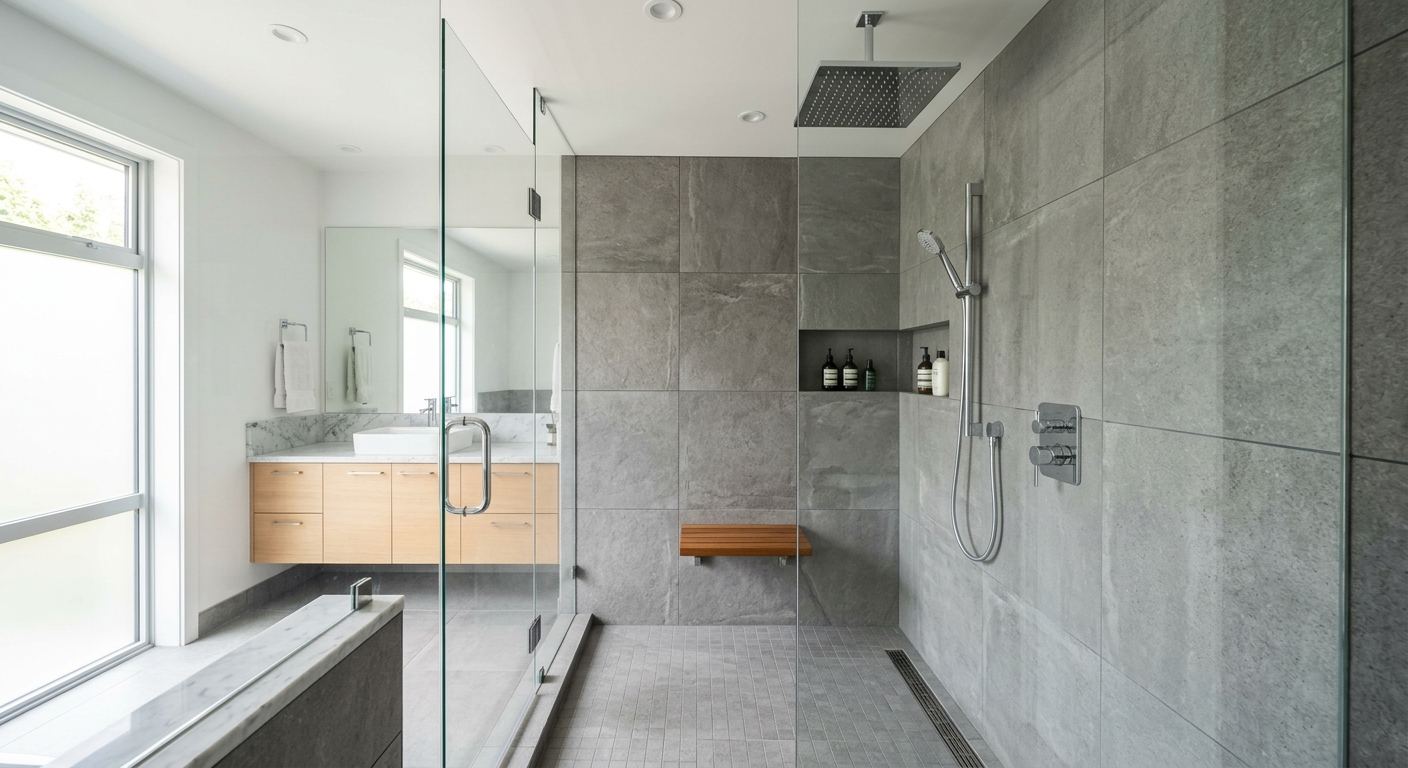
Bathroom renovation options and costs in Seton
Renovating a bathroom in Seton usually starts with a realistic decision about how far you want to go—and what hidden work might be waiting behind the existing tile. With Seton sitting within a Calgary economic footprint, local homeowners are often renovating older housing stock: in the Calgary region, many bathrooms were built with dated plumbing layouts and ventilation strategies that don’t meet today’s performance expectations. In addition, the area’s housing profile includes enough older dwellings that asbestos-containing materials can occasionally be encountered during demolition (especially in pre-1985 finish assemblies). For context, Seton’s population is small—3,590 residents as of the 2021 Census (Statistics Canada, 2021 Census)—so trades are a bit more concentrated around the broader Calgary service catchment, including high-demand pockets where installers get booked quickly.
Climate isn’t the main cost driver in Calgary-area bathroom pricing, but it does affect durability. Temperature swings and seasonal indoor humidity put real stress on grout, caulking, and waterproofing assemblies. That’s why contractors in the region focus heavily on waterproofing details and ventilation, even when homeowners think they’re only doing a cosmetic refresh. Labour rates and jobsite complexity (access, demolition waste, and trade coordination) are what typically push prices up or down—so a “simple” update can turn into a full remodel once walls are opened and rough-in work is confirmed.
In Seton’s growing residential areas (many service calls originate from the larger South Calgary build-and-renew cycle), bathroom contractors are especially busy whenever homes are being refreshed for resale or moved-in readiness. Next, use the comparison table to line up your goals with a practical budget range.
| Renovation Scope |
What's Included |
Typical Duration |
Price Range |
| Cosmetic refresh (paint, fixtures, accessories only) |
Paint, replace vanity/sink or tapware, toilet accessories, towel bars, mirror, lighting swap (no layout/plumbing relocation) |
3–7 days |
$3,500–$7,500 |
| Mid-range full renovation (new tile, vanity, tub/shower, electrical) |
Demolition, subfloor checks, new waterproofing, tile floor + surround, new vanity, tub/shower or alcove surround, exhaust fan, GFCI upgrades, trim/finishing |
3–5 weeks |
$15,000–$22,500 |
| High-end full renovation (custom tile, steam shower, heated floors) |
Higher-spec tile, custom waterproofing build, heated floor, premium fixtures, frameless glass, upgraded ventilation, steam-ready or steam shower components |
4–7 weeks |
$22,500–$30,000 |
| Shower-only installation (convert tub to walk-in shower) |
Remove tub, new shower waterproofing system, tile/liner build, curb or linear drain option, new valve trim, glass enclosure allowance |
2–4 weeks |
$8,000–$15,000 |
| Bathtub replacement or tub-liner install |
Replace tub with new alcove unit and surround updates, or install a tub liner where conditions allow, recaulk/finish, basic plumbing tie-in |
2–5 days |
$500–$3,000 |
| Tile-only installation (floor + surround, existing layout kept) |
Tile demolition as needed, prep/substrate correction, waterproofing, install floor and wall tile, re-grout/finish to match |
1–3 weeks |
$3,000–$12,000 |
Prices are estimates only and vary by project scope, site access and material selection.
What affects the price of bathroom renovation in Seton
In Seton, you can see the same type of bathroom renovation quote swing by 30–50% across Calgary and the surrounding communities because bathroom work is rarely “pure finishing.” Even when homeowners request tile and fixtures only, the contractor has to account for the rough-in and substrate realities—especially in older homes common throughout the Calgary region. Labour rates in this market, the availability of skilled trades, and how quickly teams can coordinate demolition, plumbing, electrical, and tile setting drive a lot of the variance more than the weather itself.
Older bathrooms can hide cost multipliers: cast-iron or deteriorating drain stacks that require replacement, galvanized supply lines, or insufficient venting that forces upgrades to meet today’s performance expectations. When walls open, discovery of asbestos in vinyl floor tile or certain older drywall compounds (pre-1985) can trigger abatement steps and add roughly $1,500–$5,000+ depending on extent, containment, and disposal. That’s why a “refresh” can move into mid-range territory—often around the $15,000–$22,500 band once waterproofing and rough-in changes are confirmed.
Here are a few concrete examples I see in Seton project walk-throughs: (1) Moving a vanity from one wall stud bay to another can mean additional plumbing changes—small distance, big labour time. (2) Choosing large-format porcelain may raise your tile materials budget, but it can reduce grout lines and improve cleaning if the substrate is truly flat. (3) Adding a heated floor circuit typically increases electrical scope beyond the basic fan/light swap, pushing budgets toward mid-range or high-end ranges such as $22,500–$30,000 if paired with custom tile and glass.
| Price Factor |
Why It Matters |
Cost Impact |
| Layout change — moving drain or supply lines requires rough-in work |
Demolition plus plumbing reconfiguration; potential access through floors/walls |
Often adds $2,000–$8,000 depending on distance and line condition |
| Tile selection — large-format porcelain vs. mosaic vs. ceramic |
Material cost, cutting complexity, and substrate tolerance |
Typically swings $1,500–$6,000 within tile-only and full scopes |
| Fixture tier — builder-grade vs. mid-range vs. designer brands |
Valve trim complexity, finish options, and warranty/service differences |
Can vary by $500–$4,500 for fixtures alone |
| Subfloor condition — rot or unlevel concrete adds scope |
Prep time and repairs before waterproofing/tile can be installed |
Commonly adds $1,000–$7,000 if rebuild/level-lift is needed |
| Electrical — adding GFCI outlets, exhaust fan, heated floor circuit |
Requires licensed work; may require new circuits and box modifications |
Often adds $800–$4,500 |
| Waterproofing method — membrane type and extent |
System performance depends on correct membrane and coverage at transitions |
Can add $500–$2,500 but reduces failure risk |
| Older-home surprises — asbestos tile, cast-iron drains, galvanized pipes |
Abatement protocols, disposal, and replacement of failed components |
Often adds $1,500–$5,000+ (sometimes more) |
| Bathroom size — sq ft drives tile and labour time directly |
More surface area means more waterproofing, tile setting, and finishing |
Typically moves the project by $1,500–$6,000 as size increases |
Permits & regulations in Alberta
In Alberta, not all bathroom changes require permits, but the moment you touch “systems” (plumbing, wiring, or structure), the rules change. For example, cosmetic updates—swapping a vanity, replacing a toilet, changing paint, installing new accessories, or retiling without moving plumbing—typically don’t require a permit. Where permits are commonly required is when you relocate plumbing (moving a drain or supply line), add an exhaust fan with new electrical circuits, or make structural changes (for instance, opening walls for rough-in or modifying framing). Electrical work must meet the Canadian electrical standard and must be performed by a licensed electrician or signed off as required.
Typically, plumbing rough-in changes involve a permit and inspection to confirm proper installation and pressure testing. Before work starts in Seton, verify your contractor’s Alberta trade licence and liability coverage, then confirm what permits they will pull and who pays (some contractors bundle it; others list it as a pass-through cost).
Step-by-step for homeowners:
- Ask for the contractor’s Alberta trade licence details and confirm the scope matches the work (plumbing/electrical/general contracting).
- Request a certificate of liability insurance showing the contractor is covered for the project period; verify limits and effective dates.
- Confirm WCB coverage: ask for evidence that the company’s workers are registered (clearance documentation should be provided on request).
- Ask exactly which permit(s) are required for your scope—then confirm who submits the paperwork.
- Get proof that any sub-trades (electrician/plumber) are licensed for their portion, not just “recommended.”
Choosing tile, waterproofing and fixtures for your Seton bathroom
In Seton, three material decisions drive both your budget and your long-term performance: (1) tile choice, (2) waterproofing system, and (3) fixture tier. Start with tile because it determines labour complexity. Ceramic tile is usually the most budget-friendly entry point, but it can be less forgiving for durability and wear in high-moisture zones. Porcelain is often the best balance for Calgary-area bathrooms—denser, less porous, and easier to maintain—while natural stone (marble, travertine, slate) looks luxury but demands more careful installation and sealing routines.
Next is waterproofing. A bathroom in Alberta needs a system that properly covers corners, transitions, and changes in plane. Paint-on membranes can work in specific assemblies, but bonded sheet membranes and modern systems (including engineered approaches used by many installers in the region) typically provide a more robust barrier when installed correctly. The right approach helps prevent mould by controlling moisture behind tile and reducing the risk of water intrusion at grout lines, especially with frequent shower use.
Finally, fixture tier affects cost and feel. Builder-grade fixtures keep early costs down, but mid-range valves and trims often improve flow control and long-term reliability; designer brands can add cost quickly—yet can pay off at resale if your finishes match the rest of the home’s quality level.
Here’s a dollar example from real budgeting logic: moving from mid-range to higher-end heated floor finishes and higher-spec tile can add roughly $2,000–$7,000 to a bathroom, but it’s most justified when you’re already in the $15,000–$22,500 mid-range scope. If you’re only doing a cosmetic refresh, that same upgrade won’t pencil out well because you’re not opening walls and floors to integrate the system properly.
| Material / Option |
Pros |
Cons |
Price Range |
| Ceramic tile (floor + walls) |
Budget-friendly; wide design variety; good for walls |
Can be more porous; needs correct slip ratings for floors |
$3,000–$7,000 |
| Porcelain tile (floor + walls) |
Denser and durable; typically better for moisture and wear; cleaner with fewer issues |
More expensive materials; substrate must be flatter for large formats |
$6,000–$12,000 |
| Natural stone (marble, travertine, slate) |
High-end look; unique patterns; strong curb appeal |
Requires sealing/maintenance; can cost more to install and manage |
$10,000–$20,000 |
| Frameless glass shower enclosure |
Clean sightlines; modern feel; improves perceived value |
Requires precise measurements; higher cost than curtains or basic doors |
$2,000–$6,000 |
| Prefab tub surround (acrylic) |
Fast install; seamless feel; easier maintenance |
Less custom look; can limit design options |
$500–$2,000 |
| Custom shower pan (tile or linear drain) |
Modern drainage; better slope control; can align with your exact layout |
More labour and waterproofing time; depends on existing floor access |
$3,500–$10,000 |
How to choose a bathroom renovation contractor in Seton
Choosing the right contractor in Seton is mostly about verifying three things up front: Alberta licensing, liability insurance, and workers’ coverage. Start by asking for documentation that proves the contractor is properly registered for the trade work they’ll do. For liability, request a certificate of insurance with project dates and confirm you can be named as an additional insured if offered. For workers’ protection, ask for proof of WCB/WCB coverage and a clearance-style document when available—this protects you if something goes wrong on site.
Then build your decision around good paperwork, not just price. Get 2–3 itemised written quotes where labour and materials are broken out separately—so you can compare apples to apples across tile removal, waterproofing, plumbing tie-ins, electrical changes, and disposal. Read the scope carefully: does the quote include permit pull, dumpster/disposal, substrate repairs, and any rework if walls reveal dated plumbing or ventilation issues? Warranty matters too: confirm the workmanship warranty length (how many years), and ensure product/manufacturer warranties are provided in writing. Ask whether workmanship warranty is transferable if you sell the home.
Payment schedule should be conservative. In practice, don’t pay more than 10–15% upfront; any larger deposit should be questioned. Hold back remaining funds until the job is complete and you’ve confirmed key milestones like waterproofing inspection sign-off (where applicable), caulking cure, and final fixture testing. Finally, get a start date and completion estimate in writing, not just a “best guess.”
- Provide Alberta licence number and trade scope, not just a company registration.
- Submit a certificate of liability insurance with effective dates.
- Confirm WCB/WCB coverage and request evidence/clearance documentation.
- Require itemised quoting: labour, demolition, tile setting, waterproofing, electrical, plumbing, and materials.
- Ask what’s excluded: permits, disposal, substrate repairs, glass enclosure adjustments.
- Ensure waterproofing method and coverage are specified (not “install membrane”).
- Clarify who supplies fixtures and who owns/chooses them.
- Get the timeline as a schedule: demo, rough-in, waterproofing, tile, trim, inspection steps, finish.
- Verify warranty terms in writing: workmanship duration and exclusions.
- Keep the payment schedule to 10–15% upfront; holdback at completion.
- Ask who manages trades and how change orders are approved in writing.
- Confirm disposal/dumpster costs and whether they include haul-away for tile/drywall.
Red flags I’ve seen in Seton: quotes that aren’t itemised (lump sums with vague “labour included”), missing licence/insurance proof, no mention of permits when plumbing/electrical relocation is planned, unusually low pricing that doesn’t account for waterproofing and substrate prep, and refusal to put warranty and timelines in writing.
Frequently asked questions — bathroom renovation in Seton
How do I prevent mold in a Seton bathroom?
Mold prevention in a Seton bathroom comes down to controlling moisture pathways. First, insist on a correct waterproofing system behind the tile at the tub/shower area, including corners and transitions—water that gets past grout can sit in cavities and feed mould. Second, make sure your exhaust fan is properly sized and vented outside, and confirm it’s on a duct plan that doesn’t short-circuit into an attic space. Third, use bathroom-rated ventilation and keep caulking fresh in wet seams (around the tub/shower edge and around fixtures). If your home is older, also ask the contractor to check for hidden ventilation or substrate issues before tiling; in pre-1985 assemblies, older finish materials may require special handling if disturbed.
What adds the most resale value in a bathroom reno?
In the Calgary region around Seton, buyers typically respond to improvements that look current and function reliably: a clean, modern shower, updated lighting, and finishes that feel cohesive. The biggest value-return decisions are usually (1) waterproofing and durability—done right, it reduces maintenance worries, and (2) layout and usability—like converting a tub to a walk-in shower if it fits the home’s buyer profile. High-impact updates such as a quality vanity, sensible storage, and a well-installed exhaust fan often matter more than very expensive accessories. Budget-wise, homeowners planning a mid-range remodel around $15,000–$22,500 tend to get the best “feel” of quality because tile, ventilation, and fixture upgrades are integrated rather than patched.
Can I keep my existing plumbing layout to save money?
Yes—keeping the existing plumbing layout is one of the most effective ways to manage cost in Seton. If you’re not moving the drain or supply lines, the contractor can often focus on demolition, substrate prep, waterproofing, and finish installation without the added rough-in labour. In many Calgary-area older homes, moving plumbing can also uncover cast-iron drain sections or dated supply lines that require extra replacement work, which is where budgets jump. If you’re staying in the same zone (for example, same tub/shower location, same toilet wall), you can often stay closer to the mid-range band of $15,000–$22,500 instead of stepping into higher costs that come with rough-in changes.
How much does a walk-in shower cost in Seton?
For Seton, converting a tub to a walk-in shower commonly falls into the shower installation range of $8,000–$15,000, depending on whether you add a glass enclosure, choose a linear drain, and upgrade ventilation/electrical. Your final number depends on hidden conditions: subfloor flatness, drain condition, and how much wall opening is needed for rough-in adjustments. If you choose higher-end tile, custom shower pan detailing, and premium valve trim, the project can trend toward the upper end. If the rest of your bathroom is staying the same, you’ll usually avoid the full cost of a complete renovation—but you should still budget for proper waterproofing and substrate prep because that’s what protects against moisture issues.
What's the ROI on a bathroom renovation?
Bathroom ROI varies by home condition, neighborhood demand, and the quality of the finish. In Seton and the broader Calgary market, homeowners generally see better returns when the renovation improves both appearance and reliability—especially with moisture management (waterproofing and ventilation) and durable finishes. The ROI is often highest when you renovate what’s clearly dated or failing rather than overspending on features the buyer won’t value. A practical budgeting approach is to align your scope to your home’s baseline: if you only need updated tile and fixtures, a tile-focused project can be targeted around $3,000–$12,000 depending on coverage, whereas a full mid-range refresh around $15,000–$22,500 is where you’re likely to see the strongest “whole bathroom” impact. The key is choosing long-lasting materials and getting the waterproofing right so the reno doesn’t become a maintenance issue.
Do I need waterproofing behind the tile?
Yes—if you’re tiling a shower or tub surround, waterproofing behind the tile is effectively non-negotiable in a properly built system. In Alberta’s climate, bathrooms see recurring humidity and repeated wetting, so the assembly needs a continuous barrier at wet areas and around penetrations (valve stems, shower heads, niches). A quality contractor will specify the waterproofing method and ensure it ties in correctly at corners, seams, and changes in plane, then protect it through the install process. Even if your surfaces look fine now, water that gets through tile and grout can migrate behind finishes and contribute to mould and substrate deterioration. Skipping waterproofing is one of the fastest ways to turn a renovation into a costly repair later.