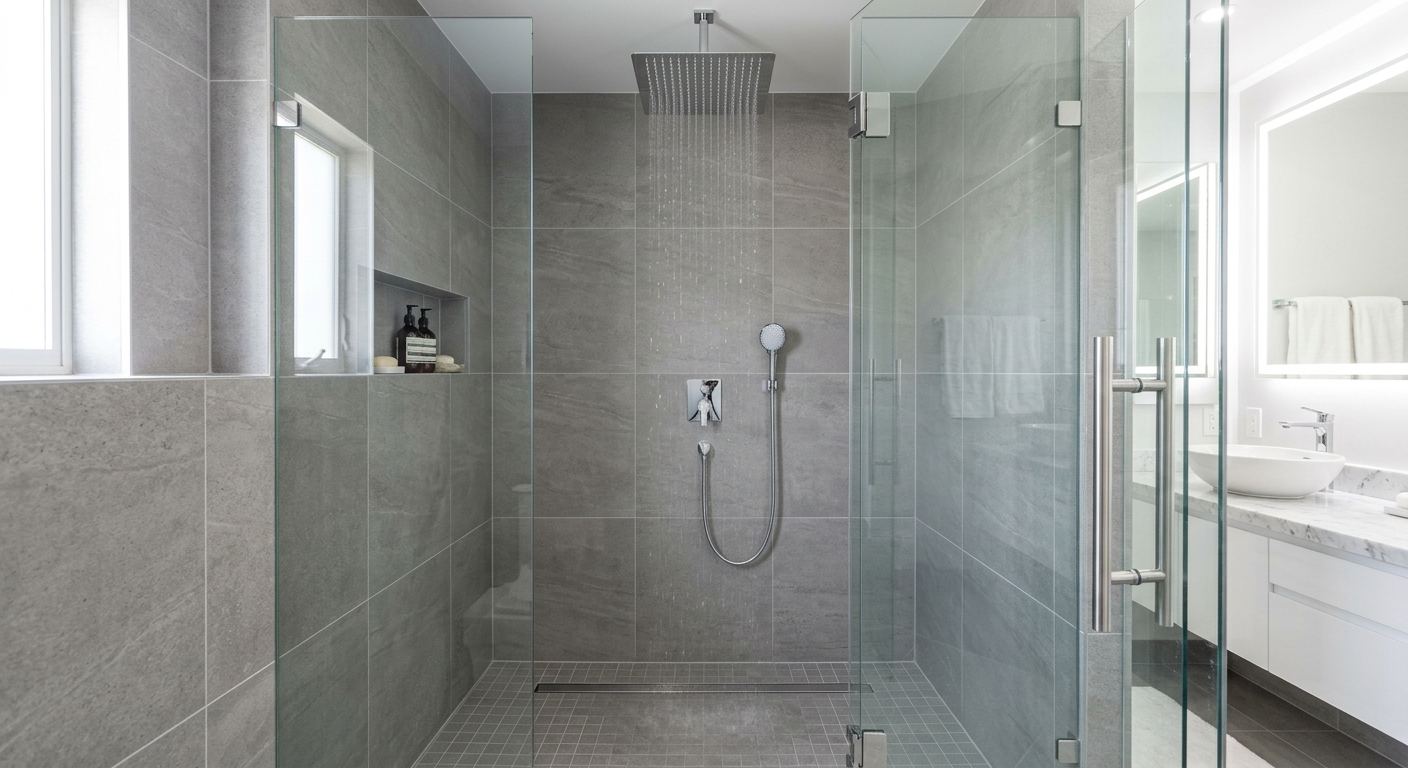
Bathroom renovation options and costs in Sherbrooke
Sherbrooke homeowners renovating bathrooms usually face a different reality than brand-new builds: the housing stock is often older, and the “simple” changes you can see are only part of the cost picture. In the Sherbrooke area, the local profile is small-scale (population 2,438 in 2021, Statistics Canada, 2021 Census), which means fewer crews are spread across a wider region in practical scheduling terms. That matters when you need trade coordination. Many Calgary-area homes were built well before modern drain/venting standards, so it’s common to encounter dated plumbing layouts, cast-iron drain sections, and—depending on the age—floor tile or drywall materials that may require extra care. Even when the bathroom looks tired rather than damaged, opening walls often reveals subfloor repairs and ventilation upgrades that aren’t obvious at quote stage.
Calgary’s renovation pricing is driven more by local labour rates and concealed-condition risk than by Alberta climate itself. Still, Alberta’s freeze-thaw cycles and winter humidity swings can stress waterproofing and ventilation performance, so contractors often price waterproofing and exhaust work more conservatively to protect you long-term. Trade demand is especially noticeable around 8 Avenue West and the nearby older residential pockets where homeowners commonly update aging tub-and-tile bathrooms into modern showers. With that in mind, the table below helps you compare typical project paths before you talk to a contractor.
| Renovation Scope |
What's Included |
Typical Duration |
Price Range |
| Cosmetic refresh (paint, fixtures, accessories only) |
Repaint, replace vanity top or vanity, update taps, lighting updates (no new circuits), swap toilet or accessories, caulking and regrout as needed |
3–7 days |
$4,000–$9,000 |
| Mid-range full renovation (new tile, vanity, tub/shower, electrical) |
Demo, new vanity, tub/shower surround or tile surround, new exhaust fan, electrical allowance (GFCI where needed), improved waterproofing, new flooring/finishes |
3–5 weeks |
$15,000–$25,000 |
| High-end full renovation (custom tile, steam shower, heated floors) |
Custom layout, premium waterproofing system, heated floor wiring and thermostat, larger-format tile, frameless glass, steam shower components, upgraded lighting and finishes |
5–8 weeks |
$25,000–$40,000 |
| Shower-only installation (convert tub to walk-in shower) |
Remove tub, rough-in adjustments, new shower pan system, tile walls, glass door/enclosure, new drain/venting confirmation, exhaust fan upgrade if needed |
2–4 weeks |
$12,000–$18,000 |
| Bathtub replacement or tub-liner install |
Replace existing tub with new unit (or install a liner where appropriate), basic trim/caulking, refinish surrounding area, confirm drain fit and sealing |
2–5 days |
$1,000–$3,000 |
| Tile-only installation (floor + surround, existing layout kept) |
Tile removal (selective), subfloor prep, waterproofing system for tile areas, tile floor and wall application, grout/trim finishing |
2–4 weeks |
$6,000–$16,000 |
Prices are estimates only and vary by project scope, site access and material selection.
What affects the price of bathroom renovation in Sherbrooke
Even when two homeowners in the Calgary economic region describe the “same” bathroom renovation, quotes can swing by 30–50%. The reason isn’t usually taste—it’s labour rates, scheduling, and what’s hidden behind tile and drywall once demolition starts. In Sherbrooke and across Alberta, many older homes have concealed plumbing and ventilation constraints (for example, cast-iron or aged drain stacks, galvanized supply lines, and fan ducting that can’t move moisture effectively). Those issues don’t show up in photos, so contractors often price with an allowance for rough-in upgrades and coordinated trade work.
It’s also why asbestos discovery is such a budget variable. In pre-1985 homes, asbestos may be present in certain floor tile materials or in older drywall compounds. If it’s identified during demo, the job moves into an abatement workflow—adding time, labour, and containment/disposal costs. That can add roughly $1,500–$5,000+ depending on scope and how much material is disturbed.
Concrete examples from Sherbrooke job sites: if you keep the toilet and tub positions, you typically avoid major drain rerouting and can better control the budget near the mid-range band (often around $15,000–$25,000). If you move plumbing to create a walk-in shower, rough-in work and inspection sequencing can push you toward the shower conversion band (often $12,000–$18,000 or higher). Conversely, if the subfloor is already flat and solid, tile-only projects can land closer to the lower end because labour is focused on installation rather than repairs.
| Price Factor |
Why It Matters |
Cost Impact |
| Layout change — moving drain or supply lines |
Requires demolition, rough-in plumbing, possible structural checks, and permit/inspection sequencing |
$3,000–$10,000+ |
| Tile selection — large-format porcelain vs. mosaic vs. ceramic |
Higher-end tile can be heavier, more brittle, and more labour-intensive to cut/level |
$1,000–$6,000 |
| Fixture tier — builder-grade vs. mid-range vs. designer brands |
Material cost changes, plus some premium fixtures require more careful trim and alignments |
$500–$4,000 |
| Subfloor condition — rot or unlevel concrete adds scope |
Repairs, leveling, and sometimes membrane changes to ensure long-term waterproofing performance |
$800–$7,000 |
| Electrical — adding GFCI outlets, exhaust fan, heated floor circuit |
Licensed electrical work, new circuit runs, and fan ducting coordination |
$600–$5,500 |
| Waterproofing method — membrane type and extent |
System quality and coverage area determine mould-resistance and warranty confidence |
$500–$3,500 |
| Older-home surprises — asbestos tile, cast-iron drains, galvanized pipes |
Triggers abatement workflows, drain replacement, or additional supply work |
$1,500–$8,000+ |
| Bathroom size — sq ft drives tile and labour time directly |
More surface area increases material, setting time, and drying/coverage steps |
$1,000–$6,000 |
Permits & regulations in Alberta
In Alberta, many “cosmetic” bathroom updates don’t require a permit. Swapping fixtures like a vanity top, taps, toilet (same location), paint, mirrors, and replacing a tub surround typically falls into work that can often proceed without pulling building permits. Replacing like-for-like finishes (for example, retiling without moving plumbing) generally stays in the low-friction category.
However, permits are typically required when you change the building systems—not just the look. Plan for permits when you relocate plumbing (moving a drain or supply line), add or modify electrical circuits (such as new exhaust fan wiring, new heated floor circuits, or outlet changes), and when structural wall modifications are involved. Electrical work must be completed by—or signed off by—a licensed electrician, and plumbing rough-in changes typically involve permit/inspection steps before you close walls.
For a homeowner in Sherbrooke, the safest verification process is step-by-step. First, ask for the contractor’s Alberta trade licence number and confirm it via the applicable online registry for their category. Second, request a current certificate of insurance and confirm liability coverage limits (and that it includes renovation work). Third, check that they have WSIB/WCB coverage where required—ask for a clearance letter or proof of coverage and date it. Finally, keep everything in writing: permit responsibility (who pulls it), inspection coordination, and the disposal plan for demo materials.
Choosing tile, waterproofing and fixtures for your Sherbrooke bathroom
In Sherbrooke, your renovation budget is usually won or lost on three material decisions: tile, waterproofing, and fixture tier. Start with tile choice. Ceramic tile is often the entry-level route, but it can be more prone to lippage or movement issues if the substrate isn’t perfectly prepped. Porcelain is denser and usually performs better for floors and higher-traffic zones, and it’s available in modern large-format looks that can reduce visual grout lines. Natural stone (marble, travertine, slate) is premium—beautiful, but it often needs extra installation care and sealing, plus it can raise labour time if the finish is irregular or requires careful layout.
Next is waterproofing, which matters more in Alberta than most people expect. With winter indoor humidity and temperature swings, the bathroom must stay dry behind the walls. A proper system can be paint-on membrane for certain simple scopes, a bonded sheet membrane for robust coverage, or a full installation method using modern systems (including compatible boards and sealants) that keep water from migrating. The best “mould prevention” is correct waterproofing coverage at the seams, corners, and transitions.
Finally, fixture tier impacts both budget and resale. Builder-grade fixtures can keep costs down, but mid-range or designer brands often provide better finishes and smoother valve operation. For example, if you upgrade from a standard acrylic tub surround to a tile surround and add a mid-range shower valve, you might spend an additional few thousand dollars—but that spend is justified if you’re already doing waterproofing and wall demo. If you’re staying cosmetic-only, the same upgrade won’t deliver the same value because the walls aren’t being opened.
| Material / Option |
Pros |
Cons |
Price Range |
| Ceramic tile (floor + walls) |
Lower material cost, wide selection, good for walls and straightforward floors |
More variation in performance vs. porcelain for floors; substrate prep still critical |
$3,000–$8,000 |
| Porcelain tile (floor + walls) |
Denser and typically more durable for floors; improved water resistance; modern large-format options |
Can be more expensive; larger tiles increase careful layout and cutting time |
$6,000–$12,000 |
| Natural stone (marble, travertine, slate) |
High-end look; timeless design; often boosts perceived value |
Higher labour complexity; sealing and maintenance; can show imperfections |
$10,000–$18,000 |
| Frameless glass shower enclosure |
Brightens the space, modern look, easier cleaning, strong visual upgrade |
Requires precise measurements; premium hardware adds cost |
$2,500–$6,500 |
| Prefab tub surround (acrylic) |
Fast install, consistent finish, typically less labour than full tile |
Less “custom” look; seams and layout may limit your design flexibility |
$500–$3,000 |
| Custom shower pan (tile or linear drain) |
Better drainage design; improved accessibility; supports premium tile layouts |
More waterproofing and labour time; drain line planning is critical |
$1,500–$7,000 |
How to choose a bathroom renovation contractor in Sherbrooke
When you’re hiring a bathroom contractor in Sherbrooke, start with credentials and coverage. In Alberta, confirm the contractor’s Alberta trade licence for the work they’ll do, and ask for a certificate of liability insurance that clearly covers renovation activities. Next, verify WSIB/WCB coverage (where required) by requesting proof or a clearance letter—don’t accept “we can invoice you through someone else” as a substitute. These checks protect you if something goes wrong during demolition, waterproofing, or rough-in work.
Then get 2–3 itemised written quotes, ideally with a labour and materials breakdown rather than a lump sum. Ask whether the quote includes permit pulling (if needed), disposal and dumpster fees, and what happens if concealed damage is found. Scope clarity is everything in bathroom renos: confirm what’s included for demolition, subfloor repairs, waterproofing system type, exhaust fan supply/ducting, and caulking/grout cleanup.
Warranty also matters. Request the workmanship warranty length and whether it’s backed by the contractor for the install duration. Separate that from manufacturer warranties on tile, membranes, and fixtures, and ask if warranties are transferable with resale. Finally, use a payment schedule: never pay more than about 10–15% upfront, and insist on holdback until completion and turnover items are done. Make sure the timeline includes a written start date and a realistic completion estimate.
- Ask for Alberta trade licence details matching the scope (plumbing/electrical/tile as applicable).
- Request liability insurance certificate and confirm coverage dates/limits.
- Verify WSIB/WCB coverage with proof or clearance letter.
- Get 2–3 itemised quotes (labour + materials) and compare apples-to-apples scope.
- Confirm permit responsibility in writing (who pulls it if required).
- Confirm disposal/dumpster and haul-away of tile, drywall and fixtures.
- Ask what waterproofing method is included (membrane type and coverage areas).
- Require exact finish schedule: demolition date, rough-in, waterproofing, tiling, grouting, final trim.
- Set a payment schedule with 10–15% maximum upfront and holdback until close-out.
- Ask about access constraints and working hours (parking, stairs, elevator use).
- Confirm warranty: workmanship duration and product/manufacturer warranty documentation.
- Ensure the contract includes change-order process and pricing for unforeseen conditions.
Red flags to watch for in Sherbrooke: a contractor who won’t itemise labour/materials, vague waterproofing language (“we’ll seal it” without a system), refusal to provide licence/insurance/WSIB proof, payment demands above 10–15% upfront, and missing timelines or start-date commitments in writing.
Frequently asked questions — bathroom renovation in Sherbrooke
What's the difference between a cosmetic and a full bathroom renovation?
A cosmetic renovation is about updating what you can see without changing the bathroom’s plumbing or major structure. In Sherbrooke and across Alberta, that usually means paint, accessories, replacing a vanity, upgrading lighting, and sometimes re-caulking or minor regrouting. A full renovation, on the other hand, typically involves demolition, replacing tile (often floors and walls), upgrading waterproofing, and may include electrical work like GFCI outlets and exhaust fan upgrades. If you’re also replacing a tub/shower system or moving plumbing locations, you’re in full-reno territory. Budget-wise, a cosmetic refresh might start in the lower range (for example, $4,000–$9,000), while mid-range full renovations commonly land around $15,000–$25,000 depending on hidden scope.
How do I choose the right contractor for my bathroom in Sherbrooke?
In Sherbrooke, the right contractor is one who can prove coverage and explain the scope clearly. Start by confirming Alberta trade licensing for the trades they perform, then request liability insurance and proof of WSIB/WCB coverage (ask for a clearance letter or documentation). Next, get 2–3 itemised quotes so you can compare labour lines, disposal, waterproofing method, and whether permits are included. Pay attention to the contract details: who is responsible for permit pulling and inspections, what’s excluded, and what change orders look like if they discover older-home surprises such as cast-iron drains or asbestos-containing materials. Also verify warranty terms and keep your payment schedule conservative—typically no more than 10–15% upfront—so you aren’t financing risk.
What's the most common mistake homeowners make in bathroom renovations?
The most common mistake is under-budgeting for concealed conditions after demolition. Homeowners often plan around visible finishes—tile, vanity, fixtures—while assuming the plumbing and subfloor are already in good shape. In older Calgary-area homes (the region Sherbrooke shares in practice for labour and materials), contractors frequently find issues like dated venting, galvanized supply lines, unlevel subfloors, or drain conditions that require upgrades once walls come open. Another frequent issue is choosing materials without aligning them to the waterproofing system, which can increase moisture risk in Alberta’s winter humidity swings. If you’re budgeting toward a mid-range renovation band (for instance $15,000–$25,000), you should also carry contingency for hidden repairs to avoid delays and expensive change orders.
How long does tile installation take in a Sherbrooke bathroom?
Tile timelines depend on bathroom size, layout complexity, substrate prep, and whether the job includes full waterproofing. For many Sherbrooke projects where existing layout is kept and the subfloor is sound, tile-only scopes typically take about 2–4 weeks in total calendar time. That includes prep/leveling, waterproofing steps (and cure times), tile setting, grouting, and final trim/caulking. If you’re using larger-format porcelain, installing a custom shower pan, or the contractor must address subfloor repairs or moisture issues, expect the schedule to lean toward the longer end. The key is cure and drying time—rushing those steps is what leads to failures. A full reno with tile plus plumbing/electrical commonly runs 3–5 weeks or longer depending on scope.
How much does a bathroom renovation cost in Sherbrooke?
Bathroom renovation cost in Sherbrooke usually follows the Calgary-area pricing bands, because labour rates and concealed-scope risk drive the final number. A simple cosmetic refresh may start around $4,000–$9,000 if you’re not moving plumbing or electrical. Mid-range full renovations—new tile, a vanity, a tub/shower or shower surround, and typical electrical updates—often fall in the $15,000–$25,000 range. If you’re converting a tub to a walk-in shower with rough-in changes and tile, the shower-only conversion often lands in the $12,000–$18,000 range. At the high end, premium finishes and heated floors can push projects above the typical band. Your final price depends on tile selection, waterproofing system choice, and whether hidden repairs are discovered.
How long does a bathroom renovation take in Sherbrooke?
Typical bathroom renovation duration in Sherbrooke ranges from about a week for cosmetic-only work to several weeks for full renovations. Cosmetic refresh projects usually take 3–7 days. A mid-range full renovation often runs 3–5 weeks, because demolition, rough-in checks, waterproofing, tile setting, and finish work require proper sequencing and cure times. Shower-only conversions (like replacing a tub with a walk-in) commonly take 2–4 weeks if plumbing changes and waterproofing are straightforward. High-end renovations with custom tile layouts, heated floors, or steam shower components can stretch to 5–8 weeks due to ordering lead times and additional steps. If concealed issues appear—such as subfloor repairs, drain upgrades, or abatement—the timeline can extend. Ask your contractor for a start date and completion estimate in writing before you commit.