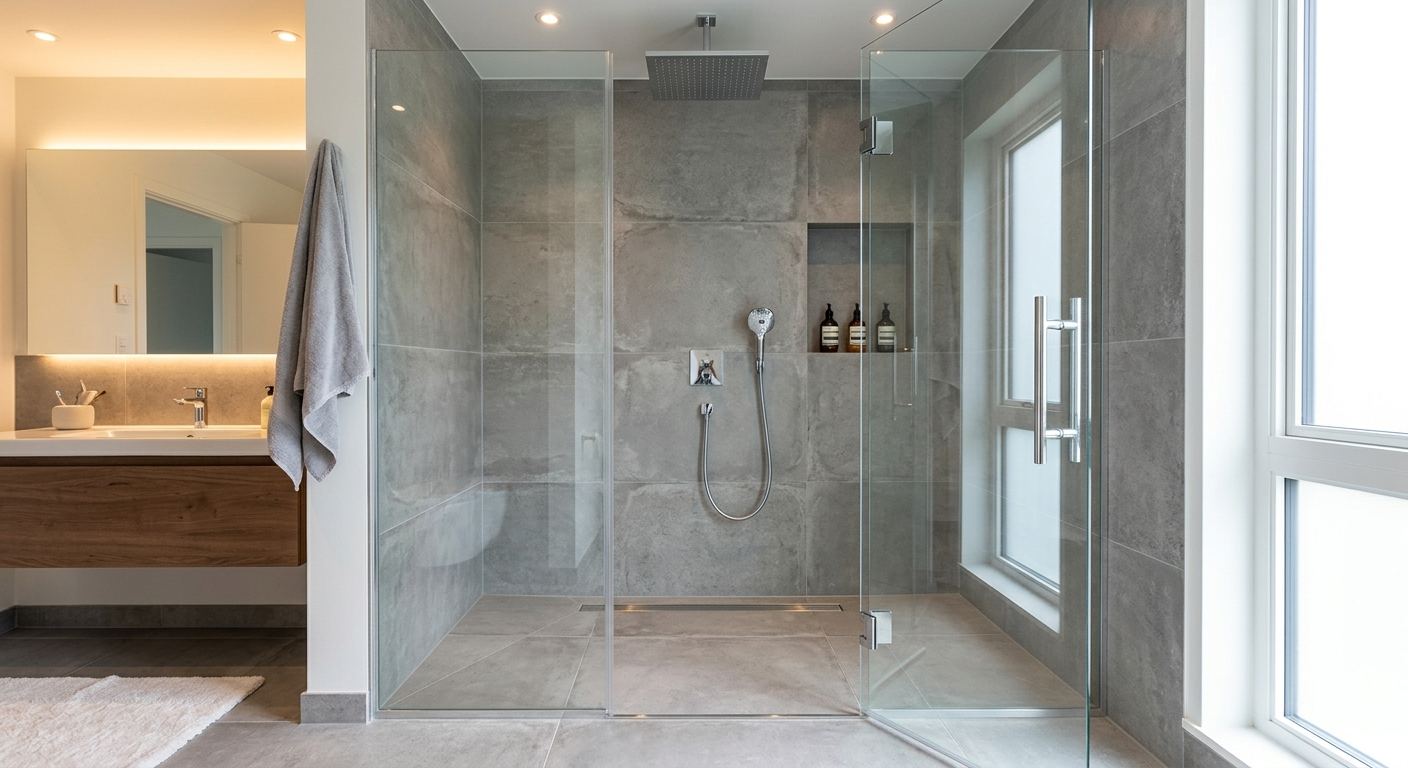
Bathroom renovation options and costs in Taber
Taber homeowners typically have three practical bathroom paths—refresh, mid-range, or full rebuild—and the cost swings mainly because of local housing age and the labour required to bring systems up to current standards. In Taber, many homes were built before 1981 (53.3%), which often means the original plumbing layout, drain materials, and ventilation strategy aren’t ideal for today’s tile-and-waterproofing expectations. That matters because older bathrooms can hide cast-iron or galvanized components and, sometimes, asbestos-containing materials in older floor coverings or floor build-ups. (Statistics Canada, 2021 Census)
In the Lethbridge–Medicine Hat region, pricing is also driven by the availability and rates of trades. Contractor demand is fairly consistent across southern Alberta, so labour—especially plumbing rough-in, electrical tie-ins, and waterproofing labour—makes up a big portion of most budgets. Climate plays a supporting role: winters can be hard on poorly insulated bathrooms, and moisture management is critical year-round, but the bigger cost driver is still what gets uncovered when the walls and floors come open in older homes.
In Taber’s growing residential areas—like around the downtown and the newer pockets off Highway 3—renovations are common in single-detached homes, so contractors are often booked ahead. If you’re starting with a dated tub surround or cracked tile, you’ll usually get the best value by planning the plumbing/venting and electrical updates together rather than piece-mealing later.
Below are typical options and ranges to help you compare quotes before you start selecting finishes.
| Renovation Scope |
What's Included |
Typical Duration |
Price Range |
| Cosmetic refresh (paint, fixtures, accessories only) |
Repaint, swap vanity top or vanity, replace toilet/lighting/ceiling fixtures, new hardware and accessories; existing tile and plumbing stay |
3–7 days |
$3,500–$7,500 |
| Mid-range full renovation (new tile, vanity, tub/shower, electrical) |
Remove existing finishes, new vanity and toilet, new tub/shower surround or tiled shower, new exhaust fan wiring, GFCI where needed, updated waterproofing and tile installation |
2–4 weeks |
$12,000–$20,000 |
| High-end full renovation (custom tile, steam shower, heated floors) |
Premium tile and layout, custom glass, upgraded plumbing valves, heated floor circuit and installation, premium fixtures, enhanced waterproofing, often increased electrical and more custom carpentry |
4–6 weeks |
$20,000–$25,000 |
| Shower-only installation (convert tub to walk-in shower) |
Demo and convert plumbing to shower drain, new waterproofing system, tiled shower pan/liner, glass door or curtain-ready option, exhaust fan check/update |
2–3.5 weeks |
$8,000–$15,000 |
| Bathtub replacement or tub-liner install |
Remove and replace tub and fixtures, new caulking and trim, optional surround reseal/spot tile repair; liner installs depend on surface condition |
2–7 days |
$1,500–$6,000 |
| Tile-only installation (floor + surround, existing layout kept) |
Tile removal/repair as needed, setting and grouting, waterproofing as required for wet areas, grout/caulk detailing; plumbing fixtures remain |
1.5–3 weeks |
$2,000–$8,000 |
Prices are estimates only and vary by project scope, site access and material selection.
What affects the price of bathroom renovation in Taber
Two bathroom quotes for the “same” renovation in the Lethbridge–Medicine Hat region can easily differ by 30–50% because the scope changes once trades start opening walls and floors. On paper, a bathroom may look like a straightforward tile-and-vanity refresh, but in older Taber homes (many built before 1981), the real cost shows up in the upgrades needed for modern waterproofing, ventilation, and safe electrical connections. In southern Alberta, labour rates and trade availability weigh heavily on your final price, and the age of the housing stock often dictates how much plumbing and electrical rework is required more than the weather does.
For example, if you’re planning a mid-range full renovation in the $12,000 – $20,000 band, the timeline may expand when contractors discover cast-iron or galvanized drain/supply components that need upgrading. Ventilation is another frequent driver: older bathrooms often rely on underperforming exhaust fans, and bringing the room up to today’s moisture-management expectations increases electrician and sheet goods/tile time. Also, if asbestos-containing materials are found in older vinyl tile or drywall compound, abatement can add roughly $1,500 – $5,000+ to the budget depending on the affected area.
Concrete Taber scenarios: (1) keeping the existing tub location usually protects your budget by avoiding drain re-routing, while converting to a walk-in shower often pushes labour higher due to rough-in changes; (2) choosing large-format porcelain can lower grout lines but may add labour if the substrate is uneven; (3) if the subfloor is unlevel, you may need additional prep to protect the tile warranty and prevent cracks. These are why some projects land closer to the $12,000 – $25,000 full-renovation range while others stretch upward.
| Price Factor |
Why It Matters |
Cost Impact |
| Layout change — moving drain or supply lines |
Requires rough-in work, patching framing/subfloor, and re-establishing waterproofing transitions |
Often adds $2,000–$6,000 |
| Tile selection — large-format porcelain vs. mosaic vs. ceramic |
Higher tile costs plus different install tolerances and cutting time |
$500–$3,500 |
| Fixture tier — builder-grade vs. mid-range vs. designer brands |
Premium valves, trims, and toilets may require more labour for fit/finish |
$400–$2,500 |
| Subfloor condition — rot or unlevel concrete adds scope |
Needs removal, remediation, and leveling so tile stays warranted and flat |
$800–$4,000 |
| Electrical — adding GFCI outlets, exhaust fan, heated floor circuit |
Licensed electrical work and code-compliant ventilation can increase rough-in and finishing time |
$700–$3,000 |
| Waterproofing method — membrane type and extent |
Better systems cost more but reduce risk of mould and failed grout joints in wet areas |
$600–$2,500 |
| Older-home surprises — asbestos tile, cast-iron drains, galvanized pipes |
Triggers removal/abatement and/or replacement of sections that affect timelines and disposal |
$1,500–$5,000+ |
| Bathroom size — sq ft drives tile and labour time directly |
More area increases materials, thinset/membrane coverage, and setting time |
$1,000–$6,000 |
Permits & regulations in Alberta
In Alberta, not every bathroom update needs a permit. Typically, cosmetic work—like swapping fixtures in the same locations, repainting, replacing a vanity top, or retiling without moving plumbing or changing structural walls—usually doesn’t require permitting. Where permits do come in is when you change the systems: relocating plumbing (moving a drain or supply line), adding or upgrading an exhaust fan that requires new wiring/circuits, or making structural changes to walls or openings. Electrical work must still meet Alberta code and be performed by a licensed electrician (or signed off by one).
For plumbing rough-in changes, most projects require a permit and inspection so that rough-in is inspected before the walls are closed. To protect yourself, verify your contractor’s Alberta trade licence before any demolition starts—don’t wait until tiles are going up. Here’s a simple homeowner step-by-step approach: (1) check the contractor’s Alberta licence details through the provincial online licensing registry; (2) request a certificate of insurance and confirm they carry liability coverage appropriate for renovation work; (3) ask for proof of workers’ compensation coverage (WSIB/WCB) where applicable for their crews or subcontractors; (4) ask for the permit plan—who pulls the permit, and whether it includes rough-in inspections and final sign-off.
If they can’t provide licence/insurance documentation promptly, that’s a strong sign to pause and get another quote.
Choosing tile, waterproofing and fixtures for your Taber bathroom
In Taber (and across the Lethbridge–Medicine Hat market), your bathroom budget is mostly shaped by three material decisions: tile, waterproofing, and fixture tier. First, tile choice impacts both the price of the material and how complex the install becomes. Entry-level ceramic can be the most affordable, but it’s less forgiving when you’re dealing with minor substrate unevenness. Porcelain usually costs more but tends to handle moisture and daily cleaning better, making it a common mid-range choice for full renovations. Natural stone (marble, travertine, slate) looks premium yet can require sealing and careful layout—especially if you want crisp edges around corners and niches.
Second, waterproofing is non-negotiable in Alberta bathrooms where daily moisture and seasonal temperature swings stress grout lines. A paint-on membrane can work for some light applications, but for shower walls and floors, many homeowners get better long-term results with a bonded sheet membrane or a professional multi-layer system (including compatible sealants and proper overlaps). Finally, fixture tier affects day-to-day function and resale impressions: builder-grade units can meet code and work fine, while mid-range or designer fixtures bring better valves, finishes, and typically smoother trims.
Here’s a practical dollar example: if you’re choosing between a tiled shower in the mid-range full renovation band ($12,000 – $20,000) and a premium, heated-floor layout closer to the high-end band ($20,000 – $25,000), the extra cost is justified when you also upgrade waterproofing coverage and plan the electrical circuit properly. Upgrading finishes without addressing waterproofing details is rarely the smartest spend.
| Material / Option |
Pros |
Cons |
Price Range |
| Ceramic tile (floor + walls) |
Lower material cost, lots of styles, good for budget remodels |
More care needed to avoid chipping/cracking if substrate isn’t flat; generally less durable than quality porcelain |
$2,000–$6,000 |
| Porcelain tile (floor + walls) |
Moisture-tolerant, strong performance, cleaner look with fewer grout lines (for many formats) |
Higher material cost and stricter flatness requirements increase labour when floors are out of level |
$4,000–$8,000 |
| Natural stone (marble, travertine, slate) |
Luxury appearance, unique variation, high-end curb appeal |
Sealing/maintenance, more complex cutting and install, higher risk of staining if not chosen properly |
$7,000–$12,000 |
| Frameless glass shower enclosure |
Bright, modern look; easier to visually maintain; durable hardware |
Requires accurate framing/plumb lines; can increase costs if the shower layout changes |
$2,000–$5,000 |
| Prefab tub surround (acrylic) |
Fast install, simpler waterproofing process, consistent fit if the existing rough-in matches |
Limited design flexibility; can show seams and may reduce rework options if the framing is damaged |
$1,500–$4,000 |
| Custom shower pan (tile or linear drain) |
Better slope to drain, cleaner lines, works well with modern tiled showers and linear drains |
More waterproofing and waterproofing detailing; higher labour if floor prep is required |
$3,000–$9,000 |
How to choose a bathroom renovation contractor in Taber
When you’re hiring a bathroom contractor in Taber, start with proof—not promises. In Alberta, confirm their trade licence details through the provincial licensing registry (where applicable for the work they perform), request a certificate of insurance with appropriate liability coverage, and ask for confirmation of WSIB/WCB coverage for employees or ensure their subcontractors carry their own coverage. If they handle demolition crews, electrical, or plumbing, you want coverage for the people actually doing the work.
Next, get 2–3 itemised written quotes, not one lump sum. You want a breakdown that shows labour and materials separately: demo, framing adjustments, waterproofing system, tile labour, glass hardware, plumbing rough-in, electrical, insulation/venting, and disposal. Read exclusions carefully—especially whether permits are included, whether waste hauling and dumpster fees are covered, and what happens if hidden water damage is found once walls open.
Warranty matters: ask for the length of the workmanship warranty and confirm whether product/manufacturer warranties are included and transferable if you sell the home. Payment schedules should be conservative—never more than 10–15% upfront. Hold back the balance until major work is complete and verifiable (waterproofing protected and tile installed, fixtures set, and final clean-up done). Finally, insist on a written start date and completion estimate, including the handoff steps between trades so you’re not left waiting on approvals.
- Provide Alberta licence documentation before signing
- Show liability insurance certificate and confirm coverage limits
- Confirm WSIB/WCB coverage for crews or subcontractors
- Quote is itemised: labour vs materials vs disposal
- Scope states what’s included/excluded (permits, patching, drywall, painting)
- Waterproofing method and products are listed in the quote
- Tile scope includes prep requirements (leveling, backer board, substrate repairs)
- Ventilation plan is documented (exhaust fan capacity and wiring)
- Electrical scope includes GFCI and heated floor circuit (if selected)
- Plumbing scope explains rough-in changes if relocating fixtures
- Warranty: workmanship duration + product warranty details
- Payment schedule capped at 10–15% upfront; holdback until completion
In Taber, my common “stop and ask questions” red flags are: (1) no licence/insurance proof offered early; (2) quotes that don’t list the waterproofing system or tile prep assumptions; (3) lump-sum numbers with no permit/disposal clarity; (4) requesting large deposits beyond 10–15%; and (5) vague timelines with no start/finish dates tied to trade scheduling.
Frequently asked questions — bathroom renovation in Taber
How much does a walk-in shower cost in Taber?
A walk-in shower price in Taber typically depends on whether you’re converting from an existing tub (plumbing rework) or building a shower in an unchanged footprint. In the southern Alberta market, a shower-only conversion often comes out around $8,000 – $15,000 when you include demolition, waterproofing, tile installation, and the drain/valve adjustments that keep the shower pan properly sloped. If you keep the layout and fixtures roughly in place, costs can be closer to the lower end. In older homes (many in Taber were built before 1981), expect potential add-ons for ventilation improvements or older drain/supply components once walls open.
What's the ROI on a bathroom renovation?
In Alberta, bathroom renos generally support resale value more than they reduce resale price risk—buyers look for clean, dry, code-compliant bathrooms. ROI varies by finish tier, but in practical terms, you should aim for spending that matches the home’s overall condition. For instance, a full renovation budget in the $12,000 – $20,000 band tends to return more reliably than an overly “luxury-only” build in a mid-market home—especially if the underlying plumbing and ventilation are already corrected. Also, since Taber’s housing stock includes a large share of older homes, buyers often pay attention to evidence of upgraded waterproofing and proper exhaust rather than just new fixtures. (Statistics Canada, 2021 Census)
Do I need waterproofing behind the tile?
Yes—where you’re tiling wet areas in a Taber bathroom, waterproofing behind the tile is essential. The goal is to protect framing, insulation, and subfloor from moisture intrusion that can lead to mould and hidden damage. For shower walls and floors, a proper waterproofing system typically includes membrane application compatible with the tile thinset and sealants at corners, niches, and transitions. If your home is older (many Taber homes were built before 1981), it’s especially important to remove compromised materials and confirm the substrate is ready—tile systems depend on flat, stable surfaces. A reputable contractor will document the waterproofing method in writing.
How do I compare bathroom renovation quotes?
Compare Taber bathroom quotes by scope and inclusions, not just the final number. Ask each contractor for itemised labour and materials: demolition, waterproofing product, tile prep and labour, plumbing rough-in scope (especially if you’re relocating drains/supplies), exhaust fan and electrical work, and disposal. Confirm whether permits are included and who pulls them. Also compare warranty terms and payment schedules. A “cheap” quote can become expensive if waterproofing, substrate repairs, or permit work is excluded. As a benchmark, if one quote lands near $12,000 – $20,000 for a mid-range full renovation and another is similar but lacks electrical/GFCI or proper ventilation upgrades, you’re not comparing the same scope.
Can I live at home during a bathroom renovation in Taber?
Often yes, but it depends on how much demolition you’re doing and whether you can keep a functional bathroom during rough-in. In Taber renovations, a cosmetic refresh usually allows you to stay in the home because plumbing isn’t opened. For mid-range or full renovations, many homeowners choose temporary arrangements because tile and waterproofing require careful drying time. You may be able to use another bathroom in the home, or you may need to coordinate when the tub/shower is offline. If your project includes electrical and plumbing rough-in, you’ll typically lose shower function for a period longer than the visible tiling days. Contractors who plan trade sequencing and protective coverings generally make “stay-at-home” renovations smoother.
What's the best bathtub material for a Taber home?
“Best” depends on how long you’ll stay and how much you’re renovating around the tub. For many Taber homes, a replacement tub that’s durable and supports a proper surrounding waterproofing system is the priority—materials like acrylic are common because they’re lighter for install and often faster to pair with a surrounding system. If you want a tub replacement with less complexity, acrylic tub + proper surround detailing can align well with budgets like $1,500 – $6,000 for tub replacement or tub-liner options. Cast iron tubs are extremely durable but can be heavier and may drive additional labour and plumbing adjustments in older basements. For older homes, I usually recommend focusing on waterproofing quality and venting first, then choosing the tub material that fits your rough-in and desired finish longevity.