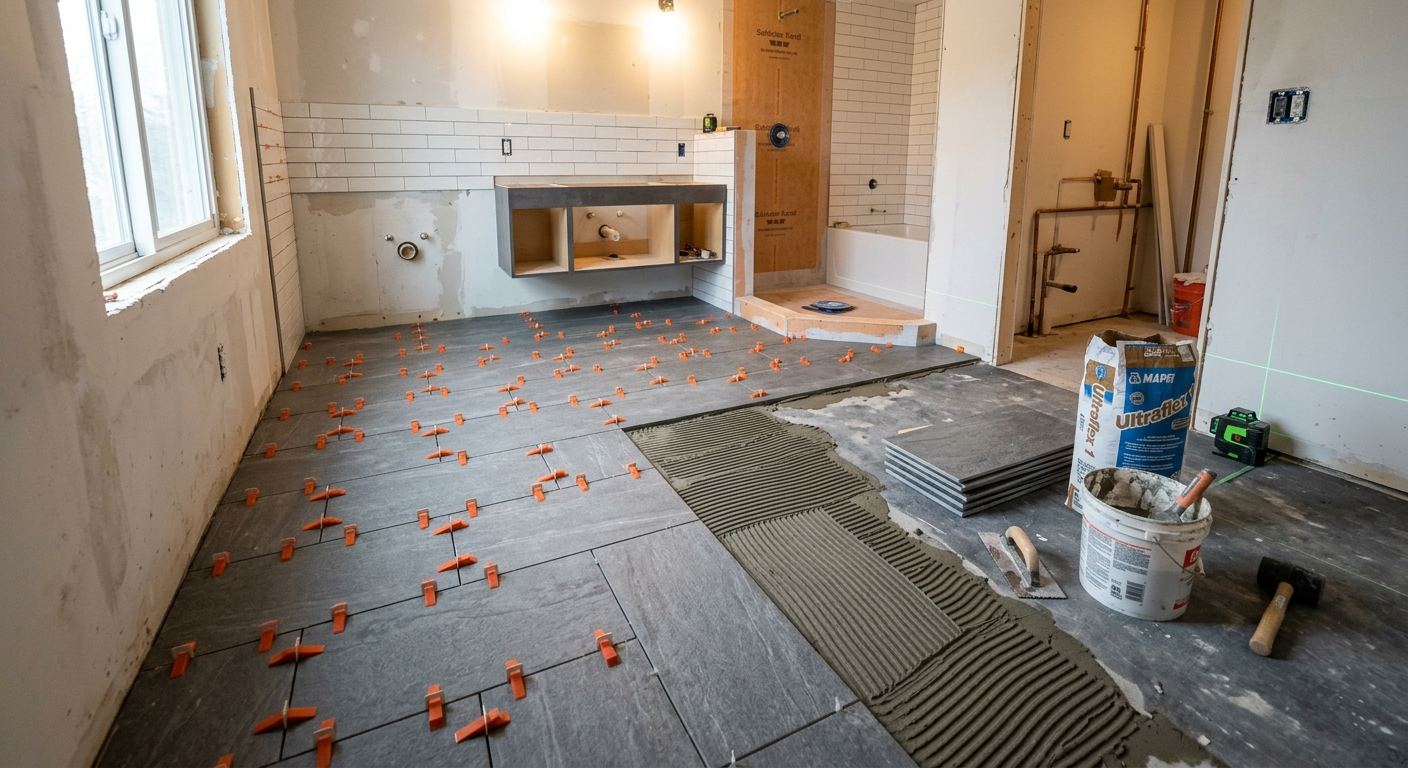
Bathroom renovation options and costs in Turner Valley
Turner Valley homeowners typically start their bathroom plan with a simple question: “What will it cost to refresh this room?” In a town where many households live in established homes—33.0% of dwellings were built before 1981 (Statistics Canada, 2021 Census)—the existing plumbing layout, drain locations, and subfloor condition often drive the real scope once walls and floors come off. That’s why a “cosmetic” request can quickly overlap with hidden upgrades like venting corrections, drain stack work, or ventilation improvements.
In the Calgary economic region, bathroom pricing is shaped more by local labour availability and trade rates than by climate itself. Still, Alberta’s temperature swings and indoor humidity mean waterproofing details matter; contractors who know typical water exposure patterns in older bathrooms tend to price the work with membrane systems, proper slope/underlayment, and fan ducting in mind. Work demand is especially strong in the rural surrounding areas and service runs out toward the greater Calgary corridor, where crews are often scheduling multiple renovations back-to-back to manage travel and downtime. If you’re hearing faster turnarounds and tighter scheduling, that’s usually a sign the trades are busy, which can affect both labour rates and sequencing.
Below is a practical comparison of the most common renovation routes homeowners choose in Turner Valley, using local budget ranges for this tier—then you can decide which option matches your goals before you ask for itemised quotes.
| Renovation Scope |
What's Included |
Typical Duration |
Price Range |
| Cosmetic refresh (paint, fixtures, accessories only) |
New vanity top or vanity swap (same footprint), toilet/trim swaps, paint, accessory install, basic caulking and resealing |
3–7 days |
$3,000–$8,000 |
| Mid-range full renovation (new tile, vanity, tub/shower, electrical) |
Demolition, waterproofing, new floor + surround tile, vanity, tub/shower or combo unit, exhaust fan upgrade, GFCI where required, disposal |
3–5 weeks |
$15,000–$22,000 |
| High-end full renovation (custom tile, steam shower, heated floors) |
Premium tile layouts, custom shower features, heated floor circuit, upgraded ventilation ducting, frameless glass, niche/bench work |
5–8 weeks |
$22,000–$30,000 |
| Shower-only installation (convert tub to walk-in shower) |
Convert tub footprint to walk-in, new shower pan + waterproofing, glass door/enclosure, new controls/valves, tile floor, venting checks |
2–4 weeks |
$8,500–$15,000 |
| Bathtub replacement or tub-liner install |
Remove and set new tub (or liner where appropriate), new trim/valve, reseal, limited tile tie-ins |
1–2 weeks |
$500–$3,000 |
| Tile-only installation (floor + surround, existing layout kept) |
Tile removal (as needed), leveling, new waterproofing/membrane prep, floor and wall tile, grout/seal, minor drywall/tape finish |
1.5–3 weeks |
$3,000–$12,000 |
Prices are estimates only and vary by project scope, site access and material selection.
What affects the price of bathroom renovation in Turner Valley
Two contractors can quote the “same” bathroom renovation in the Calgary economic region and still be 30–50% apart, even before you choose fixtures. The biggest drivers are regional labour rates, scheduling, and what the contractor finds after demolition in older housing stock. In Turner Valley, that’s especially relevant because a meaningful share of homes were built before 1981, so dated plumbing layouts are common—think cast-iron or older drain piping, copper or older supply runs, and ventilation that may not meet today’s moisture-control expectations. Those conditions rarely show up clearly in photos, so scope often expands after access is opened.
Hidden scope is also where asbestos risk can come in. If vinyl floor tile, old drywall compound, or older underlayments contain asbestos (more common in pre-1985 homes), abatement protocols may be required, and that can add roughly $1,500–$5,000+ depending on extent and containment. Venting upgrades and correcting slope for shower drainage can also add labour and materials, which is why “mid-range” projects that start around the mid five figures can move toward the low-to-mid twenties once the walls open and the waterproofing prep is corrected.
Local examples we see often in Turner Valley include: (1) adding or relocating a GFCI outlet and improving the exhaust fan duct path, which adds electrical and drywall work; (2) repairing an unlevel subfloor that forces more underlayment and membrane preparation before any tile goes on; and (3) keeping the existing layout to avoid rough-in work—this can keep a job closer to shower-only pricing around the low-to-mid range for typical walk-in conversions versus a full “move everything” remodel. In practice, many homeowners get the best value by budgeting for the reality of older bathrooms and planning a contingency while comparing the price bands for full renovations versus tile-only work.
| Price Factor |
Why It Matters |
Cost Impact |
| Layout change — moving drain or supply lines requires rough-in work |
Demolition plus plumbing rough-in, testing, and inspection time |
Often increases the project by $3,000–$10,000+ |
| Tile selection — large-format porcelain vs. mosaic vs. ceramic |
Higher material cost and more precision cutting/setting time |
Typically adds $1,500–$6,000 |
| Fixture tier — builder-grade vs. mid-range vs. designer brands |
Controls, valves, and finishes vary in cost and install time |
Often shifts the budget by $800–$5,000 |
| Subfloor condition — rot or unlevel concrete adds scope |
Requires repair/leveling and additional waterproofing prep |
Commonly adds $1,000–$4,000 |
| Electrical — adding GFCI outlets, exhaust fan, heated floor circuit |
Licensed work, new circuits, and code-compliant placement |
Typically adds $600–$3,500 |
| Waterproofing method — membrane type and extent |
Proper coverage and transition details prevent long-term failures |
Often adds $500–$3,000 |
| Older-home surprises — asbestos tile, cast-iron drains, galvanized pipes |
Abatement, removal, disposal, and pipe replacement scope |
Can add $1,500–$8,000+ |
| Bathroom size — sq ft drives tile and labour time directly |
More surface area = more tile, thinset, membranes, and labour hours |
Typically scales by $800–$4,000+ |
Permits & regulations in Alberta
In Alberta, the permit rules usually come down to whether you’re changing the plumbing or electrical systems, versus simply swapping finishes. In general, cosmetic updates—like replacing a vanity (same rough-in footprint), painting, updating accessories, or retiling without moving plumbing—typically do not require a permit. However, plumbing relocation (moving a drain or supply line), adding a new shower control/valve where one didn’t exist, or modifying venting commonly triggers a permit and inspection for the rough-in and final work. If the project involves structural wall changes (opening walls to repair framing or move load-bearing elements), expect permit involvement as well.
Electrical work must meet Alberta electrical code requirements and be performed by or signed off through a licensed electrician. Typical examples include adding or upgrading exhaust fans, installing new GFCI outlets near water sources, and wiring heated flooring circuits. If those tasks are part of your renovation path—especially in a full renovation priced within the mid-range or high-end bands—plan for electrical scheduling and inspection time.
For Turner Valley homeowners, verify your contractor’s Alberta trade licence and liability coverage before demolition. Step-by-step: (1) request their licence details and confirm they’re valid using the provincial public registry; (2) ask for a certificate of insurance and ensure the liability coverage is current and includes renovation work; (3) request proof of WCB/WSIB coverage (or confirmation of coverage status) so you’re not left holding the bag for jobsite incidents; (4) get everything in writing—licence and insurance details should be included in the quote package. For any abatement scenario, require an assessor/protocol plan if asbestos is suspected.
Choosing tile, waterproofing and fixtures for your Turner Valley bathroom
In Turner Valley and the wider Calgary market, your bathroom budget is usually decided by three material choices: tile type, waterproofing system, and fixture tier. Start with tile. Entry-level ceramic can be cost-effective on a smaller layout, but it’s often less durable for high-traffic floors and usually requires careful handling for consistent lippage and flatness. Porcelain is typically the sweet spot—denser, more water-resistant, and available in wider colour and size ranges—while natural stone (marble, travertine, slate) is premium, heavier, and can demand more labour for layout, sealing, and higher-tolerance installation.
Next is waterproofing, which matters more in Alberta bathrooms because daily showers and winter ventilation patterns drive constant moisture load. Paint-on membranes can work in some refresh-style scenarios, but for wet-area longevity many contractors favour bonded sheet membranes or a modern tiling system that includes proper substrate prep and overlapping transitions at corners and seams. This reduces the risk of mould and grout breakdown after freeze-thaw cycles and indoor humidity changes. Finally, choose fixtures wisely. Builder-grade fixtures are the easiest way to keep a remodel closer to the lower end of the full-renovation band, while mid-range and designer brands can boost both upfront cost and resale appeal.
A concrete way to justify cost: upgrading from a basic tile package to a mid-range porcelain + a full bonded waterproofing approach can be the difference between a typical tile-only job closer to $3,000–$12,000 and a higher full-reno outcome that holds up for years. If you’re converting to a walk-in shower, a well-built shower system is where that spend pays off most—budgeting for the right waterproofing often saves you from rework later.
| Material / Option |
Pros |
Cons |
Price Range |
| Ceramic tile (floor + walls) |
Good entry price, wide style selection, familiar installation methods |
More variable wear performance than porcelain, may chip if subfloor flexes |
$3,000–$7,000 |
| Porcelain tile (floor + walls) |
Denser and more water-resistant, better for bathrooms, consistent finish options |
Higher material cost; larger formats can be labour-intensive |
$7,000–$12,000 |
| Natural stone (marble, travertine, slate) |
High-end look, unique character, premium resale appeal |
Sealing/maintenance needs, more complex cutting and layout |
$12,000–$20,000 |
| Frameless glass shower enclosure |
Modern look, easier cleaning than many curtains, visually opens the space |
Premium hardware cost, requires accurate pan/wall alignment |
$2,000–$6,000 |
| Prefab tub surround (acrylic) |
Fast install, smoother surface, often fewer tile labour hours |
Limited custom design, can show seams depending on fit |
$500–$3,000 |
| Custom shower pan (tile or linear drain) |
Custom slope and drainage, luxury finish potential, linear drain reduces standing water |
More time and membrane precision; higher labour cost |
$3,500–$12,000 |
How to choose a bathroom renovation contractor in Turner Valley
Choosing the right contractor in Turner Valley is less about flashy photos and more about verification, clarity, and jobsite discipline. Start with Alberta licensing and coverage checks. Ask for proof of their Alberta trade licence for the scope they’ll perform, then request a current certificate of insurance showing liability coverage. For workers’ compensation, confirm WSIB/WCB coverage is in place—if they can’t provide it, keep looking. You can also ask for a clearance letter or coverage confirmation documents, and you should be able to receive them before the first invoice is issued.
Next, get 2–3 itemised written quotes. Not “lump sum” only—look for labour and materials breakdowns so you can compare apples to apples (tile, membrane, fixtures, glass, disposal, and any allowed allowances). Carefully read the scope: what’s excluded (older grout removal depth, demolition beyond a certain amount, subfloor repairs), is the permit pull included, and is waste/disposal handled? Warranty should be in writing: workmanship warranty length, product/manufacturer warranties, and whether warranties are transferable to future owners.
Payment scheduling should protect you. Never pay more than about 10–15% upfront; hold back a portion until key milestones are complete (waterproofing inspection readiness, glass install completion, final close-in). Timeline clarity matters too: get a start date and completion estimate in writing, including a plan for inspections or lead times for tile and glass.
- Confirm Alberta trade licence for the specific tasks they’re quoting.
- Request certificate of insurance and verify it’s current for renovation work.
- Confirm WSIB/WCB coverage (or clearance confirmation) before signing.
- Insist on itemised pricing: labour, tile/membrane, fixtures, glass, disposal.
- Check what “allowances” cover for fixtures and tile (and whether you can upgrade at set pricing).
- Ask who pulls permits and whether inspection fees are included.
- Verify waterproofing method and thickness/coverage details, not just “we waterproof.”
- Confirm whether demolition includes subfloor inspection and damage repair pricing.
- Get the start date, weekly work schedule expectations, and a completion target in writing.
- Request disposal specifics: number of skips/bags, haul-away included or not.
- Review workmanship and product warranty terms and who honours them.
- Use a payment schedule with a final holdback tied to walkthrough sign-off.
Red flags in Turner Valley include: contractors who won’t show insurance/licence details upfront, quotes that omit waterproofing specifications, “cash only” or heavy upfront payment requests, vague scope language like “tile as required” without allowances, and crews that can’t provide a realistic timeline tied to inspection and material lead times.
Frequently asked questions — bathroom renovation in Turner Valley
How much does a walk-in shower cost in Turner Valley?
In Turner Valley, a walk-in shower conversion is usually priced by the shower system build (pan, waterproofing, tile/finish) plus plumbing access. For typical mid-range work, many homeowners land around the $8,000–$15,000 band for shower installation, especially when moving from a tub to a tiled walk-in. If your bathroom is in a pre-1981 home, plan for potential subfloor leveling and drain or venting checks once demolition starts, which can push costs upward. If you keep the existing plumbing locations and only refine the shower enclosure and finishes, you often stay closer to the low end. Because local labour scheduling affects availability, it’s smart to book early and request itemised quotes that clearly separate plumbing rough-in, waterproofing, and glass.
What's the ROI on a bathroom renovation?
Bathroom renovations don’t always deliver a dollar-for-dollar return, but they can improve marketability and daily comfort—especially in older Turner Valley homes where moisture control and layout functionality can be dated. Your ROI depends heavily on scope and finish tier: basic refreshes can feel modern quickly, while full renovations with durable waterproofing and quality ventilation are more likely to hold value. In the Calgary region, mid-range full renovations commonly land in the $15,000–$22,000 range, and buyers often respond to quality shower/tile workmanship, not just updated fixtures. If your home is occupied during work, scheduling and dust control also matter for perceived quality. The best ROI comes when you match the renovation level to what’s typical for comparable homes in the area—and avoid expensive upgrades that don’t suit the home’s layout or plumbing realities.
Do I need waterproofing behind the tile?
Yes—waterproofing behind tile in a shower or other wet-area zones is strongly recommended, and in good practice it’s non-negotiable in an Alberta bathroom. Tile alone isn’t a waterproof barrier; grout and thinset joints are not designed to stop bulk water for years. Proper waterproofing includes full coverage membrane system at required wet areas, correct overlap at seams, and attention to transitions around niches, valves, and corners. The climate in Alberta means bathrooms repeatedly cycle through wet use and drying, and bathrooms in older homes can have limited ventilation—so preventing moisture migration matters. If your contractor is vague and only mentions “cement board” or “water-resistant drywall,” ask for the actual waterproofing method (paint-on membrane vs bonded sheet membrane) and where it will be applied.
How do I compare bathroom renovation quotes?
Start by comparing scope line-by-line, not the total price. Ask each contractor for an itemised quote that lists labour and materials: demolition limits, disposal, waterproofing method, tile amount and grade, fixture allowances, electrical scope (including GFCI and exhaust fan circuit work), and whether permits are included. Confirm the timeline and the crew availability dates. For Turner Valley and Calgary-area projects, hidden scope is common in older housing stock—so compare how each quote handles older-home surprises like subfloor corrections or potential plumbing upgrades. A “low” quote that omits waterproofing details or assumes perfect substrates can become a much higher final invoice. As a reality check, use the local price bands: a full renovation might sit in the $15,000–$30,000 range, while shower-only installs often cluster closer to the $8,000–$15,000 band. If the quote doesn’t align with those expectations, it may be missing scope.
Can I live at home during a bathroom renovation in Turner Valley?
Often yes, but it depends on the renovation scope and how your contractor manages dust, scheduling, and access to the rest of the home. For cosmetic refreshes or tile-only work, many homeowners continue living in the house, using an alternate sink or toilet temporarily. For full renovations, a workable approach is to schedule the demolition and waterproofing phase while you use another bathroom if available, then plan for heavier construction days early so the worst disruption is front-loaded. Contractors should provide containment practices, protect flooring elsewhere, and keep debris out of living areas. In older homes, if plumbing access requires additional rough-in or if asbestos assessment/abatement is needed, the project can pause and restart—so ask about how that will affect your day-to-day routine. If you live at home, confirm the plan for dust control, temporary bathroom access, and clean-up frequency in writing.
What's the best bathtub material for a Turner Valley home?
The “best” bathtub material depends on how your bathroom is built and how you’ll use it, but most Turner Valley homeowners are choosing between acrylic/composite units and tile-ready replacements. Acrylic tubs are popular because they’re relatively light, install quickly, and can reduce labour time versus heavy materials—especially if the rough-in footprint is staying the same. If your remodel includes matching tile surrounds and a custom shower conversion, you may lean toward tub replacement paired with updated waterproofing details, with bathtub replacement or liner-style options commonly priced in the $500–$3,000 band for the fixture portion plus limited tie-in work. If you’re opening walls in an older pre-1981 home, also consider the condition of supply and drain piping—material choice matters less than whether the plumbing rough-in and sealing are done correctly. Ask your contractor what’s compatible with your existing framing and waterproofing plan.