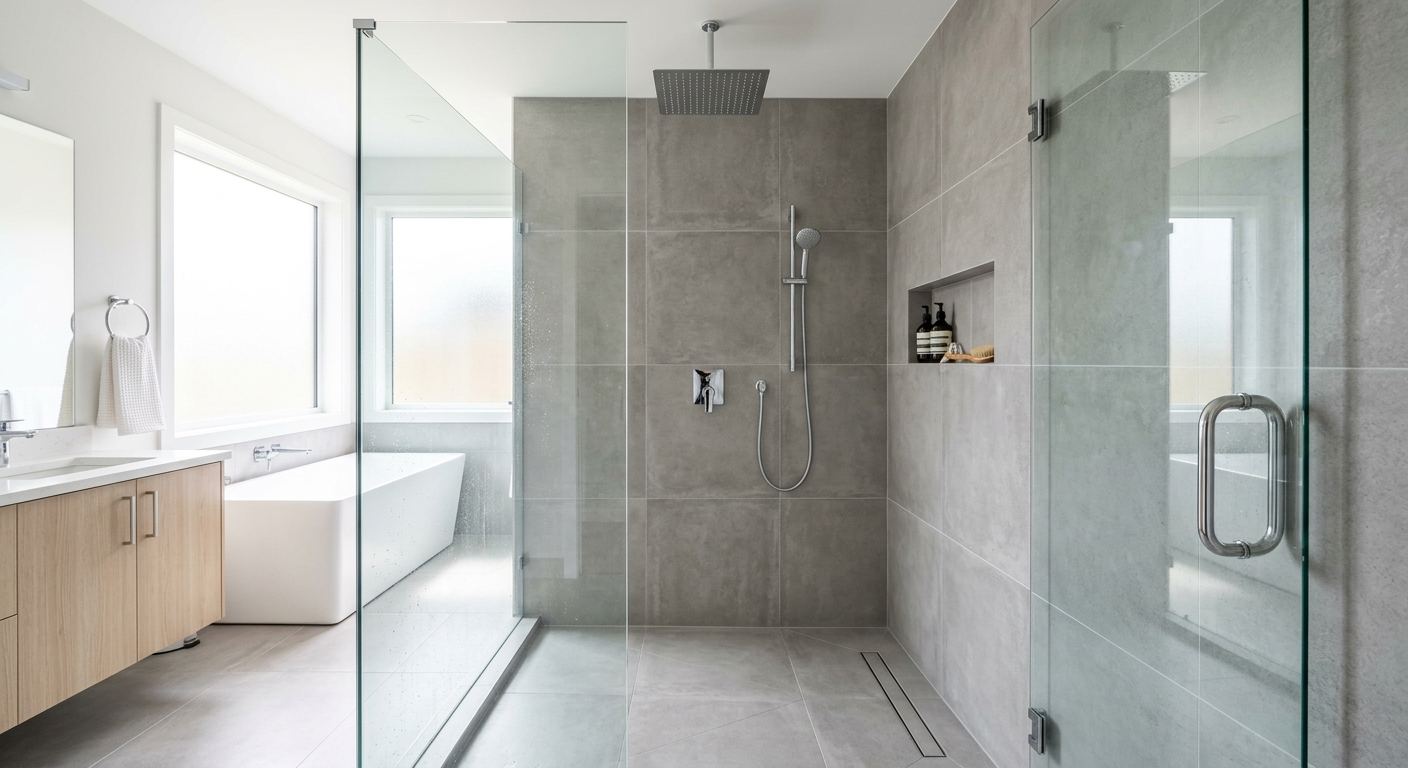
Bathroom renovation options and costs in Cove Cliff
In Cove Cliff, bathroom renovations are often budgeted based on what you want to change—not just how “nice” it looks. With Cove Cliff’s population at 1,778 residents (Statistics Canada, 2021 Census), many projects depend on the same small pool of local trades that service the Lower Mainland–Southwest, so scheduling can directly affect labour charges. The bigger driver is the area’s housing profile: Lower Mainland–Southwest is known for older, mid-century homes where dated plumbing layouts are common, and you may uncover issues like cast-iron drain sections, galvanized supply lines, or even asbestos-containing materials during demolition.
In this region, costs are shaped more by labour rates and the age of the housing stock than by weather extremes. Metro Vancouver and nearby communities like Surrey, Burnaby, Richmond and Abbotsford push up construction demand, so plumbers, tilers and electricians can be booked ahead of time. Once walls and floors open, it’s common for bathroom renos to expand into plumbing and venting upgrades to bring systems up to current British Columbia code. A good example is when a tub is replaced with a shower: the drain and waterproofing details must be correct, and the venting path may need review to avoid ongoing odours or slow drainage.
If you’re comparing options, start with a realistic range: a cosmetic refresh typically sits well below a full high-end renovation, while shower conversions and tile-only work still require specialist labour. From there, the table below helps you align your scope with Lower Mainland–Southwest pricing expectations for Cove Cliff.
| Renovation Scope |
What's Included |
Typical Duration |
Price Range |
| Cosmetic refresh (paint, fixtures, accessories only) |
Paint, vanity refresh or like-for-like swap, toilet/trim & accessories, re-caulk, lighting refresh (no relocation), deep clean and re-grout where needed |
3–7 days |
$3,000 – $9,000 |
| Mid-range full renovation (new tile, vanity, tub/shower, electrical) |
Demolition, waterproofing, floor + wall tile, new vanity, new tub or surround, new shower trim, exhaust fan upgrade, GFCI where required, basic electrical updates, disposal |
2–4 weeks |
$18,000 – $32,000 |
| High-end full renovation (custom tile, steam shower, heated floors) |
Design-focused layout, premium tile system, heated floors circuit, custom shower/steam package (where applicable), upgraded ventilation, recessed/vanity lighting design, niche(s), higher-end fixtures and hardware |
4–7 weeks |
$32,000 – $45,000 |
| Shower-only installation (convert tub to walk-in shower) |
Remove tub, rough-in review, new shower pan/floor slope, waterproofing system, floor + wall tile, new glass door or framed enclosure, new valve trim, exhaust fan checks/upgrade if required |
2–3 weeks |
$10,000 – $25,000 |
| Bathtub replacement or tub-liner install |
Remove existing tub, set new tub or install liner system (if layout allows), new caulking and trim, new fittings, subfloor check and spot patch if needed |
3–10 days |
$1,500 – $6,000 |
| Tile-only installation (floor + surround, existing layout kept) |
Tile removal limited to tile surfaces, prep and flattening, waterproofing to required wet areas, floor + shower surround tiling, grout and sealing where applicable |
1–2 weeks |
$2,000 – $8,000 |
Prices are estimates only and vary by project scope, site access and material selection.
What affects the price of bathroom renovation in Cove Cliff
Homeowners in the Lower Mainland–Southwest often see bathroom quotes swing by 30–50% for what looks like the same job. In practice, the biggest difference is labour rates (tilers, plumbers and electricians are in high demand) plus how quickly contractors can price the unknowns once the walls and floor are opened. Climate is less of a direct driver than you might expect; British Columbia’s moisture performance requirements exist everywhere in the Lower Mainland, and the real cost comes from meeting them correctly when older construction is uncovered.
For Cove Cliff, the age of local housing stock is a major factor. In many pre‑1980 homes, it’s common to find cast-iron or aging galvanized drain and supply components, and sometimes knob-and-tube wiring or dated electrical that requires upgrades to safely support bathroom outlets and ventilation. Venting that’s inadequate today can lead to moisture issues, and correcting it can expand scope beyond “just new tile.” During demolition, asbestos-containing materials may also appear in older floor tile or drywall compound (especially pre‑1985 construction), triggering abatement protocols that can add about $1,500–$5,000+ to the overall budget.
Two concrete examples that change the number fast: (1) converting a tub to a walk-in shower often adds extra work for the drain rough-in and slope changes—pushing a “shower-only” project toward the upper end of the $8,000–$25,000 range; (2) replacing only visible surfaces but discovering an out-of-level subfloor may require flattening and additional waterproofing prep. If your goal is a mid-range full renovation, the $18,000–$32,000 band is where most homeowners land after allowances for plumbing/venting review. If you choose heated floors and custom tile detailing, budgets commonly move toward $32,000–$45,000.
| Price Factor |
Why It Matters |
Cost Impact |
| Layout change — moving drain or supply lines |
Requires plumbing rough-in, potential venting review, and wall/floor opening |
Often adds several thousand dollars to the project total |
| Tile selection — large-format porcelain vs. mosaic vs. ceramic |
Complex cuts, stability requirements, and higher material waste |
Can move you from the lower tile-only range toward the upper end |
| Fixture tier — builder-grade vs. mid-range vs. designer brands |
Higher-end trims, valves, shower systems, and warranties cost more |
May increase fixture budget substantially, even if layout stays the same |
| Subfloor condition — rot or unlevel concrete adds scope |
Needs prep, structural fixes, and sometimes additional underlayment |
Can add time and trades, pushing renovation toward higher bands |
| Electrical — adding GFCI outlets, exhaust fan, heated floor circuit |
Bathrooms require safe protected circuits and properly vented fans |
Often increases electrician hours and permitted work |
| Waterproofing method — membrane type and extent |
Better systems reduce risk of leaks and costly repairs later |
Upfront material/labour increases, usually cheaper than future remediation |
| Older-home surprises — asbestos tile, cast-iron drains, galvanized pipes |
Discovery triggers abatement, extra demo, and replacement of compromised components |
Commonly adds budget for remediation and additional plumbing work |
| Bathroom size — sq ft drives tile and labour time directly |
More area means more tile, thinset, waterproofing, and setting time |
Smaller bathrooms typically land closer to the low end of price bands |
Permits & regulations in British Columbia
In British Columbia, many cosmetic bathroom updates can be completed without permits, but anything involving plumbing rough-ins, electrical changes, or structural alterations typically moves into permitted work. Swapping fixtures in place—like replacing a vanity, toilet, trim, or retiling where the layout and plumbing connections do not change—often does not require a permit. However, if you relocate plumbing (for example, moving a drain location, changing a valve position that requires new supply lines, or altering venting pathways), you should expect permits and inspections for the plumbing scope.
Electrical work also follows specific rules in BC: adding or relocating circuits, installing a new exhaust fan with wiring changes, adding heated floor circuits, or changing where GFCI-protected outlets go must be done by a licensed electrician and either inspected or signed off through the appropriate process. Any work that touches the wet-area safety requirements is not a DIY area.
To verify a contractor in Cove Cliff step-by-step, do the following: (1) confirm the contractor’s British Columbia trade licence/credentials through the relevant online registry for their trade category (your contractor should provide their licence number); (2) request a certificate of liability insurance and confirm the policy is active for the project period; (3) ask about workers’ compensation coverage (WCB) in the documentation they provide—subcontractors should show their own coverage as applicable; (4) obtain the clearance letter or evidence they provide to you, and keep copies with your signed contract.
If a contractor can’t provide licence and insurance documentation upfront, pause and ask for it before you approve any scheduling or deposits.
Choosing tile, waterproofing and fixtures for your Cove Cliff bathroom
In a Cove Cliff bathroom renovation, three material decisions usually determine whether you land in the mid-range band or the premium range: tile choice, waterproofing system, and fixture tier. First, tile selection: ceramic is typically the entry-level option and can work well in a simple layout, but it often has a shorter “look for longer” payoff when trends shift. Porcelain generally performs better for floors because it’s denser, and it’s easier to match for shower walls and floors. Natural stone (marble, travertine, slate) looks exceptional, but it needs thoughtful sealing and careful installation to manage movement and staining.
Second, waterproofing method. In the Lower Mainland–Southwest, bathrooms face daily humidity loads year-round, so mould prevention is about building the envelope correctly: a paint-on membrane can be fine for some smaller wall applications, but many homeowners benefit from a bonded sheet membrane or a proven integrated system that includes proper overlaps at seams and transitions. Third, fixture tier: builder-grade fixtures can save money, while mid-range or designer brands often justify the cost through smoother valves, better shower trim compatibility, and longevity—plus better resale appeal.
For a practical example, moving from basic tile to porcelain plus a stronger waterproofing setup might add a few thousand dollars, but it can be worth it when you’re already doing a full demolition. If you’re only doing tile-only work (keeping the tub/shower configuration), you can sometimes keep costs controlled by selecting porcelain within the same size and colour family to reduce labour complexity.
| Material / Option |
Pros |
Cons |
Price Range |
| Ceramic tile (floor + walls) |
Entry-level cost, wide style selection, good appearance for budgets |
May be less robust for floors than porcelain; can require careful selection for slip resistance |
$2,000 – $4,500 |
| Porcelain tile (floor + walls) |
Durable for wet areas, consistent manufacturing, better long-term performance for floors |
Higher material cost; complex patterns increase labour and waste |
$4,000 – $8,000 |
| Natural stone (marble, travertine, slate) |
Premium look, unique veining and depth, strong resale appeal when done right |
Needs sealing/maintenance planning; can be more challenging to install and keep uniform |
$6,000 – $15,000 |
| Frameless glass shower enclosure |
Modern, bright feel; easy to clean when installed with correct alignment |
More expensive; requires precise tiling/structural squareness |
$1,800 – $6,000 |
| Prefab tub surround (acrylic) |
Fast install; fewer tile-setting variables; good value when layout is staying put |
Less “designer” appearance than custom tile; limited styling options |
$600 – $2,500 |
| Custom shower pan (tile or linear drain) |
Best look-and-feel integration; linear drains can improve visual continuity and drainage |
More labour-intensive waterproofing and floor slope work |
$2,500 – $9,000 |
How to choose a bathroom renovation contractor in Cove Cliff
Choosing the right bathroom contractor in Cove Cliff means verifying credentials before you approve the quote. Start by confirming the contractor’s British Columbia trade licensing for the scopes they will lead (plumbing/electrical where applicable) and request proof of liability insurance with a current certificate showing coverage for the project period. Next, confirm workers’ compensation coverage (WCB) for the contractor and any subcontractors they use; ask for documentation such as coverage evidence or a clearance letter where provided. If they can’t produce these items, you’re taking on unnecessary risk.
When you request quotes, insist on 2–3 itemised written estimates. You want labour and materials broken out so you can compare like-for-like: demolition, disposal, waterproofing materials, tile supply allowances, fixtures, electrical scope, and whether permits are included. Carefully read exclusions: for example, is subfloor repair included if the installer finds rot or unlevel framing? Is asbestos testing/abatement included if older materials are uncovered? Also check disposal—dump fees and haul-away are frequently missed.
For warranty, ask for two parts: workmanship coverage (how long labour is guaranteed) and manufacturer warranties on products. Clarify whether warranties are transferable to you if you sell. On payment schedule, never pay more than 10–15% upfront. Use a holdback until the job is complete and verified. Finally, get the start date and a completion estimate in writing, including key milestones like rough-in, waterproofing sign-off, tile setting, and final trim.
- Ask for the contractor’s BC trade licence numbers and confirm they match the scopes in the quote.
- Request certificate of liability insurance and verify it covers the renovation type and project dates.
- Confirm WCB coverage for the contractor and require subcontractors to provide evidence too.
- Get itemised quotes (labour + materials), not one lump-sum number.
- Ensure waterproofing method is specified (membrane type and how far it’s applied).
- Confirm permit responsibility: is pulling permits included or an extra line item?
- Confirm disposal/haul-away is included, including demolition debris.
- Ask who handles fixture lead times (especially shower valves, glass doors, and heated floors).
- Review the scope for exclusions: subfloor repairs, drywall patching, leveling, and drywall texture matching.
- Ask for a schedule that includes curing times for membranes/setting materials.
- Request product model numbers (vanity, toilet, shower valve/trim, fan) so substitutions are controlled.
- Put the warranty details in writing, including length and what triggers service calls.
Red flags I see in Cove Cliff include: contractors who won’t provide licence and insurance documentation, quotes that omit waterproofing specifics, “cheap” tile-only pricing that doesn’t include prep/flattening, payment requests that exceed 10–15% upfront without a contract holdback, and vague timelines that don’t include curing periods and inspection/permit milestones.
Frequently asked questions — bathroom renovation in Cove Cliff
Can I keep my existing plumbing layout to save money?
Yes—keeping the plumbing layout is one of the fastest ways to protect your budget in British Columbia. If the toilet location, shower/tub valve position, and drain rough-in stay the same, you usually reduce the need for wall/floor openings and permit-driven rough-in changes. In the Lower Mainland–Southwest, labour and skilled-trade availability are often the main cost drivers, so minimizing plumbing rework helps keep your schedule predictable. Many homeowners land in the mid-range full renovation band (for example, $18,000 – $32,000) by redoing finishes while avoiding major re-plumbing. Still, in older Cove Cliff homes, a layout you keep may reveal galvanized supply or aging drains once surfaces are removed.
How much does a walk-in shower cost in Cove Cliff?
In Cove Cliff, a tub-to-walk-in shower conversion typically follows the regional shower installation band of $8,000 – $25,000. Where you land depends on whether the drain and valve positions change, what waterproofing system is used, and whether you’re adding glass enclosure components. If your subfloor is out of level or the existing drain needs replacement (common in older mid-century homes), the project can move toward the upper end. For a practical target, many homeowners budget closer to the middle of the range when they’re installing new tile, a proper shower pan, and upgrading exhaust ventilation where needed.
What's the ROI on a bathroom renovation?
Bathroom renovations can improve day-to-day value and resale appeal, but “ROI” depends heavily on what you change. In the Lower Mainland–Southwest, buyers often pay attention to waterproofing quality, ventilation, and the condition of plumbing and electrical, not just surface finishes. A cosmetic refresh can boost satisfaction quickly, but ROI is strongest when the renovation addresses functional issues—like old venting, aging drains, or dated electrical. If you’re doing a full renovation, a mid-range scope (commonly $18,000 – $32,000) often aligns with what many buyers expect in updated turn-key homes. High-end upgrades can be beautiful, but they should match the home’s overall level and your target buyer pool in British Columbia.
Do I need waterproofing behind the tile?
For shower areas and wet zones, waterproofing behind tile is strongly recommended and is standard practice in British Columbia bathroom builds. It’s the layer that protects your framing and subfloor from moisture-driven mould and deterioration. In Cove Cliff, where bathrooms run daily in a humid coastal climate, good waterproofing matters because failures are expensive to correct after the tile is installed. If you’re doing tile-only work or a full renovation, ask your contractor to specify the waterproofing method and coverage (how far it wraps walls, how seams are treated, and how penetrations are sealed). Cutting corners here is one of the most common ways budgets become unpredictable later.
How do I compare bathroom renovation quotes?
Compare quotes like a contractor: line-by-line, not by the total. In Cove Cliff and the Lower Mainland–Southwest, two quotes that both say “new tile and vanity” can differ dramatically in waterproofing specs, electrical scope (GFCI, fan, heated floors circuit), and whether permit pulling and disposal are included. Ask for itemised breakdowns for labour and materials, including tile allowances (size and grade), fixture model numbers, and whether subfloor flattening/repairs are included. Also confirm the warranty details and the payment schedule. A quote that’s lower but excludes waterproofing membranes, or leaves out potential asbestos/older-home contingency steps, often costs more once problems are found behind the walls.
Can I live at home during a bathroom renovation in Cove Cliff?
Often you can, but it depends on bathroom location, the scope, and how soon you can get to a “usable” phase. For cosmetic refreshes or a short tile-only job, many homeowners stay in the home with minimal disruption. For mid-range full renovations, where you’ll be doing demolition, plumbing adjustments, waterproofing work, and electrical updates, plan for limited bathroom access. If your renovation includes converting a tub to a shower or moving plumbing, the bathroom may be unusable for a couple of weeks. In British Columbia, moisture control is critical—so your contractor should protect work areas with proper containment and sequencing. If you do stay, confirm the dust control plan, interim access, and disposal logistics in the written timeline.