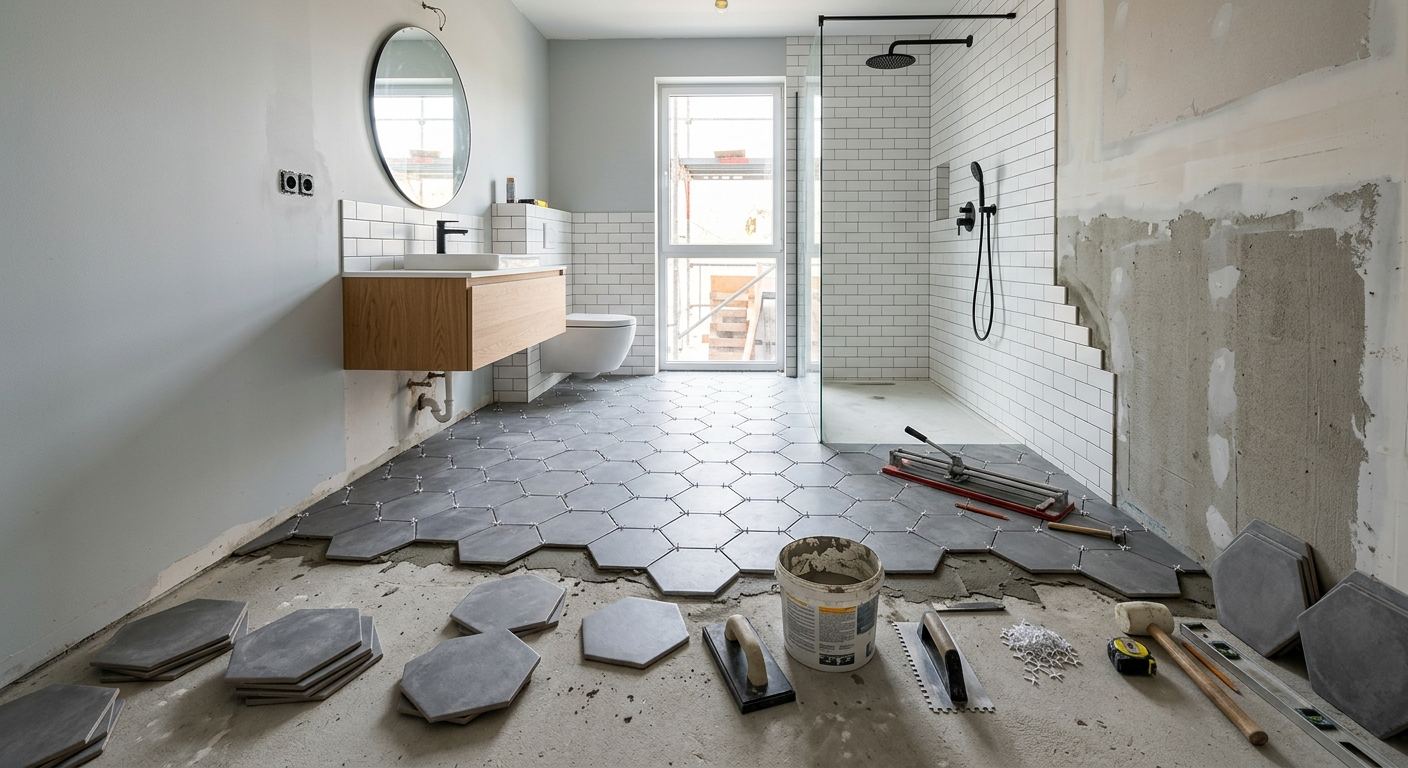
Bathroom renovation options and costs in East Hastings
Bathroom renovation options in East Hastings typically start with a clear choice of scope, because in older housing areas around the community, dated plumbing layouts and concealed issues are common. With the City’s population at 80,740 (Statistics Canada, 2021 Census), demand is steady for trades, and that helps drive consistent scheduling—but it also means contractors are busiest when multiple projects open up at once. In pre-1980 homes, you may encounter older galvanized or cast-iron drainage and the kind of asbestos-containing materials that occasionally show up in floor tile or drywall compound, which can expand a “simple refresh” into a full remediation.
In the Lower Mainland–Southwest region, bathroom costs are shaped more by regional labour rates and the age of local housing stock than by coastal climate swings. Metro Vancouver-area plumbers, tilers, and electricians often have higher day rates, and once walls and floors are opened, it’s common to upgrade venting and bring plumbing and electrical practices up to current British Columbia code. That’s why two homeowners with similar bathrooms can see meaningful differences: one discovers a straightforward tub/shower swap, while another finds a corroded drain stack or inadequate ventilation that must be corrected for long-term performance.
In East Hastings, trades are often especially in demand in/near the Main Street–Broadway corridor, where older mid-century buildings and ground-level suites create frequent bathroom turnarounds. Use the budget ranges below to compare your options, then we can tighten the scope based on what’s behind the walls.
| Renovation Scope |
What's Included |
Typical Duration |
Price Range |
| Cosmetic refresh (paint, fixtures, accessories only) |
Fresh paint, tap/handle swaps, vanity top or vanity replacement (no plumbing relocation), lighting refresh, mirror/accessories; existing tile kept |
3–7 days |
$3,000–$9,000 |
| Mid-range full renovation (new tile, vanity, tub/shower, electrical) |
Demo and disposal, waterproofing, new floor + surround tile, vanity, tub/shower, new exhaust fan, GFCI upgrade as needed, basic electrical updates, minor plumbing adjustments |
2–4 weeks |
$18,000–$30,000 |
| High-end full renovation (custom tile, steam shower, heated floors) |
Custom waterproofed shower/tub system, premium tile (larger formats/more labour), heated floor circuit, designer fixtures, upgraded exhaust/venting, possible plumbing rough-in improvements |
4–6 weeks |
$30,000–$45,000 |
| Shower-only installation (convert tub to walk-in shower) |
Remove tub, install walk-in shower pan system, tile walls/floor, waterproofing, glass enclosure allowance, new valve trims, ventilation check |
2–3 weeks |
$12,000–$25,000 |
| Bathtub replacement or tub-liner install |
Remove and replace tub OR install tub liner (where substrate condition allows), new valve trim, sealant and finishing, basic water leak checks |
2–7 days |
$1,500–$6,000 |
| Tile-only installation (floor + surround, existing layout kept) |
Tile demo and install only (no relocation), backer/waterproofing prep, new floor + shower surround, grout/seal, finishing; existing rough-in stays |
1–3 weeks |
$2,000–$8,000 |
Prices are estimates only and vary by project scope, site access and material selection.
What affects the price of bathroom renovation in East Hastings
In East Hastings and across the Lower Mainland–Southwest region, it’s common to see quotes for the “same” bathroom differ by 30–50%. The biggest drivers aren’t the coastal conditions—they’re regional labour rates and what the contractor finds in the existing walls and floors. Compared with other parts of British Columbia, Lower Mainland demand for skilled trades is higher, so plumber, electrician, and tile labour often costs more per day and schedules are tighter. At the same time, older housing stock in the region means hidden failures are more frequent: cast-iron or ageing drain stacks, galvanized supply lines, and ventilation that doesn’t meet today’s expectations once fans and ducting are evaluated.
Older-home surprises are a major budget swing. If asbestos-containing materials are discovered in pre-1985 floor tile, drywall compound, or insulation materials, the job typically needs abatement steps and extra protection/controls—often adding $1,500–$5,000+ to the overall budget depending on the affected area and how much is removed. Also, if you’re converting a tub to a shower, the plumbing and waterproofing scope can increase quickly, especially when rough-in locations don’t match modern shower valve configurations.
Two concrete local examples: (1) a bathroom with an undersized exhaust route may require venting changes, turning a mid-range job in the $18,000–$30,000 band into a higher-scope renovation; (2) if your subfloor is badly out of level, tile preparation and backer/waterproofing labour can push you toward the $30,000–$45,000 range due to added materials and time. Good discovery work early—camera inspection of drains, moisture assessment, and electrical/panel checks—can prevent those upgrades from becoming budget shocks.
| Price Factor |
Why It Matters |
Cost Impact |
| Layout change — moving drain or supply lines requires rough-in work |
Relocation triggers demolition, new piping/valves, and often permit/inspection steps |
Often +10–25% vs. keeping plumbing in place |
| Tile selection — large-format porcelain vs. mosaic vs. ceramic |
Harder tile needs more skill for cuts, level control, and patterning; larger formats demand flatter substrates |
Typically +$1,000–$6,000 depending on size and quantity |
| Fixture tier — builder-grade vs. mid-range vs. designer brands |
Higher-end valves, shower trims, and vanities cost more and may require upgraded trim sets/valves |
Can change a full renovation by $2,000–$8,000+ |
| Subfloor condition — rot or unlevel concrete adds scope |
Correcting movement/deflection improves waterproofing and tile success; repairs add labour and membranes |
Often +$1,000–$5,000+ |
| Electrical — adding GFCI outlets, exhaust fan, heated floor circuit |
Bathroom code requirements increase the number of electrical tie-ins, testing, and permit steps |
Commonly +$500–$3,500 |
| Waterproofing method — membrane type and extent |
Better systems (full coverage behind tile and correct transitions) cost more but reduce leak risk in humid conditions |
Typically +$800–$4,000 |
| Older-home surprises — asbestos tile, cast-iron drains, galvanized pipes |
Remediation, new piping, and additional inspections expand time and materials |
Can add +$1,500–$10,000+ depending on findings |
| Bathroom size — sq ft drives tile and labour time directly |
More area means more waterproofing, thinset/grout, and install time |
Small bathrooms can be deceptively expensive; +$2,000–$12,000 as size grows |
Permits & regulations in British Columbia
In British Columbia, cosmetic updates usually don’t require a permit—so swapping fixtures, replacing a vanity top, repainting, or retiling without moving plumbing lines is typically handled as a renovation scope rather than a permitted alteration. However, permits can be required when you change plumbing locations, add or modify electrical circuits, or make structural changes that affect framing or load paths. For example, relocating a drain or supply line, adding a new exhaust fan that requires new wiring and ducting work, or making changes to wet-area layouts generally triggers permit/inspection steps. Electrical work must comply with provincial electrical code and be completed or signed off by a licensed electrician.
To verify compliance in East Hastings, follow a simple checklist. First, ask the contractor for their British Columbia trade licence details (and the licence number) and confirm it matches the firm doing the work. Second, request a certificate of insurance showing general liability coverage (and ensure the contractor’s name matches the quote and invoice). Third, confirm the contractor has workers’ compensation coverage for their employees—this matters for homeowner risk and should be documented before work starts. If you’re using a subcontracted plumber or electrician, ensure their licence and insurance are provided as well.
Step-by-step: collect licence details and insurance certificates, match names to the written contract, and keep copies. Then confirm which scopes will be permitted (often plumbing rough-in changes and electrical circuit additions), so inspections aren’t left as assumptions.
Choosing tile, waterproofing and fixtures for your East Hastings bathroom
Choosing tile, waterproofing, and fixtures is where East Hastings homeowners can best control both performance and budget—without risking long-term mould problems in British Columbia’s wet-but-not-freezing coastal climate. The first decision is tile type. Entry-level ceramic can work for straightforward layouts, but it’s less forgiving in complex cutting and can demand more labour to achieve a crisp, even finish. Porcelain is often the sweet spot for mid-range renos because it’s denser and handles floor traffic better. Natural stone (marble, travertine, slate) looks premium, but it requires more careful installation and sealing to keep staining and moisture issues under control.
Second is waterproofing. In Lower Mainland–Southwest bathrooms, a correct system matters more than brand names. A paint-on membrane can be fine for some assemblies, but many homeowners prefer a bonded sheet membrane or a reliable shower-system approach that includes proper detailing at corners, niches, and transitions. This reduces the risk of hidden leaks behind tile—especially around shower benches and valve penetrations.
Third is fixture tier. Builder-grade fixtures can keep you in the $18,000–$30,000 mid-range band, while designer shower trims and steam-ready components are what push projects toward the $30,000–$45,000 end. For example, spending an extra $2,500 on upgraded valve trim and a higher-quality waterproofing kit is usually justified if you’re already opening walls and paying for labour; it’s less justified if you’re only doing a cosmetic refresh.
Match materials to your actual scope: if plumbing is staying put and layout is simple, you can allocate more of the budget to tile quality and glass. If plumbing and venting are being upgraded, focus on waterproofing and leak prevention first, then upgrade finishes.
| Material / Option |
Pros |
Cons |
Price Range |
| Ceramic tile (floor + walls) |
Good look for the cost, widely available colours; easier to source in common sizes |
Can be less durable for floors than porcelain; more prone to chipping if substrates aren’t prepared well |
$2,000–$5,000 |
| Porcelain tile (floor + walls) |
Durable for wet-area floors; more consistent finish; ideal for larger formats |
More expensive materials and demands a very level substrate for best results |
$4,000–$8,000 |
| Natural stone (marble, travertine, slate) |
High-end appearance and depth; adds resale appeal when installed carefully |
Higher material and handling cost; sealing and maintenance matter; more layout tolerances required |
$7,000–$14,000 |
| Frameless glass shower enclosure |
Modern, makes small bathrooms feel bigger; simpler cleaning than many framed units |
Requires precise framing/wall prep; can be harder to retrofit if walls are out of square |
$2,000–$6,000 |
| Prefab tub surround (acrylic) |
Fast install; less tile labour; good for budget-friendly tub updates |
Fewer design options than tile; seams require good sealing; may not match premium aesthetics |
$1,500–$3,500 |
| Custom shower pan (tile or linear drain) |
Best performance when detailed correctly; linear drain improves slope/visuals; easier for accessibility |
More labour and waterproofing time; requires accurate slope and drain placement |
$3,000–$10,000 |
How to choose a bathroom renovation contractor in East Hastings
Choosing the right contractor in East Hastings starts with verifying they’re qualified for the scopes your bathroom needs. In British Columbia, ask for proof that the contractor’s relevant trade licence applies to the work they’ll perform (and confirm the company name on the licence matches the quote). Request general liability insurance documents and confirm the policy is active for the project dates. For labourers and subcontractors working on your home, confirm workers’ compensation coverage is in place—don’t accept “we’re covered” without paperwork.
Next, get 2–3 itemised written quotes. You want a breakdown separating labour and materials, and clearly listing line items such as demolition/disposal, waterproofing method, tile supply allowance, labour for tile setting, exhaust fan supply, plumbing rough-in changes, and any permitted electrical/plumbing work. A quote that’s only a lump sum makes it hard to compare apples-to-apples.
Read the scope carefully for exclusions: disposal included or not, permit pull included or extra, subfloor remediation included or a separate line, and whether any asbestos/mould discovery is handled with an agreed process. Ask about warranty: there should be a workmanship warranty covering installation (often around wet-area assemblies), plus separate product/manufacturer warranties for fixtures and tile accessories. Clarify whether warranties are transferable if you sell.
Payment schedule should be controlled—avoid paying more than about 10–15% upfront. Hold back a portion until the job is complete and defect checks are done, and confirm timeline details (start date and completion estimate) in writing.
- Ask for BC licence details and confirm the licence applies to their trade scope.
- Request certificate of insurance and verify the insured name matches the contractor/quote.
- Confirm workers’ compensation coverage for employees (request documentation).
- Get itemised quotes: labour vs materials, and a clear waterproofing and tile scope.
- Confirm whether permit pull, inspections, and any required drawings are included.
- Ask who is responsible for disposal/hauling and whether it’s in the price.
- Verify the exact waterproofing method (membrane type and where it’s applied).
- Request a realistic tile prep plan for your subfloor condition (leveling/backer).
- Confirm electrical scope: GFCI outlets, exhaust fan wiring, and circuit work.
- Ask about plumbing scope: will drain venting and shutoffs be inspected/upgraded?
- Clarify warranty length for workmanship and whether it covers wet-area failures.
- Use a payment schedule with a small deposit and a holdback until punch list is done.
Red flags to watch for: (1) quotes with no waterproofing line item or unclear shower leak-testing steps; (2) “we’ll handle permits later” or vague statements like “permits if needed” without cost responsibility; (3) asking for large upfront payments (beyond 10–15%); (4) no written start/end timeline; (5) no proof of licence/insurance/coverage when requested. In a wet-area renovation, unclear scope is the fastest path to cost overruns in East Hastings.
Frequently asked questions — bathroom renovation in East Hastings
How do I plan a bathroom renovation on a tight budget in East Hastings?
Start by limiting change to what actually moves cost. In East Hastings, a cosmetic refresh can be a practical first step if plumbing stays put (think paint, fixtures, and accessories), while a tile-heavy renovation is where budgets usually jump. If you need a full update but want predictability, keep the layout and focus on waterproofing and a durable tile choice—this avoids surprise drain/supply work that’s common in older mid-century homes. You can often keep your plan closer to the $18,000–$30,000 mid-range band by choosing porcelain tile in simpler patterns and selecting mid-range fixtures instead of designer trims. Build in contingency for older-home discoveries (for example, ventilation upgrades or unexpected drain conditions).
What's the difference between a cosmetic and a full bathroom renovation?
A cosmetic renovation is mostly surface-level changes: paint, fixture swaps, vanity/accessory replacement, and sometimes re-caulking and minor lighting updates—typically without opening walls or changing plumbing rough-ins. A full bathroom renovation generally includes demo, new waterproofing, new tile (floor and walls), and often updates to electrical and plumbing to match current British Columbia expectations for wet-area safety and ventilation. In the Lower Mainland–Southwest region, “cosmetic” can still uncover issues once surfaces are disturbed in older homes, but the scope is usually easier to control than a full gut. If you’re comparing budgets, a full renovation commonly fits the $18,000–$45,000 bands, while cosmetic refreshes are usually far lower.
How do I choose the right contractor for my bathroom in East Hastings?
Choose a contractor who is specific about scope, not just price. In British Columbia, confirm their relevant trade licence information and request proof of general liability insurance before work starts. Also ask for workers’ compensation coverage documentation for their employees. Next, compare 2–3 itemised written quotes—labour vs materials—with clear lines for demolition/disposal, waterproofing method, tile prep/leveling, exhaust fan work, and any permit involvement. A good contractor will explain what’s included and what would be extra if hidden problems are found (like older drain stacks or ventilation that needs upgrading). Finally, make sure workmanship warranty terms are stated in writing and that the payment schedule is reasonable (small deposit, holdback until punch list is complete).
What's the most common mistake homeowners make in bathroom renovations?
The most common mistake is under-scoping the wet-area system—especially waterproofing and ventilation—while focusing only on finishes. Homeowners may choose beautiful tile or fixtures but leave vague assumptions about the membrane type, transitions, or exhaust fan performance. In British Columbia’s humid coastal environment, that can lead to mouldy grout lines, odours, and costly tear-outs if leaks occur behind walls. Another frequent error in East Hastings older homes is failing to plan for plumbing and electrical upgrades once walls and floors are opened. If asbestos-containing materials are discovered during demo in older pre-1985 assemblies, remediation protocols can add cost—so you need contingency and a clear discovery process in advance.
How long does tile installation take in a East Hastings bathroom?
Tile timing depends on bathroom size, tile choice, and how much prep is required. In East Hastings, a straightforward tile-only installation (keeping layout, addressing minor prep) might take about 1–3 weeks total including prep, waterproofing steps where required, setting, grouting, and finishing. If the subfloor is out of level or repairs are needed, the schedule can extend due to backer/leveling work before tile goes on. Porcelain in larger formats usually takes longer to set cleanly because it requires flatter substrates and careful layout. Your contractor should provide a schedule tied to material lead times and show when waterproofing prep and cure times happen, so you’re not surprised by the project timeline.
How much does a bathroom renovation cost in East Hastings?
Realistic bathroom renovation costs in East Hastings generally fall within the local Lower Mainland–Southwest price bands, with labour and older housing conditions driving the biggest differences. A cosmetic refresh (fixtures/accessories only) is often much lower, while a full bathroom renovation commonly fits $18,000–$45,000 depending on tile complexity, electrical scope, and whether you need plumbing/venting upgrades. If you’re converting a tub to a walk-in shower, shower-only projects often land around $8,000–$25,000 once waterproofing and enclosure details are included. If you want to keep costs predictable, get an inspection and early discussion about potential older-home surprises like cast-iron drains, galvanized supplies, or asbestos-containing materials, so your quote reflects likely scope rather than wishful assumptions.