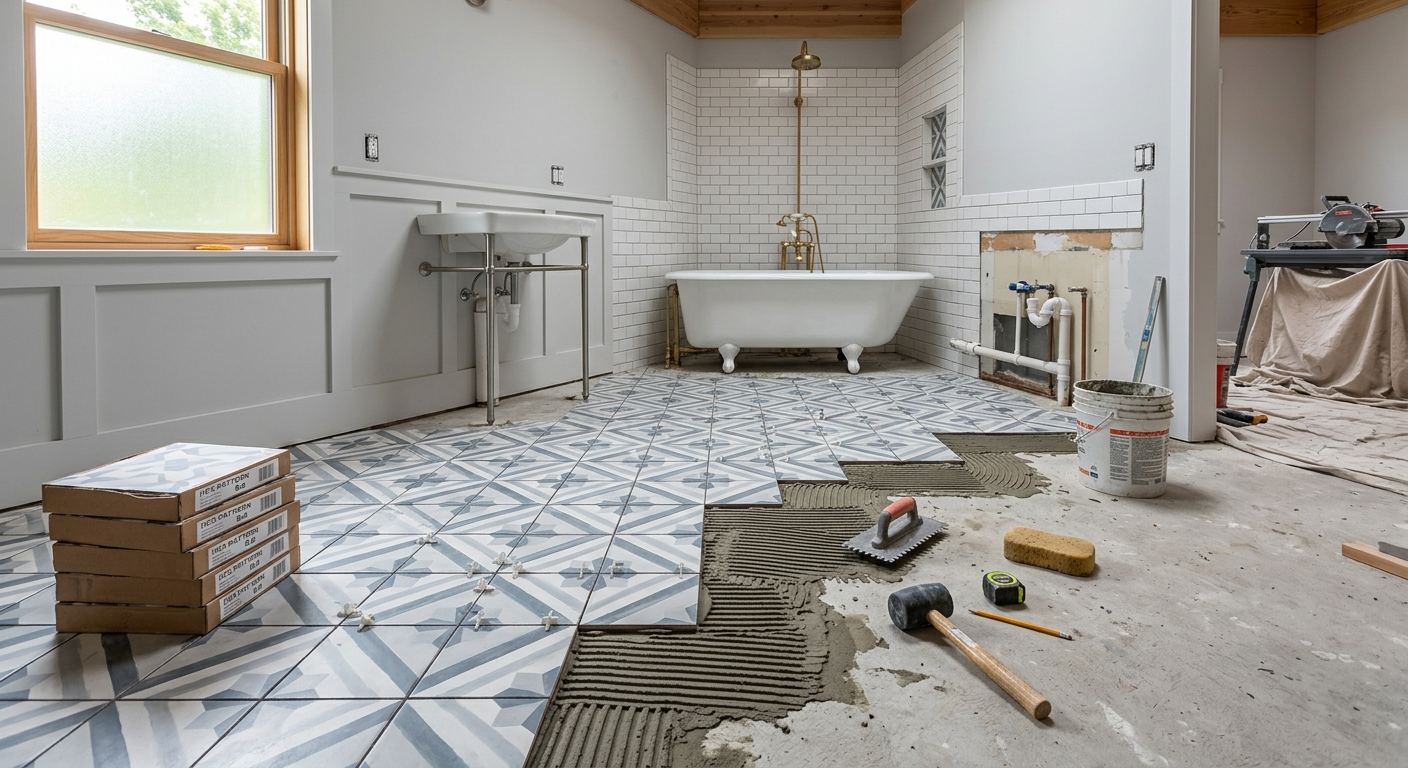
Bathroom renovation options and costs in Seaview
Seaview bathroom renovations often start with one big decision: how much change you want, and how quickly you want it. With a population of 3,236 (Statistics Canada, 2021 Census), Seaview is small enough that contractor scheduling can matter, especially for tilers and licensed trades. Just as important, much of the housing stock in the Lower Mainland–Southwest tends to be older—meaning dated layouts and higher chances of hidden surprises like aging drainage and legacy wiring paths. In pre‑1980 homes, it’s common to uncover issues such as cast‑iron or galvanized piping, and sometimes asbestos-containing materials in older floor tile or drywall compound. When walls and floors come open, those findings can expand scope beyond a simple refresh.
In the Lower Mainland–Southwest region, labour rates and housing age are the main cost drivers for bathroom work, more than day-to-day climate. Metro Vancouver’s demand for plumbers, electricians, and tilers keeps rates elevated and makes timelines tighter. Also, once you open a bathroom, venting and waterproofing details frequently need to be brought up to current British Columbia expectations—so modest renos can grow into plumbing and venting upgrades.
In Seaview, this trade demand tends to concentrate where turnover is higher—around the older residential pockets near the town’s core services and multi-unit streets—so you may see pricing and lead times shift based on the season. Use the table below to compare realistic options for your scope and budget, then we can tighten the numbers with a site check.
| Renovation Scope |
What's Included |
Typical Duration |
Price Range |
| Cosmetic refresh (paint, fixtures, accessories only) |
Paint, replace vanity light/sink fixtures, toilet or faucet swap, mirror/accessories, caulking touch-ups; no tile removal |
3–7 days |
$4,500–$10,000 |
| Mid-range full renovation (new tile, vanity, tub/shower, electrical) |
Demo and rebuild, new tile floor and surround, vanity, toilet, tub/shower refresh, exhaust fan upgrade, basic electrical allowance, waterproofing, disposal |
2–4 weeks |
$18,000–$34,000 |
| High-end full renovation (custom tile, steam shower, heated floors) |
Custom tile work, premium waterproofing system, heated floor circuit, frameless glass, steam shower or premium shower system, designer vanity hardware, deeper electrical scope |
4–7 weeks |
$34,000–$45,000 |
| Shower-only installation (convert tub to walk-in shower) |
Remove tub, install new shower pan (tile or linear drain allowance), waterproofing, new tile surround, glass door, revised plumbing tie-in as needed, exhaust fan/venting check |
2–3 weeks |
$12,000–$25,000 |
| Bathtub replacement or tub-liner install |
Remove and set new tub (or liner system), retile/trim around tub, new caulking and finishes, basic plumbing reconnect as required |
5–12 days |
$2,500–$6,000 |
| Tile-only installation (floor + surround, existing layout kept) |
Tile removal and replacement, waterproofing and grout work, renew shower/tub surround surfaces, starter electrical allowance if a new exhaust fan is added (if quoted) |
1–2.5 weeks |
$6,000–$20,000 |
Prices are estimates only and vary by project scope, site access and material selection.
What affects the price of bathroom renovation in Seaview
In Seaview and across the Lower Mainland–Southwest, it’s very common to see quotes for the “same” bathroom swing by 30–50%. The two biggest reasons aren’t the bathtub style or the tile colour—they’re regional labour rates and the age of the housing stock. Lower Mainland trades typically cost more due to steady demand and tighter availability of skilled plumbers, tilers and electricians. Add that many bathrooms in older neighbourhoods sit inside dated walls and floors, and you get more time spent on discovery, inspection prep and rework. That’s why a cosmetic plan can be inexpensive, but once you open floors and walls, mid-range full renovations often land closer to the regional full-bath bands (for example, $18,000–$34,000) and higher-end scopes approach $45,000.
Older homes in this region frequently hide cast-iron or galvanized drain components, outdated copper supply lines, and sometimes insufficient ventilation. That can inflate scope quickly because you’re not just tiling—you may be upgrading venting, re-routing drains for slope, and changing rough-in details to match current expectations. If discovery reveals asbestos-containing materials (more commonly seen in pre‑1985 homes), abatement adds a meaningful budget line, often in the $1,500–$5,000+ range depending on extent and containment requirements.
Concrete Seaview examples: (1) a small bathroom with a slow drain becomes a larger plumbing job once we confirm the slope and pipe condition behind the wall; (2) an exhaust fan retrofit sometimes requires additional electrical and ducting changes; (3) replacing large-format tile can cost less per square foot in materials but more in labour because the substrate needs extra prep to avoid lippage—especially in older, uneven subfloors. Those are the local “hidden drivers” that shift final cost.
| Price Factor |
Why It Matters |
Cost Impact |
| Layout change — moving drain or supply lines requires rough-in work |
More labour time, more wall opening, and more plumbing work to re-establish proper slopes and connections |
Often +$3,000–$10,000 |
| Tile selection — large-format porcelain vs. mosaic vs. ceramic |
Harder cuts, substrate prep, and higher labour for complex patterns and premium formats |
Often +$1,500–$6,000 |
| Fixture tier — builder-grade vs. mid-range vs. designer brands |
Material price differences plus compatibility work (taps, trims, rough-in standards) |
Often +$800–$4,000 |
| Subfloor condition — rot or unlevel concrete adds scope |
May require plywood repair, self-levelling, membrane changes, and extra waterproofing layers |
Often +$1,500–$7,000 |
| Electrical — adding GFCI outlets, exhaust fan, heated floor circuit |
Licensed electrician time, permits/inspections, and additional wiring runs |
Often +$1,000–$6,000 |
| Waterproofing method — membrane type and extent |
Better systems reduce failure risk, but can add labour and material costs upfront |
Often +$800–$3,500 |
| Older-home surprises — asbestos tile, cast-iron drains, galvanized pipes |
Remediation, controlled demo, and pipe/vent upgrades once discovered |
Often +$1,500–$10,000+ |
| Bathroom size — sq ft drives tile and labour time directly |
More surface area means more materials, more working time, and longer drying/curing windows |
Often +10%–+40% depending on size |
Permits & regulations in British Columbia
In British Columbia, cosmetic updates—like swapping a vanity, changing a faucet, painting, replacing a mirror, or even retiling without moving plumbing—often do not require a building permit. However, the moment you relocate plumbing (moving a drain or supply lines), add or change a bathroom exhaust fan with new electrical circuits, or make structural wall changes, permits typically come into the picture. Electrical work must meet provincial code and be carried out by (or signed off by) a licensed electrician.
Plumbing rough-in changes usually require a permit and inspection, because inspectors need to verify rough piping, venting, drainage slope, and pressure testing before walls and floors close. Waterproofing and membrane installation should follow the approved method and manufacturer instructions—some systems are inspected indirectly through the rough stage scope and final finish quality.
For Seaview homeowners, use a simple verification flow:
- Ask for the contractor’s British Columbia trade licence number (or equivalent proof) and confirm it online with the relevant registry.
- Request a current certificate of insurance for liability coverage (including project address and coverage dates).
- Confirm WSIB/WCB coverage status and get it in writing before work starts.
- For electrical scope: verify the electrician’s licence and ask for their permit/inspection reference (when applicable).
- For plumbing scope: confirm who pulls the plumbing permit and who books inspection dates.
- Get the permit/inspection plan included in the written contract scope.
Choosing tile, waterproofing and fixtures for your Seaview bathroom
In Seaview (and the Lower Mainland–Southwest generally), your budget is shaped by three material decisions: tile type, waterproofing system, and fixture tier. First, tile choice changes not only the material cost but the installation complexity. Ceramic is usually the entry-level route, while porcelain is denser and can be more forgiving for floors and wet-zone walls. Natural stone can look high-end, but it often adds cost through premium material, additional labour and the need for correct sealing and substrate prep.
Second is waterproofing. Bathrooms here deal with constant humidity and repeated wet/dry cycles, so the waterproofing layer is what prevents mould and rot. A paint-on membrane can work in some scenarios, but bonded-sheet systems or a well-detailed tile-and-membrane approach (with correct overlaps and terminations) is often the safer path for long-term performance when bathrooms are opened up. Third is fixture tier: builder-grade can keep upfront costs down, but mid-range or designer fixtures often improve user experience (better valve control, smoother trims) and can help resale value by matching the rest of the finish package.
Where price differences are justified: spending extra on proper waterproofing and quality tile layout is usually worth more than upgrading vanity hardware alone. For example, moving from ceramic to porcelain floors can add cost, but it’s often a smart upgrade if your bathroom is prone to heavy foot traffic or if your subfloor needs careful preparation anyway. A shower-only installation may commonly fall within the $8,000–$25,000 band, so choosing “right once” waterproofing helps avoid costly tear-outs later.
| Material / Option |
Pros |
Cons |
Price Range |
| Ceramic tile (floor + walls) |
Entry-level cost, good visual options, widely available |
More prone to chipping; may require more attention to substrate flatness |
$2,000–$6,000 |
| Porcelain tile (floor + walls) |
Durable and water-resistant, often better for larger formats and modern looks |
Higher material cost; requires accurate installation to avoid lippage |
$3,500–$8,000 |
| Natural stone (marble, travertine, slate) |
Premium appearance, unique variation and depth |
Higher material and labour; sealing/maintenance required; can be more complex to install |
$6,000–$12,000 |
| Frameless glass shower enclosure |
Modern look, easier cleaning, maximizes light |
More expensive; depends on shower pan and tile flatness for best fit |
$2,000–$6,500 |
| Prefab tub surround (acrylic) |
Fast install, good water resistance, predictable results |
Less custom appearance; requires clean, true surfaces for best sealing |
$1,500–$4,000 |
| Custom shower pan (tile or linear drain) |
Great drainage, custom look, improved accessibility when done right |
More labour; requires excellent slope, waterproofing details, and coordination |
$2,500–$9,000 |
How to choose a bathroom renovation contractor in Seaview
Choosing the right contractor in Seaview is about verifying credentials, forcing clarity into the quote, and protecting yourself on payment and schedule. Start with British Columbia licensing: ask who will do plumbing rough-in, electrical tie-ins, and tile waterproofing details. Confirm the contractor’s trade licence where applicable and request proof of liability insurance. For coverage, make sure you receive written confirmation of WSIB/WCB coverage for the people working on your home.
Then get 2–3 itemised written quotes. The best quotes break labour and materials into line items (demo, framing/rebuild, waterproofing, tile installation, exhaust fan/electrical allowance, plumbing tie-ins, disposal). Avoid vague “materials allowance” language without quantities or product tiers. Read the scope carefully for exclusions: is asbestos testing included? Is permit pulling included and who pays the fees? Is debris removal and final site cleaning included? Will they protect flooring and doors during demo?
Warranty matters too. Ask how long the workmanship warranty lasts, whether it’s tied to a completed scope, and whether it is transferable if you sell your house. Finally, payment schedule: never pay more than 10–15% upfront. Use a holdback until the job is complete and key inspections/finish checks are done. Get a written start date and completion estimate so you’re not guessing.
- Ask for BC trade licence details and confirm via the provincial registry before signing.
- Request certificate of liability insurance with your address listed or project-specific coverage.
- Get WSIB/WCB clearance proof in writing.
- Require 2–3 itemised quotes (labour + materials, not a single lump sum).
- Confirm who pulls permits and schedules inspections (plumbing/electrical as applicable).
- Verify what’s included in waterproofing (membrane type, coverage area, and system details).
- Ensure tile prep expectations are written (subfloor flatness, backer/membrane requirements).
- Confirm disposal and dump fees are included.
- Ask for start/finish timeline and what happens if materials are delayed.
- Check warranty duration for workmanship and whether it covers leaks or water ingress.
- Use a payment schedule with a holdback until punch list is complete.
- Get the change-order process in writing (what triggers it and how pricing is calculated).
Red flags we see in Seaview bathroom renovations: contractors who will not provide an itemised quote, vague “we’ll handle permits” statements without naming who does them, refusing to show proof of insurance/coverage, starting work before scope and schedule are confirmed, and offering unusually low pricing that doesn’t include waterproofing or substrate prep.
Frequently asked questions — bathroom renovation in Seaview
Should I do a tub-to-shower conversion?
In Seaview and across British Columbia, tub-to-shower conversions are a common choice because they modernize the bathroom and can improve accessibility. If you’re aiming for a walk-in experience, a shower-only installation is often a practical middle step; many Seaview projects land in the $8,000–$25,000 range depending on tile complexity, glass enclosure, and whether we’re changing the plumbing layout. If your current tub deck and drains are in good condition, you’ll typically spend less than if we have to open walls to upgrade drains, venting, or supply lines. The key is waterproofing and drainage slope: the better the pan and membrane system, the less risk of moisture issues in BC humidity. If your home is older, we also plan for possible older pipe condition or hidden remediation before committing.
How do I prevent mold in a Seaview bathroom?
Mould prevention comes down to moisture control and correct waterproofing. First, use a bathroom exhaust fan sized for the room and duct it properly; don’t rely on passive airflow alone. Second, ensure the wet-zone is waterproofed with a system designed for tile assemblies and that it’s carried up to the correct transition points. For Seaview homes—often with older walls and limited original sealing—joints at corners, niches, and around fixtures are frequent weak spots. Third, choose the right grout and keep caulking fresh at changes of plane. Realistically, your budget needs to include proper membrane work even in a “mid-range” plan; cutting waterproofing corners can turn a $18,000–$34,000 renovation into a much more expensive repair later.
What adds the most resale value in a bathroom reno?
Resale value in British Columbia usually correlates with what buyers can see and what reduces risk. High-impact items include a clean, modern layout, a properly finished shower with quality waterproofing, and durable flooring that looks good for years. In many Seaview bathrooms, upgrading ventilation (a strong exhaust fan with proper ducting) is also a quiet but valuable improvement because it reduces moisture issues. Premium finishes—like frameless glass and heated floors—can add appeal, but they’re most cost-effective when the core waterproofing and plumbing foundation is solid. If you’re staying within the regional full renovation band of $18,000–$45,000, prioritize: leak-proof wet zones, updated fixtures, and electrical safety (GFCI where required). That combination tends to protect your investment better than chasing only cosmetic upgrades.
Can I keep my existing plumbing layout to save money?
Yes—keeping the existing plumbing layout is one of the fastest ways to reduce cost, particularly in the Lower Mainland–Southwest where labour is a major driver. When you don’t move drains or supply lines, you limit wall opening and rough-in work, and you avoid the extra coordination that comes with permits and inspection timing. In practice, this means you can often save money by updating fixtures in place, keeping the toilet location, and choosing a shower option that fits the current drain position. However, if your home is older, we still recommend investigation once the walls open—because existing pipes may be compromised. If we find cast-iron or galvanized components needing replacement, the “layout kept” savings can shrink, but you’ll avoid future failures. Even then, keeping layout typically performs better than full reconfiguration.
How much does a walk-in shower cost in Seaview?
A walk-in shower cost in Seaview depends on whether you’re converting from a tub, how complex the tile work is, and what glass and drainage system you choose. As a realistic local benchmark, shower installations are commonly in the $8,000–$25,000 band. Conversion projects often land toward the upper end if you need plumbing upgrades behind the wall, add new venting, or install linear drainage with a custom pan. If you’re keeping the plumbing close to the existing tub drain and you choose a simpler tile layout and glass package, you can sometimes come in nearer the lower part of that range. The best way to tighten your number is an on-site inspection before demo so we can confirm pipe condition and slope requirements.
What's the ROI on a bathroom renovation?
ROI isn’t guaranteed, but in British Columbia, well-executed bathroom renovations tend to support resale value because they improve safety, function, and perceived quality. Buyers pay attention to waterproofing workmanship, ventilation, and whether plumbing and electrical look current. For ROI planning, focus on getting the “whole system” right rather than overspending on purely cosmetic extras. Many Seaview homeowners target a mid-range full renovation (commonly $18,000–$34,000) or a high-end scope closer to $34,000–$45,000 when they’re also upgrading heated floors and premium shower components. Converting a tub to a shower can also be a strong functional upgrade for many buyers, but ROI depends on matching the home’s layout needs and avoiding costly moisture problems. If you want, share your bathroom size and whether you plan to move plumbing and I can help estimate a value-focused scope.