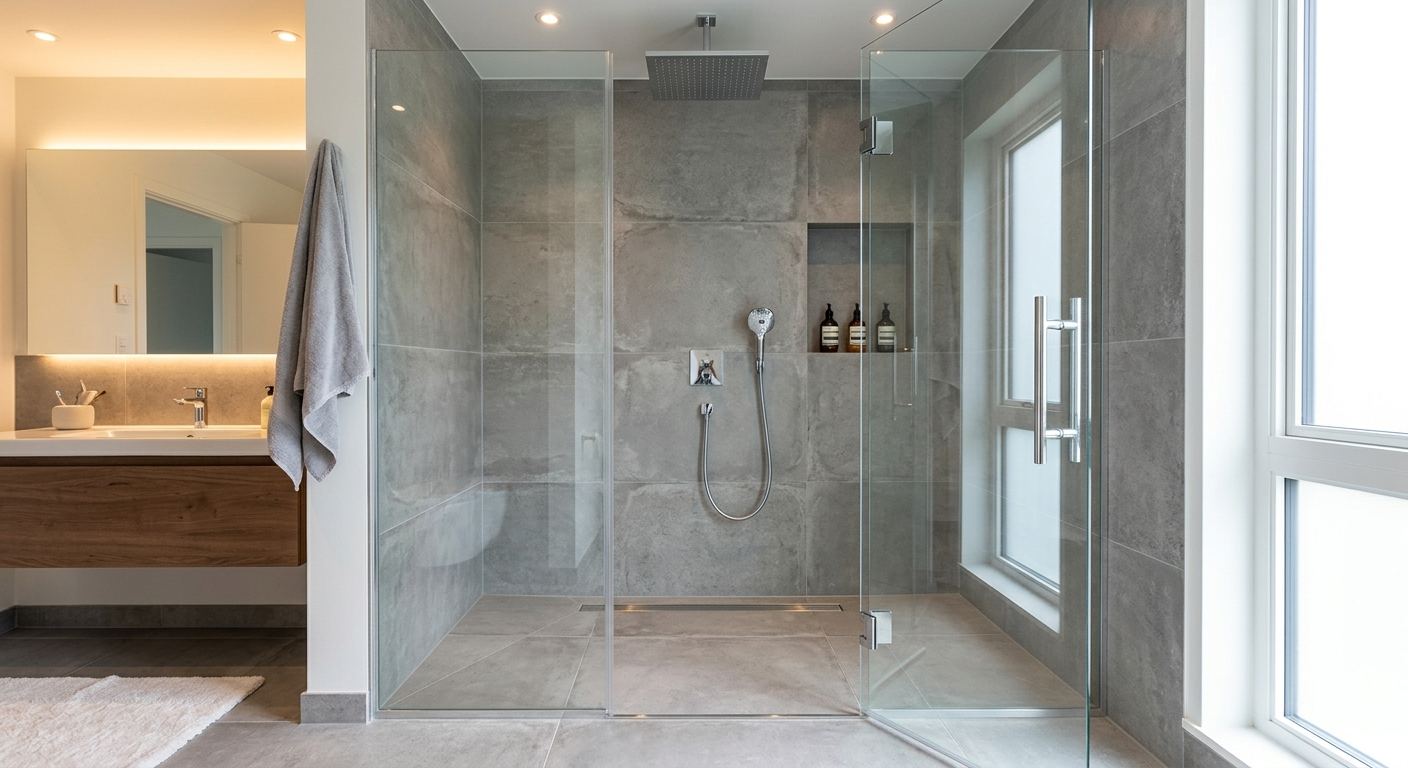
Bathroom renovation options and costs in Hatzic
Bathroom renovation planning in Hatzic starts with choosing how much to change. A lot of homes here were built in older eras, and in a town of 2,952 people (Statistics Canada, 2021 Census) you’ll often see familiar mid-century layouts, dated plumbing runs, and finishes that need modern waterproofing and ventilation. In the Lower Mainland–Southwest region, labour rates and the age of the housing stock are typically the main cost drivers—more than local weather. Even with a mild coastal climate, the real challenge is moisture management, and that’s where good waterproofing, an appropriately sized exhaust fan, and correct membrane detailing prevent mould and costly call-backs.
We also see that once walls and floors come up in pre-1980 homes, discoveries like cast-iron or older drain assemblies, galvanized or older supply lines, and sometimes asbestos-containing floor materials can expand the scope. Metro Vancouver-area demand means skilled plumbers, tilers, and electricians may book out sooner, and their time costs more than in slower markets. Projects in and around Mission-like commuting corridors through Hatzic—where accessibility can affect material delivery and demo speed—tend to require tighter scheduling and site logistics, which can influence labour hours.
Below are realistic starting points for common renovation levels in Hatzic, so you can compare proposals with confidence before you talk design. Use these ranges to anchor your budget, then we’ll dial in the details based on your existing plumbing, ventilation, and finishes.
| Renovation Scope |
What's Included |
Typical Duration |
Price Range |
| Cosmetic refresh (paint, fixtures, accessories only) |
Clean-up, paint, replace vanity top or vanity (same footprint), toilet or faucet swap, towel bars/rails, mirror, lighting refresh, minor caulking; no plumbing relocations |
3–7 days |
$4,000 – $10,000 |
| Mid-range full renovation (new tile, vanity, tub/shower, electrical) |
Demo and disposal, new shower/tub surround tile, new vanity and mirror, new exhaust fan, new GFCI where needed, updated trim and fixtures, waterproofing, basic electrical adjustments |
3–5 weeks |
$18,000 – $32,000 |
| High-end full renovation (custom tile, steam shower, heated floors) |
Higher-grade tile and detailing, custom waterproofing, heated floor system, premium fixtures, frameless glass, possible plumbing upgrades/vent improvements, designer lighting and trims |
5–8 weeks |
$32,000 – $45,000 |
| Shower-only installation (convert tub to walk-in shower) |
Convert layout, new curb/threshold or barrier-free options, waterproofing and tile, new glass or sliding doors, plumbing modifications for drain/supplies, exhaust fan upgrade if needed |
2–4 weeks |
$12,000 – $25,000 |
| Bathtub replacement or tub-liner install |
Remove and replace tub (or install liner where suitable), re-caulk and re-tile select areas, leak testing, new drain trim/fixtures, sealing and finishing |
1–3 weeks |
$4,000 – $10,000 |
| Tile-only installation (floor + surround, existing layout kept) |
Tile removal and re-install, new waterproofing system behind tile where applicable, labour to prep substrate, replace trim and grout/seal; keeps existing plumbing locations |
1–3 weeks |
$6,000 – $14,000 |
Prices are estimates only and vary by project scope, site access and material selection.
What affects the price of bathroom renovation in Hatzic
If you get two quotes for the “same” bathroom remodel in the Lower Mainland–Southwest, it’s common to see a 30–50% swing once you dig into labour hours, hidden-condition allowances, and the scope of plumbing and electrical work. In British Columbia’s metro-focused markets, construction labour rates run higher and specialized trades can be booked tightly. At the same time, Hatzic’s older housing stock (many homes are mid-century or earlier) can hide issues that don’t show until demo—like cast-iron or aging drain stacks, galvanized supply lines, and sometimes inadequate ventilation. Those conditions push projects upward and also change timelines because additional trades and inspections may be required.
Here’s where surprises show up and how they impact your budget. Example one: if wall demolition reveals outdated drain slope or a corroded cast-iron section, you may need partial drain replacement, which can move a “mid-range” bathroom from the roughly $18,000 – $32,000 zone toward the higher end of full renovations. Example two: if asbestos-containing materials are found in pre-1985 flooring or drywall compound, abatement adds real cost—often in the $1,500 – $5,000+ range—plus time for containment and documentation. Example three: if you’re keeping an existing layout but only upgrading finishes, tile and waterproofing are still labour-heavy, yet you can usually avoid the biggest price jump caused by moving drain and supply lines.
Even climate isn’t the primary driver; it’s moisture behaviour. British Columbia’s humidity means ventilation and waterproofing details matter, so a contractor who budgets for proper membranes, correct sealants, and a correctly sized fan may cost more upfront but reduces the risk of recurring issues that can exceed $45,000 later for a true rebuild.
| Price Factor |
Why It Matters |
Cost Impact |
| Layout change — moving drain or supply lines requires rough-in work |
New rough-ins demand chasing walls/floors, plumbing labour, and often permits/inspections |
Typically adds $3,000 – $12,000 depending on distance and substrate access |
| Tile selection — large-format porcelain vs. mosaic vs. ceramic |
Material cost and cutting complexity affect labour time and waste |
Often shifts tile budgets by $1,000 – $6,000 |
| Fixture tier — builder-grade vs. mid-range vs. designer brands |
Premium faucets, valves, vanities, and trim raise material costs and sometimes require different components |
Commonly adds $500 – $5,500 |
| Subfloor condition — rot or unlevel concrete adds scope |
Repairs and underlayment prep are labour-intensive and can increase demo/disposal |
Frequently adds $800 – $4,000 |
| Electrical — adding GFCI outlets, exhaust fan, heated floor circuit |
Electrical upgrades must meet code and are constrained by panel capacity and wiring paths |
Typically adds $900 – $4,500 |
| Waterproofing method — membrane type and extent |
Correct system choice and coverage reduce leaks and mould risk |
Often adds $600 – $3,500 depending on membrane and coverage areas |
| Older-home surprises — asbestos tile, cast-iron drains, galvanized pipes |
Remediation, replacement, and additional trades increase time and documentation |
Can add $1,500 – $10,000+ in severe cases |
| Bathroom size — sq ft drives tile and labour time directly |
More square footage means more waterproofing, thinset, labour hours, and finishing time |
For a typical change, size can shift total cost by $2,000 – $12,000 |
Permits & regulations in British Columbia
In British Columbia, many cosmetic updates in your Hatzic bathroom—like swapping a vanity, replacing a toilet with a like-for-like fixture, painting, or retiling without moving plumbing—generally do not require permits. However, if you relocate plumbing (moving a drain or supply line), add new plumbing fixtures where there wasn’t plumbing, change venting through the structure, or make structural wall changes, a permit and inspection are typically required. Electrical work also has clear lines: if you’re adding or relocating circuits, installing new GFCI protection, wiring an exhaust fan, or connecting a heated floor system, the work must meet the BC electrical code and be done or signed off by a licensed electrician.
To verify your contractor before work starts, use a simple step-by-step process. First, confirm their British Columbia trade licences (for plumbing and electrical trades where applicable) through the relevant online provincial registry listings. Second, ask for a current certificate of insurance and confirm it includes general liability that matches renovation activity (and that it’s not expired). Third, request proof of workers’ compensation coverage (WSIB/WCB) for any employees or subcontractors they use—carriers can provide clearance letters; don’t rely on verbal assurances. Finally, when permits are needed, ensure the contractor is pulling them and that inspection steps are scheduled—so you don’t get stuck trying to correct failed work after the fact.
Choosing tile, waterproofing and fixtures for your Hatzic bathroom
In Hatzic, your biggest material decisions usually aren’t “aesthetic”—they’re durability decisions. Start with tile choice: ceramic tile is often the entry-level option, but it’s less forgiving in high-moisture areas compared with porcelain, and it can be more affected by staining or wear depending on grout selection. Porcelain tile is a popular mid-range compromise because it’s denser and handles routine cleaning well. If you’re considering natural stone (marble, travertine, slate), plan for higher material and more complex installation, including sealing and more careful layout to manage variation.
Next is waterproofing, which directly affects mould risk in British Columbia’s humid indoor conditions. A paint-on membrane can work in limited scenarios, but many remodels benefit from a bonded sheet membrane or a proven system (including proper corners, transitions, and drain integration). The right system matters at wet walls and floor changes, not just in the “middle” of the shower.
Third is fixture tier. Builder-grade fixtures can look great, but mid-range or better valves, shower heads, and vanities often improve performance and resale appeal. For example, if you’re choosing between $2,000 – $8,000 for tile installation in a limited area versus a full porcelain and detailed waterproofing approach that lands closer to the mid-range full renovation band (roughly $18,000 – $32,000), that extra cost is justified when you’re replacing the shower/tub surround and upgrading ventilation and electrical. If you’re keeping layout and only touching up finishes, spending heavily on custom stone may not pay back.
| Material / Option |
Pros |
Cons |
Price Range |
| Ceramic tile (floor + walls) |
Budget-friendly, wide colour options, straightforward installation for standard layouts |
More porous than porcelain, can show wear sooner, depends heavily on grout and sealing |
$2,000 – $5,500 |
| Porcelain tile (floor + walls) |
Lower water absorption, durable for daily use, excellent for modern large-format looks |
Heavier tile requires good substrate prep; large-format cuts can increase waste |
$4,000 – $8,000 |
| Natural stone (marble, travertine, slate) |
Premium look, unique variation, strong resale appeal when chosen thoughtfully |
Needs sealing/maintenance, can be more labour-intensive and expensive to install |
$6,000 – $14,000 |
| Frameless glass shower enclosure |
Bright, modern appearance; reduces visual clutter; easier to clean than heavy enclosures |
Requires precise waterproofing and correct framing support; hardware can cost more |
$1,800 – $6,000 |
| Prefab tub surround (acrylic) |
Fast install, good water resistance when properly fitted, typically lower labour risk |
Design options are more limited; long-term look depends on trim detailing |
$900 – $3,000 |
| Custom shower pan (tile or linear drain) |
Elegant drain lines and tailored slope; strong long-term performance when built correctly |
More labour and careful detailing; drain selection affects rough-in and cost |
$2,500 – $7,500 |
How to choose a bathroom renovation contractor in Hatzic
Choosing the right contractor in Hatzic is less about flashy photos and more about verified credentials, tight scopes, and realistic contingencies. Start by confirming British Columbia licensing for the trades involved. Ask the contractor to name which parts of your project are performed under which licences (especially plumbing and electrical). Next, verify liability insurance: request a current certificate of insurance and ensure it covers renovation work, not just general business activity. For workers’ compensation, request proof of WSIB/WCB coverage (clearance documentation if applicable) for any employees and subcontractors they use.
Then compare quotes correctly. Get 2–3 itemised written quotes that separate labour and materials—tile labour, waterproofing materials, electrical components, plumbing rough-in allowances, drywall repairs, disposal, and any permitting line items. Read the scope line-by-line: note what’s excluded (glass door supply, grout sealing, subfloor replacement, asbestos testing, drain replacement allowance, fixture delivery timelines). Confirm whether disposal is included and whether permit pulls and inspection fees are included or billed separately.
Warranty matters too. Ask for the workmanship warranty length, what it covers (waterproofing failures, grout cracking, sealant breakdown), and whether it’s transferable if you sell your home. For payment, avoid large upfront payments—never more than 10–15%—and use a holdback until the job is complete and cleaned, with final walkthrough items addressed. Also request a signed start date and a completion estimate in writing.
- Provide BC trade licence numbers for plumbing/electrical work where applicable
- Show a current liability insurance certificate (confirm policy is active)
- Provide WSIB/WCB clearance or proof coverage for workers and subs
- Use itemised quoting: labour, materials, and allowances listed separately
- Include waterproofing method and coverage areas in the written scope
- State whether permit pulling and inspection scheduling are included
- Clarify disposal/dump fees and whether extra hauling is billed
- List exclusions (subfloor repairs, drain replacement, glass enclosure supply, lighting trims)
- Detail the change-order process and how adjustments will be priced
- Provide a workmanship warranty length and what triggers claims
- Confirm product/manufacturer warranties and whether they transfer with the home
- Set a payment schedule: 10–15% max upfront; holdback until completion
Red flags to watch for in Hatzic include: refusing to itemise labour/materials and only offering a single lump sum, skipping written waterproofing specifications, promising “no permits needed” for any plumbing/electrical relocation, asking for most of the money upfront, and giving a short timeline with no contingency plan for hidden issues once the walls open.
Frequently asked questions — bathroom renovation in Hatzic
How much does a walk-in shower cost in Hatzic?
In Hatzic, a walk-in shower typically lands in the $12,000 – $25,000 range when you’re converting from a tub (common in older homes). The range is mainly driven by plumbing rough-in (moving drain and supply lines), the waterproofing system, and whether you’re adding a frameless glass enclosure. If your existing layout is already close to a shower-friendly configuration, you can sometimes narrow the job to closer to the lower end of that band. If hidden issues appear—like dated drain assemblies or ventilation that needs upgrading—your budget can shift toward the upper end.
What's the ROI on a bathroom renovation?
Bathroom renovations don’t guarantee a dollar-for-dollar return, but they often improve resale appeal—especially when you upgrade waterproofing, ventilation, and fixtures that buyers notice quickly. In Hatzic and the Lower Mainland–Southwest, buyers also value “done-right” shower performance and modern electrical safety (GFCI, properly wired exhaust). If you keep layout and focus on durable upgrades, you may see better practical ROI than expensive layout changes. As a benchmark, homeowners often compare renovations in the $18,000 – $32,000 mid-range band against full high-end projects around $32,000 – $45,000, and choose the level that matches their home’s condition and neighbourhood expectations.
Do I need waterproofing behind the tile?
Yes—if you want a shower or wet-wall renovation in British Columbia that performs long-term, waterproofing behind tile is the standard expectation. Moisture doesn’t “stop” at grout lines, and BC humidity means small leaks can become mould issues if the system isn’t continuous. A proper assembly includes correct substrate prep, waterproofing coverage to the right heights/areas, and sealed transitions at corners, niches, and the drain. The right approach (paint-on membrane, bonded sheet membrane, or a robust system depending on the build) matters as much as the material choice. If a contractor proposes tile-only without a waterproofing system, treat that as a serious scope gap.
How do I compare bathroom renovation quotes?
Compare quotes like a contractor would: ask for itemised breakdowns rather than lump sums. Look for the listed waterproofing method and coverage, who supplies which fixtures (vanity, fan, glass), and whether plumbing relocations and electrical additions are included. Confirm whether permits, disposal, and inspection scheduling are included or extra. In Hatzic’s older housing stock, you also want a line for allowances (example: drain condition assessment or contingency for subfloor repairs). A quote that’s cheaper but omits waterproofing system details, disposal, or electrical work scope is often the one that grows later. Aim to compare jobs that match apples-to-apples scope, not just a total number.
Can I live at home during a bathroom renovation in Hatzic?
Often, yes—depending on the renovation depth and whether you can use another bathroom temporarily. Cosmetic updates are usually easiest for occupants, while full renovations and tub-to-shower conversions can leave the main bath unusable for days to weeks. A practical approach is to plan phased work (demo and rough-in first, then waterproofing and finishes) and set expectations for temporary access. If your project includes moving plumbing, expect the bathroom to be out of service longer. The Lower Mainland–Southwest trade schedule can also affect restart timelines once materials arrive. Ask your contractor for a written schedule with “bath-ready” milestones so you know when water and functionality will return.
What's the best bathtub material for a Hatzic home?
The “best” bathtub material depends on your comfort, maintenance preferences, and what’s already installed. Common choices include acrylic tubs and refinished or tub-liner approaches, which can be cost-effective and relatively quick. If you want a durable, long-lasting option, acrylic is popular for its weight-to-strength balance and ease of installation. For a budget comparison, bathtub replacement or tub-liner installs often fall in the $4,000 – $10,000 range. In older Hatzic homes, what matters most is ensuring the drain connection, waterproofing detailing at the tub-to-wall transition, and proper sealing—because even the best tub can fail if the waterproofing system isn’t executed correctly.