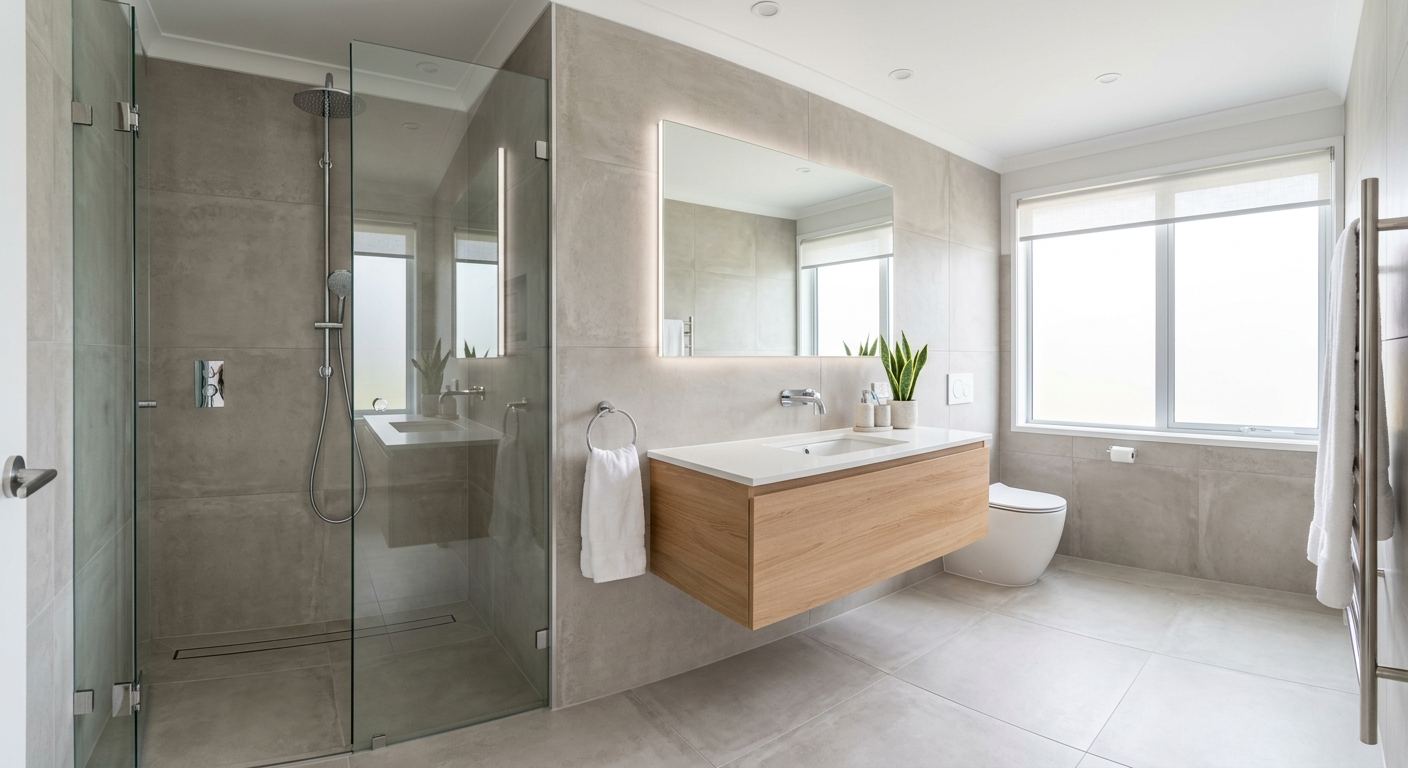
Bathroom renovation options and costs in Smith Creek
Bathroom renovations in Smith Creek usually start with a simple decision: do you want the same layout with new finishes, or do you want to open walls and adjust plumbing. Smith Creek is home to about 3,500 residents (Statistics Canada, 2021 Census), and that smaller local market can make scheduling a skilled plumber, tiler, or electrician feel like a puzzle—especially when older homes require extra discovery and coordination. In the Lower Mainland–Southwest, many bathrooms are in mid‑century or older housing, where dated plumbing layouts and drain systems are more common, and pre‑1980 builds can also carry asbestos-containing materials in floor tile, drywall compound, or insulation. Once walls are opened, projects often expand to include plumbing and venting upgrades to bring everything up to current British Columbia code.
Costs in this region are driven more by labour rates and housing age than by climate alone. Metro Vancouver and nearby areas like Surrey, Burnaby, Richmond, and Abbotsford are known for high construction labour costs, and that demand pulls pricing upward across the Lower Mainland–Southwest. In Smith Creek, you’ll also notice trade availability tightening when renovations are clustered in neighbourhoods like the Smith Creek–Hillside corridor, where homeowners frequently update older bathrooms at the same time. If your bathroom ceiling is low or ducting is constrained, ventilation upgrades can add scope quickly.
Below are realistic price bands homeowners in Smith Creek typically receive, depending on how much plumbing, waterproofing, tile work, and electrical are included.
| Renovation Scope |
What's Included |
Typical Duration |
Price Range |
| Cosmetic refresh (paint, fixtures, accessories only) |
Clean/deep-set fixtures where possible, vanity swap (if no plumbing moves), new lighting covers/bulbs, fresh paint, caulking, mirrors/accessories; no tile removal required |
2–5 days |
$2,500–$8,000 |
| Mid-range full renovation (new tile, vanity, tub/shower, electrical) |
Demo and rebuild, new vanity and toilet, tub/shower valve and trim (as needed), porcelain/ceramic tile floor & surround, waterproofing system, exhaust fan upgrade, basic electrical updates (GFCI where required) |
2–3 weeks |
$18,000–$33,000 |
| High-end full renovation (custom tile, steam shower, heated floors) |
Higher-end tile layouts, custom shower/steam components (as specified), heated floor mat and dedicated circuit, upgraded plumbing trim/valves, premium fixtures, full waterproofing and detailed finishes |
3–6 weeks |
$33,000–$45,000 |
| Shower-only installation (convert tub to walk-in shower) |
Remove tub, rough-in/adjust drain as needed, waterproof shower pan and walls, new glass enclosure or curtain track, new valve trim, exhaust/fan as required |
1–3 weeks |
$12,000–$25,000 |
| Bathtub replacement or tub-liner install |
New tub unit replacement or liner system, re-seal/re-grout, surround touch-ups, valve/trim adjustments where needed, basic waterproofing at transitions |
3–7 days |
$1,500–$6,000 |
| Tile-only installation (floor + surround, existing layout kept) |
Tile removal (as required), backer prep, waterproofing at wet areas, new floor + wall tile to a defined height, reinstallation of fixtures if staying in place |
1–2 weeks |
$2,000–$8,000 |
Prices are estimates only and vary by project scope, site access and material selection.
What affects the price of bathroom renovation in Smith Creek
Homeowners in British Columbia often find that the same “mid-range” bathroom reno can swing by 30–50% between quotes, even when the surface finishes look similar. The biggest drivers are regional labour rates and the age of the housing stock—more than weather. In the Lower Mainland–Southwest, skilled trades like plumbers, tilers, and electricians are in high demand, and that demand pushes labour costs upward. When an older home’s drain stack or supply lines are aging (cast-iron drains or galvanized supply lines are common discoveries in pre‑1970s and older homes), the renovation scope expands beyond surfaces. Venting, shower/tub valve updates, and sometimes substrate replacement for tile and waterproofing become part of the plan.
Asbestos discovery can also change budgets materially. In many pre‑1985 interiors, asbestos-containing materials may be present in vinyl floor tile, drywall compound, or insulation. If it’s suspected and confirmed during demolition, abatement protocols and additional trades add cost—often in the $1,500–$5,000+ range depending on material amount and access. On top of that, older bathrooms frequently have insufficient ventilation, so exhaust fan and ducting upgrades are common add-ons.
In Smith Creek specifically, two examples show how costs rise or fall: (1) if you’re keeping the existing footprint, many teams can stay closer to the $18,000–$33,000 mid-range band; but if you move plumbing or add a vented fan, you’ll typically land higher. (2) if your subfloor is already flat and solid, tile-only scopes can stay in the $2,000–$8,000 range; but rot or unlevel concrete adds prep time, backer work, and labour.
| Price Factor |
Why It Matters |
Cost Impact |
| Layout change — moving drain or supply lines requires rough-in work |
Relocating plumbing triggers demolition, rough-in, inspections, and sometimes venting adjustments |
Often +$3,000–$10,000 |
| Tile selection — large-format porcelain vs. mosaic vs. ceramic |
Material cost and labour time increase with cutting complexity, pattern work, and thicker/denser substrates |
Often +$1,500–$6,000 |
| Fixture tier — builder-grade vs. mid-range vs. designer brands |
Valve trims, vanities, and toilet packages vary widely in cost and sometimes require different rough-in parts |
Often +$1,000–$7,000 |
| Subfloor condition — rot or unlevel concrete adds scope |
Water-damaged framing or uneven slabs require repair, self-levelling, or new backer boards |
Often +$800–$4,500 |
| Electrical — adding GFCI outlets, exhaust fan, heated floor circuit |
New circuits and code-compliant connections require a licensed electrician and may involve panel capacity checks |
Often +$600–$3,500 |
| Waterproofing method — membrane type and extent |
Better systems reduce failure risk and mould growth; coverage area and detailing (corners/changes of plane) drives labour |
Often +$800–$3,000 |
| Older-home surprises — asbestos tile, cast-iron drains, galvanized pipes |
Discovery changes demolition approach, adds remediation steps, and can require drain/supply upgrades |
Often +$1,500–$12,000+ |
| Bathroom size — sq ft drives tile and labour time directly |
More floor and wall surface equals more layout, thinset, labour hours, and drying time for waterproofing |
Often +$1,000–$8,000+ |
Permits & regulations in British Columbia
In British Columbia, many cosmetic updates don’t need permits—think fixture swapping, painting, replacing a vanity, and retiling where plumbing isn’t moved and the structure isn’t altered. If you’re keeping the same drain and supply locations, you’re usually in the “typical finishing” category. However, permits are commonly required when plumbing is relocated (moving a drain or changing supply lines), when you add or significantly modify exhaust ventilation with new ducting or circuitry, or when you change structural walls. Electrical work must meet provincial code and be done by (or signed off by) a licensed electrician—especially anything involving new circuits for heated floors or dedicated bathroom lighting/exhaust components. Plumbing rough-in changes typically require a permit and inspection before walls are closed.
For a Smith Creek homeowner, the verification process should be straightforward. First, ask for the contractor’s British Columbia trade licence details and confirm it matches the work type being performed (plumbing/electrical/contracting scope as applicable). Second, request a certificate of liability insurance—make sure the coverage is current and ask what it covers for your project. Third, confirm workplace coverage (WSIB/WCB clearance) if workers are employees or if the contractor is required to carry that coverage under the applicable scheme. You can check a contractor’s licence and business details through provincial online registries, then verify insurance paperwork directly from the contractor (and confirm the effective dates). If clearance letters are offered, keep a copy with your contract and receipts.
Choosing tile, waterproofing and fixtures for your Smith Creek bathroom
In Smith Creek, your bathroom budget usually comes down to three material decisions. The first is tile choice: ceramic tends to be the entry-level option for floors and walls, while porcelain is denser and often better for wet-area durability and long-term appearance. Natural stone (marble, travertine, slate) can look premium, but it typically requires more careful installation, sealing/maintenance, and flatter substrates. The second decision is waterproofing method: paint-on membranes can work when used correctly for specific assemblies, but bonded sheet membrane or a systems approach (with the right corners, fasteners, and overlap) usually offers greater assurance in shower environments. In the Lower Mainland–Southwest, humidity and frequent moisture exposure mean your waterproofing needs to be consistent—mould prevention is largely about correct installation, not just product choice. The third decision is fixture tier: builder-grade fixtures save money upfront, while mid-range and designer brands often bring smoother valves, better finishes, and resale-friendly styling.
To match budget to the right combo, think in trade-offs. For example, spending an extra $1,000–$2,500 on porcelain tile and a robust waterproofing system is often justified in the same way most homeowners don’t want to pay twice for a failed shower. Conversely, paying for natural stone in a small powder-room-style setup may not add as much value as investing that same amount into a high-quality shower valve, exhaust fan upgrade, and full membrane coverage.
| Material / Option |
Pros |
Cons |
Price Range |
| Ceramic tile (floor + walls) |
Lower material cost, wide style selection, good for many bathroom walls |
Often less dense than porcelain; some floors need careful slip rating and flatter prep |
$2,000–$5,500 |
| Porcelain tile (floor + walls) |
Hard-wearing and moisture-tolerant, better durability for wet areas, often cleaner-looking grout lines |
Higher material cost; large-format porcelain can increase cutting/labour time |
$3,000–$8,000 |
| Natural stone (marble, travertine, slate) |
Luxury look and unique veining; strong curb appeal for the right home |
Needs sealing/maintenance; more sensitive to substrate movement and requires skilled layout |
$6,000–$14,000 |
| Frameless glass shower enclosure |
Modern appearance, easier cleaning than some multi-piece surrounds, visually opens the room |
Higher material and install cost; requires precise tile alignment and waterproofing detailing |
$2,500–$7,000 |
| Prefab tub surround (acrylic) |
Fast installation, fewer tile labour hours, good water resistance when installed correctly |
Limited design flexibility; may not match premium tile look |
$1,000–$3,500 |
| Custom shower pan (tile or linear drain) |
Integrated look, better drainage design options, supports premium finishes |
More labour and detail work; must be built with correct slope and waterproofing system |
$3,500–$10,000 |
How to choose a bathroom renovation contractor in Smith Creek
Choosing the right contractor in Smith Creek starts with verification. In British Columbia, confirm the contractor’s trade licence for the work they’ll perform (and request it in writing). Next, ask for liability insurance and make sure the certificate shows your address or project can be covered during the term. For workforce coverage, verify WSIB/WCB clearance (or the applicable coverage documentation) so you’re not exposed if there’s an incident on site. If they can’t provide paperwork promptly, treat that as a serious red flag.
Then request 2–3 itemised written quotes—not just a lump sum. You want labour and materials separated, and you want line items that clearly state what’s included for demolition, waterproofing prep, electrical (GFCI/exhaust/heated floor if applicable), disposal, and permits. A good quote will list exclusions such as fixture upgrades beyond a specified tier, any subfloor repair allowance, and what happens if hidden plumbing is in worse condition than expected.
Look for warranty terms: workmanship warranty length, product/manufacturer warranty details, and whether warranties are transferable to you. For payment schedules, avoid projects that ask for more than 10–15% upfront; hold back a portion until completion and final walkthrough. Finally, insist on a start date and completion estimate in writing so you can plan for toilet use, dust control, and material lead times.
- Licence and proof of registration for the specific trades involved
- Current liability insurance certificate (effective dates match your job window)
- WSIB/WCB clearance documentation before work begins
- 2–3 itemised quotes with labour and materials broken out
- Clear scope: demolition, disposal, backer prep, waterproofing details, and reinstalls
- Permit pull responsibilities stated (who submits, who pays, expected timeline)
- Start date and target completion date written into the contract
- Named warranty: workmanship duration and what it covers
- Product warranties documented (and conditions for keeping them valid)
- Payment schedule with minimal deposit and holdback until final sign-off
- Site protection plan (dust control, tarps, floor protection)
- Defined change-order process for hidden conditions (e.g., old drain upgrades)
Common red flags in Smith Creek include contractors who won’t provide licence/insurance paperwork, quotes that omit waterproofing and disposal details, “lump sum” pricing with no change-order thresholds, unrealistic timelines that ignore material lead times, and workmanship warranties that are shorter than the industry norm or written vaguely. Another major concern is when a contractor downplays older-home surprises like cast-iron drains, galvanized lines, or potential asbestos-containing materials—because discovery is exactly when budgets can drift.
Frequently asked questions — bathroom renovation in Smith Creek
What's the best bathtub material for a Smith Creek home?
For most Smith Creek homes in the Lower Mainland–Southwest, acrylic tubs are a practical choice because they’re lighter for installation, faster to set, and readily available in standard sizes. Fibreglass/acrylic often also pairs well with prefab or tiled surrounds when you want a clean, watertight finish without overcomplicating the build-up. If you’re replacing a tub in an older bathroom and you expect minor subfloor variation, acrylic can simplify labour compared with heavier materials. That said, if you’re budgeting for a full reno with new tile and updated waterproofing, the “best” option becomes the one that fits the assembly correctly—especially around seams. Cost-wise, a bathtub replacement or tub-liner install is commonly in the $1,500–$6,000 band, depending on whether the work stays cosmetic or requires more plumbing and venting adjustments to meet current standards (Statistics Canada, 2021 Census).
Is it worth renovating a bathroom before selling in Smith Creek?
It can be worth it, but only if you target the areas buyers notice first: waterproofing reliability, bright and clean finishes, and functional fixtures. In Smith Creek’s housing stock, buyers often scrutinize whether the shower/tub area shows old caulking failures, uneven tile, or ventilation problems. A cosmetic refresh can improve appearance, but it won’t fix hidden issues like aging drains or inadequate exhaust. If your bathroom is from an older era, consider a scoped “smart upgrade” approach: keep layout if possible, replace fixtures, upgrade the exhaust fan, and rewaterproof where tile is removed. That’s how you stay aligned with the mid-range full renovation band—often $18,000–$33,000—without overextending for every finish detail. On the other hand, high-end upgrades (custom tile, heated floors, steam) can be beautiful, but the value you recoup depends on the buyer segment and your home’s overall condition.
How do I plan a bathroom renovation on a tight budget in Smith Creek?
Start by protecting what drives cost most in the Lower Mainland–Southwest: plumbing moves and complex tile layouts. If you’re trying to stay within a tighter budget, design around your existing drain and supply locations so you don’t trigger rough-in changes and additional permits. Consider a tile-only approach where your waterproofing scope and substrate prep are clearly defined—many homeowners can keep tile work in the $2,000–$8,000 range when the footprint doesn’t change. Pair that with a cosmetic refresh plan where plumbing isn’t relocated: paint, new vanity, mirror, lighting, and hardware. You still want quality waterproofing if any wet-area tile is removed, because British Columbia humidity punishes poor sealing. Build in contingency for older-home discoveries; in pre‑1980/older interiors, cast-iron/copper/galvanized surprises can expand scope. For planning, ask for a quote with line items and an allowance for “hidden conditions,” so you’re not forced into change orders mid-project.
What's the difference between a cosmetic and a full bathroom renovation?
A cosmetic renovation is primarily about finishes and visible upgrades—fresh paint, new fixtures, updated vanity, new mirrors/accessories, and sometimes re-caulking and minor lighting changes—typically without opening walls or moving plumbing. Because plumbing and electrical don’t change much, permits are often not required. A full bathroom renovation includes demolition and rebuilding: new or reworked plumbing/valve trims, waterproofing systems, tile installation (floor and wet-area walls), updated electrical like GFCI outlets and exhaust fan upgrades, and new fixtures. In Smith Creek and the broader Lower Mainland–Southwest, “full” scopes are also where older-home conditions—aging drain stacks, outdated wiring, or potential asbestos-containing materials—show up and expand budgets. That’s why full renovations commonly track the $18,000–$45,000 bands, while cosmetic refreshes are often much lower. If your quote doesn’t spell out waterproofing, demolition, and what happens to electrical and ventilation, it’s worth clarifying whether it’s truly cosmetic or full.
How do I choose the right contractor for my bathroom in Smith Creek?
In British Columbia, prioritize verification and clarity. First, confirm the contractor’s trade licence for the work they’ll perform and request current liability insurance documentation. Then verify coverage through WSIB/WCB clearance documentation before any work begins. Next, ask for 2–3 itemised written quotes that separate labour and materials and clearly list inclusions/exclusions: demolition, disposal, waterproofing method, exhaust fan scope, and whether permit pulls are included. A good contractor will describe how they handle hidden conditions like older drain systems, which is a known issue in older Lower Mainland housing. Warranty matters too—ask for workmanship warranty length and product warranty terms, including whether warranties transfer to you. Finally, use a payment schedule that keeps upfront deposits to about 10–15% and holds back funds until completion and walkthrough. If a contractor can’t provide documentation or offers only lump-sum pricing with vague scope, it’s a sign to pause.
What's the most common mistake homeowners make in bathroom renovations?
The most common mistake is under-scoping the wet-area details and ventilation—then discovering the problem after walls and floors are already closed. Homeowners often choose finishes first (tile, vanity, fixtures) while assuming waterproofing and exhaust upgrades are “standard.” In Smith Creek, where many homes are older and the Lower Mainland–Southwest labour environment makes schedules tight, fixing a failed waterproofing assembly or adding ventilation after the fact can become expensive. Another common issue is budgeting without contingency for plumbing and electrical upgrades. In older bathrooms, you can run into cast-iron or older drain configurations and outdated wiring, and you may need additional work to meet current British Columbia requirements. A related budgeting mistake is ignoring the difference between a cosmetic refresh and a full renovation—so a plan that sounded like a $2,000–$8,000 tile-focused project can expand toward $18,000–$45,000 once rough-in work and ventilation updates appear.