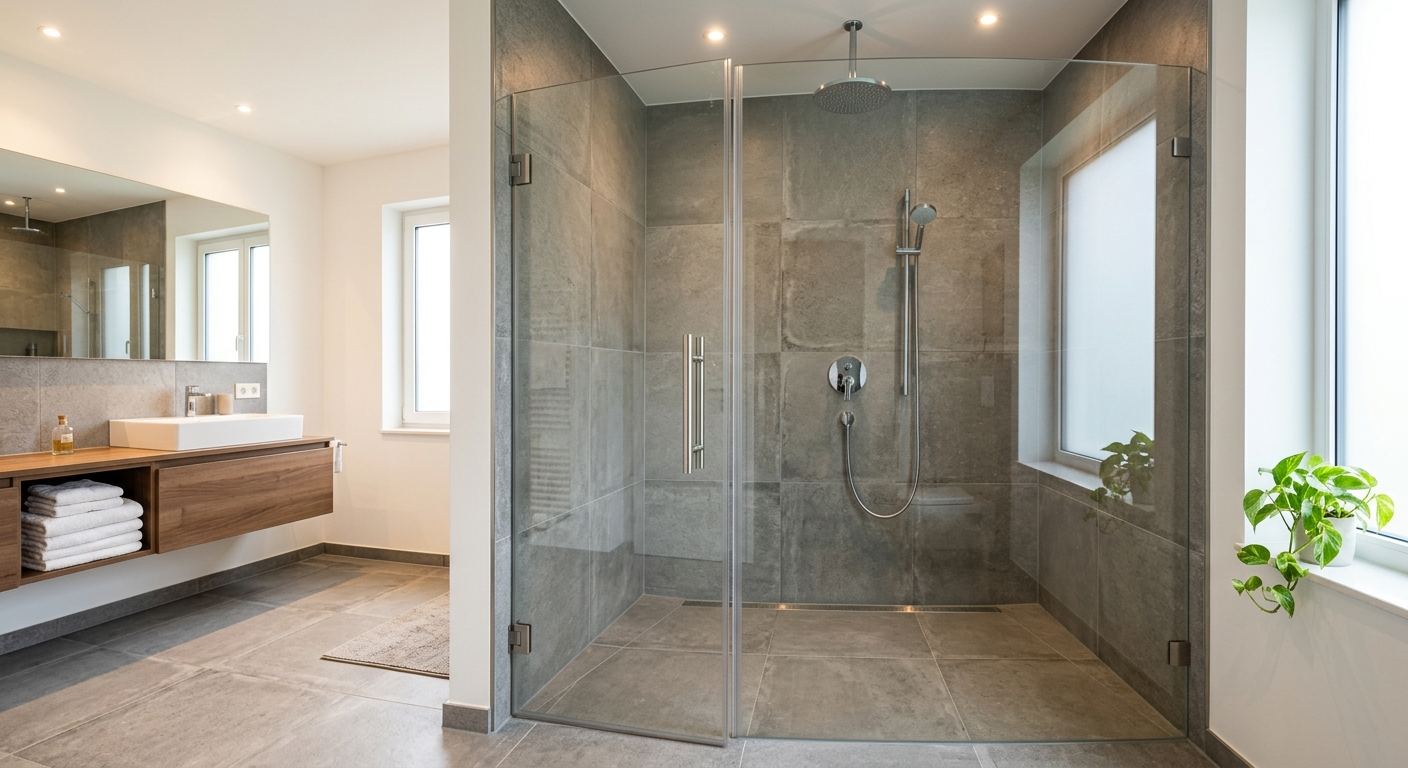
Bathroom renovation options and costs in Lumby
Planning a bathroom renovation in Lumby starts with picking the right scope for your home and budget. With 2,063 people in town and many properties dating back to earlier construction eras, it’s common to encounter dated plumbing layouts and older drain setups; in fact, 42.5% of homes in the area were built before 1981 (Statistics Canada, 2021 Census). That age profile matters because the “nice-to-have” cosmetic upgrades often uncover cast-iron drains, galvanized supply lines, or wiring that needs a careful safety upgrade once walls come open. In older housing, asbestos-containing materials can also be a risk in certain floor or wall finishes, which can add remediation time and cost to a renovation.
In the Thompson–Okanagan region, the biggest cost driver is typically not coastal-style corrosion or salt air—it’s labour demand plus the complexity of bringing systems up to current code. Labour is a major part of the budget in this region (commonly 40%–60% overall), especially when the contractor must coordinate plumbing, electrical, and tile crews around access limitations in finished basements and tight hallways. Contractor availability also fluctuates during peak spring and summer renovation season, so scheduling can shift timelines even when materials are ready. If you’re renovating near the Lumby core or in the North Okanagan end of town where trades often manage multiple occupied homes, expect scheduling and access to influence quotes.
The next table compares typical renovation scopes and realistic price bands, so you can line up your options before you request itemised quotes.
| Renovation Scope |
What's Included |
Typical Duration |
Price Range |
| Cosmetic refresh (paint, fixtures, accessories only) |
New vanity or faucet (no plumbing moves), toilet (if existing rough-in works), lighting refresh, paint, caulking, grab bars/accessories, re-leveling hardware as needed |
3–7 days |
$5,000–$10,000 |
| Mid-range full renovation (new tile, vanity, tub/shower, electrical) |
Demo and disposal, waterproofing, tile floor + shower surround/tub deck, new vanity + mirror/lighting, new exhaust fan ducting as required, updated GFCI outlets, tub/shower or new surround, patching and trim |
2–3 weeks |
$15,000–$30,000 |
| High-end full renovation (custom tile, steam shower, heated floors) |
Custom layout, premium porcelain or stone, upgraded waterproofing, heated flooring circuit, custom shower with premium hardware, steam or luxury controls where feasible, designer lighting, niche(s), enhanced ventilation |
3–5 weeks |
$30,000–$45,000 |
| Shower-only installation (convert tub to walk-in shower) |
Remove tub, new shower pan/linear drain option, tile surround, waterproofing, new valve trim, rework rough-in if needed, new exhaust fan as required |
1.5–3 weeks |
$12,000–$24,000 |
| Bathtub replacement or tub-liner install |
New tub (or liner system), reglazing/caulking, faucet refresh or limited changes, waterproofing at transitions, wall surface prep and trim |
5–10 days |
$4,000–$11,000 |
| Tile-only installation (floor + surround, existing layout kept) |
Tile removal and prep, waterproofing system, tile floor and tub/shower surround (keeping plumbing where possible), grout/trim, sealing and cleanup |
1–2.5 weeks |
$3,000–$12,000 |
Prices are estimates only and vary by project scope, site access and material selection.
What affects the price of bathroom renovation in Lumby
When you see two quotes for what looks like the same bathroom renovation in the Thompson–Okanagan, it’s not unusual for the total to swing by 30%–50%. The difference usually isn’t “profit”—it’s the scope details buried in the proposal, plus labour availability and the condition of the existing structure once walls and subfloors are exposed. In this region, labour rates and the age of the housing stock are the primary cost drivers more than temperature or humidity alone. Many Lumby homes were built before 1981 (42.5% of homes), and those older systems can hide cast-iron or copper drain stacks that require upgrading to meet current expectations, plus ventilation that’s no longer adequate for today’s bathroom exhaust standards. That can push a cosmetic job toward a full-gut renovation.
Material surprises can also add meaningful cost. If the contractor discovers asbestos-containing materials in floor tile or dated drywall compounds (a risk in pre-1985 vintage finishes), proper remediation protocols can add roughly $1,500–$5,000+ and extend timelines while affected areas are handled and cleared. Even without asbestos, uneven floors or deteriorated subflooring can require additional prep, backer changes, and more labour for waterproofing.
Concrete examples from Lumby: (1) keeping your layout often helps you stay near tile-only pricing such as $3,000–$12,000, but (2) moving a drain for a walk-in shower conversion can jump you into shower conversion budgets like $12,000–$24,000. (3) If your wiring is outdated and the exhaust fan and new lighting can’t safely share circuits, electrical upgrades can add several thousand dollars. In short, the local age of homes drives the “unknowns,” and the unknowns drive the final number—not coastal climate.
| Price Factor |
Why It Matters |
Cost Impact |
| Layout change — moving drain or supply lines requires rough-in work |
Alters plumbing rough-in, subfloor work, and sometimes framing access; increases coordination time |
Often adds $3,000–$10,000 |
| Tile selection — large-format porcelain vs. mosaic vs. ceramic |
Different cutting patterns, breakage rates, and installation complexity |
Typically adds $1,000–$6,000 |
| Fixture tier — builder-grade vs. mid-range vs. designer brands |
Valve components, trim quality, and included parts affect both material and install time |
Often adds $500–$4,500 |
| Subfloor condition — rot or unlevel concrete adds scope |
Needs structural repair, leveling, additional waterproofing preparation |
Typically adds $800–$7,000 |
| Electrical — adding GFCI outlets, exhaust fan, heated floor circuit |
New circuits or fan ducting increases licensed electrical labour and material |
Often adds $800–$6,000 |
| Waterproofing method — membrane type and extent |
Coverage details around niches, curb edges, and transitions determine long-term performance |
Usually adds $500–$3,500 |
| Older-home surprises — asbestos tile, cast-iron drains, galvanized pipes |
May trigger abatement, pipe replacement, and additional disposal/coordination |
Can add $1,500–$8,000+ |
| Bathroom size — sq ft drives tile and labour time directly |
More surface area means more tile, more waterproofing, longer install and dry times |
Typically adds $2,000–$12,000 |
Permits & regulations in British Columbia
In British Columbia, many bathroom updates are considered cosmetic and generally do not require a permit—think swapping a vanity, changing faucets/fixtures that connect to existing supplies, repainting, replacing lighting with like-for-like fixtures, and retiling where you’re not changing plumbing routes or adding structural changes. However, once you relocate plumbing components—such as moving a drain location, changing where the shower valve is, or reworking supply lines—you’re typically entering rough-in territory that requires a permit and inspection. Similarly, adding or relocating electrical items (for example, installing a new exhaust fan that requires a new circuit, adding heated floor wiring, or changing outlet locations) must meet provincial code and be done or signed off by a licensed electrician.
Step-by-step, Lumby homeowners should verify a contractor’s credentials before work starts:
- Confirm trade licensing: ask for the contractor’s British Columbia trade licence details and check that it matches the scope (plumbing/electrical/sub-trades as applicable).
- Request a certificate of insurance: ensure liability coverage is current and that the name on the policy matches the legal business.
- Confirm workplace coverage: ask for proof of WCB coverage (or equivalent clearance letter) so you’re not stuck with liability if a worker is injured.
- For permits: ask who pulls the permit and whether it’s included in the quote; don’t assume—get it in writing.
- Before demolition: verify what inspections are planned (plumbing rough-in, electrical sign-off, and final where required).
These checks are especially important in older Lumby homes where hidden plumbing conditions and electrical capacity can change the scope quickly.
Choosing tile, waterproofing and fixtures for your Lumby bathroom
Choosing materials is where Lumby bathroom budgets get won or lost, because the “cheapest-looking” options can cost more when labour time and waterproofing details rise. Start with tile. Ceramic tile is an entry-level choice: it can be budget-friendly, but it may be more prone to chipping under heavy use and generally needs careful layout for long-term durability. Porcelain tile is usually the mid-range sweet spot in the Thompson–Okanagan—stronger, often more consistent in sizing, and typically better suited for wet areas. Natural stone (marble, travertine, slate) looks exceptional, but it can require more prep, more sealing or maintenance planning, and careful selection to avoid performance issues in a high-moisture environment.
Next, waterproofing method. In British Columbia’s interior climate, bathrooms still experience sustained moisture and vapour; the problem isn’t outdoor salt air, it’s repeated indoor humidity and water exposure where joints and corners meet. A paint-on membrane can be adequate in some cases, but bonded sheet membranes and well-detailed systems (including niche/edge work) often deliver higher long-term confidence—especially if your bathroom has a lot of transitions (curbs, benches, linear drains). Choosing the right waterproofing system helps prevent failures that lead to mouldy drywall or subfloor problems.
Finally, fixture tier. Builder-grade fixtures keep the budget down, but mid-range options often justify the cost through smoother valves, better finishes, and fewer callbacks. For example, spending the extra on a higher-tier shower valve and trim can be money well spent, while over-upgrading to premium tile in a small, simple layout may not be the best return if your main goal is a clean, modern look. The best match depends on whether you’re doing a tile-only job near $3,000–$12,000 or a full renovation closer to $15,000–$35,000.
| Material / Option |
Pros |
Cons |
Price Range |
| Ceramic tile (floor + walls) |
Good entry-level value, wide colour range, easier to match with existing finishes |
Typically less durable than porcelain in heavy-use areas; more susceptible to chipping if poorly installed |
$3,000–$7,500 |
| Porcelain tile (floor + walls) |
High durability for wet zones, more consistent for large-format looks, generally better longevity |
Can cost more per sq ft; may increase prep/layout time for large-format panels |
$6,000–$12,000 |
| Natural stone (marble, travertine, slate) |
Premium look and unique variation, great for luxury statements and feature walls |
Higher material and labour complexity; needs sealing/maintenance planning to protect surfaces |
$10,000–$20,000 |
| Frameless glass shower enclosure |
Modern appearance, visually expands the space, typically easier to keep clean |
Higher material cost; requires precise measurements and stable, waterproofed framing/substrate |
$2,500–$7,500 |
| Prefab tub surround (acrylic) |
Faster install, predictable results, fewer grout joints than full tile surrounds |
Less “custom” look; limited style options compared to tiled showers |
$1,500–$4,500 |
| Custom shower pan (tile or linear drain) |
Great for accessibility and design flexibility; linear drain looks sleek and performs well when detailed correctly |
More labour and waterproofing detailing; additional framing/rough-in may be required |
$4,000–$14,000 |
How to choose a bathroom renovation contractor in Lumby
Choosing the right contractor in Lumby isn’t just about the lowest bid—it’s about verifying credentials, understanding the scope, and avoiding the hidden “extras” that blow up timelines. In British Columbia, your first step is licensing and insurance verification. Ask for the contractor’s licence details for the applicable trade scope (or that they’re using properly licensed trades), plus proof of liability insurance. For workplace coverage, request confirmation of WCB clearance/coverage so you’re protected if a worker is injured on your property.
Next, get 2–3 itemised written quotes, not lump sums. A fair bathroom quote should break out labour, demo, waterproofing system, tile installation method, plumbing/electrical rough-in changes, disposal, and allowance lines for fixtures. Read the scope carefully: confirm what’s included and excluded. Common exclusions include permit fees, dust control, bathroom drywall patching beyond a certain amount, subfloor replacement thresholds, and disposal of old tile or fixtures. Also confirm who is responsible for pulling permits (if required) and whether inspections are scheduled.
Warranty matters in interior-moisture environments. Ask for the workmanship warranty length, how it’s documented, whether it covers waterproofing failures, and if you can claim it if you sell your home. Product/manufacturer warranties should be listed separately. On payment, a safe structure is keeping upfront payment around 10%–15% and using staged payments with a holdback until key items are complete (tile finishing, trim, and a waterproofing sign-off, where applicable). Lastly, require a written start date and realistic completion estimate—older Lumby homes can create delays, so timeline buffers should be discussed.
- Confirm British Columbia licensing for each relevant trade or subcontractor.
- Request liability insurance certificate and verify it matches the legal business.
- Check WCB coverage/clearance letter before work begins.
- Ask for 2–3 itemised quotes with labour and materials breakdown (no vague allowances).
- Verify waterproofing scope: membrane type, coverage areas, and inspection/dry times.
- Confirm disposal and demolition included (tile, tub, vanity, packaging).
- Clarify permit responsibility and whether permit fees are included.
- Confirm electrical scope: new GFCI outlets, exhaust fan circuit, lighting changes.
- Confirm plumbing scope: valve replacement, rough-in checks, drain upgrades if needed.
- Ask about subfloor condition assessment and what triggers extra cost.
- Review warranty: workmanship duration, what it covers, and whether transferable.
- Keep payment schedule conservative: 10%–15% upfront; hold back until completion.
Red flags I look for in Lumby: (1) quotes that exclude permits but don’t label it clearly; (2) no written waterproofing detail—only “tile and grout”; (3) refusal to provide insurance/WCB proof; (4) lump-sum pricing with large “allowances” that never get finalized; and (5) crews that can’t name who the licensed trades are for electrical or plumbing work.
Frequently asked questions — bathroom renovation in Lumby
What adds the most resale value in a bathroom reno?
In Lumby and the wider Thompson–Okanagan, buyers usually pay for a bathroom that looks clean, feels modern, and—most importantly—has been built to last. High-impact upgrades include durable tile work with a proper waterproofing system, a new vanity and lighting, and a properly vented exhaust fan that reduces daily humidity. Walk-in showers with quality valves and fixtures also tend to resonate, especially in older homes where accessibility matters. If you’re budgeting for a realistic full refresh, keep an eye on the regional price bands: a mid-range full renovation commonly lands around $15,000–$30,000 depending on electrical and plumbing changes. That range usually covers the elements buyers recognize and the hidden “performance” details that prevent future problems.
Can I keep my existing plumbing layout to save money?
Yes—keeping your plumbing layout is one of the best ways to save money in a Lumby bathroom renovation. When you don’t move the drain or supply lines, you typically avoid rough-in work, major subfloor access, and associated permitting/inspection scope. That said, contractors should still verify that your existing rough-in supports the new valve type, shower height, and drain compatibility. In older Lumby homes (with 42.5% built before 1981), hidden conditions sometimes force changes anyway, such as upgrading cast-iron or galvanized supply lines or improving ventilation. If your goal is cost control, consider staying closer to tile-only or cosmetic scopes where you’re not relocating plumbing—many projects land near the $3,000–$12,000 tile-only band when the layout truly stays put.
How much does a walk-in shower cost in Lumby?
A walk-in shower conversion cost varies mostly with plumbing complexity and finishes, but in Lumby you can plan around the region’s shower installation ranges. Converting a tub to a walk-in shower typically falls in the $12,000–$24,000 band when you include demo, waterproofing, a quality shower pan approach, tile or surround, and an appropriate exhaust fan/venting check where needed. Your final number changes if you go to a linear drain, choose large-format porcelain, or require major drain rework due to older plumbing. Because many Lumby homes are older, be prepared for occasional add-ons if cast-iron drains or supply lines must be updated to meet current expectations and to keep installation reliable.
What's the ROI on a bathroom renovation?
ROI depends on your market positioning and how buyers evaluate the quality and condition of the bathroom in relation to competing homes. In Lumby and the Thompson–Okanagan, a renovated bathroom often improves perceived value through updated finishes, safer electrical and ventilation, and long-term waterproofing quality—especially in homes built before 1981 (Statistics Canada, 2021 Census). While resale multipliers vary and no one can guarantee a specific ROI, projects that replace dated fixtures, correct ventilation, and include durable tile/waterproofing tend to perform better than purely cosmetic refreshes. If you’re choosing between scopes, it’s often smarter to spend within the mid-range full renovation band (commonly $15,000–$30,000) when the current bathroom shows moisture issues, outdated wiring capacity, or aging tile assemblies.
Do I need waterproofing behind the tile?
In nearly all properly designed bathroom renovations in British Columbia—including Lumby—you should expect waterproofing behind tile in wet areas. Tile itself is not waterproof; grout and cement boards are only part of the system. A correct waterproofing assembly includes a membrane method and the right detailing at corners, transitions, and penetrations (like the shower valve and niches). This is especially important in the Thompson–Okanagan interior climate where bathrooms experience repeated daily moisture exposure; the risk isn’t “coastal salt air,” it’s failure at joints that allows water to migrate into the wall assembly and eventually contribute to mouldy drywall or subfloor damage. Contractors should specify the waterproofing method and coverage, and you should ask what membrane is used and what areas are included in the scope.
How do I compare bathroom renovation quotes?
To compare quotes fairly in Lumby, request itemised documentation and verify the scope matches line-by-line. Make sure each quote includes the same assumptions for demolition, disposal, waterproofing system, tile surfaces, electrical work (like GFCI outlets and exhaust fan circuit), and whether permits are included. Watch for quotes that use vague allowances (especially on tile, fixtures, and labour) or omit key items like waterproofing details and backer prep. Ask each contractor: who pulls permits, who does licensed electrical/plumbing work, and what the warranty covers for workmanship. Finally, confirm the payment schedule and timeline in writing. If one quote is notably below others, it may be cutting into waterproofing quality or waterproofing coverage—those are often the costs you pay later.