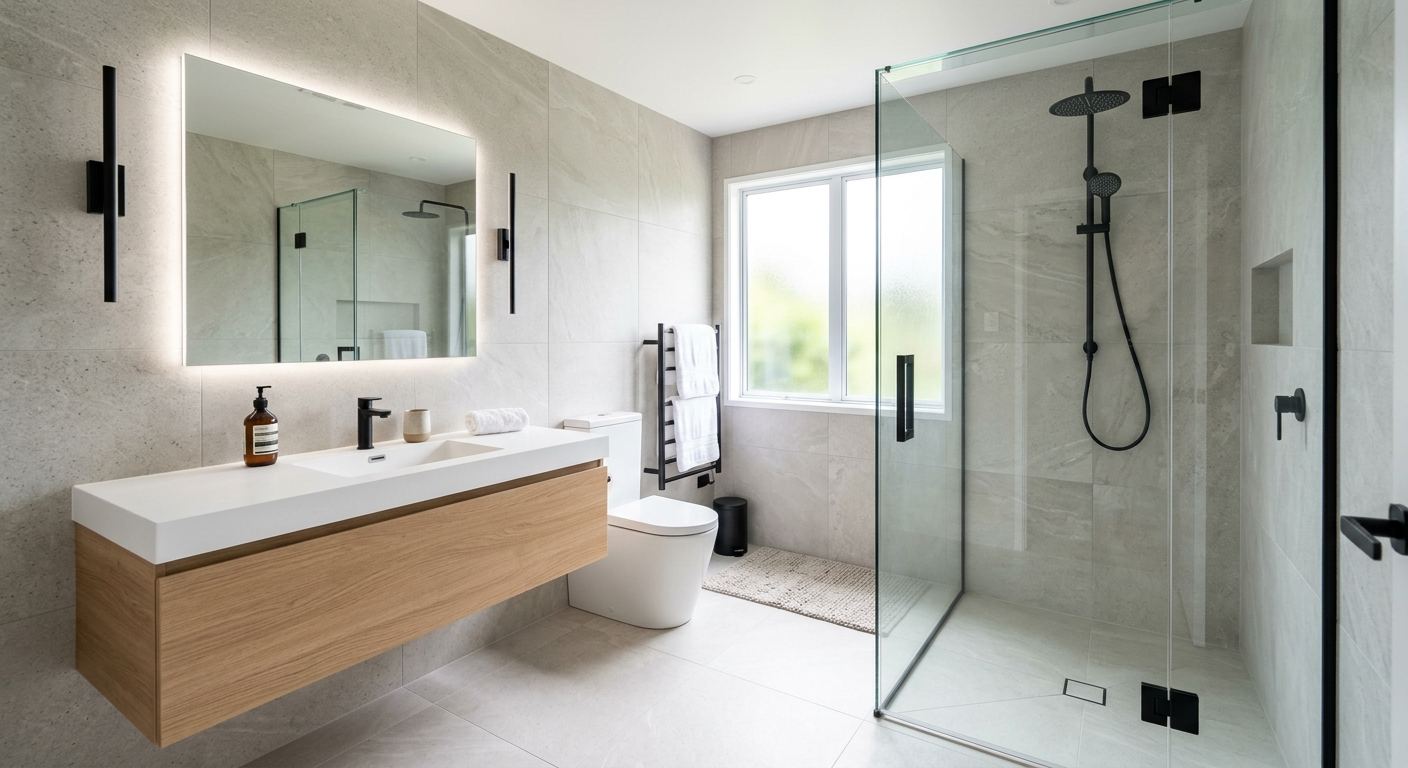
Bathroom renovation options and costs in West End
In West End, a bathroom reno can range from a quick refresh to a full tear-out, and the right option depends on what’s hiding behind the walls. With West End housing stock reflecting a long history of mid-century builds—often tied to older plumbing layouts—homeowners frequently run into dated venting, aged drains, or legacy wiring once surfaces come off. The overall population base in the area is about 47,200 residents (Statistics Canada, 2021 Census), which helps explain the ongoing demand for skilled trades and why scheduling can be competitive. In the Lower Mainland–Southwest, labour rates and the age of local homes are the biggest cost drivers for bathroom renovations, more than day-to-day weather. That matters because once you open a bathroom, you’re not just replacing finishes—you may be upgrading plumbing and venting to current British Columbia code, and coordinating plumbers, electricians, and tilers in a small footprint.
Local climate still plays a practical role: bathrooms here need durable ventilation and strong waterproofing because dampness lingers when exhaust fans underperform. Contractors often feel especially in-demand around areas like Davie Village, where many older condo and walk-up buildings have compact bathrooms and limited access for materials and debris removal. For many homeowners, a carefully scoped plan keeps surprises from ballooning.
Below are common renovation paths and the cost ranges West End homeowners typically see before taxes and site-specific conditions.
| Renovation Scope |
What's Included |
Typical Duration |
Price Range |
| Cosmetic refresh (paint, fixtures, accessories only) |
New vanity or updated fixtures (no plumbing moves), repainting, re-caulking, accessory upgrades |
3–7 days |
$3,000 – $9,000 |
| Mid-range full renovation (new tile, vanity, tub/shower, electrical) |
Demo, new tile floor/surround, vanity, tub/shower refinishing or replacement, exhaust fan upgrade, basic electrical updates, waterproofing |
2–4 weeks |
$18,000 – $32,000 |
| High-end full renovation (custom tile, steam shower, heated floors) |
High-end tile layout, custom shower/steam components, heated floors circuit, premium fixtures, enhanced waterproofing and niche/bench work |
4–7 weeks |
$32,000 – $45,000 |
| Shower-only installation (convert tub to walk-in shower) |
Demo tub, new shower pan + waterproofing, new tile surround, glass door/enclosure, drain and supply adjustments as needed |
2–3 weeks |
$10,000 – $25,000 |
| Bathtub replacement or tub-liner install |
Remove and replace tub (or install liner where feasible), basic re-caulking, new trim/valves if required, access repairs |
5–10 days |
$1,500 – $6,000 |
| Tile-only installation (floor + surround, existing layout kept) |
Tile floor and wall surround, underlayment as needed, re-caulking and minor trim work, waterproofing to shower walls |
1–2.5 weeks |
$2,000 – $8,000 |
Prices are estimates only and vary by project scope, site access and material selection.
What affects the price of bathroom renovation in West End
In West End and across the Lower Mainland–Southwest, it’s common to see quotes for the “same” bathroom reno swing by 30–50%. The main reason isn’t temperature or sunshine—it’s labour rates paired with how old the home is. Metro Vancouver area demand for plumbers, tilers, and electricians is high, and that affects both pricing and availability. When you compare to other parts of British Columbia with fewer trade constraints, the labour and scheduling premium can be substantial, even when materials are similar.
Older homes in the region often hide problems that change scope fast: cast-iron or galvanized sections in drain lines, dated copper supply lines, and sometimes insufficient ventilation ducting. Once walls are opened, homeowners can also face code-driven upgrades, especially around venting and exhaust. In pre-1985 homes, asbestos may be present in vinyl floor tile or older drywall compound; if discovered, abatement protocols can add roughly $1,500 – $5,000+ depending on extent and containment. You might still choose a budget-focused approach, but that discovery shifts the job from “finishes” to “repairs and compliance.”
Two common West End examples: (1) keeping your layout can protect your budget—moving a drain or supply line frequently increases labour for rough-in and re-patching; and (2) choosing large-format porcelain can reduce grout lines, but it requires a flatter substrate and a higher-quality tile set-up to avoid lippage. If you’re targeting a mid-range full renovation (often $18,000 – $32,000), plan a contingency for hidden plumbing and subfloor issues. If you’re moving toward a high-end scope (commonly $32,000 – $45,000), the extra cost is usually tied to heated floors, custom shower details, and more complex waterproofing and tiling.
| Price Factor |
Why It Matters |
Cost Impact |
| Layout change — moving drain or supply lines requires rough-in work |
Changing plumbing positions means opening more wall/floor, adding valves/pipe runs, and re-finishing surfaces |
Can add several thousand dollars depending on access and rerouting |
| Tile selection — large-format porcelain vs. mosaic vs. ceramic |
Harder materials and precision cuts increase labour time and require better substrate preparation |
Usually +$500 to +$3,000 for tile system and installation effort |
| Fixture tier — builder-grade vs. mid-range vs. designer brands |
Higher-end valves, shower trim, and vanities cost more and may require specific rough-in components |
Often +$1,000 to +$6,000 across a full reno |
| Subfloor condition — rot or unlevel concrete adds scope |
Uneven or damaged substrate requires self-levelling/repairs before waterproofing and tile install |
Commonly +$500 to +$3,500 if remediation is needed |
| Electrical — adding GFCI outlets, exhaust fan, heated floor circuit |
More wiring, new circuits, and code-compliant installations increase electrician time and material |
Typically +$600 to +$4,000 depending on complexity |
| Waterproofing method — membrane type and extent |
Better systems cost more but reduce moisture risk and repeat failures |
Often +$300 to +$2,500 versus basic approaches |
| Older-home surprises — asbestos tile, cast-iron drains, galvanized pipes |
Unexpected materials and failing drainage need remediation and sometimes additional inspections |
Can add +$1,500 to $5,000+ or more on severity and access |
| Bathroom size — sq ft drives tile and labour time directly |
More surface area means more waterproofing, tile, thinset, grouting, and time |
Small changes in size can shift labour by several thousand dollars |
Permits & regulations in British Columbia
In British Columbia, many “cosmetic” updates don’t trigger permits, but anything that changes plumbing, wiring, or structure generally does. For West End homeowners, the dividing line is usually whether you’re keeping the existing rough-in locations and using the same electrical circuits. Typically, swapping a vanity, replacing fixtures in the same locations, repainting, re-caulking, and retiling without moving drains is often treated as cosmetic or like-for-like work.
Work that does typically require a permit includes: relocating plumbing (moving a drain or supply line), adding or changing exhaust fans where new wiring/circuits are required, making electrical changes such as adding GFCI outlets or installing a heated floor circuit, and any structural changes to walls or openings. Any electrical work must meet provincial code and be completed or signed off by a licensed electrician. For plumbing rough-in changes, permits and inspections are commonly required before closing walls and floors.
To verify a contractor, do it step-by-step. First, confirm their British Columbia trade licence for the relevant scope (plumbing/electrical/contracting as applicable) and check their insurance certificate of liability coverage. Second, ask for proof of workers’ compensation coverage (WSIB/WCB as applicable to their operations) and confirm it matches the contractor company name on the paperwork. Third, request documentation of permits if the scope requires them—your contractor should be able to show what was pulled and when inspections are scheduled. Finally, keep copies of all certificates and permit numbers for your records.
Choosing tile, waterproofing and fixtures for your West End bathroom
In West End, your bathroom budget is largely shaped by three material decisions: tile, waterproofing, and fixtures. Tile first: ceramic is usually the entry point, porcelain sits in the mid-range for durability and water resistance, and natural stone is the luxury option that often costs more per square foot and can require extra care in installation and sealing. Tile complexity matters in BC—small changes in substrate flatness or waterproofing detailing can show up more quickly in damp environments.
Second is waterproofing, which is the difference between “beautiful for years” and “repeat repairs.” In the Lower Mainland–Southwest, we plan for moisture control because bathrooms can stay humid, especially in homes with older ventilation ducting. A paint-on membrane can work in some scenarios but often isn’t the best choice for high-shower-wall exposure. Bonded sheet membranes and well-built systems designed for shower assemblies generally provide a more robust barrier. The right method also needs to be matched to your install details (niches, benches, linear drains) to prevent moisture paths behind walls.
Third is fixture tier. Builder-grade fixtures can reduce upfront costs, but mid-range valves and trim often give smoother control and better long-term performance—useful for resale in West End. For example, if you save on fixtures to stay near a mid-range reno like $18,000 – $32,000, it’s usually smart to spend on waterproofing and an installation that’s tight and square. Cutting too much on waterproofing isn’t a real savings.
Here’s a practical comparison to help you pair your budget with the right materials for your bathroom’s usage and condition.
| Material / Option |
Pros |
Cons |
Price Range |
| Ceramic tile (floor + walls) |
Lower material cost, wide colour/style options, good for bathrooms when installed correctly |
May be less durable than porcelain for floors; requires careful substrate prep |
$2,500 – $6,500 |
| Porcelain tile (floor + walls) |
Denser, better suited for wet areas; often easier to maintain; great for modern looks |
Can be heavier and more demanding to cut; needs good flatness for large formats |
$4,000 – $9,000 |
| Natural stone (marble, travertine, slate) |
High-end appearance and resale appeal; unique veining and texture |
More expensive, requires sealing, can be prone to etching/staining if not maintained |
$7,000 – $15,000 |
| Frameless glass shower enclosure |
Modern, bright look; easy cleaning; visually expands smaller bathrooms |
Cost depends on hardware/size; needs accurate framing and tile alignment |
$2,000 – $6,000 |
| Prefab tub surround (acrylic) |
Fast installation, consistent surfaces, often easier maintenance than tile for some buyers |
Less design flexibility; seams/fit depend on the install and wall condition |
$1,500 – $4,500 |
| Custom shower pan (tile or linear drain) |
Streamlined look with linear drainage; tailored slopes; premium feel when detailed well |
More labour and waterproofing complexity; requires precise planning and framing |
$4,500 – $14,000 |
How to choose a bathroom renovation contractor in West End
Choosing the right contractor in West End is mostly about proof: licences, insurance, clear scope, and a warranty you can actually use. Start by verifying British Columbia licensing for the trades involved, and confirm liability insurance before anyone arrives on site. Ask for the contractor’s certificate of insurance (confirm the company name and coverage dates), and request proof of workers’ compensation coverage (WCB/WSIB as applicable to their operations). If a contractor can’t provide documentation promptly, that’s a major warning sign in a region where scheduling and subcontractor availability are tight.
Next, get 2–3 itemised written quotes. You want a labour and materials breakdown—not one lump sum—so you can compare waterproofing systems, tile prep/subfloor work, and whether permits and disposal are included. Read the scope carefully: what’s excluded (e.g., plumbing upgrades if concealed damage is found), who handles permit pulling, and whether demolition debris disposal is part of the price.
Warranty matters too. Confirm workmanship warranty length, how product warranties apply, and whether they’re transferable if you sell. For payment, don’t pay more than about 10–15% upfront; hold back a portion until the job is complete and verified (especially after final waterproofing checks and caulking). Finally, ensure the timeline includes a start date and a realistic completion estimate in writing, including lead times for glass, tile, and specialty fixtures.
- Check British Columbia trade licence details and ensure the scope matches the work proposed.
- Ask for liability insurance certificate and verify coverage limits and dates.
- Confirm workers’ compensation coverage (WCB/WSIB as applicable) before work begins.
- Request itemised quotes with line items for demolition, waterproofing, tile install, electrical, and plumbing.
- Make sure permit pulling and inspection costs are explicitly included or clearly excluded.
- Confirm disposal: debris removal, transport, and any strata/municipal requirements if applicable.
- Get the waterproofing method in writing (membrane type, coverage, and how corners/niches are detailed).
- Ask who supplies specialty items (linear drain, glass enclosure hardware, heated floor components).
- Verify warranty: workmanship start/end dates and what actions void coverage.
- Confirm manufacturer warranties for fixtures and whether you register them under your name.
- Use a payment schedule with a small deposit and holdback until completion and punch-list sign-off.
- Request a dated schedule (demo, rough-in, inspections, tile, glass, trim) and confirm sequencing.
Red flags in West End bathroom renos include: vague scopes that don’t specify waterproofing and tile prep, contractors who won’t provide proof of insurance or coverage, quoting a full remodel without addressing potential plumbing venting/rough-in upgrades in older homes, demanding large upfront payments, and avoiding written timelines or warranty terms.
Frequently asked questions — bathroom renovation in West End
Can I live at home during a bathroom renovation in West End?
Often, yes—especially for cosmetic refreshes or shower-only conversions—but it depends on how your contractor sequences the work. In West End, many renos are staged so demolition, waterproofing, and tile happen in phases; during rough-in, you might use a temporary bathroom or rely on another washroom in the home. A cosmetic update can sometimes keep you fully functional within a week, while a mid-range full renovation (commonly $18,000 – $32,000) usually means you’ll plan for partial disruption for a few weeks. Older homes can extend timelines if drain, venting, or electrical upgrades are required for code compliance. The best way to keep living arrangements smooth is to ask your contractor for a written schedule and confirm whether plumbing inspections will delay the “wet area” step.
What's the best bathtub material for a West End home?
The “best” bathtub material is usually the one that fits your subfloor condition, access limits, and how much weight your installation can safely handle. In West End townhomes and older houses, acrylic tubs are common because they’re lighter and easier to install, with good value for many renovation budgets. If your goal is a higher-end feel, you may consider premium composite or cast-style options, but weigh it against cost and lead time. If you’re already converting to a shower, you may not need a bathtub at all—shower installations often come in bands like $8,000 – $25,000 depending on what’s moved. For older bathrooms, the main determinant is often not the tub material—it’s whether drain connections, venting, and waterproofing details are upgraded properly.
Is it worth renovating a bathroom before selling in West End?
In most West End sales scenarios, a bathroom refresh can help buyers feel confidence—particularly when waterproofing and ventilation are addressed, not just aesthetics. If your bathroom has visible wear (dated fixtures, failing caulking, cracking tile grout) you’ll usually get better results by fixing the performance issues first, because cosmetic-only work can still leave moisture problems behind. A mid-range full renovation (often $18,000 – $32,000) can be worth it when the layout is sound and you’re not facing major concealed damage. If you’re dealing with older-home surprises like cast-iron drains, galvanized supply lines, or potential asbestos in older flooring materials, that can change the economics—sometimes it becomes necessary for safety and longevity rather than resale optics. The key is to ask your contractor for a scope that prioritizes waterproofing, ventilation, and durable tile work.
How do I plan a bathroom renovation on a tight budget in West End?
On a tight budget in British Columbia’s Lower Mainland–Southwest, the strategy is to spend where failures are expensive: waterproofing, ventilation, and proper substrate prep. Keep your layout if you can—avoiding drain and supply relocations protects your budget from rough-in changes and extra labour. Choose tile options that match your install conditions: porcelain may cost more than ceramic, but it can be worth it for durability if you’re doing a true tile-only scope (often $2,000 – $8,000). For fixtures, consider a mid-range vanity and valve trim while keeping the design simple. Also plan a contingency for older-home discoveries; asbestos remediation (if encountered) can add meaningful cost—roughly $1,500 – $5,000+ depending on extent. Finally, request an itemised quote so you can compare options line by line instead of being surprised after the demo.
What's the difference between a cosmetic and a full bathroom renovation?
A cosmetic renovation focuses on finishes without changing the core systems: you typically repaint, replace accessories, update a vanity or fixtures in the same locations, and re-caulk. A full renovation goes further—usually includes demolition, new tile floors/surrounds, updated waterproofing, and often electrical and plumbing changes (including exhaust ventilation upgrades and sometimes venting or rough-in adjustments). In older West End homes, a “full reno” often turns into a compliance-focused project because once walls and floors open, contractors may need to bring plumbing and venting up to current British Columbia code. Budget ranges reflect this shift: cosmetic refreshes are commonly quicker and less expensive, while full renovations fall into the region of $18,000 – $45,000 depending on scope and upgrades like heated floors or custom showers.
How do I choose the right contractor for my bathroom in West End?
Choose based on verifiable credentials and clarity of scope. First, confirm the contractor’s British Columbia trade licensing for the work they’ll perform, and ask for proof of liability insurance and workers’ compensation coverage (WCB/WSIB as applicable). Next, get 2–3 itemised written quotes that break down labour and materials, including waterproofing method, electrical scope (like GFCI and exhaust fan work), plumbing rough-in changes if any, and disposal/permit handling. Make sure the quote specifies what’s excluded—especially in older buildings where hidden plumbing, venting, or asbestos in older flooring materials can affect scope. Verify the workmanship warranty length and what it covers, and ensure payment is structured with a small upfront deposit (about 10–15%) plus a holdback until completion. A contractor with a written timeline and clear staging usually prevents West End renovations from dragging on past the planned finish date.