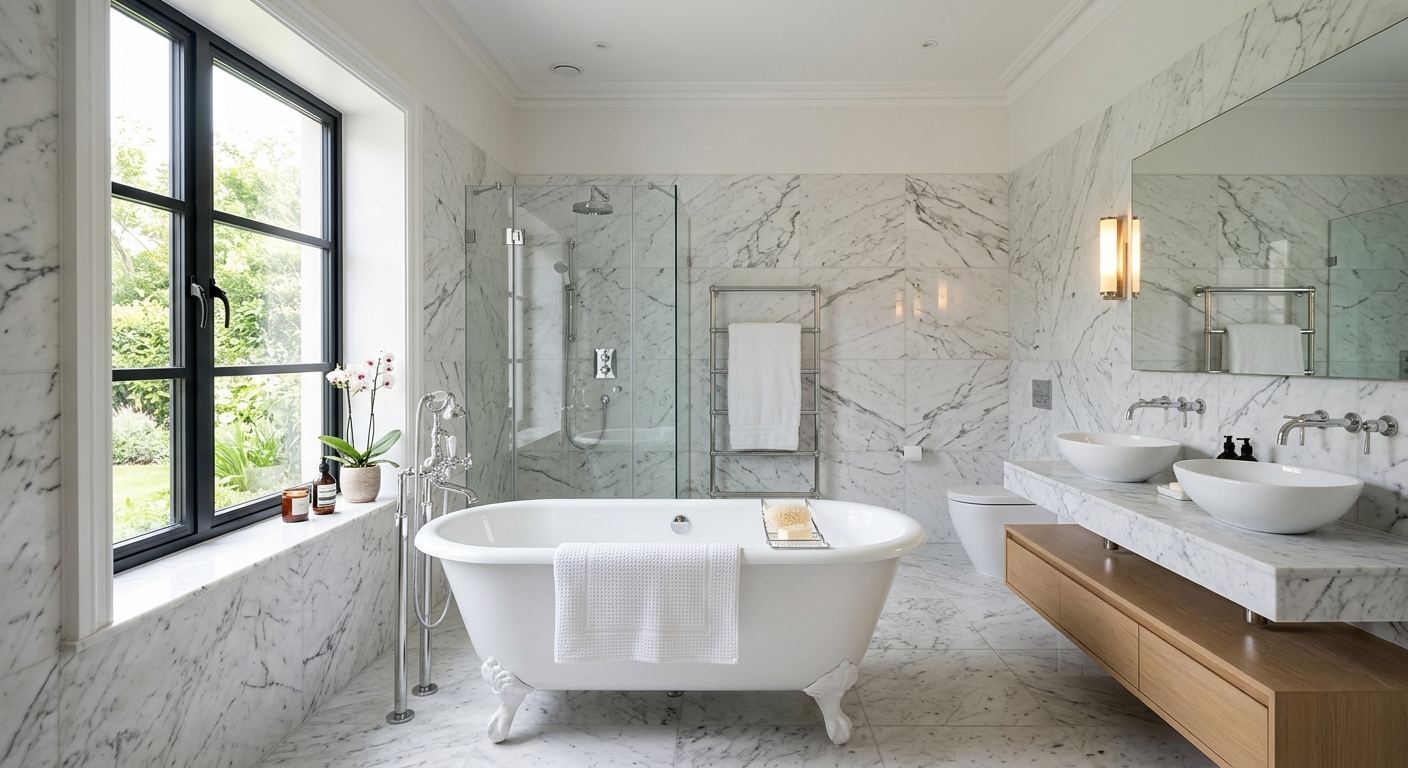
Bathroom renovation options and costs in Sunset
In Sunset, British Columbia, bathroom renovations are driven more by local labour demand and the age of the housing stock than by weather alone. With a population of about 36,500 (Statistics Canada, 2021 Census), the Lower Mainland–Southwest market consistently supports trades—so once you open a wall, you’re often competing for plumbers, tilers, and electricians. Just as important, many homes here are mid-century or older, and in pre-1980 layouts it’s common to find dated plumbing paths, aging drains, and potential asbestos-containing materials in older flooring or drywall compound. Any discovery like cast-iron drains, galvanized supply lines, or knob-and-tube wiring can expand scope quickly.
Even though Sunset’s coastal climate brings regular humidity, contractors typically plan around moisture management rather than “weather-day” delays. The real cost pressure comes from how often contractors need to upgrade venting, improve waterproofing details, and bring electrical to current safety expectations. In practice, projects frequently expand during demolition: plumbing and venting upgrades plus proper ventilation are where many budgets move from “cosmetic” toward “full renovation.” That’s especially true in neighbourhoods where older homes cluster and bathroom layouts haven’t been touched since original construction—many homeowners see this most often in the central Sunset residential pockets where mid-century renovations are common.
Below is a practical comparison of common renovation choices and what they typically include, so you can align expectations before you review quotes.
| Renovation Scope |
What's Included |
Typical Duration |
Price Range |
| Cosmetic refresh (paint, fixtures, accessories only) |
Repaint, replace vanity/top and fixtures, swap lighting/switches (no new circuits), reinstall toilet as-is, new accessories, recaulk |
3–6 days |
$4,500 – $10,000 |
| Mid-range full renovation (new tile, vanity, tub/shower, electrical) |
Remove and dispose, new tub/shower system, tile floor and surround, waterproofing, new vanity and fan/venting plan, updated electrical receptacles (as required) |
2–4 weeks |
$18,000 – $32,000 |
| High-end full renovation (custom tile, steam shower, heated floors) |
Custom tiled shower or steam shower design, premium waterproofing system, heated floor system, high-end fixtures, upgraded ventilation, detailed lighting plan |
4–7 weeks |
$32,000 – $45,000 |
| Shower-only installation (convert tub to walk-in shower) |
Remove tub, install walk-in shower base/drain solution, tile or surround, waterproofing, plumbing modifications to drain/supplies, new exhaust fan (often) |
2–3.5 weeks |
$12,000 – $25,000 |
| Bathtub replacement or tub-liner install |
Swap existing tub for new tub and controls, or install tub liner (where compatible), surface prep, sealing, basic re-caulking and finish trim |
5–10 days |
$1,500 – $6,000 |
| Tile-only installation (floor + surround, existing layout kept) |
Demo to tile depth, replace floor and/or shower surround tile, underlayment prep, waterproofing, grout/caulk, reinstall fixtures if retained |
1.5–3 weeks |
$2,000 – $8,000 |
Prices are estimates only and vary by project scope, site access and material selection.
What affects the price of bathroom renovation in Sunset
If you’re comparing quotes for the same bathroom in Sunset, it’s normal to see pricing swing by 30–50% across the Lower Mainland–Southwest compared to other parts of BC. The biggest drivers here are regional labour rates and what we uncover in older homes—not the day-to-day coastal weather. In many mid-century and pre-1980 houses, renovations uncover cast-iron or galvanized supply/drain components and sometimes insufficient ventilation. When that happens, the work shifts from “finishes” to “systems”: drain/vent upgrades, better exhaust, and updated electrical safety details.
Across the Lower Mainland–Southwest region, older housing stock can also increase the risk of asbestos-containing materials. If asbestos is discovered in pre-1985 flooring or drywall compound during demo, abatement protocols and additional trades add meaningful cost—commonly adding $1,500–$5,000+ depending on scope and materials involved. That’s one reason why a bathroom that looks like a straightforward remodel can land at mid-range pricing (often around $18,000 – $32,000 for a mid-range full renovation) or push toward high-end totals when systems upgrades are required.
Two concrete examples I see often in Sunset: (1) converting a tub to a walk-in shower usually requires drain rework, which increases labour and materials beyond simple wall demo—shower-only projects often land in the $8,000–$25,000 band. (2) large-format tile or a custom shower niche can be priced differently because it demands flatter surfaces and more prep time; if the subfloor or framing is out of level, the “small” tile job becomes a subfloor correction scope. Planning for these realities helps you keep the budget closer to the estimate.
| Price Factor |
Why It Matters |
Cost Impact |
| Layout change — moving drain or supply lines requires rough-in work |
Changing where fixtures sit adds plumbing rough-in, possible joist/ceiling access, and inspection time |
Often +$3,000–$10,000 depending on distance and wall openings |
| Tile selection — large-format porcelain vs. mosaic vs. ceramic |
Size affects prep, layout time, and how much tile gets cut/used; porcelain is denser and can be harder to work |
Often +$1,000–$6,000 on a typical full tile scope |
| Fixture tier — builder-grade vs. mid-range vs. designer brands |
Higher tiers bring better valves, finishes, and warranties; some have more complex trim requirements |
Often +$500–$5,000+ depending on the line-up |
| Subfloor condition — rot or unlevel concrete adds scope |
Bathrooms fail when the substrate moves; repairs require demolition, framing adjustments, and additional waterproofing prep |
Often +$1,000–$8,000+ |
| Electrical — adding GFCI outlets, exhaust fan, heated floor circuit |
New circuits and fan/lighting upgrades require licensed electrical work and code-compliant wiring/ventilation |
Often +$800–$4,500 |
| Waterproofing method — membrane type and extent |
Proper waterproofing is the “insurance” layer; more complete coverage or stronger systems cost more but reduce failure risk |
Often +$400–$3,000 |
| Older-home surprises — asbestos tile, cast-iron drains, galvanized pipes |
Discovery triggers remediation/extra trades; drain upgrades can require more wall/ceiling access |
Often +$1,500–$10,000+ depending on what’s found |
| Bathroom size — sq ft drives tile and labour time directly |
More area means more tile, more waterproofing, and longer installation and curing windows |
Small bathrooms may save $2,000–$6,000 versus larger layouts |
Permits & regulations in British Columbia
In British Columbia, cosmetic updates—swapping a vanity, repainting, replacing fixtures, or retiling without changing plumbing locations—often don’t require the same type of permit as work that alters building systems. That said, anything involving new electrical circuits, moving plumbing (like relocating a drain or supply line), or changes to structural walls typically crosses into “permit-required” territory. For bathroom renovations in Sunset, the most common permit triggers are: (1) plumbing rough-in changes (moving drains/supplies), (2) adding or relocating an exhaust fan that requires new wiring and/or a new circuit, and (3) any structural wall modifications to open for services.
Electrical work must be completed by a licensed electrician or at minimum signed off to meet BC electrical safety expectations. Plumbing rough-in typically requires a permit and inspection after rough-in and before closing walls. A reputable contractor will verify what’s required before work starts so you aren’t stuck discovering permit needs mid-reno.
Step-by-step for homeowners: first, ask for the contractor’s British Columbia trade licence details and confirm they match the trade scope (general contractor/renovator credentials where applicable, plus the specific licensed trades for plumbing/electrical). Second, request a certificate of insurance—general liability—and check that it’s active for the project period. Third, confirm required workplace safety coverage: if the contractor is employing workers, ask about WSBC/WCB coverage. You should receive a clearance letter or documentation upon request. Finally, keep these documents in your renovation file and ensure permits (if needed) are pulled under the correct party before start dates.
Choosing tile, waterproofing and fixtures for your Sunset bathroom
In Sunset, three material decisions usually determine both your budget and your long-term performance: tile choice, waterproofing method, and fixture tier. First, tile: ceramic is the entry-level option for floors and walls, while porcelain is denser and often better for higher-traffic floors and wet areas. Natural stone (marble, travertine, slate) looks premium but can demand more labour for layout and sealing, and it’s less forgiving if the substrate isn’t perfectly prepared.
Second, waterproofing: in the Lower Mainland–Southwest, bathroom humidity is a constant. That’s why paint-on waterproofing products can work for limited applications, but full shower systems generally benefit from a bonded sheet membrane or a proven thin-set membrane approach (including Schluter-style systems where appropriate). The key isn’t only the brand—it’s correct installation details: correct bonding, proper seam handling, and correct upturn heights at transitions.
Third, fixtures: builder-grade taps and toilets often cost less upfront, but mid-range or designer fixtures can improve day-to-day performance and resale appeal. When budgets tighten, it’s usually smarter to spend on waterproofing and proper ventilation first, then upgrade visible finishes. For example, upgrading to a higher-quality porcelain tile can be justified if it reduces breakage and improves floor wear; the labour and waterproofing remain the same, so the additional cost is often the material delta plus some layout effort. In contrast, jumping to natural stone without ensuring the substrate is level can waste money.
For most Sunset homeowners aiming for predictable totals in the mid-range band, I recommend balancing tile tier with a waterproofing system that’s built for BC bathroom conditions—especially if you’re opening walls and already dealing with older plumbing arrangements.
| Material / Option |
Pros |
Cons |
Price Range |
| Ceramic tile (floor + walls) |
Affordable; wide style selection; easier to source; good for walls |
Can be less durable for floors depending on grade; may stain if poorly sealed |
$2,000 – $4,500 |
| Porcelain tile (floor + walls) |
Denser and more water-resistant; better scratch/impact performance; great for wet-room floors |
Can be heavier and sometimes slower to cut/install; premium tiles may increase layout time |
$4,000 – $7,000 |
| Natural stone (marble, travertine, slate) |
Luxury look; unique character; strong design impact |
Requires sealing/maintenance; can be sensitive to substrate movement; more labour and breakage risk |
$6,000 – $10,000 |
| Frameless glass shower enclosure |
Modern appearance; easier to clean; visual openness for smaller bathrooms |
Higher cost; needs precise wall alignment and proper waterproofing detailing |
$2,000 – $6,000 |
| Prefab tub surround (acrylic) |
Fast install; less tile labour; consistent waterproofing components when installed correctly |
Fewer design options; seams need careful sealing; can be less “premium” visually |
$1,500 – $4,000 |
| Custom shower pan (tile or linear drain) |
Best for integrated look; improved drainage with linear drain options; design flexibility |
More labour due to slope, reinforcement, and waterproofing; timing depends on curing windows |
$3,500 – $9,000 |
How to choose a bathroom renovation contractor in Sunset
Start by verifying credentials the right way for British Columbia. Ask each contractor for: (1) their BC trade licence details for the scope they’ll perform, (2) proof of liability insurance (active certificate of insurance for your job dates), and (3) workplace safety coverage—WSBC/WCB clearance documentation or confirmation if they employ workers. Don’t accept “it’s covered” without paperwork; you want to see dates and policy details. For plumbing and electrical components, confirm the specific licensed trades are also part of the project.
Next, get 2–3 written, itemised quotes—labour and materials broken out—rather than one lump sum. This matters because bathroom budgets shift when we open walls. Your quote should list what tile inclusions are assumed (floor size, grout type, thinset/properties), what waterproofing system is used, and whether disposal, patching, and painting are included. Read the scope carefully for exclusions like permit pulls, protection of floors/fixtures, drywall replacement limits, and whether old fixtures are hauled away.
Warranty should be in writing: confirm workmanship warranty length, product/manufacturer warranty terms, and whether warranties are transferable to new owners if you sell. Payment schedule matters in Sunset renovations: never pay more than 10–15% upfront; use progress payments tied to milestones, and hold back a portion until the job is complete and you’ve done a final walkthrough. Finally, demand a start date and completion estimate in writing—plus what happens if materials are delayed.
- Confirm BC licence for each trade involved (general + plumbing/electrical where applicable).
- Request certificate of liability insurance and verify project dates match your schedule.
- Ask for WSBC/WCB clearance documentation if they have employees.
- Get 2–3 itemised quotes (labour + materials), not lump sums.
- Require a written scope list: inclusions, exclusions, and allowance pricing for fixtures/tile.
- Confirm waterproofing method and coverage (shower walls, floor edges, niche details, transitions).
- Ask who pulls permits if required and whether permits/inspections are included in the quote.
- Clarify disposal and protection: demolition haul-away, recycling, and site cleanup frequency.
- Confirm electrical details: GFCI outlets, exhaust fan, lighting, and heated-floor circuit handling.
- Review warranty terms for workmanship and products; ask if they’re transferable.
- Set a payment plan with 10–15% maximum upfront and a holdback until final completion.
- Get a schedule with start date, milestones, and an estimated completion window.
In Sunset, red flags I watch for include: vague scopes that omit waterproofing specifics, quotes that treat permits as optional when plumbing/electrical is changing, refusing to provide insurance/licence paperwork, offering unusually low prices that don’t include proper demolition/disposal, and pressuring you into large upfront payments. If a contractor can’t clearly explain the build-up layers behind tile and shower waterproofing, that’s a major warning sign.
Frequently asked questions — bathroom renovation in Sunset
How much does a bathroom renovation cost in Sunset?
In Sunset, a full bathroom renovation typically falls in the Lower Mainland–Southwest reality range of about $18,000 – $45,000, depending on how much you change (finishes only vs. plumbing/electrical updates), the quality of tile/fixtures, and any older-home discoveries. Cosmetic refreshes are usually cheaper because they avoid opening walls and systems, while mid-range full renovations commonly include new tile, a tub/shower or shower system, and updated electrical needs. If your plan includes converting a tub to a walk-in shower, budgets often sit higher because drain modifications and ventilation planning are part of the work. Also factor in that older homes can hide issues (like aged drains or supply lines), which can expand scope once demolition starts.
How long does a bathroom renovation take in Sunset?
Timelines in Sunset usually depend on trade availability and how much demolition reveals once walls are opened. Cosmetic refresh projects can be quick—often around 3 to 6 days—because they don’t require plumbing rough-in or extensive waterproofing rebuilds. Mid-range full renovations typically take about 2 to 4 weeks, while higher-end work with custom tiling and heated floors can extend to 4 to 7 weeks. Shower-only conversions commonly land around 2 to 3.5 weeks, since plumbing modifications and waterproofing need proper cure/inspection windows. If asbestos abatement is required, schedules can increase because remediation must be completed before finishing trades can proceed.
Do I need a permit for a bathroom renovation in British Columbia?
In British Columbia, many cosmetic-only updates don’t require permits—like swapping fixtures, repainting, or retiling without moving plumbing. However, permits are typically required when you change plumbing locations (moving drains or supply lines), add or relocate an exhaust fan that involves new wiring/circuits, or make structural wall changes. Electrical work must meet provincial code, and licensed electricians typically handle any new circuits. Plumbing rough-in changes generally require a permit and inspection before walls are closed. The most reliable approach in Sunset is to ask your contractor to confirm permit needs based on your exact scope before demolition, and to document who will pull permits if required.
What's the best tile for a bathroom in Sunset?
The “best” tile in a Sunset bathroom is the one that matches your wet-area performance needs and your installation quality. For most homeowners, porcelain is often the best balance: it’s dense, more water-resistant for floors, and holds up better to the daily moisture load typical of British Columbia bathrooms. Ceramic is fine for many wall applications and some floors, but grade matters. Natural stone can look exceptional, especially in higher-end renovations, but it needs careful substrate preparation and ongoing sealing/maintenance. Regardless of tile type, the waterproofing system and proper substrate flatness are what prevent failures like cracked grout or recurring leaks. If you’re budgeting in the mid-range $18,000 – $32,000 band, porcelain plus an excellent waterproofing build-up is usually a strong value.
Should I do a tub-to-shower conversion?
A tub-to-shower conversion is often a smart choice in Sunset because many bathrooms benefit from accessibility, easier cleaning, and better day-to-day use—especially if you’re staying in the home longer. From a cost perspective, it’s usually more than a cosmetic refresh because converting requires drain/supply adjustments, a properly sloped shower pan, and correct waterproofing detailing around the new shower footprint. Typical “shower installation” budgets in the region often sit around $8,000 – $25,000, depending on whether plumbing venting and electrical (like adding a fan) are part of the scope. Whether it’s worth it depends on your bathroom size, the condition of existing plumbing, and how much wall opening the contractor expects.
How do I prevent mold in a Sunset bathroom?
Mold prevention in Sunset is mainly about moisture control and preventing water intrusion behind finishes. Start with proper ventilation: a correctly sized exhaust fan vented to the exterior, installed with safe electrical connections, helps remove humidity after showers. Second, use a proven waterproofing system with correct coverage at floors, shower walls, and transitions—paint-on solutions are generally not the right choice for full shower assemblies where failure risk is higher. Third, ensure all penetrations (valves, niches, fixtures) are sealed properly and that grout/calc joints are maintained. In older Lower Mainland–Southwest homes, hidden leaks around aging drains or supply lines can drive chronic moisture, so inspection and plumbing upgrades sometimes matter as much as finishes. If your home is pre-1985, also consider the risk of asbestos during demo and follow remediation requirements if discovered.