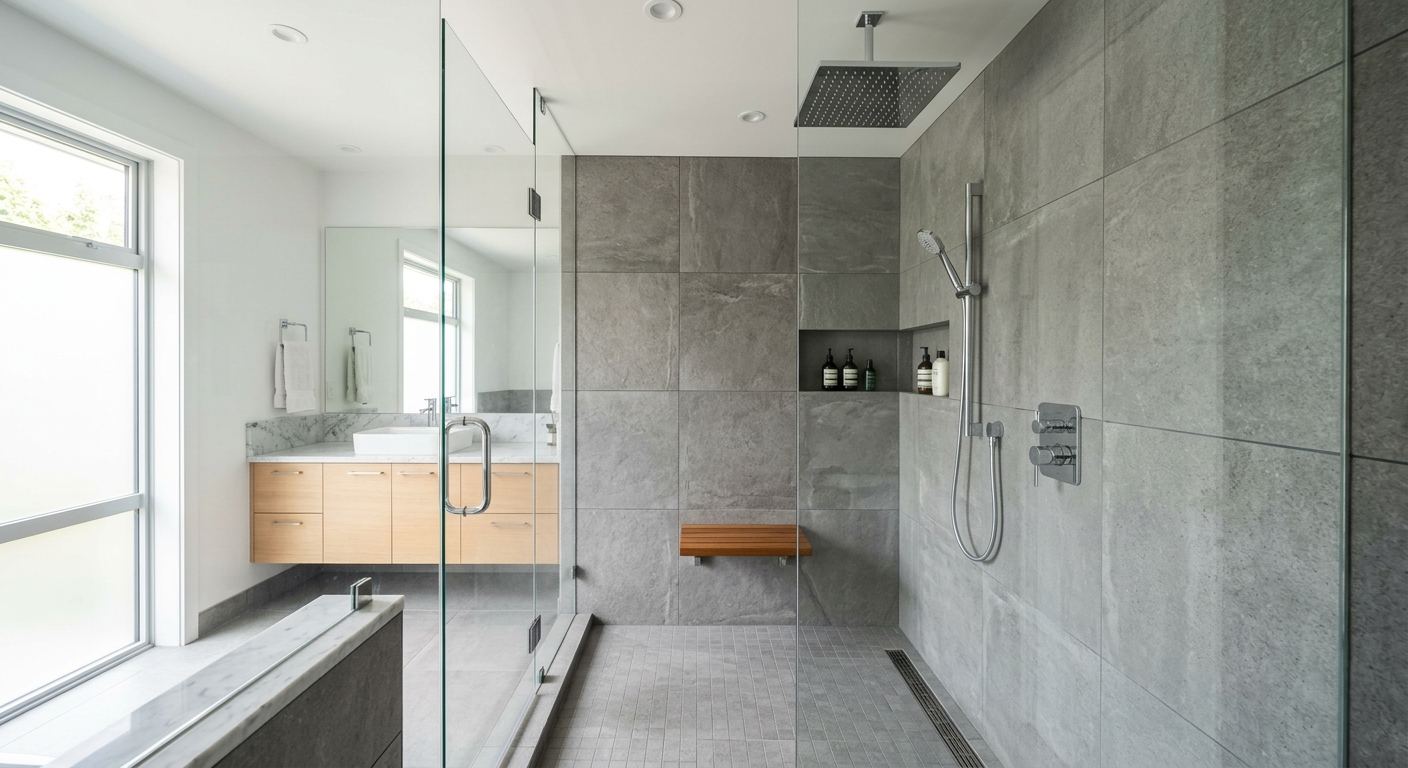
Bathroom renovation options and costs in Chinatown
In Chinatown, British Columbia, bathroom renovations tend to follow a few common upgrade paths—from simple cosmetic refreshes to full system overhauls. That’s largely because the housing stock in the Lower Mainland–Southwest is often older: with 24,000 residents (Statistics Canada, 2021 Census), the area includes a mix of older apartments and mid-century homes where dated plumbing layouts and subfloor assemblies are more common. In many pre-1980 properties, it’s not unusual to discover ageing drains (including cast-iron or early galvanized piping), outdated electrical, and sometimes asbestos-containing materials in older floor tile, drywall compound, or insulation—issues that can quietly expand a project once walls and floors come off.
Costs in this region are driven more by labour rates and housing age than by weather. Metro Vancouver and surrounding areas like Burnaby, Richmond, Surrey, and Abbotsford consistently have higher construction labour demand, which translates into higher per-trade rates for plumbers, electricians, and tilers. Even though Chinatown’s day-to-day climate isn’t “extreme,” British Columbia’s frequent indoor humidity still makes waterproofing and ventilation non-negotiable—so budgets often include better exhaust fans, proper membrane systems, and ventilation ducting when walls open.
Within Chinatown, we also see especially strong scheduling demand for tile and waterproofing work in and around main-street retail/residential blocks, where access can be tighter and trade coordination matters more. Use the table below to compare realistic scopes and price ranges before you request site-specific quotes.
| Renovation Scope |
What's Included |
Typical Duration |
Price Range |
| Cosmetic refresh (paint, fixtures, accessories only) |
Paint, caulking, swap vanity and toilet/fixtures (no plumbing relocation), lighting refresh, accessories; existing tile left as-is |
3–7 days |
$18,000–$25,000 |
| Mid-range full renovation (new tile, vanity, tub/shower, electrical) |
Demo to substrate, new waterproofing, tile floor and surround, vanity and mirror, tub-to-shower updates as scoped, new exhaust fan (often ducted), GFCI upgrades, basic lighting |
2–4 weeks |
$25,000–$35,000 |
| High-end full renovation (custom tile, steam shower, heated floors) |
Higher-end tile/stone, full custom shower/tub system, steam unit or premium shower trim (as selected), heated floor circuit, enhanced waterproofing details, custom glass, upgraded lighting |
4–6 weeks |
$35,000–$45,000 |
| Shower-only installation (convert tub to walk-in shower) |
Remove tub, rebuild shower framing, waterproof pan/membrane, new shower surround and valve trim, linear drain or standard drain (as scoped), exhaust fan check/upgrade |
2–3 weeks |
$18,000–$28,000 |
| Bathtub replacement or tub-liner install |
Replace tub (or install liner where applicable), new trim/fixtures, recaulk and seal, confirm drain condition and re-tie waterproofing at tub deck |
1–2 weeks |
$1,500–$6,000 |
| Tile-only installation (floor + surround, existing layout kept) |
Tile demo (controlled), surface prep, tile floor and wall surround, waterproofing system if upgrading; plumbing stays in place |
1–2 weeks |
$2,000–$8,000 |
Prices are estimates only and vary by project scope, site access and material selection.
What affects the price of bathroom renovation in Chinatown
In Chinatown, British Columbia, two quotes for the “same” bathroom can easily land 30–50% apart, even when the finishes look similar on paper. The biggest reason isn’t climate—it’s labour rates plus what’s hidden behind older walls and floors in the Lower Mainland–Southwest. When plumbers and electricians are booked tightly, and when tilers are coordinating with multiple trades in a compact space, labour becomes the schedule driver. That’s why labour rates and the age of the housing stock usually explain more of your budget than temperature or rainfall.
Older local homes can hide cast-iron or galvanized/copper supply issues, and ventilation that no longer meets how bathrooms should dry out today. Once walls open, we frequently find drains that need upgrading, supply lines that need new valves, or ducting that’s inadequate—each change adds rough-in work and time. If asbestos-containing materials are discovered (common in certain older flooring and drywall compounds), remediation triggers additional contractors, testing, containment, and extended timelines; budget impacts are often in the range of $1,500–$5,000 or more depending on extent and disposal requirements.
Here are a few concrete examples I see in Chinatown: (1) keeping the layout (same drain and rough-in) usually keeps your project closer to the $18,000–$45,000 full-reno band; moving the toilet or shower valve often pushes the scope toward the higher end because it requires rough-in revisions. (2) Upgrading from basic waterproofing to a full membrane and correct flood-test approach reduces callbacks but adds materials and labour. (3) Tile format matters—large-format porcelain can be efficient once flatness is corrected, but if the subfloor needs prep, the “savings” disappear fast.
| Price Factor |
Why It Matters |
Cost Impact |
| Layout change — moving drain or supply lines requires rough-in work |
Changes plumbing rough-in, waterproofing tie-ins, and inspection steps |
$3,000–$12,000+ |
| Tile selection — large-format porcelain vs. mosaic vs. ceramic |
Material price and installation difficulty vary; more cuts and trims increase labour |
$1,000–$6,000+ |
| Fixture tier — builder-grade vs. mid-range vs. designer brands |
Valves, trims, and toilets vary in cost and sometimes in install complexity |
$500–$5,000+ |
| Subfloor condition — rot or unlevel concrete adds scope |
Needs repair, prep, and may require additional backer/underlayment systems |
$1,500–$8,000+ |
| Electrical — adding GFCI outlets, exhaust fan, heated floor circuit |
Licensed electrical work, wiring runs, and panel/circuit changes affect labour |
$800–$5,500+ |
| Waterproofing method — membrane type and extent |
Proper membrane coverage and detailing protect against moisture and mould |
$900–$4,500+ |
| Older-home surprises — asbestos tile, cast-iron drains, galvanized pipes |
May require testing/abatement, partial replacements, and extra disposal |
$1,500–$10,000+ |
| Bathroom size — sq ft drives tile and labour time directly |
More surface area means more tile, more prep, and longer installation |
+10% to +40% depending on size |
Permits & regulations in British Columbia
In British Columbia, cosmetic bathroom updates usually don’t need permits—this is where homeowners can often control cost. Swapping fixtures (like a vanity, toilet, tub trim, or faucets), repainting, and retiling without moving plumbing typically fall into the “no permit” category in practice. However, permits become relevant when you change the systems beneath the finishes.
Work that does typically require a permit includes: relocating plumbing (moving a drain or supply line), installing or altering ducted bathroom ventilation with new circuits, changing or extending electrical circuits (for example, adding a new heated-floor circuit or upgrading to code-compliant GFCI where it requires wiring changes), and structural wall changes that affect framing. If you’re opening walls for waterproofing improvements tied to plumbing work, you’re also more likely to trigger inspection steps for rough-in and final sign-off.
For a Chinatown homeowner, I recommend verifying a contractor’s British Columbia licence and coverage in a simple sequence: (1) request their trade licence number and confirm it through the appropriate online licence registry, (2) ask for a current certificate of insurance showing liability coverage, and (3) confirm WSBC/WCB coverage for employees by requesting a clearance letter or proof of account status (your contractor should provide this readily). Only then should you sign off—especially on jobs involving plumbing rough-in and electrical updates.
Choosing tile, waterproofing and fixtures for your Chinatown bathroom
In Chinatown and across the Lower Mainland–Southwest, your bathroom budget is often decided by three material choices: tile type, waterproofing system, and fixture tier. First, tile choice affects both price and installation complexity. Entry-level ceramic can be cost-effective, but it still needs careful substrate prep and proper waterproofing detailing. Porcelain is denser and more consistent for wet-area floors and walls, and it often tolerates daily bathroom use better.
Second, waterproofing is where British Columbia’s indoor humidity becomes “real money.” A paint-on membrane can work for select situations, but in showers and tub surrounds, many homeowners do better with a bonded sheet membrane or a well-detailed system (including correctly overlapped seams and proper drain flashing). The goal is to prevent moisture from getting behind tile—reducing mould risk and avoiding costly tear-outs later.
Third, fixture tier impacts budget and resale. Builder-grade taps and trims are fine, but mid-range or designer brands can offer smoother valve control, better finishes, and longer-lasting components—especially noticeable in high-use condos and older homes with older valve bodies.
Example: If you’re comparing tile-only finishing, moving from mid-range porcelain to premium stone might add a few thousand dollars. But the savings often aren’t justified if the bathroom also needs subfloor correction or upgraded waterproofing—those foundations are what protect the project. For a full refresh that stays closer to the $25,000–$35,000 range, I usually suggest prioritizing waterproofing quality and using upgraded porcelain tile for the wet zone rather than chasing luxury stone everywhere.
| Material / Option |
Pros |
Cons |
Price Range |
| Ceramic tile (floor + walls) |
Lower material cost, wide style selection, easy to source and match |
Can be less forgiving under heavy impact; glaze consistency varies by brand |
$2,000–$4,500 |
| Porcelain tile (floor + walls) |
More durable, better moisture performance, often available in large formats |
Can require more careful substrate flatness to look perfect |
$3,500–$7,500 |
| Natural stone (marble, travertine, slate) |
High-end look, unique veining, strong curb appeal |
Sealing and maintenance; some stones are softer or more stain-prone |
$6,000–$12,000+ |
| Frameless glass shower enclosure |
Modern appearance, easier visual space, durable tempered glass |
Higher hardware cost; must be installed precisely on level surfaces |
$2,500–$6,000 |
| Prefab tub surround (acrylic) |
Faster install, fewer tile-cutting details, good for budgets and rental turnovers |
Less design flexibility; seams and edges need careful finishing |
$1,200–$3,500 |
| Custom shower pan (tile or linear drain) |
Best long-term look with integrated drainage; linear drains can modernize layouts |
More waterproofing and framing precision; higher labour cost |
$1,800–$7,000 |
How to choose a bathroom renovation contractor in Chinatown
Choosing the right contractor in Chinatown starts with verification. In British Columbia, confirm they hold the right trade licences for the work you’re doing and provide proof of liability insurance. For coverage, ask for their certificate of insurance (showing limits and effective dates) and evidence of WSBC/WCB coverage—ideally a clearance letter or current proof of coverage that matches their workforce on your project. Don’t rely on verbal assurances; request documents before scheduling demolition.
Then get 2–3 itemised written quotes. Look for a breakdown that separates labour and materials (tile, substrate prep, waterproofing system, fixtures, electrical and plumbing labour). A lump sum with no scope details is a common sign of budget drift. Carefully read what’s excluded: disposal and hauling, permit handling, drywall and subfloor repair, and whether waterproofing includes flood testing and proper membrane transitions. Warranty matters too—ask for the workmanship warranty length and whether it’s tied to the contract name and transferable if you sell.
On payment schedule, don’t pay more than about 10% to 15% upfront. Use holdsback until completion milestones are achieved (for example, waterproofing verified, rough-ins completed, and final tile sealed). Finally, get a written start date and a realistic completion estimate. Bathroom schedules are trade-dependent in the Lower Mainland–Southwest, so timeline clarity is critical—especially when older plumbing surprises occur.
- Verify British Columbia trade licence for the specific tasks in the quote (plumbing/electrical/tiling where applicable).
- Request certificate of insurance with liability limits and effective dates.
- Confirm WSBC/WCB coverage with a clearance letter or proof of active coverage.
- Get itemised labour + material pricing (not one lump number).
- Ensure permit responsibilities are clearly stated (included or separate).
- Confirm disposal/hauling of tile, drywall, and fixtures is included.
- Ask what waterproofing system is being used and for which areas (floor, niches, tub-to-wall junction).
- Confirm whether waterproofing includes proper transitions and testing.
- Ask who supplies fixtures and trim, and whether you can change selections mid-job.
- Review the schedule: demolition start, plumbing/electrical rough-in, tile lead time, and final close-in.
- Check warranty documentation for workmanship and manufacturer warranties for tile/fixtures.
- Use a payment schedule that includes holdsback until completion and final walkthrough.
Red flags to watch in Chinatown: vague scopes with missing exclusions, no written warranty terms, requests for large upfront payments (well beyond 10%–15%), quotes that don’t explain waterproofing details, and contractors who can’t produce licence/insurance/WSBC/WCB proof when asked.
Frequently asked questions — bathroom renovation in Chinatown
How long does tile installation take in a Chinatown bathroom?
In Chinatown, tile timelines depend on the bathroom size, how level the substrate is, and whether you’re changing the waterproofing system. For many mid-range bath renovations, tile installation commonly takes about 5–10 working days, with additional days for substrate prep, waterproofing cure times, and grout/seal steps. If you’re keeping the layout and doing a tile-only scope, expect around 1–2 weeks in total once you factor in demo, prep, and cure. If your contractor discovers older subfloor issues (common in older buildings) and needs repairs before setting tile, the schedule can extend. In the Lower Mainland–Southwest, trade availability can also affect start dates, so it’s smart to lock in waterproofing and tile lead times early to keep your project closer to the $25,000–$35,000 full-renovation band timing.
How much does a bathroom renovation cost in Chinatown?
Bathroom renovation costs in Chinatown typically track Lower Mainland labour demand and what’s hidden behind walls and floors. As a realistic planning range, full renovations often land between $18,000–$45,000, depending on finishes and whether you’re also upgrading plumbing and electrical. If you’re doing a more focused upgrade—like a shower-only installation converting a tub to a walk-in—pricing often falls roughly within the $8,000–$25,000 market band for that component, but the real number depends on rough-in changes and waterproofing details. Older homes may add cost if cast-iron drains, galvanized supply lines, or asbestos-containing materials are encountered during demo. Those surprises are why good contractors investigate early and price contingencies transparently, so you’re not blindsided after walls open.
How long does a bathroom renovation take in Chinatown?
For Chinatown bathrooms, typical timelines range from about 3–7 days for a cosmetic refresh to 2–4 weeks for a mid-range full renovation. High-end projects with custom tile features, steam systems, or heated floors often run 4–6 weeks. The biggest timeline drivers are not weather—they’re labour availability and the complexity of multiple trades working in a small, tight space. If your contractor needs to upgrade plumbing venting, replace aged drainage components, or adjust electrical circuits for a new exhaust fan or heated floor, the project can extend. In older buildings, schedule can also slip if testing or remediation is required for asbestos-containing materials discovered during demolition. That’s why a written schedule with clear milestones matters: demolition, rough-in inspections, waterproofing cure times, tile installation, and final fixtures are usually what set the pace.
Do I need a permit for a bathroom renovation in British Columbia?
In British Columbia, you often don’t need a permit for purely cosmetic work like swapping fixtures, replacing a vanity, repainting, or retiling while keeping plumbing where it is. However, permits typically apply when you relocate plumbing (moving a drain or supply line), make electrical changes that involve wiring/circuits, add or modify ventilation that requires new electrical work, or change structural components. Electrical work must meet provincial code and be performed or signed off by a licensed electrician. Plumbing rough-in changes also typically require a permit and inspection. For Chinatown homeowners, the best practice is to ask your contractor to specify which steps require permits and inspections, then request confirmation that they’re handling the process. Also verify their British Columbia trade licence and liability coverage before work begins.
What's the best tile for a bathroom in Chinatown?
For most Chinatown bathrooms, porcelain tile is often the best balance of durability, moisture tolerance, and long-term performance in the Lower Mainland–Southwest. Ceramic can work well, but porcelain generally handles wet-area conditions more reliably, especially for floors. The “best” choice also depends on slip resistance (for safety), bathroom size and layout (more cuts and trims increase labour), and the substrate condition. If you have an older floor that’s not perfectly flat, porcelain may highlight imperfections unless the contractor addresses prep thoroughly. Natural stone looks premium, but it needs sealing and maintenance—great if you want the look and will keep up with care. Whatever you choose, pair tile with the correct waterproofing method; in British Columbia’s humid environment, waterproofing quality matters as much as tile brand.
Should I do a tub-to-shower conversion?
A tub-to-shower conversion is often worth it in Chinatown when you want easier access, plan to stay in the home longer, or your tub surround is dated and failing. Converting to a walk-in shower typically costs more than a simple refresh because it can involve removing the tub, rebuilding the shower base, upgrading waterproofing, and sometimes adjusting plumbing and exhaust ventilation. If your layout stays close to existing rough-in points, the project can align with the $18,000–$28,000 shower-only installation range. If you need to move drains or supplies or discover older pipe issues behind the wall, expect the scope to grow. This is also a good time to upgrade to a modern shower valve and ensure proper venting—bathrooms dry better and you reduce mould risk. A reputable contractor will recommend the right waterproofing system and discuss drain choices (standard vs. linear) based on your subfloor and slope.