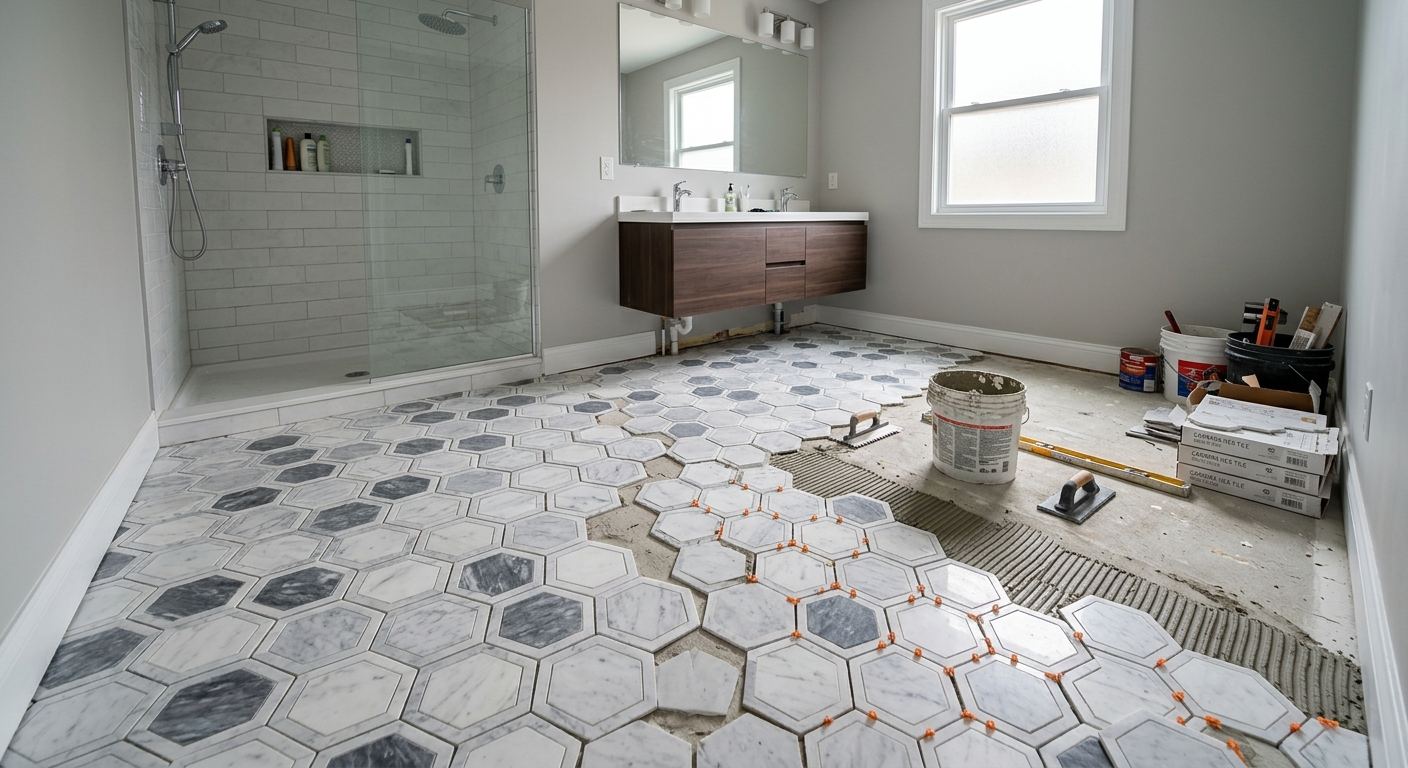
Bathroom renovation options and costs in Glenmore
Bathroom renovations in Glenmore typically start with one big decision: how much of the existing system you want to keep. With Glenmore’s population at 1,028 (Statistics Canada, 2021 Census), most jobs serve a tight local market where trades can be booked quickly and material availability becomes a planning factor. Just as important, many homes in the Lower Mainland–Southwest area are older, and that age often means dated plumbing layouts and drain materials that don’t like to be “patched forever.” In pre-1980 builds, it’s also more common to encounter asbestos-containing flooring materials or drywall compound, which can affect timing and add abatement scope once walls are opened.
Pricing in the Lower Mainland–Southwest is driven more by labour rates and housing age than by weather. Metro Vancouver’s higher construction labour costs—especially for plumbers, tilers, and electricians—push project totals upward compared with other parts of British Columbia. Even though Glenmore doesn’t have extreme bathroom-freezing conditions, bathrooms still have to be built to handle constant humidity: ventilation, waterproofing, and modern rough-in details are where many “scope expansions” come from.
In Glenmore—particularly around Discovery Place and adjacent residential pockets—tile work and plumbing upgrades are often in high demand because many renovations are triggered by aging mid-century finishes and systems. That’s why the same bathroom can land anywhere from a simple refresh to a full reconfiguration once demolition reveals surprises. Use the comparison below to anchor your budget before you request itemised quotes.
| Renovation Scope |
What's Included |
Typical Duration |
Price Range |
| Cosmetic refresh (paint, fixtures, accessories only) |
New vanity or faucet/fixtures where plumbing stays put, paint, accessories, re-caulk, lighting refresh (no new circuits), trim updates |
3–7 days |
$6,000–$12,000 |
| Mid-range full renovation (new tile, vanity, tub/shower, electrical) |
Demo and replace tub/shower or refresh shower system, new tile floor + surround, vanity, toilet, exhaust fan (electrical as needed), waterproofing, basic electrical upgrades, disposal |
2–3 weeks |
$18,000–$32,000 |
| High-end full renovation (custom tile, steam shower, heated floors) |
Custom shower/tub layout, heated floors, upgraded waterproofing system, designer tile work, steam-capable shower fixtures, premium lighting and ventilation, more complex electrical |
3–6 weeks |
$35,000–$45,000 |
| Shower-only installation (convert tub to walk-in shower) |
Convert tub to walk-in shower, new shower pan/waterproofing, glass enclosure, tile surround, updated drain/valve connections, exhaust fan upgrade if needed |
1.5–3 weeks |
$12,000–$25,000 |
| Bathtub replacement or tub-liner install |
Replace existing tub with new unit (or liner system if applicable), re-seal and tile modest surround updates, new trim, confirm drain condition |
3–10 days |
$1,500–$6,000 |
| Tile-only installation (floor + surround, existing layout kept) |
Tile floor + shower/tub surround only, re-grout/re-seal as needed, patch prep, waterproofing improvements within tile scope |
1–2.5 weeks |
$8,000–$20,000 |
Prices are estimates only and vary by project scope, site access and material selection.
What affects the price of bathroom renovation in Glenmore
Homeowners in the Lower Mainland–Southwest often get sticker shock when they compare quotes with other regions in British Columbia, and it’s usually because the same bathroom scope can move 30–50% based on labour rates and the condition of the “hidden” systems. In this part of BC, skilled plumbers, tilers, and electricians are in strong demand, and when walls and floors come up, you frequently have to bring plumbing and venting details up to current code expectations. Climate matters here—Glenmore homes face persistent indoor humidity—but it’s typically the age of the housing stock that determines how much remediation and rework is required.
Older homes in the Lower Mainland–Southwest region commonly include cast-iron or galvanized drains and dated copper supply lines. Once a contractor opens the work, there can be corrosion, pitch issues, or venting that doesn’t perform like modern systems. That turns a “replace finishes” renovation into rough-in upgrades. If asbestos-containing materials are discovered in vinyl floor tile or older drywall compound (commonly in pre-1985 homes), abatement protocols add meaningful time and cost; a typical allowance can add $1,500–$5,000 or more depending on what’s disturbed and how contained the work area must be.
Concrete Glenmore examples that raise costs: (1) moving a toilet or relocating plumbing can require cutting the slab and reworking drain runs, adding labour and inspection time; (2) patching an unlevel subfloor before tile can expand prep work; and (3) upgrading an exhaust fan to achieve proper airflow often triggers electrical work. On the other hand, keeping the existing layout can help a project land closer to the $18,000–$45,000 full-renovation band, while a focused shower conversion often prices more like the $8,000–$25,000 shower installation range when drains and framing cooperate.
| Price Factor |
Why It Matters |
Cost Impact |
| Layout change — moving drain or supply lines requires rough-in work |
New locations often mean cutting, rebuilding framing, and re-pitching drains for proper flow |
$3,000–$12,000 |
| Tile selection — large-format porcelain vs. mosaic vs. ceramic |
Harder tiles increase labour time and require better substrates and precision cuts |
$1,000–$6,000 |
| Fixture tier — builder-grade vs. mid-range vs. designer brands |
Premium trims, valves, and finishes can cost far more, and installs are more exacting |
$500–$8,000 |
| Subfloor condition — rot or unlevel concrete adds scope |
Water-damaged framing or uneven floors require repairs before tile can be installed |
$1,000–$7,000 |
| Electrical — adding GFCI outlets, exhaust fan, heated floor circuit |
Bathrooms often need upgrades for safety and code-compliant ventilation and control |
$800–$5,500 |
| Waterproofing method — membrane type and extent |
Better systems and proper detailing reduce failure risk in humid BC bathrooms |
$700–$4,000 |
| Older-home surprises — asbestos tile, cast-iron drains, galvanized pipes |
Discovery can trigger abatement, drain replacement, or extra demo and disposal |
$1,500–$15,000+ |
| Bathroom size — sq ft drives tile and labour time directly |
Tile area grows quickly, and more fixtures mean more time for precise waterproofing details |
$2,000–$10,000 |
Permits & regulations in British Columbia
In British Columbia, cosmetic bathroom updates usually don’t require permits—swapping fixtures, replacing a vanity, repainting, or retiling without changing the plumbing layout is typically handled as a straightforward renovation. However, if you’re relocating plumbing (moving a drain or supply lines), adding a new exhaust fan that requires new electrical work, changing structural walls, or making other modifications that affect how the bathroom functions, permits and inspections are often required. Electrical work must meet British Columbia electrical code requirements and be completed by a licensed electrician or signed off through the proper process.
As a homeowner in Glenmore, a practical way to verify a contractor is to do it in three steps. First, confirm the contractor’s relevant British Columbia trade licence where applicable (especially for plumbing and electrical scopes) and that they list your specific trade work in their capacity. Second, ask for a certificate of insurance and verify liability coverage is current; you should also request proof of the appropriate WSIB/WCB coverage (often WCB/worker compensation proof for the contractor and subtrades, depending on structure). Third, request clearance letters where applicable and keep copies for your records.
What typically needs a permit: plumbing rough-in changes, venting adjustments related to drains, electrical circuit additions for GFCI/exhaust/heat, and any structural changes. What typically does not: replacing fixtures in the same location, re-caulking, and retiling with no plumbing relocation.
Choosing tile, waterproofing and fixtures for your Glenmore bathroom
For bathroom renovations in Glenmore, three material choices usually decide both your budget and your long-term satisfaction: tile, waterproofing, and fixtures. Start with tile selection. Entry-level ceramic is often easiest on budget, but porcelain is usually worth considering because it handles moisture better and resists wear—important in BC where bathrooms run humid year-round. Natural stone (marble, travertine, slate) looks premium, but it demands more careful installation and sealing, and it can add labour due to cutting and tolerances.
Next, waterproofing method. A paint-on membrane can be adequate for certain surfaces when used correctly, but in shower environments the “system” matters: substrate prep, thinset selection, and full coverage detailing around changes of plane. Bonded sheet membranes and modern corner/thickness systems typically perform well in British Columbia’s humidity when installed with correct overlaps and compatible materials. If the waterproofing is rushed, moisture will find weak spots—especially where grout lines meet transitions.
Finally, fixture tier. Builder-grade valves and trims can be economical, while mid-range or designer fixtures can improve function and resale appeal through smoother operations and better finish durability.
Here’s where pricing is justified: upgrading to heated floors often adds cost, but it can be a comfort game-changer in a climate where bathroom floors stay cool in shoulder seasons. Conversely, spending heavily on decorative stone tile for a small powder-style area may not be the best ROI if most of your visible surface is quickly affected by grout maintenance.
| Material / Option |
Pros |
Cons |
Price Range |
| Ceramic tile (floor + walls) |
Budget-friendly, wide colour options, easier to source locally |
Can chip if subfloor isn’t perfectly prepped; may wear faster in high-traffic use |
$2,000–$6,000 |
| Porcelain tile (floor + walls) |
Moisture-resistant, durable, holds up well to daily bathroom cleaning |
Harder to cut; larger formats require tighter substrate tolerances |
$4,000–$10,000 |
| Natural stone (marble, travertine, slate) |
Luxe appearance, unique veining, premium feel |
More maintenance and sealing; higher labour and material wastage |
$7,000–$18,000+ |
| Frameless glass shower enclosure |
Clean, modern look; improves perceived space |
More expensive hardware; requires accurate framing and waterproofing details |
$1,800–$5,500 |
| Prefab tub surround (acrylic) |
Fast install, smooth surface reduces grout maintenance |
Less design flexibility; can be harder to integrate with custom tile transitions |
$800–$3,000 |
| Custom shower pan (tile or linear drain) |
Best drainage and custom slope; linear drains create a modern line |
Higher waterproofing and labour requirements; needs careful detailing |
$2,500–$8,000 |
How to choose a bathroom renovation contractor in Glenmore
Choosing the right contractor in Glenmore starts with verification. In British Columbia, ask for proof of the relevant trade licences for the work they’ll perform (plumbing and electrical are the big ones), plus current liability insurance. Then verify worker compensation coverage (WSIB/WCB/WCB clearance documentation, as applicable to the contractor’s structure) so you’re not exposed if someone is hurt on your property. Don’t rely on verbal claims—request the certificates and keep a copy with your quote documents.
Second, get 2–3 itemised written quotes. Look for line items that separate labour from materials (tile labour, waterproofing materials, rough-in plumbing allowances, electrical scope, disposal). A quote that only provides a single lump sum is harder to compare and easier for scope creep to hide in. Third, read exclusions carefully: is permit pull included, is asbestos testing/abatement anticipated, and is demolition/disposal included? In older Glenmore homes, the presence of dated drainage or potential asbestos-containing materials can change the project—your contract should describe what happens if surprises are found.
Warranty matters. Confirm the workmanship warranty length (often provided by the installer/contractor) and whether product warranties are manufacturer-backed. Also ask if warranties transfer if you sell the home—this can matter for resale.
Finally, keep payment terms sensible: typically no more than 10–15% upfront, with holdback until key milestones are complete. Get start date and a completion estimate in writing.
- Provide BC trade licence numbers for each relevant trade scope.
- Share a certificate of liability insurance (and ensure it’s current).
- Confirm worker compensation coverage documentation (WSIB/WCB/clearance proof as applicable).
- Use itemised pricing: labour vs materials vs allowances.
- Specify what’s included in waterproofing (materials + method + extent).
- State whether disposal/dump fees are included.
- Clarify permit pull responsibility and whether inspections are covered.
- List exclusions: what triggers extra charges (e.g., asbestos discovery, cast-iron replacement).
- Confirm timeline for rough-in, tile setting, waterproofing cure time, and final trims.
- Ask about the bathroom ventilation plan (fan sizing and ducting approach).
- Document warranty: workmanship length + what it covers.
- Agree on payment schedule with a holdback until completion and walkthrough.
Concrete red flags to watch for: a contractor who won’t provide insurance/coverage documents, quotes that lack waterproofing and permit details, payments demanding more than 10–15% upfront without milestones, a vague start date (“sometime next month”), or a refusal to itemise labour vs materials and exclusions in writing.
Frequently asked questions — bathroom renovation in Glenmore
What's the difference between a cosmetic and a full bathroom renovation?
In Glenmore and across British Columbia, a cosmetic renovation usually means you’re keeping the existing plumbing layout. Think repainting, replacing the vanity, swapping fixtures in the same locations, updating lighting, and doing accessory refreshes. A full bathroom renovation typically involves demolition to the extent needed for new tile, updated waterproofing, and often electrical and plumbing rough-in upgrades, especially if you’re changing a tub/shower to a walk-in or moving fixtures. That’s why full renovations commonly land in the $18,000–$45,000 band, while cosmetic refreshes are often far lower. If your home has older drains or supply lines, what looks “cosmetic” can turn into a full-scope budget once walls open.
How do I choose the right contractor for my bathroom in Glenmore?
Choose a contractor who can show British Columbia trade licensing details for the work they’ll do, plus current liability insurance and worker compensation coverage documentation (WSIB/WCB clearance proof as applicable). Then compare 2–3 itemised written quotes, not lump sums—look for waterproofing method, what’s included for disposal, and whether permits are part of the scope. Ask what happens if asbestos-containing materials are discovered or if cast-iron/galvanized components need replacement. In Glenmore, where trades can be booked quickly, a well-scoped quote with a clear timeline is usually a better value than a “lowest number” that doesn’t explain hidden risks. If the quote is missing specifics, it’s often a sign you’ll pay later through change orders.
What's the most common mistake homeowners make in bathroom renovations?
The most common mistake is under-scoping the job based on surface finishes alone—then getting surprised during demolition. For example, homeowners may budget for tile and fixtures but don’t plan for plumbing venting upgrades, drain condition issues, or the need for new electrical tied to GFCI protection and improved ventilation. In older Glenmore homes, surprises can include deteriorated supply lines or drains that can’t be safely repaired, and sometimes asbestos in older floor tile or drywall compound. Another frequent issue is skipping a clear waterproofing scope. Because a shower is a high-moisture area, the waterproofing system and detailing determine whether you’ll have mould and leaks later. Building a contingency mindset and verifying the underlying systems before finalising the budget helps prevent the biggest overruns.
How long does tile installation take in a Glenmore bathroom?
Tile installation timelines vary mainly by tile choice, bathroom size, and how much prep is required, not just by the number of tiles. In a typical Glenmore bathroom where the layout stays the same and subfloor prep is straightforward, tile work often fits into about 1–2.5 weeks total for the complete tile portion. If you’re installing porcelain large-format tile, doing custom shower niches, or correcting an unlevel subfloor, expect more prep and a longer set period. Waterproofing cure time and grout timing also affect the schedule, especially in humid indoor conditions common in British Columbia. In practice, contractors sequence waterproofing, then tile setting, then finishing—so the “wall tile days” might be shorter, while the overall tile phase runs longer due to cure and inspection steps.
How much does a bathroom renovation cost in Glenmore?
In Glenmore, realistic pricing follows the Lower Mainland–Southwest labour and trade-demand reality, especially in older homes. For most homeowners, full bathroom renovations typically range from $18,000–$45,000, with the midpoint depending on whether you’re keeping the layout and how much electrical/plumbing upgrading is needed once walls open. If you’re focusing on a shower-only conversion (like changing a tub to a walk-in), you’ll often see costs around $8,000–$25,000 depending on waterproofing complexity, drain changes, and the glass enclosure choice. Cosmetic refresh work is commonly lower, but the final number depends on whether plumbing, ventilation, or waterproofing systems are upgraded, not just finishes.
How long does a bathroom renovation take in Glenmore?
Typical bathroom renovation durations in Glenmore depend on scope and how many trades overlap in a small space. A cosmetic refresh may take about 3–7 days, while a mid-range full renovation often runs about 2–3 weeks. Higher-end work with heated floors, more custom tile, or complex shower builds can extend to 3–6 weeks. Shower-only conversions often land around 1.5–3 weeks. Schedule length is often tied to waterproofing cure times, waterproofing inspection steps, and the time needed for plumbing/electrical rough-ins and final trims. Labour availability in the Lower Mainland–Southwest can also affect start dates, especially when multiple bathrooms are renovated in the same season.