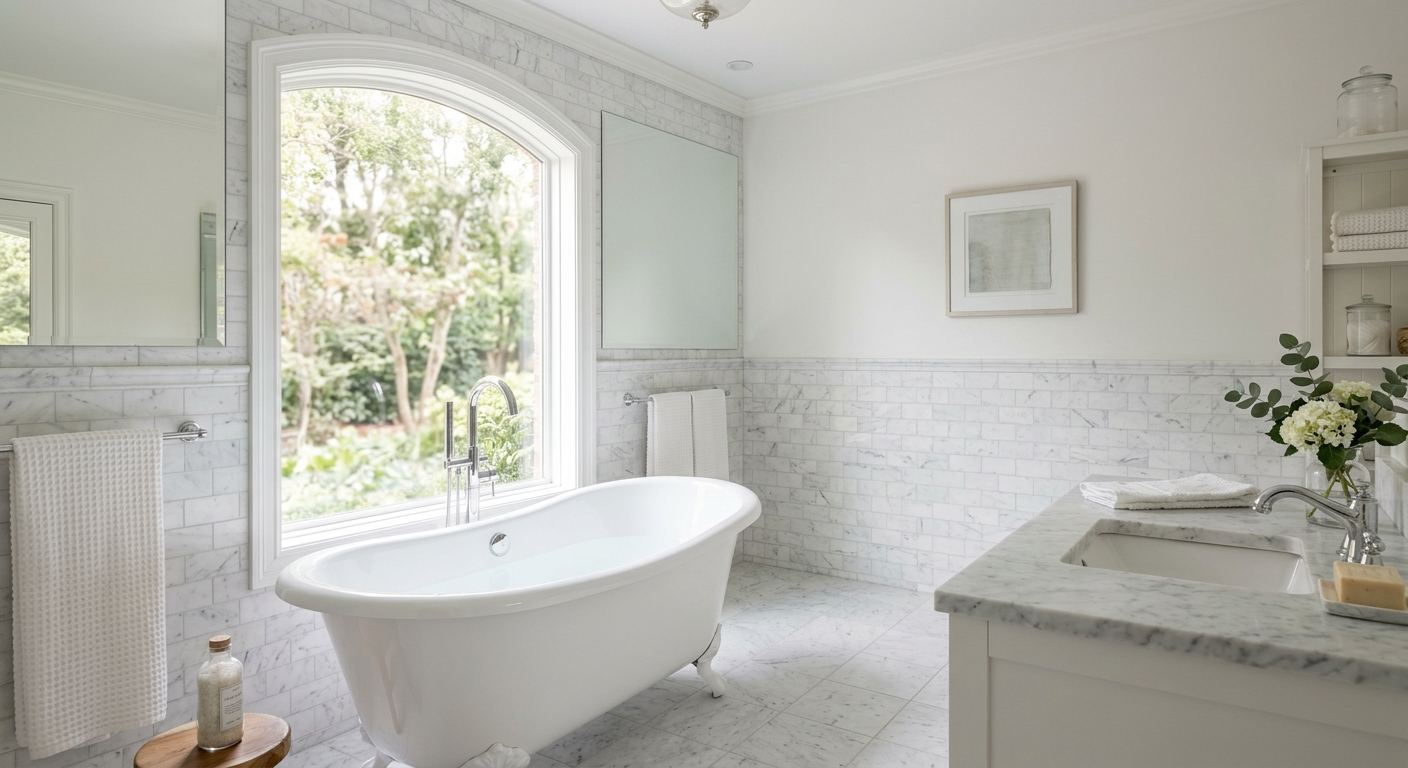
Bathroom renovation options and costs in Smithers
Smithers homeowners usually have a few clear paths for a bathroom refresh, ranging from a light cosmetic update to a full gut-and-rebuild. With 5,378 residents and about 70.4% of homeowner households owning their homes (Statistics Canada, 2021 Census), many projects are aimed at improving comfort and resale rather than short-term rentals. Cost expectations are also shaped by the housing profile: 51.6% of homes were built before 1981, which often means older drain layouts, dated venting, and sometimes hidden conditions behind walls or floors.
In the Nechako region, renovation pricing is driven more by what contractors uncover than by weather alone. While British Columbia’s coastal humidity affects bathrooms in terms of ventilation and drying time, the larger cost swings typically come from older plumbing and electrical conditions once walls open. Trade availability and travel time around Smithers and nearby communities can also nudge labour totals up or down. If your place is in an area with heavier renovation demand—like the core residential pockets near the downtown services—bookings can fill quickly, which can affect scheduling and mobilization costs.
Here’s a practical comparison of common renovation choices before you request quotes. Use this table as a budgeting backbone, then expect a final number to refine based on what we find during demolition and walkthrough measurements.
| Renovation Scope |
What's Included |
Typical Duration |
Price Range |
| Cosmetic refresh (paint, fixtures, accessories only) |
New vanity or faucet, toilet swap, lighting accessories, paint, re-caulk, drain/stopper replacements, and simple accessory upgrades; keeps existing plumbing and tile |
3–7 days |
$3,000–$12,000 |
| Mid-range full renovation (new tile, vanity, tub/shower, electrical) |
Removal and replacement of tub/shower surround, vanity, toilet, updated exhaust fan, waterproofing and tile install, basic electrical upgrades (e.g., GFCI where needed), and new trim finishes |
2–3 weeks |
$22,000–$35,000 |
| High-end full renovation (custom tile, steam shower, heated floors) |
Custom shower/tile builds (often including linear drain), premium fixtures, heated floor wiring and finishes, upgraded electrical scope, steam-ready plumbing/controls, and extended waterproofing system |
3–6 weeks |
$35,000–$50,000 |
| Shower-only installation (convert tub to walk-in shower) |
Demo and removal of tub, new shower pan prep, waterproofing, tile or surround finish, glass enclosure, new valve trim, and ventilation updates if required |
1.5–3 weeks |
$16,000–$28,000 |
| Bathtub replacement or tub-liner install |
Replace tub and fittings (or install a liner where suitable), new faucet/trim, re-seal, localized waterproofing at transitions, and finish trim |
5–10 days |
$1,500–$8,000 |
| Tile-only installation (floor + surround, existing layout kept) |
Tile removal (as needed), substrate prep, full waterproofing for the tile areas, tile install for floor and shower/tub surround, grouting and caulking; plumbing locations stay |
1–2 weeks |
$5,000–$15,000 |
Prices are estimates only and vary by project scope, site access and material selection.
What affects the price of bathroom renovation in Smithers
It’s common to see quotes for the “same bathroom” vary by 30–50% across the Nechako region and throughout British Columbia. In practice, that spread comes down less to climate and more to what’s hidden: older housing stock, older rough-ins, and the regional realities of labour and travel. In Smithers specifically, many homes were built before 1981 (51.6%), which increases the odds of cast-iron or older drain conditions, galvanized supply lines, and venting that no longer meets modern expectations for moisture control. Those discoveries can expand demolition scope and require additional trades before tile and finishes can go back in.
Two concrete examples we see often: (1) converting a tub to a walk-in shower can look straightforward, but when we open the wall we sometimes find that the valve location and drain connection need rework, which pushes a “shower installation” beyond the typical $7,000–$18,000 band and into broader full-reno territory. (2) electrical and ventilation can be tighter than expected—adding a properly sized exhaust fan (and tying it into the correct circuit with appropriate protection) may require new wiring runs that weren’t budgeted in early discussions.
Asbestos adds a real swing in some pre-1985 materials: if testing identifies asbestos-containing materials in vinyl floor tile, drywall compound, or related substrates, abatement protocols apply and can add about $1,500–$5,000+ to the budget before tile work resumes. Even without asbestos, subfloor repair and leveling can add several days. When your job stays within the footprint and the discovery list is short, you often land closer to the $22,000–$35,000 mid-range full renovation band; when drainage, venting, or remediation expands, costs trend toward the upper end of the $22,000–$50,000 range.
| Price Factor |
Why It Matters |
Cost Impact |
| Layout change — moving drain or supply lines |
Requires rough-in work, wall opening, and often new subfloor prep |
Can add several thousand dollars; often the biggest swing factor |
| Tile selection — large-format porcelain vs. mosaic vs. ceramic |
Material cost and install difficulty increase with format, thickness, and detailing |
Typically adds mid-range to high-end budget movement depending on coverage and cuts |
| Fixture tier — builder-grade vs. mid-range vs. designer brands |
Higher tiers cost more and sometimes need more specialized installation parts |
Usually hundreds to several thousand dollars difference |
| Subfloor condition — rot or unlevel concrete adds scope |
Weak or out-of-level substrates require replacement/leveling before waterproofing |
Can add days of labour and extra materials |
| Electrical — adding GFCI outlets, exhaust fan, heated floor circuit |
New circuits and code-compliant connections require licensed electrical work |
Often moves a job up one pricing tier if wiring runs are extensive |
| Waterproofing method — membrane type and extent |
A complete system prevents leaks and mould; better systems cost more but reduce failures |
Cost increase early that prevents expensive tear-outs later |
| Older-home surprises — asbestos tile, cast-iron drains, galvanized pipes |
Triggers testing, remediation, safe handling, or plumbing upgrades |
Can add about $1,500–$5,000+ (or more) depending on findings |
| Bathroom size — sq ft drives tile and labour time directly |
Tile footage, thinset, membranes, and labour hours scale with area |
Smaller bathrooms can land near the lower end of the bands; larger bathrooms trend high |
Permits & regulations in British Columbia
In British Columbia, cosmetic updates—like swapping a vanity, replacing a toilet, changing a faucet, or retiling within the same plumbing footprint—often don’t trigger permits. However, once your project changes the “system” behind the walls, permits and inspections become more likely. In most bathroom renos, plumbing relocation (moving a drain or supply line), adding or relocating an exhaust fan with new wiring, and any structural wall changes can require permitting and inspection. For electrical work, anything beyond straightforward fixture swap-outs must be done by or signed off by a licensed electrician to meet the provincial code.
Step-by-step for Smithers homeowners:
- Ask your contractor for their current BC trade licence details (and confirm the right trade scope for your work).
- Request a certificate of insurance showing liability coverage for renovation work; verify it includes work performed in British Columbia.
- Confirm their WCB/WorkSafeBC coverage so labour is properly covered on-site. If they’re a contractor, this is non-negotiable for homeowner protection.
- For the permit path, ask: “Is a permit required for my scope, and will you pull it?” If they can’t answer clearly, pause.
- When permits apply, confirm what inspections are expected before closing walls and before final sign-off.
If you’re unsure whether your specific scope needs a permit, a good contractor will map each task (plumbing, electrical, ventilation, demolition) to “permit likely” versus “no permit typically,” and document that in the written quote.
Choosing tile, waterproofing and fixtures for your Smithers bathroom
In Smithers, the biggest budget decisions usually fall into three buckets: tile choice, waterproofing method, and fixture tier. First, tile: ceramic is the entry-level option and can be a good value when you want a traditional look and you’re staying with a straightforward pattern. Porcelain costs more but typically offers better water resistance and durability, which is helpful in a bathroom where humidity hangs around between ventilation cycles—especially in colder stretches. Natural stone (marble, travertine, slate) looks premium, but it can be higher maintenance and requires careful detailing because it’s more sensitive to sealing and substrate movement.
Second, waterproofing: in British Columbia’s real-world humidity, “water-resistant” isn’t enough—you want a proper system. A paint-on membrane can work in some scenarios, but for shower areas most homeowners get better performance from a bonded sheet membrane or a full system approach (often with a specialized board or shower system). The right waterproofing choice reduces mould risk by preventing micro-leaks behind tile and limiting trapped moisture.
Third, fixtures: builder-grade products keep the up-front bill down, while mid-range or designer brands can boost daily comfort and resale appeal. Matching your budget matters. For example, spending an extra $800–$2,000 on a more complete waterproofing setup is usually justified because it protects the install for years—whereas saving the same amount on tile grade can lead to more breakage, more labour time, or quicker wear in high-splash zones.
Balancing these choices lets you hit the right look without overspending in areas that won’t deliver long-term payoff in Smithers’ Nechako-area homes.
| Material / Option |
Pros |
Cons |
Price Range |
| Ceramic tile (floor + walls) |
Cost-effective, broad design options, easier to source locally |
More susceptible to chipping; can be less durable than porcelain for floors depending on grade |
$5,000–$9,500 |
| Porcelain tile (floor + walls) |
Higher durability and water resistance; handles heavy traffic better |
More expensive material; heavier tiles can mean more substrate prep |
$9,000–$15,000 |
| Natural stone (marble, travertine, slate) |
Premium appearance and resale appeal; unique veining and texture |
Requires sealing and careful selection; can be more expensive and slower to install |
$13,000–$25,000 |
| Frameless glass shower enclosure |
Brightens the room; modern look; easier to keep clean when detailed well |
Higher material cost; hinges/track detailing matters; requires precise framing |
$3,000–$9,000 |
| Prefab tub surround (acrylic) |
Fast install, fewer grout lines, predictable waterproofing in many systems |
Less design flexibility; can look more “builder” than custom tile |
$1,500–$4,500 |
| Custom shower pan (tile or linear drain) |
Best long-term integration with tile; linear drain can improve look and drainage |
More labour and precise waterproofing requirements |
$7,000–$18,000 |
How to choose a bathroom renovation contractor in Smithers
Choosing the right contractor in Smithers comes down to verification, transparency, and realistic scheduling. Start with licensing and coverage: in British Columbia, confirm the contractor’s trade licence matches the work they’re doing, then ask for their certificate of insurance (liability coverage specific to renovation projects). Finally, ensure they carry WorkSafeBC (WCB) coverage so labour on your property is protected. If they’re reluctant to provide paperwork, that’s your first warning sign.
Next, request 2–3 itemised written quotes. Look for a breakdown that separates labour and materials (tile, waterproofing, fixtures, demolition, electrical/ventilation, and any permit handling). A lump-sum number without scope detail is where misunderstandings form. Read the quote line by line: what’s excluded (old fixture disposal, subfloor repairs, permit pulls, replacement of damaged substructure)? Ask directly whether disposal and dust control are included. Also confirm the workmanship warranty length and whether it’s tied to the installer team. Product/manufacturer warranties on tile systems and fixtures should be documented, including whether they transfer if you sell the home.
Payment schedule matters. For most responsible bathroom projects, keep upfront payments to 10–15% and use a staged approach aligned with milestones. Hold back a final portion until completion and final walkthrough. Get a start date and completion estimate in writing, including lead-time assumptions for tile and shower glass.
- Confirm BC trade licence for the exact scope (plumbing/electrical if applicable).
- Request certificate of insurance and verify dates and project coverage.
- Verify WorkSafeBC coverage (ask for proof).
- Get 2–3 itemised quotes with labour vs materials separated.
- Ask who pulls permits and what inspections are included (if required).
- Clarify disposal: demolition debris hauling and off-site fees.
- Confirm substrate prep scope (leveling, backer board, fastening).
- Ensure waterproofing method is named (membrane type, shower area extent).
- Ask about glass enclosure measurements and who is responsible if adjustments are needed.
- Require a detailed exclusions list (what they will not replace or repair).
- Review warranty terms in writing: workmanship length and product coverage.
- Use a milestone-based payment plan with a final holdback.
In Smithers, a few red flags show up repeatedly: contractors who won’t provide insurance or WorkSafeBC proof, quotes that don’t specify waterproofing and ventilation scope, “too cheap to be true” pricing that assumes no subfloor repair, missing line items for permits/electrical, and schedules that start before measurements or final selections are confirmed.
Frequently asked questions — bathroom renovation in Smithers
How do I prevent mold in a Smithers bathroom?
Mould prevention in Smithers starts with controlling moisture at the source and sealing the assembly correctly. First, make sure you have a properly sized exhaust fan vented outside (not into the attic/space). Second, use a true waterproofing system in the shower/tub surround—not just paint-on coverage—so water can’t migrate behind tile. Third, plan for drying: keep bathroom doors cracked after showers and ensure the fan runs long enough to remove humidity. Because many Smithers homes were built before 1981 (Statistics Canada, 2021 Census), older ventilation and vent routing can be inadequate, so it’s worth budgeting for ventilation upgrades inside the scope.
What adds the most resale value in a bathroom reno?
In most Nechako-area homes, the strongest resale benefits come from improvements people can see and measure: modern waterproofed tile work, an updated vanity and lighting, and a clean-looking shower/tub upgrade. High-impact upgrades often include better ventilation (exhaust fan work) and fixtures that look current but also function reliably. If you’re budgeting closer to the mid-range full renovation band, think in terms of $22,000–$35,000: fresh tile, a better shower solution, and dependable electrical/venting are typically the differentiators. Full renovations in the upper band (up to $22,000–$50,000) can pay off when paired with premium finishes like heated floors or a custom shower build.
Can I keep my existing plumbing layout to save money?
Often yes, and it’s one of the best ways to control cost in Smithers. Keeping the plumbing layout generally means no major drain or supply-line moves, which reduces rough-in labour, wall opening, and the risk of additional surprises. If your goal is a more budget-friendly refresh, consider a tile-only or shower-only approach that respects the current valve and drain locations. For example, a tile-only installation with the existing layout kept commonly fits the $5,000–$15,000 band, depending on bathroom size and substrate condition. If you do need to move plumbing, expect more scope and usually more time due to rough-in work, inspections, and patching.
How much does a walk-in shower cost in Smithers?
In Smithers, a walk-in shower typically costs more than a simple fixture swap because it involves demolition, a properly built shower pan, waterproofing, and often a glass enclosure. For many standard installs, you can expect to fall into the broader shower installation expectations of $7,000–$18,000 when converting within a similar footprint and the subfloor is sound. If your conversion requires drainage/vent changes, subfloor repair, or electrical work for heated options or upgraded fans, the total often moves toward the mid-range full renovation bands (for example, $22,000–$35,000). A site walkthrough is the only way to confirm which scenario your bathroom is closest to.
What's the ROI on a bathroom renovation?
ROI depends on how the market values updates where you live, but in Smithers the most consistent return comes from renovations that address wear, improve waterproofing reliability, and modernize key surfaces. Bathrooms are high-use rooms; buyers tend to pay for “done right” work—especially moisture protection and ventilation. That said, the ROI is not just about spending; it’s about avoiding rework. In many Nechako homes with older construction, waterproofing and vent upgrades can be the difference between a renovation that lasts and one that develops issues. If you’re deciding between options, a mid-range full renovation in the $22,000–$35,000 band usually targets the areas most buyers notice: tile quality, fixture selection, and safe, code-compliant ventilation/electrical.
Do I need waterproofing behind the tile?
Yes—if the tile is in a wet area (shower walls, shower floors, and often the tub surround), waterproofing behind the tile is essential. British Columbia humidity and day-to-day bathroom use create a constant risk of moisture migration if the system isn’t designed for it. Proper waterproofing works together with the tile system to prevent leaks and mould growth in framing and subfloors. For older Smithers homes, this becomes even more important because behind walls and under floors there can be uneven framing, older materials, or imperfect substrates that need correct prep before membranes go on. Your contractor should specify the waterproofing method (sheet or bonded system) and the exact wet-area coverage in the quote.