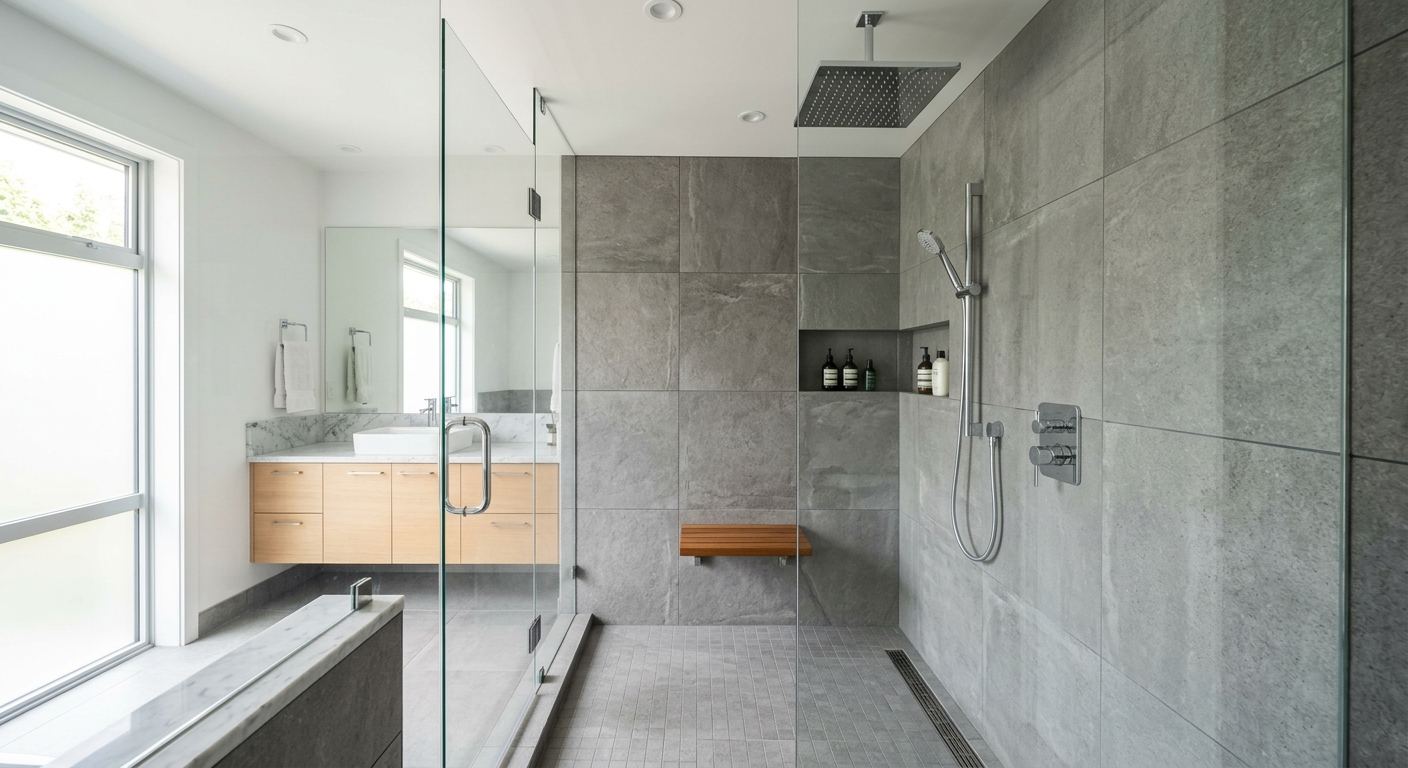
Bathroom renovation options and costs in Eastwood
Bathroom renovations in Eastwood often start with a simple question: “What will this cost?” The answer depends heavily on the condition of the existing plumbing and finishes, and on the age of the home you’re renovating. In the Toronto economic region, many post-war and 1960s–1980s houses have dated bathroom layouts, which can mean cast-iron or undersized drain lines, older venting, and sometimes asbestos-containing materials hidden in floor tile or old compounds. In Eastwood specifically, the community population is small—1,768 residents (Statistics Canada, 2021 Census)—so reputable trades can be especially booked up when multiple renovations run in the same season.
Ontario’s market drives pricing more through labour premiums and labour-intensive scopes than through climate itself. The GTA’s skilled trades command higher hourly rates, and bathroom work is detailed: tiling, waterproofing, custom shower builds, and plumbing reconfiguration. That’s why two homes that “look similar” can come in 30–50% apart once walls are opened. Areas of high demand in nearby Eastwood-area residential pockets include the older, established streets where buyers often prioritize updated bathrooms during renewals.
Below are realistic budget ranges for common bathroom scopes in Eastwood, so you can compare contractor quotes consistently, before you move on to what drives the final price.
| Renovation Scope |
What's Included |
Typical Duration |
Price Range |
| Cosmetic refresh (paint, fixtures, accessories only) |
Paint, light fixture swap, vanity accessory refresh, toilet/fixture swaps where plumbing stays put, caulking/grout refresh |
3–7 days |
$2,000–$6,000 |
| Mid-range full renovation (new tile, vanity, tub/shower, electrical) |
Demo, new vanity + mirror, new wall tile and floor tile, tub or tub/shower surround, exhaust fan and GFCI updates, standard waterproofing, disposal |
2–3 weeks |
$12,000–$22,000 |
| High-end full renovation (custom tile, steam shower, heated floors) |
Custom shower/tub system, premium tile layout, heated floor circuit, upgraded waterproofing system, glass door, niche/shelf details, additional electrical planning |
3–5 weeks |
$22,000–$30,000 |
| Shower-only installation (convert tub to walk-in shower) |
Remove tub, new shower pan system, waterproofing, wall tile, new drain/rough-in adjustments, glass enclosure or curtain option, exhaust fan if needed |
1–2.5 weeks |
$8,000–$15,000 |
| Bathtub replacement or tub-liner install |
Replace tub with acrylic or similar, reconnect plumbing, new caulking, basic surround refresh (or liner prep and install), leak testing |
4–10 days |
$1,200–$3,500 |
| Tile-only installation (floor + surround, existing layout kept) |
Tile removal and prep, waterproofing at wet areas, set tile on floor and selected wall portions, grouting/sealing as applicable, milestone inspection |
1.5–3 weeks |
$3,000–$10,000 |
Prices are estimates only and vary by project scope, site access and material selection.
What affects the price of bathroom renovation in Eastwood
In Eastwood and across the broader Toronto economic region, quotes for the “same bathroom” can land 30–50% apart because bathroom renos are labour-driven and scope-sensitive. Labour rates in the GTA are typically higher than in many other parts of Ontario, and the work itself is complex—tile setting, waterproofing, plumbing rough-in, venting corrections, and electrical updates all have real time costs. Climate plays a smaller role than it does in regions with more extreme freeze-thaw cycles; here, the bigger drivers are humidity management (correct ventilation and waterproofing) and whether your home’s existing plumbing and venting are up to current expectations.
Older homes commonly have hidden cost multipliers. For example, you might discover cast-iron or galvanized drain components that need upgrading, supply lines that don’t meet modern flow expectations, or inadequate venting that affects drainage. If you’re working with pre-1985 materials, asbestos-containing materials can sometimes be present in vinyl floor tile or old drywall compounds—when abatement is required, it can add roughly $1,500–$5,000+ depending on extent and access. These items push projects beyond typical tile-only or fixture-only budgets.
Two concrete Eastwood examples: (1) keeping the existing tub footprint keeps drain and vent work minimal, often keeping you closer to a mid-range full reno band; (2) moving plumbing to re-center a vanity or create a curbless shower frequently pushes the project into the upper end of the local full-reno range because rough-in, testing, and waterproofing details become more extensive. If your bathroom is small but you want heated flooring and premium tile, the material cost is only part of the increase—labour for surface prep and electrical tie-ins drives a lot of it.
| Price Factor |
Why It Matters |
Cost Impact |
| Layout change — moving drain or supply lines requires rough-in work |
Requires demolition access, plumbing rough-in, pressure/leak testing, and potential venting corrections |
$2,500–$8,000 |
| Tile selection — large-format porcelain vs. mosaic vs. ceramic |
Harder tile cuts, more labour for patterns, and increased waste for intricate layouts |
$1,000–$4,500 |
| Fixture tier — builder-grade vs. mid-range vs. designer brands |
Higher fixtures often require more coordination (valves, trim styles) and can affect installation time |
$800–$5,000 |
| Subfloor condition — rot or unlevel concrete adds scope |
May require structural repair, underlayment changes, and extended prep for tile longevity |
$1,200–$6,000 |
| Electrical — adding GFCI outlets, exhaust fan, heated floor circuit |
Licensed electrical work, new circuits, ventilation improvements, and safe tie-ins |
$800–$4,500 |
| Waterproofing method — membrane type and extent |
Better systems prevent leaks and mould, but require correct surface prep and product application time |
$600–$3,500 |
| Older-home surprises — asbestos tile, cast-iron drains, galvanized pipes |
Triggers licensed abatement, disposal, and plumbing upgrades for reliability and compliance |
$1,500–$10,000+ |
| Bathroom size — sq ft drives tile and labour time directly |
More floor and wall coverage increases tile setting, thinset, waterproofing, and dry time |
$1,000–$6,500 |
Permits & regulations in Ontario
In Ontario, many cosmetic bathroom updates can typically be done without a permit—swapping a vanity, changing taps/fixtures where you don’t move plumbing, repainting, replacing a toilet in the same location, and doing retiling where the structure and plumbing routes aren’t altered usually fall into non-permitted “like-for-like” work. However, the moment you relocate plumbing (moving a drain or supply line), add new ventilation with a new exhaust fan circuit, or change structural elements (like modifying wall framing for a different shower layout), a permit is commonly required and inspections are expected.
Electrical work must be completed or signed off by a licensed electrician and must meet Ontario electrical requirements. That includes adding or upgrading GFCI outlets in a bathroom, installing a new exhaust fan, and wiring heated floor systems. Plumbing rough-in changes—such as changing where the toilet drains, re-routing shower drains, adjusting venting, or adding shut-off valves—typically require a permit and inspection so the work is verified before walls are closed.
For an Eastwood homeowner, the practical verification steps are straightforward: (1) ask the contractor for their Ontario trade licence number (as applicable to their scope) and confirm it via the provincial licensing registry; (2) request a current certificate of insurance (liability) showing coverage limits and effective dates; and (3) verify WSIB/WCB status through a clearance letter or proof they are in good standing. Only then should you rely on their work plan and schedule.
Choosing tile, waterproofing and fixtures for your Eastwood bathroom
Your material choices determine not just the look, but also the labour time and risk level in an Eastwood bathroom—especially in Ontario, where steady indoor humidity makes ventilation and waterproofing non-negotiable. Start with tile selection: ceramic is often the entry-level option, while porcelain typically costs more but handles moisture and wear better with less risk of staining or surface issues. Natural stone looks premium, but it can require additional sealing and careful layout to manage variation. If you’re targeting a mid-range budget, porcelain tile in the most visible areas can deliver the “premium” feel without pushing you into the highest full-reno band.
Next, choose waterproofing properly. A paint-on membrane can work in certain situations, but a bonded sheet membrane or a proven system (including how seams and corners are detailed) generally offers better leak resistance—when installed on correctly prepped surfaces. In Toronto-area homes, a small failure can become a wall-repair project quickly because moisture can migrate behind tile.
Finally, fixture tier impacts both budget and resale appeal. Builder-grade fixtures keep you closer to the lower end of the $12,000–$22,000 local full-reno band, while designer brands and steam-shower trims move you toward the $22,000–$30,000 range. A common “justified” example: spending an extra $800–$2,000 on higher-grade waterproofing and correct membrane detailing is usually worth it compared with upgrading cosmetics alone—because waterproofing failures are expensive to fix after the tile is set.
| Material / Option |
Pros |
Cons |
Price Range |
| Ceramic tile (floor + walls) |
Entry-level cost, wide style selection, straightforward installs for many layouts |
May be less durable than porcelain for heavy traffic; can be more stain-prone |
$3,000–$7,500 |
| Porcelain tile (floor + walls) |
Better moisture and wear performance, more consistent sizing, excellent for long-term durability |
Can be heavier/denser to cut and handle; premium looks may cost more in material |
$5,000–$10,000 |
| Natural stone (marble, travertine, slate) |
High-end appearance, unique character |
Sealing/maintenance, more labour for layout and variation handling |
$8,000–$18,000 |
| Frameless glass shower enclosure |
Clean modern look, easier visual space, typically improves perceived value |
Installation needs tight tolerances; more expensive than curtains/standard doors |
$2,000–$6,500 |
| Prefab tub surround (acrylic) |
Faster install, less labour-intensive than full tile surrounds |
Fewer design options; may not match premium tile finishes |
$1,000–$2,800 |
| Custom shower pan (tile or linear drain) |
Better design flexibility, improved drainage when designed correctly |
More labour and waterproofing detailing; small errors are costly |
$4,000–$12,000 |
How to choose a bathroom renovation contractor in Eastwood
Choosing a contractor in Eastwood comes down to verifying credentials and comparing quotes in a way that reveals the true scope. Start with Ontario licensing and insurance. Ask for their Ontario trade licence information for the work they’ll do, a certificate of liability insurance (with coverage limits and effective dates), and proof of WSIB/WCB coverage (often provided as a clearance letter). If they can’t provide these documents promptly, treat it as a warning—bathrooms involve plumbing, electrical connections, and detailed waterproofing where accountability matters.
Next, request 2–3 itemised written quotes. You want labour and materials separated (tile labour vs. tile supply, waterproofing system, membrane labour, electrical work, demolition and disposal). Avoid lump sums that hide where costs are shifting. Read exclusions carefully: is permit pulling included? Who pays for inspections? Is asbestos abatement included if discovered? Disposal—especially for tile and demo waste—should be clearly stated. Warranty matters too: confirm the workmanship warranty term, whether product warranties apply directly to you, and whether warranties are transferable if you sell the home.
Payment schedule should stay reasonable—never more than 10–15% upfront. Hold back a portion until completion and final close-out. Finally, insist on a written start date and a completion estimate tied to lead times for tile, glass, and specialty fixtures.
- Provide Ontario trade licence details for plumbing/electrical scope (as applicable) before work begins.
- Show current liability insurance certificate and ensure the name matches the legal company.
- Confirm WSIB/WCB clearance letter or proof of coverage.
- Get 2–3 itemised quotes with labour and materials separated.
- Ensure waterproofing method and brand/system are written into the scope.
- Ask who is responsible for permits, inspections and scheduling.
- Clarify disposal and dump fees (tile waste, old fixtures, packaging).
- Confirm demolition includes proper dust control and protection for the rest of the home.
- Request a detailed timeline with key milestones (demo, rough-in, waterproofing, tile, trim).
- Verify warranty length for workmanship and how it’s handled if issues appear later.
- Check payment schedule: keep upfront to 10–15% and hold back until sign-off.
- Ask for references from similar GTA-aged home renovations (older plumbing/venting situations).
In Eastwood, red flags include: no written scope or exclusions list, vague statements like “we’ll handle permits” without confirming who pulls them, refusal to provide insurance/WSIB proof, charging large upfront deposits (over 15%) without progress milestones, and skipping a clear waterproofing plan or warranty details.
Frequently asked questions — bathroom renovation in Eastwood
What's the best bathtub material for a Eastwood home?
For most Eastwood-area homeowners, acrylic tubs are usually the best balance of cost, comfort, and durability. They’re lighter than cast iron, install faster, and typically fit common Ontario rough-ins without complicated structural work. Cast iron lasts a long time but can raise labour costs because of weight, handling and subfloor reinforcement needs. If your goal is budget control, bathtub replacement usually sits around the $1,200–$3,500 band, while full-scope renovations are generally much higher because of tile and waterproofing. In older GTA homes, the key is not only the tub material—it’s whether plumbing shut-offs, drain condition, and venting are acceptable once walls open. A contractor should confirm leak testing and drainage performance, not just the tub finish.
Is it worth renovating a bathroom before selling in Eastwood?
Often, yes—especially if your bathroom is dated, cramped, or shows moisture concerns. Eastwood buyers tend to notice functional upgrades quickly: clean ventilation, modern lighting, and a waterproofed shower you can trust. A full renovation in the GTA usually falls in the low-to-mid five-figure range, and that investment can pay back when the bathroom is a deal-breaker rather than a “nice-to-have.” For example, a mid-range full renovation commonly lands in the $12,000–$22,000 range, while a higher-end finish with custom features pushes closer to $22,000–$30,000. If you’re selling soon, avoid big layout changes that introduce unexpected plumbing surprises—those are common in older post-war and 1960s–1980s housing stock. A cosmetic refresh alone can help, but it doesn’t address hidden plumbing, venting, or waterproofing risks.
How do I plan a bathroom renovation on a tight budget in Eastwood?
Start by choosing a scope that protects the biggest “risk,” then allocate budget to waterproofing and moisture control. On a tight budget in Eastwood, you’ll usually get better value by keeping the plumbing layout and focusing on durable surfaces and ventilation rather than moving drains or supplies. That approach can keep you away from the cost spikes seen in labour-intensive rough-in changes. If you can live with your footprint, a tile-only installation that stays within the $3,000–$10,000 band is often more manageable. Pair that with a cosmetic refresh (paint and fixture/accessory updates) and you may avoid the larger full-reno costs. Always budget a contingency for hidden issues: older homes can reveal drain condition problems, undersized venting, or sometimes asbestos-containing materials in older finishes.
What's the difference between a cosmetic and a full bathroom renovation?
A cosmetic refresh typically updates surfaces and visible fixtures without major changes to plumbing, electrical routes, or wall structure. Think paint, re-caulking, swapping a vanity or mirror, and replacing fixtures where nothing is moved. Cosmetic work is generally cheaper and faster, often around the $2,000–$6,000 range depending on what you replace. A full bathroom renovation includes demolition and replaces key systems and assemblies: new tile, proper waterproofing at wet areas, electrical upgrades (like exhaust fans and GFCI), and plumbing updates where needed. That’s why full renovations commonly fall in the $12,000–$30,000 bands in the Toronto market. In older GTA homes, “full” also means verifying drains, venting, and shut-offs once walls are opened—work that cosmetic updates never address.
How do I choose the right contractor for my bathroom in Eastwood?
Choose a contractor who can prove Ontario compliance and who gives you itemised quotes you can compare. In Eastwood, verify the contractor’s Ontario trade licence details for their scope, request a certificate of liability insurance, and confirm WSIB/WCB coverage via proof or a clearance letter. Then get 2–3 written, itemised quotes showing labour and materials separately—especially for demolition, waterproofing system, tile setting, and electrical scope. Ensure the scope clearly states whether permits are included, who pulls permits, and whether disposal is covered. A strong contractor should also describe how they handle hidden-condition discoveries (like older drain stacks or potential asbestos-containing materials in pre-1985 finishes) and explain how that affects timeline and budget.
What's the most common mistake homeowners make in bathroom renovations?
The most common mistake is choosing finishes before locking down the waterproofing and the “what’s behind the walls” plan. Homeowners often budget for tile and fixtures, then get surprised when plumbing venting, subfloor prep, or electrical updates require extra work. This is especially common in the Toronto economic region because older housing stock can hide cast-iron drains, galvanized supply lines, or outdated venting that becomes obvious only after demolition. Another frequent issue is skipping detail in the quote—if waterproofing method, membrane type, and electrical requirements (like exhaust fans and GFCI locations) aren’t written, costs can drift and timelines can stretch. Even on a smaller project, always prioritize a correct waterproofing system and leak-testing. It’s one of the biggest reasons a renovation avoids mould and costly rework later.