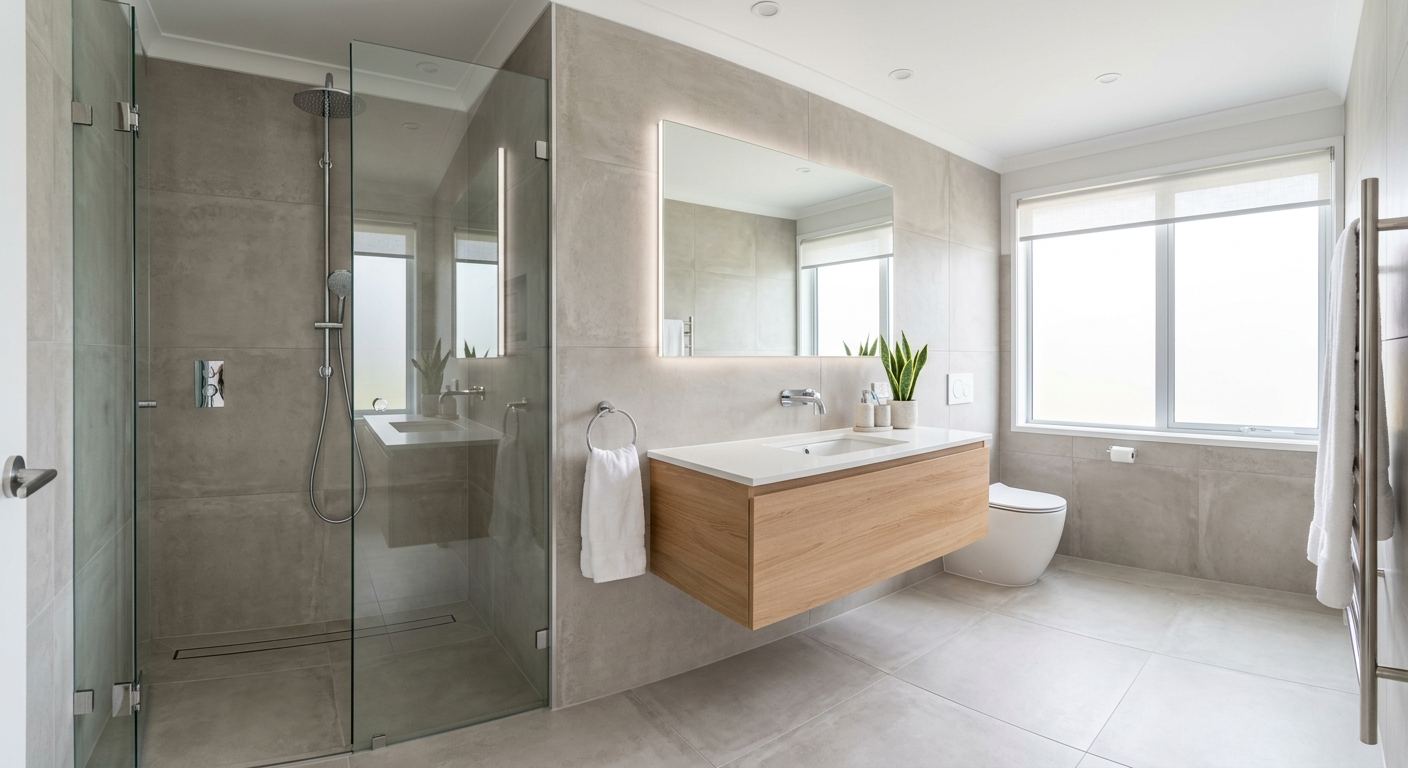
Bathroom renovation options and costs in Southwood
Bathroom renovations in Southwood typically fall into six practical paths, and the “right” option usually depends on how dated the plumbing and finishes are. In the Southwood area, the local housing mix matters: Toronto’s older post-war and 1960s–1980s homes are common enough that many renos start with dated drain layouts, likely cast-iron sections, and the occasional asbestos-containing floor tile or related material. That’s part of why homeowners often see budgets differ even when they’re aiming for the same look. As the Statistics Canada 2021 Census shows, Southwood has a population of 4,751, which means fewer local crews and more scheduling through the wider GTA marketplace when demand is high (Statistics Canada, 2021 Census).
Unlike hot-summer climates where weather can interrupt work, Toronto-area pricing is driven more by labour rates and how often contractors must bring venting, shut-offs, and drains up to current Ontario expectations once walls open. Skilled tilers and licensed trades command a premium in the GTA, especially around established neighbourhoods where contractors are busier. In Southwood, work is often in higher demand around the busier retail/service corridors where homeowners want efficient midweek scheduling, and trades availability can affect your start date and final cost.
To help you compare quotes, use the table below as a realistic range for a typical 3-piece bathroom. Then, we’ll break down the pricing factors that push projects up or down.
| Renovation Scope |
What's Included |
Typical Duration |
Price Range |
| Cosmetic refresh (paint, fixtures, accessories only) |
Paint, vanity refresh or swap (no plumbing moves), toilet/vanity faucet swaps, hardware, accessories; silicone and caulking at existing surfaces |
3–6 days |
$3,000 – $7,500 |
| Mid-range full renovation (new tile, vanity, tub/shower, electrical) |
New vanity and fixtures, tub or surround replacement, wall/floor tile, exhaust fan upgrade, GFCI outlet as needed, waterproofing, basic electrical updates; plumbing updates if required to match current connections |
2–3 weeks |
$12,000 – $21,000 |
| High-end full renovation (custom tile, steam shower, heated floors) |
Custom shower and/or steam-ready setup, premium tile/stone, heated floor wiring and control, upgraded valves, frameless glass, enhanced waterproofing, more extensive electrical and venting corrections |
3–5 weeks |
$21,000 – $30,000 |
| Shower-only installation (convert tub to walk-in shower) |
Remove tub, build tiled walk-in shower, new shower valve/controls, linear drain option or standard drain, glass enclosure, waterproofing, tile work, electrical fan/lighting updates as needed |
2–4 weeks |
$10,000 – $17,000 |
| Bathtub replacement or tub-liner install |
Swap existing tub for new unit (or liner where appropriate), new surround sealing, re-caulk and re-grout, plumbing connection updates, minor electrical/vent touch-ups |
1–2 weeks |
$4,000 – $8,500 |
| Tile-only installation (floor + surround, existing layout kept) |
Remove and re-tile floor and/or tub surround, re-grout, waterproofing system in tiled areas, new niche or basic trim as specified (no major plumbing relocation) |
1.5–3 weeks |
$6,000 – $14,000 |
Prices are estimates only and vary by project scope, site access and material selection.
What affects the price of bathroom renovation in Southwood
Even for the “same” bathroom, quotes across Toronto and Ontario can swing by 30–50% because bathroom work is labour-intensive and the labour cost structure is regional. In the GTA, skilled trades—especially plumbers and tilers—are priced higher, and the job often expands once walls and floors are opened. Toronto-area housing stock also tends to be older, which means it’s more common to discover cast-iron or undersized drain sections, galvanized supply lines, or venting that no longer meets current requirements. These items don’t always show on day one, and in Southwood they frequently become the difference between a mid-range project around the $12,000 – $21,000 band and a more comprehensive rebuild that approaches $21,000 – $30,000.
Older-home surprises can add meaningful dollar amounts. For example, if asbestos-containing materials are found in floor tile or related compounds (often in pre-1985 homes), abatement can add roughly $1,500 – $5,000+ depending on containment and removal scope. Also, if a contractor must reconfigure drains to correct slope or replace vent components, you can see several thousand dollars added for drain reconfiguration, vent corrections, and new shut-offs.
Two concrete Southwood examples that often move the needle: (1) moving a vanity location—even a foot or two—can force rough-in changes for supply and shut-offs; (2) choosing large-format porcelain for floors can reduce grout lines but increases subfloor preparation time if the base is out of level. Finally, ventilation upgrades matter: an exhaust fan tied into the right circuit and duct run can be straightforward, or it can become a longer electrical and ducting task if openings are constrained.
| Price Factor |
Why It Matters |
Cost Impact |
| Layout change — moving drain or supply lines requires rough-in work |
Relocating plumbing triggers demolition, rough-in, testing and often permit/inspection steps |
$2,000 – $8,000 |
| Tile selection — large-format porcelain vs. mosaic vs. ceramic |
Harder materials and larger panels demand tighter prep, specialized cuts and more labour time |
$1,500 – $6,000 |
| Fixture tier — builder-grade vs. mid-range vs. designer brands |
Better trims, valves, and finishes cost more and sometimes require different install components |
$500 – $4,500 |
| Subfloor condition — rot or unlevel concrete adds scope |
Water-damage repairs and leveling boards/membranes increase prep time and material |
$1,000 – $5,000 |
| Electrical — adding GFCI outlets, exhaust fan, heated floor circuit |
Licensed electrical work, circuit changes, and wiring paths raise complexity |
$800 – $4,500 |
| Waterproofing method — membrane type and extent |
Better systems improve long-term performance but increase install steps and materials |
$500 – $3,000 |
| Older-home surprises — asbestos tile, cast-iron drains, galvanized pipes |
Discovery can expand demolition and require licensed abatement or pipe upgrades |
$1,500 – $10,000+ |
| Bathroom size — sq ft drives tile and labour time directly |
More area means more tile, more thinset and more hours for layout and waterproofing |
$1,200 – $6,000 |
Permits & regulations in Ontario
In Ontario, cosmetic updates in a bathroom—like swapping a vanity, changing fixtures (tap and shower trim), painting, and replacing like-for-like retiling with no changes to plumbing routes—usually do not require a permit. The moment you change where services go, however, the project typically moves into permit/inspection territory. Examples that typically do require a permit include: moving a drain or supply line (relocating a toilet, vanity, or shower valve), adding or relocating a bath exhaust fan with new ducting and electrical connection, and making structural wall changes. Electrical work must meet Ontario code and be completed or signed off by a licensed electrician.
Here’s a homeowner-friendly step-by-step checklist for Southwood:
1) Ask for the contractor’s Ontario trade licence number (or the correct licence details for the work being done) and confirm it matches the company name. 2) Request a certificate of insurance showing liability coverage, and verify it’s current. 3) Ask how they handle workers’ compensation—WSIB/WCB coverage—and request documentation or confirmation letter. 4) For permit-required work, ask whether they pull the permit and schedule inspections, and confirm who attends inspection day.
For your peace of mind, verify items before the first demo day. Once walls are open, delays caused by missing permits or coverage can push timelines quickly.
Choosing tile, waterproofing and fixtures for your Southwood bathroom
Your material selections are the biggest “budget levers” in a Southwood bathroom reno because labour follows complexity. First, tile choice: ceramic tile is the entry-level path, often best when you want a clean look with straightforward installs. Porcelain tile is a step up—typically denser, less porous, and better suited to wet areas and floors—so it pairs well with a more premium waterproofing build. Natural stone (marble, travertine, slate) looks luxurious, but it can add time and cost because it needs careful layout, sealing considerations, and precise cuts.
Second, waterproofing method: in Ontario’s indoor humidity, the goal is not just “water resistance,” it’s a full system that prevents mould where water lingers. A quality bonded sheet membrane (or a tested schluter-type system) usually costs more than simple paint-on products, but it’s often worth it under a tiled shower where failure is expensive.
Third, fixtures tier: builder-grade faucets and valves can save money upfront, but mid-range and designer trims often improve longevity, pressure balance, and resale impression. For a concrete example, spending the extra labour and materials to install a linear drain and full-height waterproofing may add roughly the difference between a basic tub/shower refresh and a shower conversion—often placing you closer to the $10,000 – $17,000 shower installation band rather than staying near cosmetic-only pricing.
| Material / Option |
Pros |
Cons |
Price Range |
| Ceramic tile (floor + walls) |
Generally affordable, wide style selection, easier to cut than harder stones |
Less robust than porcelain for high-wet use if not chosen properly |
$3,000 – $7,000 |
| Porcelain tile (floor + walls) |
Better durability for floors and wet zones, strong stain resistance |
Heavier panels can increase labour; large-format options need flatter prep |
$5,000 – $10,500 |
| Natural stone (marble, travertine, slate) |
Premium look and upscale feel; excellent design impact |
Can require sealing, careful selection, and more labour for alignment and finishing |
$8,000 – $16,000 |
| Frameless glass shower enclosure |
Modern appearance, easier visual cleanliness, pairs well with tile and linear drains |
More expensive hardware; requires precise framing and waterproofing transitions |
$2,000 – $6,500 |
| Prefab tub surround (acrylic) |
Faster install, fewer tile labour hours, lower risk of tile cracking |
Limited style customization; joints and edges need excellent sealing |
$1,200 – $3,500 |
| Custom shower pan (tile or linear drain) |
Seam integration and drainage performance; clean modern lines with linear options |
More labour and material; must be installed with a proven waterproofing system |
$3,500 – $12,000 |
How to choose a bathroom renovation contractor in Southwood
Choosing the right contractor in Southwood is about proof, not promises. Start by verifying Ontario licensing for the trades involved and confirm they carry current liability insurance. If you’re hiring plumbers or electricians through the contractor, make sure the company’s coverage covers the work being done on your site, not just general business risk. For workers’ compensation, ask for evidence of WSIB/WCB coverage and keep a copy for your records.
Next, get 2–3 itemised written quotes. A strong quote separates labour and materials, lists tile quantities or allowances, names fixtures by model/brand, and states what’s included for waterproofing, demolition, disposal, and any permit work. Avoid lump-sum quotes that don’t say what happens if hidden conditions appear.
Pay attention to warranty details: workmanship warranty length (and what it covers), manufacturer warranty for products, and whether the warranty is transferable if you sell your home. For payments, never rush into large deposits—target no more than 10–15% upfront and hold back the final payment until the job is complete and defects are addressed. Also confirm the timeline: ask for a written start date and a realistic completion estimate based on typical crew scheduling in the GTA.
- Request proof of Ontario trade licence (as applicable) and confirm it matches the contractor’s business name.
- Verify liability insurance certificate is current and ask the effective dates.
- Confirm WSIB/WCB coverage for workers and keep documentation.
- Get 2–3 itemised quotes with separate line items for labour vs materials.
- Ask whether permits are included, and who pulls them if required.
- Confirm disposal is included (demo debris, tile waste, packaging).
- Ensure the quote names exact products (vanity, toilet, fan/light, valve trim).
- Check that waterproofing method and coverage area are specified in writing.
- Clarify what is excluded (subfloor repairs, asbestos abatement, subpanel upgrades).
- Ask who supplies and installs the exhaust ducting and whether it vents correctly.
- Review warranty terms before you sign: workmanship, product coverage, and transferability.
- Set a payment schedule with a small deposit, progress payments, and a holdback until punch list is complete.
Red flags in the Southwood market: vague “lump-sum” pricing with no waterproofing or scope notes; no proof of insurance or WSIB/WCB coverage; refusal to provide itemised line items; promises of a quick turnaround that ignore tile curing and waterproofing cure times; and a payment plan that asks for most of the money up front.
Frequently asked questions — bathroom renovation in Southwood
How long does a bathroom renovation take in Southwood?
In Southwood (and across the Toronto economic region), timelines depend heavily on whether you’re doing cosmetic work or a true full renovation. A cosmetic refresh can often be done in about 3–6 days, while a mid-range full renovation usually takes 2–3 weeks once tile setting and waterproofing cure times are accounted for. If you’re converting a tub to a walk-in shower or adding a custom pan and frameless glass, plan for about 2–4 weeks. High-end builds with heated floors and steam-ready setups can stretch to 3–5 weeks. If hidden conditions are discovered—like older drain issues or asbestos-containing materials—additional licensed work can extend the schedule by days to a few weeks.
Do I need a permit for a bathroom renovation in Ontario?
In Ontario, many simple cosmetic updates don’t require a permit, including replacing fixtures, painting, and retiling when you’re not moving plumbing or structural elements. You typically need permits when you change plumbing routes (moving drains or supply lines), add or relocate an exhaust fan with new ducting and electrical connections, or make structural changes. Electrical work must comply with Ontario code and be done or signed off by a licensed electrician. For a Southwood homeowner, the best approach is to ask your contractor to list what requires permits in writing and to confirm whether they pull the permit and schedule inspections. Always verify the contractor’s trade licensing and liability coverage before work starts.
What's the best tile for a bathroom in Southwood?
The “best” tile is usually the one that matches your waterproofing system and your floor prep quality. For most Southwood bathrooms, porcelain is a strong choice for both floors and walls because it’s durable and holds up well in wet areas. Ceramic can be perfectly fine for walls and floors when the correct products are selected, but it may not be as forgiving if your installer runs into a subfloor that’s not perfectly level. Natural stone looks premium, but it adds labour and may require extra sealing considerations. If your goal is value, a tile-only approach in the $6,000 – $14,000 band can give you a major visual upgrade without relocating plumbing.
Should I do a tub-to-shower conversion?
For many Southwood homeowners, a tub-to-shower conversion is a practical choice because it’s easier to maintain and can make the bathroom feel more spacious. It’s also common when older tubs are aging out or when you want accessibility improvements. Budget-wise, typical shower-only installations (including demolition, waterproofing, tile, and enclosure as specified) often land around $10,000 – $17,000, depending on whether you choose a standard drain or a linear drain and how much plumbing rework is needed. The main caution is layout: if you need to move drains or supplies, that adds complexity and may require permits and additional inspection steps. Done right—with proper waterproofing—it can be a long-lasting upgrade.
How do I prevent mold in a Southwood bathroom?
Mold prevention is mostly about keeping water out of the assemblies and removing moisture effectively. In a Southwood/Greater Toronto home, you should focus on full waterproofing coverage in tiled areas (not just paint-on patches), correct slope to the drain, and properly sealed transitions around the tub/shower. A high-quality exhaust fan vented correctly is also critical—especially after showers. Avoid “gaps” at the edges: poor caulking or rushed silicone is one of the most common failure points. If you have older housing stock with dated ventilation and plumbing, upgrading exhaust performance can be as important as tile choices. When a contractor claims waterproofing, ask which method they use and what areas they cover in writing.
What adds the most resale value in a bathroom reno?
Resale value usually comes from improvements that buyers can feel and trust. In Southwood, the biggest returns tend to be: a clean, modern layout; updated plumbing fixtures with reliable shut-offs and venting; a properly waterproofed tiled shower (often with glass); and functional ventilation upgrades. Fresh tile and a new vanity can transform the look quickly, but what differentiates a high-quality job is the hidden work: subfloor prep, waterproofing method, and correctly executed plumbing/electrical. If your budget is mid-range, many homeowners aim for the $12,000 – $21,000 band to balance labour intensity with durable finishes. For a stronger “wow” factor, heated floors or a custom shower can push you toward the $21,000 – $30,000 range, particularly when older systems need more reconfiguration to meet current Ontario expectations.