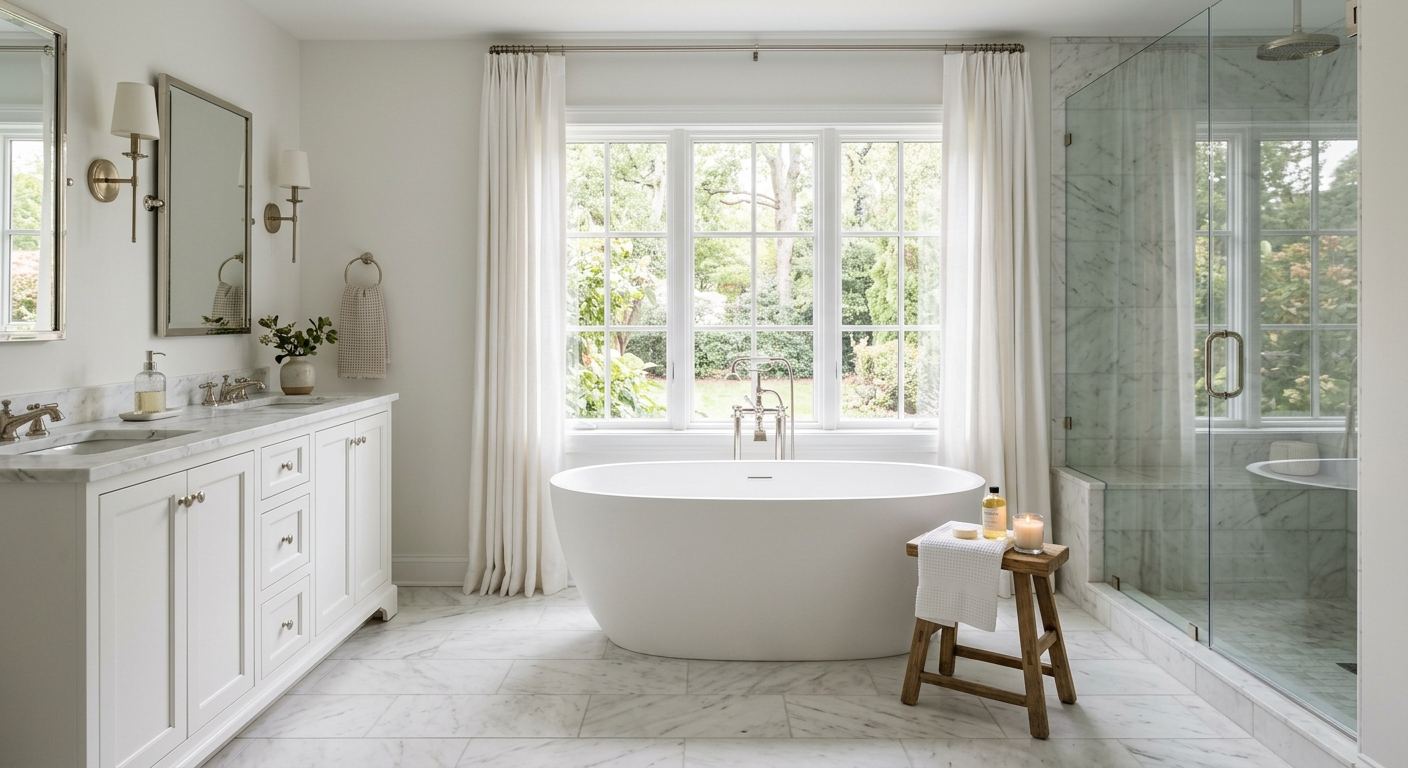
Bathroom renovation options and costs in Weston-Pellam Park
Weston-Pellam Park is a Toronto-area pocket with a big mix of older homes, and that housing age matters when you renovate a bathroom. In a community of about 11,098 residents (Statistics Canada, 2021 Census), many residences reflect mid-century build patterns where plumbing layouts are dated and hidden conditions are more common than in newer developments. In the GTA, bathroom costs are driven far more by Toronto labour premiums and the “open-up and discover” reality than by climate, since Ontario’s humidity still makes ventilation and waterproofing performance critical.
Even though the weather itself isn’t the main driver, moisture management affects how contractors build your system: better exhaust performance, proper waterproofing, and timely leak detection reduce call-backs. In high-demand pockets like the streets around Weston Road and the quieter residential blocks near local parks, skilled tile setters and plumbers are often booked ahead, which can influence scheduling and minimum mobilization charges.
If you’re comparing options, the biggest swing is whether you stay cosmetic (keeping the layout) or you change drains, vents, electrical circuits, or shower assemblies. A cosmetic refresh can be a faster path, while a full renovation in the Toronto economic region commonly lands in the low-to-mid five figures—especially when plumbing and venting need updates to align with current Ontario requirements. Next, use the ranges below to compare scopes side-by-side.
| Renovation Scope |
What's Included |
Typical Duration |
Price Range |
| Cosmetic refresh (paint, fixtures, accessories only) |
New vanity or faucet, toilet or mirror swap, paint, accessories (towel bar/rails), deep clean and caulk touch-ups; tile work is limited if any |
2–5 days |
$3,000–$7,000 |
| Mid-range full renovation (new tile, vanity, tub/shower, electrical) |
Demo and disposal, tile floor + wall surround, new vanity and toilet, tub/shower refresh or replacement, exhaust fan upgrade, GFCI where required, basic electrical trim, waterproofing, new trim and caulk |
2–3 weeks |
$12,000–$20,000 |
| High-end full renovation (custom tile, steam shower, heated floors) |
Custom shower or tub surround, premium tile system, heated flooring circuit, upgraded ventilation, higher-end fixtures, niche or bench build, tighter finishing details, expanded waterproofing coverage, electrical upgrades as needed |
3–5 weeks |
$20,000–$30,000 |
| Shower-only installation (convert tub to walk-in shower) |
Demo tub, new shower base/pan system, tile surround, linear drain or standard drain options, reworked plumbing connections, waterproofing and sealing, new glass enclosure options |
2–3 weeks |
$14,000–$24,000 |
| Bathtub replacement or tub-liner install |
Remove and set new tub OR install an acrylic liner system; replace surround where applicable; new caulk and seal; plumbing hookups as required |
3–7 days |
$1,200–$6,500 |
| Tile-only installation (floor + surround, existing layout kept) |
Tile floor + shower surround only, surface prep, tile setting and grouting, waterproofing to code for wet areas, re-seal transitions, minor trim adjustments |
1–2 weeks |
$3,500–$12,000 |
Prices are estimates only and vary by project scope, site access and material selection.
What affects the price of bathroom renovation in Weston-Pellam Park
In Weston-Pellam Park and the wider Toronto economic region, quotes for the “same” bathroom can swing 30–50% because labour rates are higher and the work is labour-intensive—especially for tiling, custom showers, and complex plumbing layouts. Climate isn’t the main cost driver here; rather, Ontario’s humidity makes ventilation and waterproofing quality non-negotiable, so contractors build those systems carefully (and correctly) to prevent recurring problems.
Cost also hinges on the age of local housing stock. Older GTA homes often conceal cast-iron or undersized drains, galvanized supply lines, and sometimes venting that no longer performs as intended. When walls open, those conditions can inflate scope through drain reconfiguration and new shut-offs—costing several thousand dollars more than the “surface” estimate. For pre-1985 homes, discovery of asbestos-containing materials in vinyl floor tile or older drywall compound can trigger licensed abatement, commonly adding about $1,500–$5,000+ to the budget.
Two practical examples I see frequently in Weston-Pellam Park: (1) converting a tub to a walk-in shower is usually more expensive when the drain needs to be relocated even slightly to achieve proper slope; (2) upgrading an exhaust fan can jump in price if there’s no nearby circuit path and electricians must run new wiring. If you’re aiming for a mid-range full reno, typical budgets sit around $12,000–$20,000, while heated floors and extensive shower builds often push toward the higher local band of $20,000–$30,000.
| Price Factor |
Why It Matters |
Cost Impact |
| Layout change — moving drain or supply lines requires rough-in work |
Shifting plumbing triggers demolition, new rough-in, and potential venting corrections |
Often adds $3,000–$10,000+ |
| Tile selection — large-format porcelain vs. mosaic vs. ceramic |
Harder materials require more careful setting and cutting; mosaics increase labour time |
Usually shifts $1,000–$6,000 |
| Fixture tier — builder-grade vs. mid-range vs. designer brands |
Premium fixtures cost more and sometimes need specific installation components |
Typically $500–$4,000+ difference |
| Subfloor condition — rot or unlevel concrete adds scope |
Missing prep means failure risk; repairs increase demo and re-build time |
Often adds $800–$4,000 |
| Electrical — adding GFCI outlets, exhaust fan, heated floor circuit |
New circuits involve licensed work and sometimes panel/cabling changes |
Commonly $500–$3,500 |
| Waterproofing method — membrane type and extent |
Better systems reduce leak risk; correct coverage prevents mould and delamination |
Usually $600–$3,000 |
| Older-home surprises — asbestos tile, cast-iron drains, galvanized pipes |
Abatement, pipe upgrades, and extra disposal steps increase both time and cost |
Often adds $1,500–$8,000+ |
| Bathroom size — sq ft drives tile and labour time directly |
More area means more tile, more mortar/setting, longer waterproofing and finishing |
Varies widely; commonly $2,000–$7,000+ |
Permits & regulations in Ontario
In Ontario, cosmetic updates—like swapping fixtures, retiling without changing plumbing locations, replacing a vanity, or painting—rarely need permits. The permit triggers usually come when you change something behind the walls or alter systems. For Weston-Pellam Park homeowners, that means you should expect permits when you (1) relocate plumbing, including moving a drain or supply line; (2) add or modify electrical work such as new exhaust fan circuits, heated floor circuits, or any new GFCI outlet requiring wiring changes; and (3) do structural changes or wall moves that affect framing or load paths.
Here’s a practical verification checklist you can follow step-by-step. First, confirm the contractor’s Ontario trade licensing (where applicable) and that they are the one performing the work or directly supervising licensed trades. Second, ask for a current certificate of insurance and verify it covers the scope: general liability for the job and any professional trade coverage as relevant. Third, request WSIB/WCB clearance—many reputable contractors can provide a letter of clearance or proof of coverage on request. Finally, for permitted plumbing or electrical, ask who will pull the permit and handle inspections, and whether those inspection results will be provided to you for your records.
Choosing tile, waterproofing and fixtures for your Weston-Pellam Park bathroom
Your bathroom budget in Weston-Pellam Park is shaped most by three material decisions: tile type, waterproofing method, and fixture tier. First, tile choice affects not only the material cost but the installation complexity. Ceramic is typically the entry-level path—fine for basic bathrooms—while porcelain usually offers better moisture resistance and less variation, with a more consistent look. Natural stone (marble, travertine, slate) can look spectacular, but it requires careful selection, sealing, and more labour to keep edges and finishes consistent.
Second is waterproofing, which matters in Ontario’s winter-spring humidity swings and everyday shower steam. Paint-on membranes can work in the right system, but the most reliable assemblies usually rely on a bonded sheet membrane or a structured system designed for wet areas, with correct overlapping and detailing at corners and transitions. If you’re installing a custom shower pan or changing the shower footprint, this is where you should not “value engineer” the membrane system.
Third is fixture tier. Builder-grade fixtures reduce upfront cost, but mid-range or designer brands can improve long-term wear and how easy they are to maintain—often making the reno feel “complete” at resale time. For example, moving from entry ceramic to quality porcelain and pairing it with a robust waterproofing system may add material and labour, but it can be justified because it reduces rework risk and keeps the finish looking right through Toronto-area moisture cycles. If your target is a mid-range full renovation around $12,000–$20,000, choose one upgrade (tile or waterproofing) rather than trying to max everything.
| Material / Option |
Pros |
Cons |
Price Range |
| Ceramic tile (floor + walls) |
Entry-friendly cost, wide style range, easier cutting |
More vulnerable to chipping and variation issues if low-quality product is chosen |
$3,000–$7,000 |
| Porcelain tile (floor + walls) |
Dense and moisture-tolerant, consistent finish, great for wet areas |
Can be heavier and may require more precise layout and planning |
$6,000–$12,000 |
| Natural stone (marble, travertine, slate) |
Premium look, unique veining and character |
Higher maintenance (sealing), more labour and risk with uneven slabs |
$9,000–$18,000 |
| Frameless glass shower enclosure |
Modern appearance, opens up space visually, durable when properly installed |
Higher hardware cost; needs accurate framing and waterproofing detailing |
$4,000–$10,000 |
| Prefab tub surround (acrylic) |
Fast install, smooth surfaces, good value for tub upgrades |
Less design flexibility; may not match custom tile aesthetics |
$1,200–$3,500 |
| Custom shower pan (tile or linear drain) |
Custom drainage plane, improved accessibility and premium feel |
More labour, strict slope requirements, waterproofing detailing is critical |
$6,000–$16,000 |
How to choose a bathroom renovation contractor in Weston-Pellam Park
Picking a contractor is less about flashy photos and more about verification and process. Start by confirming Ontario licensing where applicable to their trade and ensuring they carry liability insurance for your project. Ask for WSIB/WCB coverage proof—either a clearance letter or current documentation. Don’t rely on “we’re covered” wording; request the certificate details and check the certificate aligns with the company doing the work.
Then get 2–3 itemised written quotes. You want labour and materials broken out—tile setting labour separate from tile supply, electrical separate from plumbing, and any waterproofing materials listed. Avoid lump-sum quotes that don’t explain exclusions like permitting, disposal, or patching/priming after tile. Read the scope: is permit pulling included if required? Is drywall/ceiling repair part of the finish, and does the quote include reinstallation of lighting or ventilation grilles?
Warranty matters too. Ask for the workmanship warranty length and whether it’s in writing. Also confirm product/manufacturer warranties on fixtures and shower systems, and whether the coverage is transferable if you sell your home. For payment, a good rule is never paying more than 10–15% upfront; hold back a portion until key milestones are complete. Lastly, require a start date and realistic completion estimate in writing, including how long curing and waterproofing timelines will add to the schedule.
- Request proof of Ontario trade licensing (where applicable) before work starts.
- Confirm liability insurance is current and matches the legal entity on the contract.
- Verify WSIB/WCB clearance through a clearance letter or documentation.
- Get 2–3 itemised quotes with a detailed labour/material breakdown.
- Make sure waterproofing materials and method are specified (not “builder choice”).
- Ask what the disposal process includes (dump fees, protection, clean-up).
- Clarify permit responsibilities: who pulls it and who handles inspections.
- Confirm electrical scope details: exhaust fan, GFCI, heated floors circuit.
- Define the warranty: workmanship duration, coverage limits, and exclusions.
- Set a payment schedule with milestones; avoid large upfront deposits.
- Require the timeline in writing, including cure/lead times for tile and membranes.
- Verify the contractor will review hidden conditions once walls open (and how changes are priced).
Red flags I see in Weston-Pellam Park include: quotes that omit waterproofing specifics, “lump-sum” pricing with no breakdown, contractors asking for 40%+ upfront, no written warranty or vague “limited to materials,” and promises to start immediately without scheduling realism when tile setting and inspections are involved.
Frequently asked questions — bathroom renovation in Weston-Pellam Park
Do I need a permit for a bathroom renovation in Ontario?
In Ontario, many bathroom renos are considered cosmetic when you’re not moving plumbing or changing electrical. Swapping fixtures, replacing a vanity, and retiling while keeping the same drain and supply locations usually does not require a permit. You should expect permits when you relocate a drain or supply line, change the bathroom’s electrical system by adding circuits (for example, a new exhaust fan circuit or heated floor circuit), or make structural wall changes. For Weston-Pellam Park homeowners, the safest approach is to ask your contractor to spell out which tasks require permits before signing. If permitted plumbing and electrical are included, confirm who pulls the permit, who schedules inspections, and whether you’ll receive inspection documentation.
What's the best tile for a bathroom in Weston-Pellam Park?
For most Weston-Pellam Park bathrooms, porcelain tile is the best balance of durability and appearance. It’s moisture-tolerant for wet-area floors and walls, and it tends to look more consistent than lower-tier ceramic when installed with a proper leveling and waterproofing system. Ceramic can work well on a tighter budget, but it’s more important to choose quality products and correct installation prep. Natural stone looks luxury, but it needs sealing and extra care. If you want a realistic starting point, many mid-range renovations land around $12,000–$20,000, and upgrading to porcelain in the key wet zones often makes sense because it reduces the chance of needing corrective work later. Discuss grout type and waterproofing coverage early—those details matter as much as the tile brand.
Should I do a tub-to-shower conversion?
A tub-to-shower conversion can be a great move, especially if you prefer accessibility or use the shower more than the tub. In older Weston-Pellam Park homes, however, the conversion cost can rise if the drain needs adjustment for correct slope or if venting and supply shut-offs must be updated to current practice. That’s why I usually recommend a site assessment before deciding. Budget-wise, the work often behaves like a shower installation plus rough-in and tile labour; many projects land within Toronto-area bathroom ranges and frequently sit in the mid-to-upper end of local estimates. If your aim is to stay closer to the mid-range band (around $12,000–$20,000), be selective about glass enclosure complexity and the extent of linear drain customization. If you’re going high-end, the scope can push toward $20,000–$30,000 with heated floors or premium shower systems.
How do I prevent mold in a Weston-Pellam Park bathroom?
Mold prevention is mostly about stopping moisture behind the finishes. In the Weston-Pellam Park area, good ventilation is key, so ensure you install or upgrade an exhaust fan sized for the bathroom and ducted properly. Next, waterproofing must be continuous where water lands—shower floors, wall seams, corners, and transitions. The right membrane system and correct overlap at overlaps and penetrations matter as much as the tile you choose. Poor caulking or gaps around fixtures can become moisture pathways over time. Finally, keep interior humidity down after showers and fix slow drainage promptly. A properly built system during a full renovation reduces rework risk, which is why many higher-end projects include stronger waterproofing coverage and more meticulous detailing.
What adds the most resale value in a bathroom reno?
Resale value usually comes from improvements buyers can see and trust: a clean, modern layout; durable tile and waterproofing; and fixtures that look current. Premium lighting, good ventilation, and a well-finished vanity area also help. In Toronto-area markets, buyers pay attention to whether the shower system is built correctly and whether the bathroom feels “complete” rather than patched. Heated floors and a high-end shower can add value, but they’re not always the highest ROI if the rest of the renovation isn’t equally strong. For a typical homeowner trying to stay practical, many mid-range full renovations land around $12,000–$20,000, where the best ROI comes from good waterproofing, quality tile work, and a reliable exhaust fan. If you go higher-end around $20,000–$30,000, focus upgrades on the areas that get the most daily use.
Can I keep my existing plumbing layout to save money?
Yes—keeping your plumbing layout is one of the most effective ways to reduce cost in Weston-Pellam Park. When the drain and supply locations stay the same, you typically avoid expensive rough-in changes, permit complexity, and additional demolition. That can keep your project closer to cosmetic or mid-range renovation budgets, rather than moving into “layout-change” pricing. It also reduces the risk of uncovering surprises that expand scope, like drain stack issues or venting corrections, because you’re disturbing less of the hidden plumbing. If you want a clearer number, ask for an itemised quote that shows whether any portion of the work requires moving plumbing. Even in older homes, you can often achieve a dramatic transformation—new tile, a new vanity, and updated lighting—without relocating anything.