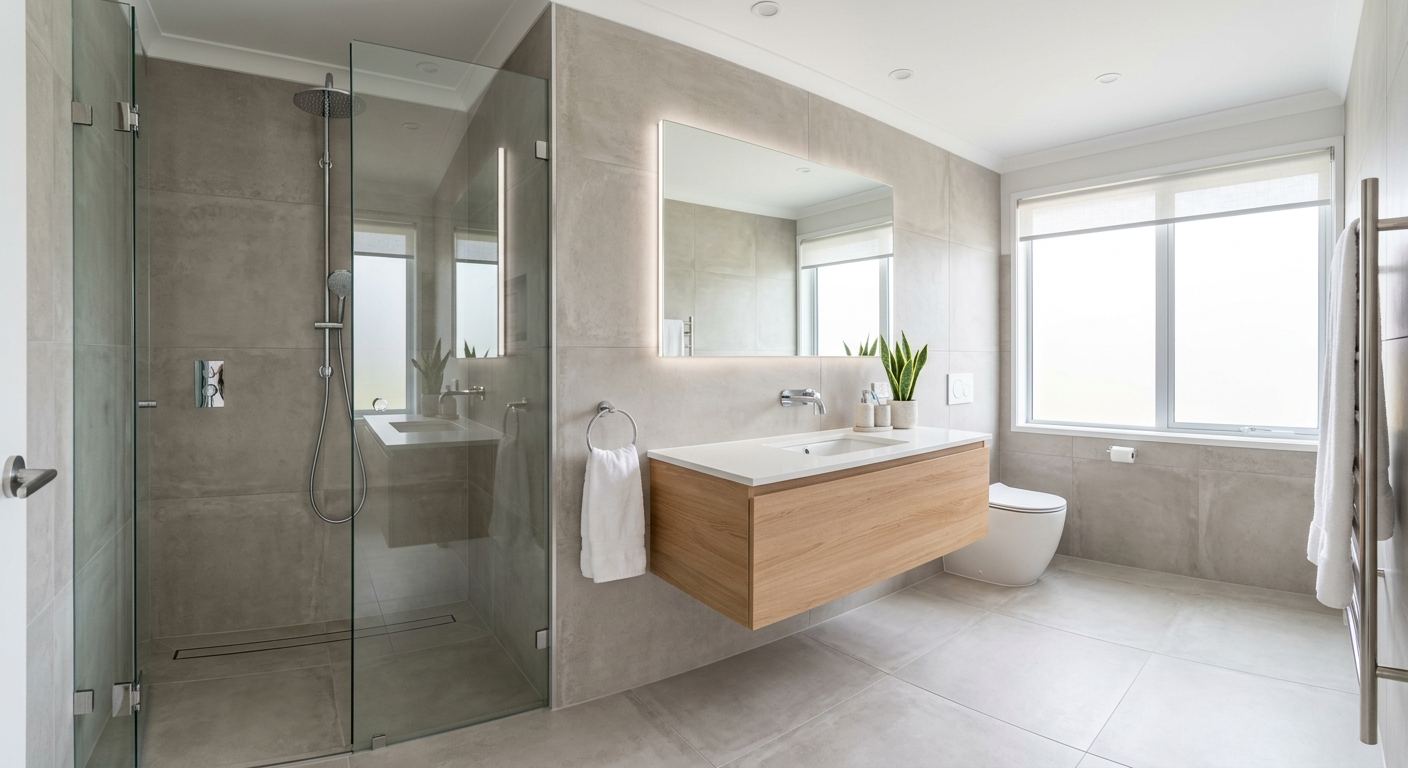
Bathroom renovation options and costs in Forest Hill South
Renovating in Forest Hill South, Ontario, usually comes down to choosing the right level of change before you get too deep into demo. With a population of 10,732 in the area (Statistics Canada, 2021 Census), there’s steady demand for skilled trades, especially in older pockets where homeowners want refreshed layouts and modern waterproofing. In the Toronto economic region, many homes built across the post-war era and later mid-century periods often show dated plumbing and drainage routing, and that’s where cost surprises begin—cast-iron or older drain stacks, undersized vents, and sometimes legacy asbestos-containing materials in older floor tile or drywall compounds. The good news is the local trade ecosystem is mature, so you can find specialized tilers and licensed plumbers who regularly handle GTA compliance and documentation.
Toronto-area pricing is driven more by labour intensity than by outdoor climate, but Ontario humidity still punishes poor waterproofing. A rushed waterproofing system or shortcuts with membrane continuity can lead to grout failure, soft subflooring, and mould callbacks—exactly what budgets try to avoid. If you’re near the busy corridors in Forest Hill South and you’re renovating a main-floor bath, access and scheduling can also add to labour time. For comparison shopping, start by matching your goals to one of the options below, then use the table to sanity-check what your contractor’s quote should include.
| Renovation Scope |
What's Included |
Typical Duration |
Price Range |
| Cosmetic refresh (paint, fixtures, accessories only) |
Replace vanity or faucet, update lighting, paint, re-caulk, install accessories; tile/major plumbing not changed |
2–5 days |
$2,000–$6,000 |
| Mid-range full renovation (new tile, vanity, tub/shower, electrical) |
Remove and reset tub/shower components, new wall/floor tile, new vanity + toilet, new exhaust fan and GFCI (if needed), basic plumbing refresh, waterproofing system |
10–18 days |
$12,000–$20,000 |
| High-end full renovation (custom tile, steam shower, heated floors) |
Custom shower/steam system, premium tile layout, heated floor installation, upgraded plumbing fixtures/valves, stronger waterproofing build-up, more electrical scope and finishes |
18–30 days |
$20,000–$30,000 |
| Shower-only installation (convert tub to walk-in shower) |
Remove tub, build walk-in shower with waterproofing, install drain/linear options as selected, new glass enclosure, new valve trim, tile surround and floor treatment |
12–20 days |
$8,000–$15,000 |
| Bathtub replacement or tub-liner install |
Swap existing tub and trim, new surround where required; liner includes prep and surface bonding; caulking, releak checks, and reseal |
5–10 days |
$3,000–$7,000 |
| Tile-only installation (floor + surround, existing layout kept) |
Demo tile only (no major plumbing move), floor + wall tile installation, waterproofing prep for tile areas, new grout/caulk details, cleanup |
7–14 days |
$5,000–$13,000 |
Prices are estimates only and vary by project scope, site access and material selection.
What affects the price of bathroom renovation in Forest Hill South
In Forest Hill South and across the Toronto economic region, two homeowners can receive quotes for what sounds like the same bathroom and still see a 30–50% difference. The biggest reason isn’t climate—it’s labour rates plus the “hidden work” that shows up once walls and floors are opened. GTA skilled trades are in premium demand, and bathroom renovations are labour-intensive for tiling, waterproofing detailing, custom shower work, and plumbing reconnections. Add to that the age of local housing stock and the fact that older systems can require vent corrections, drain reconfiguration, and new shut-offs to meet current Ontario requirements, and costs move quickly into the mid-to-upper bands (Statistics Canada, 2021 Census provides the local population baseline for demand and labour availability).
For example, if your renovation keeps the same footprint but replaces a valve and updates the exhaust fan, your budget might stay closer to a mid-range full renovation level in the $12,000–$20,000 territory. If you’re moving a toilet position, relocating the drain, or changing the tub-to-shower valve location, you can trigger rough-in labour and potential vent work that pushes you toward the higher end of the local full-renovation band, $20,000–$30,000. Another common driver: discovery of asbestos-containing materials in older homes (pre-1985 era floor tile or drywall compounds). When abatement is required, it can add roughly $1,500–$5,000+ depending on what’s found and how much containment is necessary.
Concrete Forest Hill South examples: replacing a small vanity and updating trim is typically straightforward, while adding heated floors often requires additional subfloor prep, electrical planning, and longer tile-cure coordination. Likewise, upgrading waterproofing coverage for a steam-style shower build-up can require extra membranes and careful detailing around niches, benches, and glass interfaces—small changes that materially affect labour time and material consumption.
| Price Factor |
Why It Matters |
Cost Impact |
| Layout change — moving drain or supply lines requires rough-in work |
New drain runs, vent alignment, and pressure-balanced valve changes increase labour and inspection steps |
+$2,000–$8,000 |
| Tile selection — large-format porcelain vs. mosaic vs. ceramic |
Harder materials demand more cutting/setting time; mosaics raise labour for grout lines |
+$1,000–$6,000 |
| Fixture tier — builder-grade vs. mid-range vs. designer brands |
Higher tiers cost more upfront and sometimes require specialty valves, trims, and installation details |
+$800–$5,000 |
| Subfloor condition — rot or unlevel concrete adds scope |
Extra framing/patching, cement board changes, and more prep to achieve flatness for tile |
+$1,000–$7,000 |
| Electrical — adding GFCI outlets, exhaust fan, heated floor circuit |
More wiring, breakers, and fan ducting; higher skill coordination for safe bathroom circuits |
+$600–$4,500 |
| Waterproofing method — membrane type and extent |
Proper membrane systems increase material costs but reduce costly callbacks for failed seals |
+$500–$3,500 |
| Older-home surprises — asbestos tile, cast-iron drains, galvanized pipes |
Abatement, drain/vent upgrades, and supply line corrections expand both time and permitted work |
+$1,500–$12,000+ |
| Bathroom size — sq ft drives tile and labour time directly |
More surface area means more setting, grouting, and waterproofing detailing |
+$1,000–$8,000 |
Permits & regulations in Ontario
In Ontario, the permit picture is mostly about whether you’re changing plumbing, electrical scope, or structural elements. Cosmetic updates—like swapping fixtures, replacing a vanity, painting, re-caulking, or retiling in the same footprint without moving plumbing—typically do not require a permit. Where permits often DO come into play is when you relocate plumbing (moving a drain or supply line), make significant changes to venting/drain routing, add or replace an exhaust fan with new wiring/circuits, or alter walls/structural components. Electrical work must meet Ontario electrical code requirements and be completed or signed off by a licensed electrician.
Step-by-step, homeowners in Forest Hill South can verify a contractor before anything irreversible starts:
- Ask for the Ontario trade licence details for the trades involved (especially plumbing/electrical scope).
- Request a Certificate of Insurance showing general liability (and confirm coverage limits are appropriate for bathroom renovation work).
- Confirm WSIB/WCB coverage status for workers—your contractor should provide proof on request.
- Verify product/manufacturer warranties are registered to the correct installer/company name.
- Check the contractor’s online licence registry listing (use the province’s public search tools) and match the company name/address.
- For permitted work, ask who pulls the permit and whether inspections and documentation will be provided.
- Get everything in writing: scope, inclusions, and any permit/inspection responsibilities.
If a quote says “no permits needed” but the plan includes moving a toilet, adding a heated floor circuit, or changing venting, that’s a red flag that usually means the scope is incomplete or improperly stated.
Choosing tile, waterproofing and fixtures for your Forest Hill South bathroom
In Forest Hill South, your budget is largely shaped by three material decisions: tile type, waterproofing system, and fixture tier. First, tile choice: ceramic is usually the entry point, while porcelain is denser and more stable for floors and wet zones. Natural stone (marble, travertine, slate) looks dramatic, but it often needs sealing and careful setting to handle variations in surface and absorption rates. Second, waterproofing: Ontario bathroom humidity and regular use mean the system matters as much as the tile. A paint-on membrane may be acceptable in limited situations, but many full renovations perform best with a bonded sheet membrane or a robust system designed for shower walls and floors. Third, fixtures: builder-grade items reduce material cost, while mid-range and designer brands can improve longevity and resale perception—especially when you’re choosing valve trims, showerheads, and toilet comfort features.
Because the Toronto market is labour-driven, the “cheapest tile” isn’t always the cheapest job. For instance, moving from ceramic to porcelain might add a few thousand dollars in material and some extra setting time, but it can prevent future cracking/grout failures when the substrate settles. A practical example: if porcelain installation (including waterproofing integration) lands in the $12,000–$20,000 mid-range full renovation band, you may save more over time than “upgrading later” after a waterproofing compromise. Conversely, choosing premium marble only for select features (like a niche surround) can deliver high-end visual payoff without making the whole floor installation cost-prohibitive.
Build your selection around your bathroom’s wet-zone details—shower style, linear drain or not, and glass enclosure type—so the waterproofing and tile layout are designed as one system, not pieced together after the fact.
| Material / Option |
Pros |
Cons |
Price Range |
| Ceramic tile (floor + walls) |
Generally affordable, consistent looks, wide style selection |
Can be less durable for heavy traffic; may require more careful leveling on floors |
$3,000–$7,500 |
| Porcelain tile (floor + walls) |
Better water resistance and durability, good for floors and wet areas |
Larger/heavier tiles can be more labour-intensive; premium slabs cost more |
$5,000–$12,000 |
| Natural stone (marble, travertine, slate) |
High-end appearance, unique veining and texture |
Often needs sealing; extra prep and careful handling; more variable material |
$8,000–$18,000 |
| Frameless glass shower enclosure |
Modern look, easier visual flow, complements custom tile work |
Costlier than standard units; requires precise plumbing and waterproofing alignment |
$2,500–$6,500 |
| Prefab tub surround (acrylic) |
Fast installation, watertight when installed correctly, lower labour time |
Less flexible design; can look more “standard” than tile; future repairs may be limited |
$1,200–$3,500 |
| Custom shower pan (tile or linear drain) |
Clean design lines, tailored slope to drain, best integration with waterproofing |
More labour and detailing; requires strict waterproofing discipline for longevity |
$4,000–$12,000 |
How to choose a bathroom renovation contractor in Forest Hill South
Choosing the right contractor in Forest Hill South starts with proof, not promises. For Ontario work, verify three key items before signing: (1) Ontario trade licensing/registration for the trades involved, (2) liability insurance, and (3) WSIB/WCB coverage for workers. How to check: request the certificates directly, then confirm licence details via the province’s public online registry (match the company name on your contract). For insurance, ask for an up-to-date Certificate of Insurance and ensure it lists the business performing the work. For WSIB/WCB, your contractor should provide clearance/proof documentation on request.
Next, get 2–3 itemised written quotes—not just a lump sum. You want a breakdown for labour and materials (tile, waterproofing, fixtures, plumbing labour, electrical scope), plus line items for demo, disposal, and any patching/drywall. Read the exclusions carefully: are permit fees included, who pulls the permit, and is waste haul-away included? Make sure the quote specifies the waterproofing approach, membrane type, and how they’ll handle transitions (tub edges, niches, glass bases).
Warranty should be clear: workmanship warranty length (for example, how long they stand behind waterproofing and tile adhesion), product/manufacturer warranty details, and whether the warranty transfers if you sell your home. Payment schedule matters—never allow more than 10–15% upfront, and use a holdback until the final walkthrough and key waterproofing/finish checks are completed. Finally, require a start date and completion estimate in writing, with allowances for ordering lead times for glass enclosures and specialty fixtures.
- Provide Ontario licence details for plumbing/electrical trades involved.
- Show current liability insurance certificate and confirm it matches the contracting party.
- Confirm WSIB/WCB clearance/proof in writing.
- Use itemised quotes with labour and material line items, not a single total.
- Specify waterproofing system type and coverage (walls, floors, seams, transitions).
- Confirm disposal/haul-away is included in the quote.
- State whether permits are included and who is responsible for pulling them.
- Detail electrical scope: exhaust fan, GFCI, and any heated floor circuitry.
- Require a tile layout approach (pattern, grout size guidance, and transition strips).
- Ask for examples/photos of similar Forest Hill South bath work with their typical finish.
- Confirm warranty terms: workmanship and manufacturer coverage, and whether it’s transferable.
- Set a payment schedule with a holdback until final sign-off.
Red flags to watch for: quotes that omit waterproofing details, contractors who won’t list licences/insurance clearly, “cash-only” or vague payment terms, no written schedule, and change orders that lack itemised pricing. In older Forest Hill South homes, any refusal to discuss potential hidden conditions (like drain/vent upgrades or possible asbestos discovery procedures) is another serious concern.
Frequently asked questions — bathroom renovation in Forest Hill South
How long does tile installation take in a Forest Hill South bathroom?
In Forest Hill South, tile timelines depend on tile size, layout complexity, and the waterproofing method. For a typical floor + tub/shower surround where the bathroom is being fully prepped, tile installation commonly takes about 5–10 working days once demolition is complete. If you’re adding a custom shower pan, bench, niche, or linear drain, expect longer—often closer to 8–14 working days—because setting and waterproofing must cure properly between steps. The schedule can also shift if your subfloor is uneven or requires extra flattening. To keep your project on track, make sure the quote includes waterproofing prep and cure times, not just “tile setting” time.
How much does a bathroom renovation cost in Forest Hill South?
Bathroom renovation cost in Forest Hill South usually falls into the same GTA-driven bands used across the Toronto economic region, where labour and older-home plumbing realities matter more than weather. For a full renovation, reputable projects commonly land in the $12,000–$30,000 range depending on scope and finishes. If you’re keeping the footprint and doing a mid-range update (new tile, vanity, tub/shower, and some electrical like an exhaust fan and GFCI), many homeowners target the $12,000–$20,000 portion. If you’re moving plumbing, upgrading vents/drain routing, adding heated floors, or doing custom shower work, budgets often move toward the $20,000–$30,000 end. Older post-war homes can also reveal additional scope once walls open.
How long does a bathroom renovation take in Forest Hill South?
Typical renovation duration in Forest Hill South ranges from about 1 week to about 4+ weeks, depending on whether you’re doing a cosmetic refresh, a full renovation, or a plumbing-heavy change. Cosmetic refreshes can be as quick as 2–5 days. A mid-range full renovation often takes roughly 10–18 days, while higher-end builds with heated floors, custom showers, and more electrical coordination can run 18–30 days. Tile-cure and waterproofing cure times are a major driver of schedule; trying to rush those steps is what leads to future failures. Also consider material lead times—particularly glass enclosures and specialty fixtures—because the Toronto market can have higher demand. Getting a start date and completion estimate in writing helps prevent delays.
Do I need a permit for a bathroom renovation in Ontario?
In Ontario, permits are usually not needed for purely cosmetic work like swapping fixtures, painting, replacing a vanity, or retiling in the same footprint without moving plumbing. You typically DO need permits when you change plumbing layout (moving drain or supply lines), add/replace an exhaust fan with new electrical circuits, do electrical work, or make structural wall changes. Plumbing rough-in changes generally require permits and inspections. Electrical must meet Ontario code and be handled or signed off by a licensed electrician. For Forest Hill South homeowners, a practical check is to ask your contractor: “Which permits are required for this exact scope, and are you pulling them?” If the contractor can’t clearly explain it, your quote may be missing work items.
What's the best tile for a bathroom in Forest Hill South?
The “best” tile is the one that fits your wet-zone plan and your maintenance comfort. In Forest Hill South, porcelain is often the top choice because it’s denser, handles water exposure well, and performs reliably for floors and shower areas. Ceramic can work too—especially for walls—if you use a proper waterproofing system and correct substrate prep. Natural stone looks luxurious but usually requires sealing and careful selection for slip resistance and absorption. The most important factor isn’t just the tile brand—it’s the installation system: waterproofing coverage, correct substrate flatness, and grout/joint detailing. If you want a balanced budget, porcelain floor + simple wall patterns usually gives the best durability-per-dollar without making labour timelines blow out.
Should I do a tub-to-shower conversion?
A tub-to-shower conversion is a popular option in Forest Hill South because it can modernize the bathroom and improve accessibility, but it’s worth planning carefully. The biggest cost driver is scope: you’re usually removing the tub, changing valve access, building a properly sloped shower pan, and integrating waterproofing around seams, niches, and glass. If your layout stays similar, this can be done in about 12–20 days and often lands in the local shower installation range, commonly around $8,000–$15,000 depending on enclosure type and how much plumbing needs correction. In older homes, plan for possible drain/vent and subfloor remediation once walls are opened. If you’re unsure, ask contractors to include a contingency line for older-home surprises rather than absorbing surprises into your final invoice.