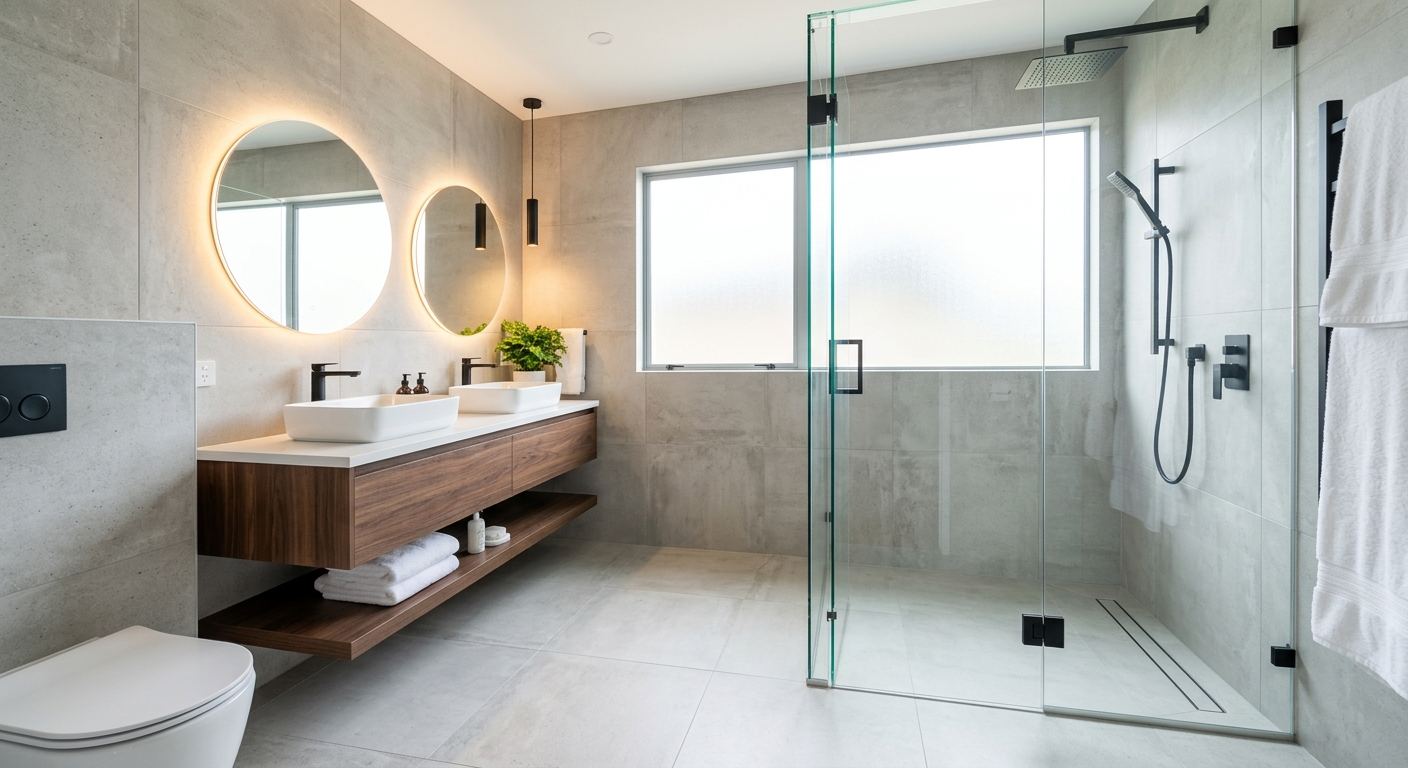
Bathroom renovation options and costs in Junction Area
Bathroom renovation in Junction Area, Ontario, typically ranges from straightforward cosmetic upgrades to full rebuilds, and the right option depends on what you’re changing behind the walls. Junction Area’s housing mix includes many older post-war and 1960s–1980s homes, which often come with dated drain layouts, potential undersized venting, and materials that may need careful handling once floors are opened. With a population of 14,366 in the area (Statistics Canada, 2021 Census), demand is steady, and you’ll find plenty of local competition—but the GTA’s premium labour rates mean quotes can still land higher than national averages. In Toronto, cost is driven far more by how labour-intensive the work is (tiling, custom showers, plumbing and rough-in) than by weather swings, because bathroom plumbing and finishes are indoor systems. That said, the Toronto market is busy and trades availability can tighten during spring and early summer, so booking timelines can affect scheduling and, in some cases, labour premiums.
Renovations are especially in demand around Junction neighbourhood pockets with high concentrations of renovations and quick-turn rental properties near major transit corridors, where homeowners want durable, modern results that can pass future inspections. If you suspect a tub-to-shower conversion or plan to move plumbing, it’s smart to budget for rough-in and vent corrections—common “hidden” items in older homes—before you compare contractors.
Use the table below to compare typical scopes, timelines, and local price bands for Junction Area projects.
| Renovation Scope |
What's Included |
Typical Duration |
Price Range |
| Cosmetic refresh (paint, fixtures, accessories only) |
Repaint, replace vanity or faucet, upgrade toilet (if not moving plumbing), swap lighting, add mirrors/accessories; typically no tile removal of main waterproofing surfaces |
3–7 days |
$3,000–$8,000 |
| Mid-range full renovation (new tile, vanity, tub/shower, electrical) |
Demo, waterproofing, floor + surround tile, new vanity, toilet, tub/shower or reglaze tub (if chosen), exhaust fan (as required), basic electrical upgrades, disposal |
2–4 weeks |
$12,000–$20,000 |
| High-end full renovation (custom tile, steam shower, heated floors) |
Full reconfiguration allowance, custom shower/tile work, heated floors, upgraded vent/exhaust strategy, higher-end plumbing fixtures, premium lighting, extensive waterproofing and detail finishing |
4–7 weeks |
$20,000–$30,000 |
| Shower-only installation (convert tub to walk-in shower) |
Remove tub, install walk-in shower base/pan approach, tile shower surround, new controls/showerhead, updated waterproofing, modify drain lines as needed, add or upgrade exhaust fan |
2–3 weeks |
$8,000–$14,000 |
| Bathtub replacement or tub-liner install |
Replace existing tub with new unit or install tub-liner system; new trim/fittings, recaulk, limited surround refresh; plumbing changes only if required |
5–10 days |
$1,200–$3,500 |
| Tile-only installation (floor + surround, existing layout kept) |
Remove existing tile (as required), prepare subfloor, install floor tile and/or tub surround tile, grout/seal, reinstall fixtures; waterproofing included where needed |
1–3 weeks |
$3,000–$10,000 |
Prices are estimates only and vary by project scope, site access and material selection.
What affects the price of bathroom renovation in Junction Area
In Toronto and across Ontario, two contractors can quote the “same” bathroom and still differ by 30–50%, because the biggest variables aren’t cosmetic—they’re labour intensity, hidden conditions once walls open, and how far plumbing and electrical need to be updated. This region’s market is shaped mainly by skilled trade labour rates and the age of local housing stock, not by climate. That matters because older post-war and 1960s–1980s homes often include cast-iron drain sections, galvanized or undersized supply lines, and venting that no longer meets current expectations. When you add a new exhaust fan, relocate plumbing, or change a shower configuration, the job becomes rough-in heavy and more inspection-sensitive.
Hidden scope is the typical driver of budget creep. For example, if asbestos-containing materials are found in pre-1985 floor tile, drywall compound, or adhesive remnants, abatement protocols can add $1,500–$5,000+ or more to your total. Likewise, a tub-to-shower conversion may require drain reconfiguration and a vent correction; those items can push a “mid-range” refresh toward a full renovation band of $12,000–$20,000 even when the layout stays simple.
In Junction Area, real-world examples include: a bathroom with an older galvanized supply line may need additional shut-offs and re-piping, increasing labour and materials; and a small powder-style bathroom with uneven subfloor can cost more than expected because tile installation time rises when floors are out of plane. On the other hand, if you keep the layout and use mid-range tile and fixtures, you can often stay closer to the $3,000–$10,000 tile-only range.
| Price Factor |
Why It Matters |
Cost Impact |
| Layout change — moving drain or supply lines requires rough-in work |
Shifting plumbing turns surface work into cut-and-rebuild work, including rough-in, patching and potential vent fixes |
$3,000–$10,000+ |
| Tile selection — large-format porcelain vs. mosaic vs. ceramic |
Smaller mosaics and harder cuts increase labour; large-format tiles require flatter substrates and precise setting |
$800–$4,000 |
| Fixture tier — builder-grade vs. mid-range vs. designer brands |
Higher tiers cost more and sometimes require custom trim, valves or specialty installation components |
$500–$5,000 |
| Subfloor condition — rot or unlevel concrete adds scope |
Water-damaged framing or out-of-level surfaces require patching, underlayment, and longer tile prep time |
$500–$3,500 |
| Electrical — adding GFCI outlets, exhaust fan, heated floor circuit |
Bathrooms require compliant electrical work; add-on loads mean licensed electrical and extra materials |
$600–$4,500 |
| Waterproofing method — membrane type and extent |
Better systems and more coverage reduce long-term mould and leak risk, but add materials and labour |
$800–$3,500 |
| Older-home surprises — asbestos tile, cast-iron drains, galvanized pipes |
Discovery triggers remediation, additional labour, and potentially component replacement during rough-in |
$1,500–$8,000+ |
| Bathroom size — sq ft drives tile and labour time directly |
More surface area means more prep, more thinset/grout, more setting time, and more waterproofing |
$1,000–$6,000 |
Permits & regulations in Ontario
In Ontario, many bathroom cosmetic updates don’t require a permit—especially when you’re not changing plumbing locations or altering structure. Swapping fixtures like a vanity, toilet (when the rough-in stays the same), faucets, shower trim (without changing valve location), mirrors, and retiling surfaces in the same footprint typically falls into renovation work that is usually handled under normal contractor scope, not a permit-driven project. However, permits and inspections become much more likely when you relocate plumbing (moving a drain or supply line), add a new exhaust fan location, or make any structural wall changes.
Electrical work must meet Ontario electrical code requirements and be done or signed off by a licensed electrician. This includes adding or upgrading circuits tied to bathroom safety needs (such as GFCI protection) and installing a heated floor that requires an appropriate circuit. Plumbing rough-in changes—like moving a toilet rough-in or altering drain runs—typically require a permit and inspection process before walls close.
To verify contractor credentials in Junction Area step-by-step: (1) Ask for the contractor’s Ontario trade licence details and confirm the class that matches their work; (2) request a certificate of insurance for liability coverage and confirm it’s current; (3) ask for WSIB/WCB coverage documentation (or a clearance letter if applicable to their structure); and (4) keep copies with your signed contract. If you don’t receive proof up front, treat it as a red flag and ask again before scheduling demo.
Choosing tile, waterproofing and fixtures for your Junction Area bathroom
In Junction Area, three material decisions shape both your budget and your long-term performance: tile choice, waterproofing method, and fixture tier. First, tile: ceramic is usually the entry-level option and can be the right fit when you want a durable look on a tighter budget, but it’s typically not as robust as porcelain for high-use floors. Porcelain often costs more but handles wear better and is easier to keep consistent in appearance. If you’re considering natural stone (marble, travertine, slate), expect a luxury look—and extra installation complexity due to grading, finishing, and higher labour time. Second, waterproofing: paint-on membranes can work, but bonded sheet membranes or more engineered systems are often better for showers and wet zones when installed correctly with proper overlaps and detailing. In Ontario’s humid indoor conditions—especially in older homes with imperfect ventilation—good waterproofing choices are what prevent mould and avoid expensive call-backs. Third, fixtures: builder-grade saves money upfront, mid-range balances cost and reliability, and designer brands can improve style impact and resale appeal but raise line-item costs.
Match the combination to your situation: if your plumbing is being updated anyway, investing in a proper waterproofing system and a solid tile substrate pays off more than upgrading trim aesthetics. As a dollar example, moving from a basic ceramic wall system to mid-range porcelain might add roughly $1,500–$3,000 across a typical bathroom, and that’s often justified if you’re also doing a high-quality waterproofing build-up in the shower.
| Material / Option |
Pros |
Cons |
Price Range |
| Ceramic tile (floor + walls) |
Good affordability, wide style selection, straightforward installation for level substrates |
Can be less durable than porcelain for floors; may require more attention to slip resistance |
$3,000–$6,500 |
| Porcelain tile (floor + walls) |
High durability, better for bathrooms and consistent finishes; often easier to maintain |
More expensive material and may require flatter subfloor for large-format panels |
$5,000–$10,000 |
| Natural stone (marble, travertine, slate) |
Premium look and unique veining, excellent for statement walls and upscale finishes |
Higher installation complexity, needs careful sealing/maintenance, and can vary panel-to-panel |
$8,000–$16,000 |
| Frameless glass shower enclosure |
Modern appearance, makes bathrooms feel larger, durable hardware options |
Requires precise measurements; installation complexity increases if framing needs correction |
$2,000–$6,000 |
| Prefab tub surround (acrylic) |
Fast install, consistent waterproofing approach, good value for tub replacements |
Less “designer” than tile; seams and edge detailing matter for appearance |
$800–$2,500 |
| Custom shower pan (tile or linear drain) |
Integrated drainage, premium shower look, better control over slope and wet-zone performance |
Labour-intensive, requires meticulous waterproofing and substrate prep |
$4,000–$12,000 |
How to choose a bathroom renovation contractor in Junction Area
Choosing the right contractor in Junction Area starts with verifying Ontario credentials and coverage, because bathrooms involve plumbing, electrical interfaces, and waterproofing accountability. Ask for: (1) proof of Ontario trade licensing relevant to their scope (and confirm the licence number/class on your paperwork); (2) liability insurance—request a certificate of insurance and confirm the policy is active; and (3) WSIB/WCB coverage or a clearance letter if they’re structured under an exempt status. You should not have to “figure this out later”; you want these documents before demo, not after.
Next, get 2–3 itemised written quotes. You want labour and materials breakdowns, not a single lump-sum line. Scope clarity is critical: ask what’s included for permits, disposal, and the start date for scheduling. Confirm who does waterproofing (and what system), whether they allow for asbestos/older materials contingencies, and what happens if the subfloor or drain line is worse than expected. Warranty matters too—look for a workmanship warranty (how many years, and what it covers) and verify product/manufacturer warranties for tile, membrane, glass, and plumbing fixtures. Also confirm if warranties are transferable to you.
For payment, use a responsible schedule: never pay more than 10–15% upfront, and hold back a portion until the job is complete, cleaned, and any punch-list items are done. Finally, request a written timeline with a start date and completion estimate.
- Check Ontario licence class and verify it matches the work proposed.
- Request certificate of liability insurance and confirm coverage limits.
- Verify WSIB/WCB coverage or obtain a clearance letter.
- Get 2–3 itemised quotes (labour + materials), not lump sums.
- Confirm waterproofing system type and how it’s detailed at corners/curbs.
- Ask who supplies tile layout engineering for large-format or mosaic designs.
- Clarify permit responsibility: permit pulled by whom, and cost included or separate.
- Confirm disposal and site protection (tarps, flooring protection, debris removal schedule).
- Require a written start date and realistic completion window.
- Ask about allowance items (tile, fixtures, glass, niche/backer and accessories).
- Confirm warranty length for workmanship and whether it’s transferable.
- Use a payment schedule that caps upfront payments and includes a holdback for punch-list completion.
Concrete red flags I see in Junction Area: contractors who refuse to show licence/insurance/WSIB proof; quotes that omit waterproofing type and show no line-item allowances; a request for large upfront payments beyond 10–15%; vague timelines with no written start date; and contracts that don’t clearly state who handles permits, inspections, and disposal.
Frequently asked questions — bathroom renovation in Junction Area
Can I live at home during a bathroom renovation in Junction Area?
Often, yes—especially if you have a second bathroom, or if the work is a shorter scope like a tile-only install or a shower-only conversion. In Junction Area, older homes can require longer “open wall” periods for waterproofing, rough-in, and inspection sequencing, so living there depends on how quickly walls can be closed after plumbing and electrical. For cosmetic refreshes, you can usually remain comfortable, with dust control and a protected path through the work area. For full renovations, many homeowners plan to be without bath access for 1–3 weeks depending on tile setting and cure times. If the contractor schedules well and uses containment, it’s still possible to live at home, but you should negotiate dust control, access times, and a clear daily cleanup plan.
What's the best bathtub material for a Junction Area home?
The “best” option depends on whether you want a tub you can replace and maintain easily, or whether you’re prioritizing heat retention and longevity. In Ontario homes, acrylic tubs are commonly chosen because installation is faster and the surface is easy to clean. Cast-iron tubs are extremely durable but heavier and more expensive to replace if access is tight. If you’re not ready for a full demo, a tub-liner can be a budget-conscious alternative, but it must be installed correctly over compatible surfaces and may not suit every bathroom condition. If you’re staying in the bathtub replacement band of $1,200–$3,500, acrylic and good-quality liners are typically the practical choices. For resale-minded homeowners, it’s usually worth ensuring the surrounding waterproofing and caulking are done to a high standard, not just the tub shell.
Is it worth renovating a bathroom before selling in Junction Area?
It can be, but only when the renovation improves what buyers notice and what inspectors won’t ignore—waterproofing quality, ventilation, and functional layout. In Junction Area and the Toronto market, cosmetic-only upgrades can help, yet buyers often pay attention to shower performance, mould risk, exhaust fan operation, and whether plumbing updates were done properly. A mid-range full renovation typically sits around $12,000–$20,000, and a bathroom that looks updated but has questionable waterproofing will not create confidence. If your current bathroom is outdated but structurally sound, a controlled full refresh (tile, vanity, ventilation, fixtures) is usually the sweet spot. If you discover issues like undersized venting or old drain work, you may be better off doing it before listing so the sale isn’t delayed by remediation requests. Plan your scope around inspection risk, not just aesthetics.
How do I plan a bathroom renovation on a tight budget in Junction Area?
Start by protecting your budget against the two biggest cost drivers: hidden plumbing/electrical scope and waterproofing. Keep the layout if you can—avoid moving the drain or supply lines, because that rough-in work is where budgets stretch. Choose a practical finish approach: for example, you might target tile-only work (often $3,000–$10,000) while upgrading the exhaust fan and vanity within the cosmetic tier, rather than changing everything at once. Focus on waterproofing and substrate prep even if you’re not going “high-end”; a good membrane build and proper tile installation reduce call-backs that cost more later. Consider mid-range porcelain where it matters most, and save on less-visible items. Finally, request itemised quotes with allowances and a contingency approach for older-home surprises that are common in Toronto’s older stock.
What's the difference between a cosmetic and a full bathroom renovation?
A cosmetic refresh generally updates surfaces and fixtures without changing the core systems or layout. Think painting, swapping a vanity or faucet, replacing accessories, and sometimes retiling in the same area if waterproofing is not compromised. A full renovation goes beyond looks: it includes demo, proper waterproofing build-up, replacing the toilet/vanity/fixtures, new tile floors and wet-zone surfaces, and often electrical and ventilation upgrades. In Junction Area, full renovations are also where permits and inspections are more likely when plumbing rough-in or electrical changes are involved. Pricing reflects this: cosmetic work often starts lower, while mid-range full renovations commonly land around $12,000–$20,000 due to labour-intensive tile, shower work, and any plumbing or vent corrections that may be needed. If you want the bathroom to feel “new,” a full renovation is typically the only option that consistently delivers that outcome.
How do I choose the right contractor for my bathroom in Junction Area?
Choose a contractor who can prove licensing and coverage, provide itemised quotes, and explain the scope in plain language. In Ontario, confirm their Ontario trade licence details for the work they’ll do, request liability insurance paperwork, and verify WSIB/WCB coverage or a clearance letter. Then compare 2–3 written, line-item quotes that clearly show what’s included: waterproofing system, disposal, whether permits are included, and what happens if asbestos or older drain components are found. Ask for warranty terms on workmanship and product components, and whether warranties are transferable. Finally, insist on a realistic timeline with a start date and completion estimate, and keep payment responsible—typically no more than 10–15% upfront. In Toronto’s busy market, contractors who plan carefully also reduce disruptions and keep moisture control timelines on track.