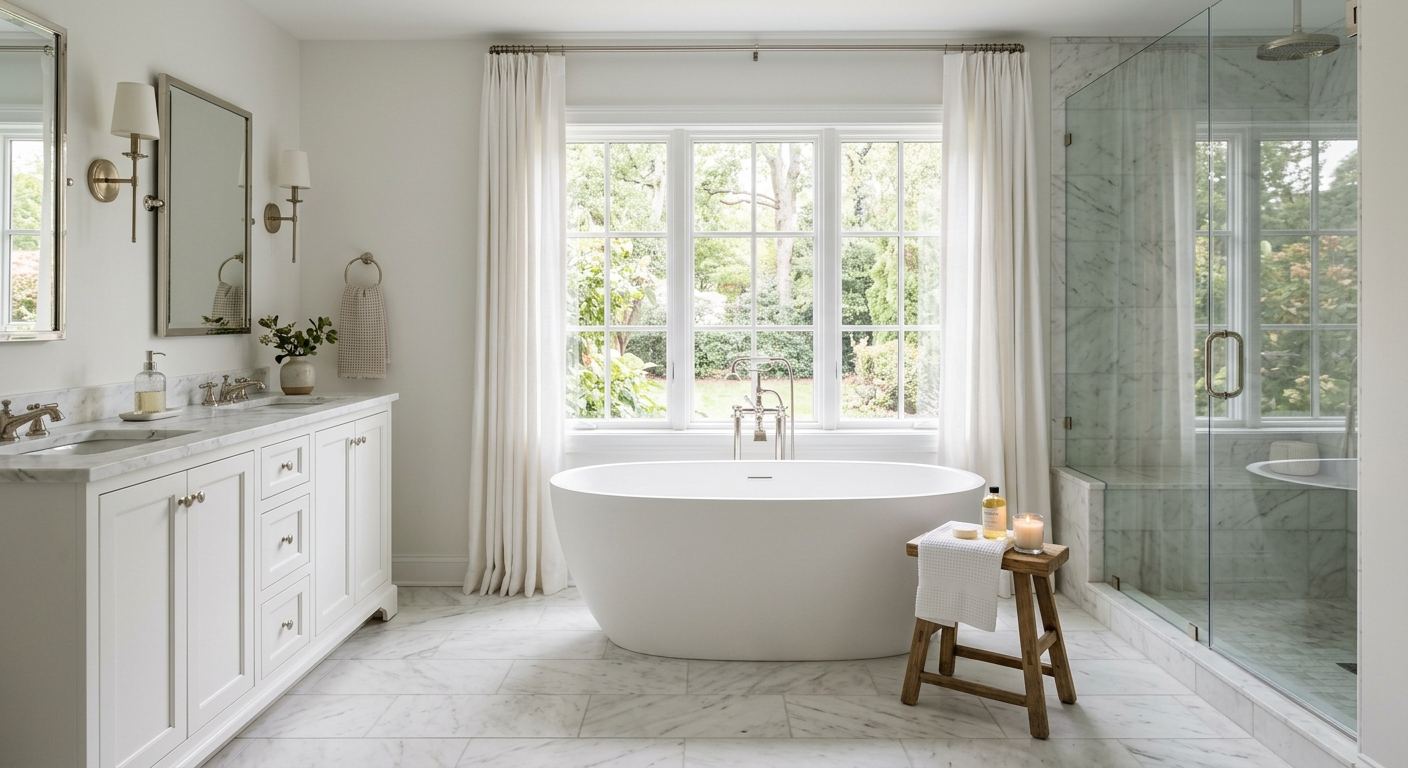
Bathroom renovation options and costs in Parkwoods-Donalda
Bathroom renovations in Parkwoods-Donalda often start with a simple question: “What will it cost?” The answer depends less on the weather and more on the realities of Toronto’s housing stock and labour market. With Parkwoods-Donalda drawing on a broader Toronto base of 34,805 residents (Statistics Canada, 2021 Census), there’s steady demand for skilled trades, and that demand shows up in premium GTA hourly rates. Just as importantly, many homes here reflect mid-century builds and later post-war updates, meaning dated plumbing layouts, older venting, and a higher chance of buried materials like asbestos-containing floor tile or old patching compounds when walls come open.
Toronto’s climate doesn’t “drive” bathroom pricing the way it does in some colder regions, but it does shape the quality of solutions homeowners choose—good ventilation and proven waterproofing matter because bathrooms cycle between high humidity and drying. In Parkwoods-Donalda and nearby pockets, contractors are especially busy around the older-stock streets near Don Valley Parkway corridors, where quick accessibility and close-set plumbing walls can make labour more intensive once floors are opened.
Below are practical cost ranges you can use when you compare contractor quotes, including common labour-heavy scopes like tiling, shower builds, and bringing plumbing and electrical to current Ontario code. Use the table as your baseline before you decide how far you want to go.
| Renovation Scope |
What's Included |
Typical Duration |
Price Range |
| Cosmetic refresh (paint, fixtures, accessories only) |
New vanity (if same location), tap/fixture swap, toilet replacement, paint, mirror/accessories; no tile demo |
3–7 days |
$3,500–$8,500 |
| Mid-range full renovation (new tile, vanity, tub/shower, electrical) |
Demo, new porcelain/ceramic tile floor and surround, vanity + lighting, tub or tub/shower refresh, exhaust fan upgrade, GFCI outlets where required, waterproofing and basic rough-in checks |
2–4 weeks |
$12,000–$22,000 |
| High-end full renovation (custom tile, steam shower, heated floors) |
Custom shower or steam option, premium tile layout, linear drain (where planned), heated floor circuit, higher-tier fixtures, upgraded ventilation, more complex waterproofing system, possible plumbing vent adjustments |
4–7 weeks |
$22,000–$30,000 |
| Shower-only installation (convert tub to walk-in shower) |
Remove tub, install walk-in shower pan and tile surround, new valve trim (as needed), glass enclosure, waterproofing, drain adjustments, exhaust fan check/upgrade |
2–3 weeks |
$8,000–$18,000 |
| Bathtub replacement or tub-liner install |
New acrylic tub set and refinishing approach (or liner system), re-sealing, basic surround touch-ups; no full floor retiling unless required |
3–10 days |
$1,200–$3,500 |
| Tile-only installation (floor + surround, existing layout kept) |
Tile demo and reset, waterproofing prep, tile floor and wall surround, grout/caulk detailing; existing toilet/vanity placements generally remain |
1–3 weeks |
$7,000–$15,000 |
Prices are estimates only and vary by project scope, site access and material selection.
What affects the price of bathroom renovation in Parkwoods-Donalda
Even when two homeowners describe the “same” bathroom renovation in Parkwoods-Donalda, quotes can differ by 30–50% across Toronto and Ontario. The biggest reason is that bathroom work is labour-intensive, and in the GTA skilled trades typically command higher hourly rates than the national average. The second driver is older housing: in the Toronto economic region, it’s common to run into cast-iron or undersized drain stacks, galvanized supply lines, and older venting that doesn’t match today’s expectations. Once walls and floors open, contractors sometimes need to reconfigure drain rework, add shut-offs, and correct venting—scope that can add several thousand dollars even if your finishes stay mid-range.
As for hidden materials, pre-1985 homes may contain asbestos-containing materials in floor tile, drywall compound, or old patching. If asbestos is found, abatement requirements add cost and downtime—often in the $1,500–$5,000+ range depending on the area and access. Concrete examples in Parkwoods-Donalda include: (1) relocating the shower valve by even 8–12 inches, which triggers rough-in work and wall opening, and (2) switching to large-format porcelain, which can increase labour time for layout and subfloor prep.
That’s why budgets at the lower end of the $12,000–$30,000 full-renovation band are usually achievable when the layout stays put and the plumbing checks out early; budgets trend upward toward the upper end when venting, drainage, or electrical/GFCI and exhaust upgrades are confirmed after demo.
| Price Factor |
Why It Matters |
Cost Impact |
| Layout change — moving drain or supply lines |
Requires rough-in plumbing, wall opening, patching, and often venting checks |
$2,000–$7,000 |
| Tile selection — large-format porcelain vs. mosaic vs. ceramic |
Harder surfaces increase labour for cuts, flatness requirements and pattern planning |
$1,000–$6,000 |
| Fixture tier — builder-grade vs. mid-range vs. designer brands |
Trim valves, shower hardware, and cabinetry vary widely in price and serviceability |
$800–$4,500 |
| Subfloor condition — rot or unlevel concrete adds scope |
May require membrane redo, framing repair, flattening and additional waterproofing |
$1,200–$5,000 |
| Electrical — adding GFCI outlets, exhaust fan, heated floor circuit |
Brings bathrooms up to current electrical expectations and increases trade time |
$900–$4,800 |
| Waterproofing method — membrane type and extent |
Better systems reduce leak risk but involve more steps and materials |
$600–$3,500 |
| Older-home surprises — asbestos tile, cast-iron drains, galvanized pipes |
Abatement and pipe/vent correction are scope-expanding and schedule-impacting |
$1,500–$8,500+ |
| Bathroom size — sq ft drives tile and labour time directly |
More area means more demo, more tile setting time and more waterproofing coverage |
$1,000–$6,000 |
Permits & regulations in Ontario
In Ontario, many “cosmetic” bathroom updates typically do not need a permit. Swapping fixtures, replacing a vanity without moving plumbing, painting, installing accessories, and even retiling using the same layout usually fall into the low-regulatory-impact category—assuming the contractor is simply following existing rough-in conditions. However, permits are commonly required when you relocate plumbing (moving a drain or supply line), add or relocate electrical components such as exhaust fan circuits with new wiring, or make structural changes to walls or openings.
Electrical work must meet Ontario electrical requirements and be completed or signed off by a licensed electrician. For plumbing, rough-in changes usually require a permit and inspection before walls are closed. If asbestos-containing materials are discovered, abatement rules come into play and must be handled by the appropriate licensed/qualified parties depending on the situation.
Here’s the practical step-by-step you can follow in Parkwoods-Donalda to verify your contractor: (1) Ask for their Ontario trade licence details and confirm the licence status in the applicable provincial online registry; (2) Request a certificate of insurance that includes liability coverage—confirm the policy is current and matches your address/scope; (3) Ask how they handle WSIB/WCB coverage for their workers—get proof/clearance documentation and ensure there’s no “subcontractor risk” being passed to you; (4) Before demo, request written confirmation on what permits they pull (and whether the permit cost is included) and when inspections are scheduled.
Choosing tile, waterproofing and fixtures for your Parkwoods-Donalda bathroom
In Parkwoods-Donalda, the three material decisions that most consistently affect bathroom renovation cost are tile choice, waterproofing method, and fixture tier. First, tile selection: ceramic is the entry-level option and is usually simpler to install on straightforward layout areas. Porcelain sits in the mid-range—often more durable and better for heavy-use floors, but it can require more precise subfloor prep and layout planning. Natural stone (marble, travertine, slate) looks premium, yet it can be more time-consuming to install and maintain due to porosity and cutting details.
Second, waterproofing: Ontario bathrooms don’t typically “freeze,” but they do see repeated humidity spikes. A paint-on membrane can work for some systems, but bonded sheet membranes or a Schluter-style integrated approach are often chosen where detailing is critical at corners, niches, benches, and shower pans. This is the difference between “it looks good” and “it stays dry for years.”
Third, fixtures: builder-grade taps and shower trim keep budgets down, while mid-range and designer brands can improve flow features, finishes, and long-term serviceability. You don’t always need to pay for the most expensive brand—sometimes spending on waterproofing and pan detailing delivers better value than upgrading every trim piece.
For example, it’s common to see a budget bathroom land around the lower side of the full renovation band ($12,000–$22,000) when tile is porcelain and the shower waterproofing is correctly detailed. If you jump to natural stone everywhere and add heated floors, you’re closer to the upper end ($22,000–$30,000)—and that premium makes sense mainly when the layout is stable and the goal is a long-term “signature” bathroom.
| Material / Option |
Pros |
Cons |
Price Range |
| Ceramic tile (floor + walls) |
Good value, wide style selection, easier to cut and install |
May be less durable than porcelain for floors; can chip if subfloor isn’t solid |
$3,000–$8,000 |
| Porcelain tile (floor + walls) |
Higher durability and water resistance, better for busy bathrooms, cleaner look with modern sizes |
Requires careful layout and flatness; larger formats increase labour for precision |
$5,000–$12,000 |
| Natural stone (marble, travertine, slate) |
Luxury appearance, distinctive veining and texture |
More costly materials, extra labour for selection and sealing/maintenance |
$8,000–$18,000 |
| Frameless glass shower enclosure |
Modern look, easier to clean, visually opens the space |
Costly hardware; needs accurate measurements and sturdy wall/backer prep |
$1,800–$6,000 |
| Prefab tub surround (acrylic) |
Faster installation, fewer tile-craft issues, waterproofing often integrated |
Less custom visual flexibility than tile; edges and seams require good sealing |
$1,200–$3,500 |
| Custom shower pan (tile or linear drain) |
Tailored slope and drainage, better long-term performance, premium “spa” finish potential |
More labour and stricter waterproofing detailing; linear drains add layout complexity |
$4,000–$12,000 |
How to choose a bathroom renovation contractor in Parkwoods-Donalda
Choosing the right contractor is where Parkwoods-Donalda homeowners can protect both schedule and budget. Start with Ontario compliance. Ask for their Ontario trade licence details (and verify status via the province’s online registry), then request a current certificate of liability insurance naming you/address as applicable. Finally, confirm WSIB/WCB coverage for their workers—get documentation or clearance proof so you’re not exposed to worker injury costs.
Next, require 2–3 itemised written quotes, not a single lump sum. You want labour and materials separated (demo, framing/drywall, waterproofing, tile setting, electrical/plumbing rough-in, glass/trim, disposal). Read the scope for what’s excluded: for example, is asbestos abatement included if discovered, or treated as an add-on? Is permit pulling included, and are inspection fees listed? Is disposal and haul-away included, or billed separately?
Warranty also matters. Look for a workmanship warranty (often 1–5 years depending on system) and confirm product/manufacturer warranties for tile, membranes, shower valves, and heated-floor components. Ask if the warranties are transferable if you sell your home.
For payment schedule, avoid paying more than 10–15% upfront. Hold back a portion until completion and final clean-up. Get a timeline with a specific start date and completion estimate in writing, including milestones for rough-in inspections (electrical/plumbing) before walls close.
- Itemised quote with labour vs materials, including waterproofing, tile setting, and trim/glass costs
- Clear scope stating what’s included for demo, subfloor repairs, and disposal
- Permit pull responsibility listed in writing (and when inspections will occur)
- Asbestos discovery plan: who abates, who pays, and how schedule changes are handled
- Proof of Ontario trade licence status and current liability insurance
- WSIB/WCB clearance evidence for their workers/subcontractors
- Named electrician/plumber for any rough-in or electrical add-ons
- Waterproofing system specified (membrane type, coverage areas, and cure times)
- Tile plan: layout style and who corrects out-of-square conditions
- Glass shower enclosure: measurement method and install responsibility
- Warranty details in writing for workmanship and product components
- Payment schedule with a final holdback until punch list is complete
Concrete red flags I see in Parkwoods-Donalda: a quote that’s only numbers with no scope/specs; refusal to list warranty terms; vague answers about permits and inspection timing; asking for large upfront payments beyond 10–15%; and “we’ll figure it out after demo” language that doesn’t address hidden-condition risk (plumbing venting, asbestos, or subfloor rot).
Frequently asked questions — bathroom renovation in Parkwoods-Donalda
Should I do a tub-to-shower conversion?
In Parkwoods-Donalda, tub-to-shower conversions are a popular choice because they can improve day-to-day usability and modernize the look. If your bathroom is tight and your layout is already workable, the conversion can stay closer to the lower range of a shower-only scope (often $8,000–$18,000)—especially when the drain/supply locations don’t need to move far. The risk is hidden plumbing or venting: older homes may need drain rework to meet current Ontario expectations, which can push the budget upward. I generally recommend converting when you’re planning more than a quick facelift and you want to prioritize waterproofing quality and ventilation.
How do I prevent mold in a Parkwoods-Donalda bathroom?
Preventing mold in Ontario comes down to controlling moisture at three points: ventilation, waterproofing, and airflow. First, ensure you have a properly sized exhaust fan vented to outside—not just recirculating. Second, use a waterproofing system that matches your shower/pan details (corners, niches, curbs) and is installed with proper cure time—this is where many failures happen. Third, plan for drying: leave space around bathroom doors for air movement and keep caulking edges intact. In practice, homeowners who invest in correct waterproofing and fan upgrades as part of a mid-range full renovation (often $12,000–$22,000) usually avoid recurring leak/mildew cycles that start as “small” grout issues.
What adds the most resale value in a bathroom reno?
For resale in Parkwoods-Donalda, buyers typically pay for functional upgrades and durability more than for trendy tile alone. The strongest value boosters are a well-executed shower/tub refresh with reliable waterproofing, updated ventilation, and clean, modern fixtures that won’t require replacement soon. If your layout is outdated or plumbing is questionable, correcting rough-in issues (drain/venting, proper shut-offs) improves reliability and buyer confidence. Heated floors and frameless glass can add “wow,” but they add cost too—often within the higher end of local full renovation ranges (around $22,000–$30,000). Net resale value is best when upgrades align with how your home is used and the bathroom’s condition before renovation.
Can I keep my existing plumbing layout to save money?
Yes—keeping the existing plumbing layout is one of the best ways to save in the Toronto economic region, because moving drain or supply lines triggers rough-in labour, wall opening, and sometimes venting corrections. If the toilet, vanity, and shower/tub locations are staying in place, you can often reduce scope expansion. That’s why many projects that land closer to the mid-range band (roughly $12,000–$22,000) involve “finish-first” changes: tile, vanity, lighting, and improved waterproofing. The key is to confirm the condition of what’s behind the walls early; older post-war plumbing may still need repairs even if you keep the footprint.
How much does a walk-in shower cost in Parkwoods-Donalda?
A walk-in shower cost depends on whether you’re converting from a tub, adding a new pan, and upgrading waterproofing details. In Parkwoods-Donalda, many shower conversions land in the $8,000–$18,000 range when the layout is stable. If you add premium tile, a linear drain, upgraded glass enclosure, or heated floor, the job can move toward the higher end of local renovation budgets. The biggest variable isn’t your tile brand—it’s what the contractor finds after demo: cast-iron/undersized drains, venting needs, or electrical upgrades for GFCI and exhaust can shift the final number. Always ask for an itemised quote and an allowance for typical hidden-condition risks.
What's the ROI on a bathroom renovation?
ROI varies by the home’s starting condition, the scope, and the finish quality you choose. In Parkwoods-Donalda, the ROI tends to be strongest when the renovation fixes reliability problems (ventilation, waterproofing, aging plumbing) and delivers an attractive, clean layout buyers expect. Cosmetic-only refreshes may look good, but they often won’t capture the same value as a renovation that removes old waterproofing risk and modernizes the shower. If you’re aiming for a full renovation, many homeowners budget within the broader local range of $12,000–$30,000 and see better returns when the work includes waterproofing and electrical/exhaust upgrades that buyers notice. A good contractor should help you tie selections to the bathroom’s size, condition, and realistic resale expectations.