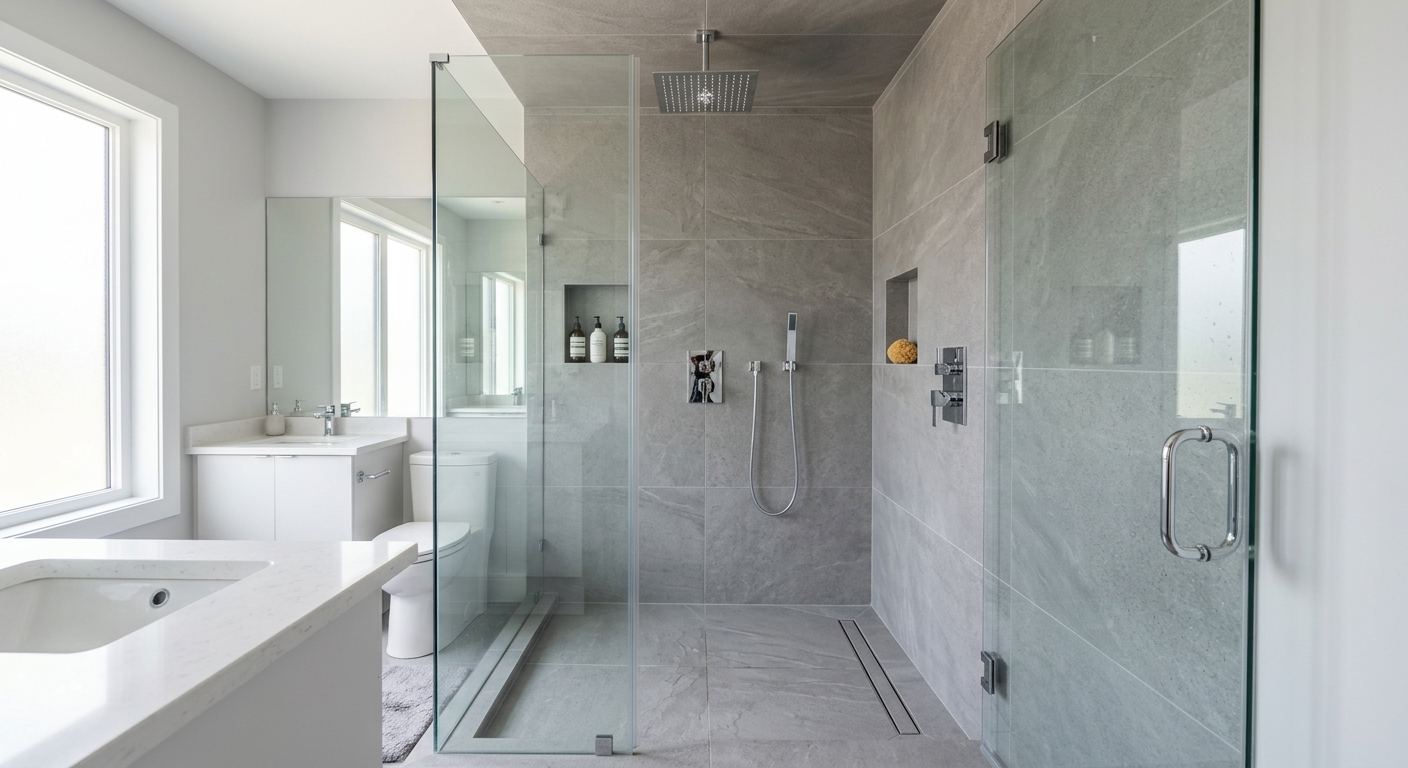
Bathroom renovation options and costs in Picton
In Picton, homeowners typically choose between a quick facelift and a full renovation, and the right option depends mostly on what you discover once walls and floors come up. With a population of 4,702 (Statistics Canada, 2021 Census), Picton’s contractor availability is smaller than the big-city GTA, so scheduling can be tighter when multiple crews are booked for concurrent projects in nearby Prince Edward County. Just as important is home age: many area properties reflect the post-war and 1960s–1980s housing patterns common across the Toronto economic region, where dated drain sizing, older shut-offs, and older wiring routes often drive “hidden scope.”
Although the climate itself isn’t the main cost driver here, Ontario’s freeze–thaw cycles still matter because bathrooms see temperature swings, moisture recovery, and bathroom fan performance that affect how well waterproofing and ventilation hold up over time. Renovations in the Toronto market also price in labour premiums, especially for tiling, custom showers, and any plumbing/venting corrections to meet current Ontario code. In Picton, trade demand is often strongest around well-known local corridors such as Picton’s east-end and the older neighbourhood pockets near downtown, where many homes have finished basements and older service runs.
Below are realistic ranges you’ll see from reputable contractors, so you can compare quotes apples-to-apples before you book site visits. Use the table as your budget backbone, then expect final numbers after an inspection and a materials selection meeting.
| Renovation Scope |
What's Included |
Typical Duration |
Price Range |
| Cosmetic refresh (paint, fixtures, accessories only) |
Paint, replace vanity or toilet/fixture swap (no plumbing moves), new lighting if existing wiring is reused, caulking/grout refresh, mirrors and hardware |
3–7 days |
$2,000–$6,000 |
| Mid-range full renovation (new tile, vanity, tub/shower, electrical) |
Demo and rebuild, tub-to-tile surround or new tub/shower, new vanity and toilet, tile floor and walls, waterproofing, exhaust fan upgrade, basic electrical (e.g., GFCI) |
2–3 weeks |
$12,000–$20,000 |
| High-end full renovation (custom tile, steam shower, heated floors) |
Custom shower/tiled system, premium tile layout, heated floor circuit, upgraded fan and lighting design, higher-tier fixtures, more complex plumbing/electrical coordination |
3–5 weeks |
$20,000–$30,000 |
| Shower-only installation (convert tub to walk-in shower) |
Remove tub, install walk-in shower pan/tile system or prefab base, new glass enclosure, updated plumbing rough-in if needed, waterproofing, ventilation improvements |
1–2 weeks |
$7,000–$14,000 |
| Bathtub replacement or tub-liner install |
Remove existing tub (or liner prep), install new tub and surround, new trim/faucet components, new caulking and sealing; limited tile work if any |
4–8 days |
$1,200–$3,500 |
| Tile-only installation (floor + surround, existing layout kept) |
Tile floor and/or wall surround over existing layout, surface preparation, waterproofing to manufacturer standard, grout/caulk, minor patching; limited fixture replacement |
1–2 weeks |
$6,000–$12,000 |
Prices are estimates only and vary by project scope, site access and material selection.
What affects the price of bathroom renovation in Picton
You can see the same bathroom renovation priced 30–50% apart across the Toronto economic region because quotes are driven more by labour rates and job complexity than by “local weather.” In the GTA, skilled trades command premium hourly rates, and bathroom work is labour-intensive—especially for tiling, custom shower builds, and any time plumbers need to open walls to get plumbing/venting to current Ontario code. In Picton, the cost sensitivity is similar, but project timing can differ because fewer crews rotate through town; that can increase call-out and scheduling overhead if you want a fast turnaround.
Housing age is where budgets diverge. In older post-war and 1960s–1980s homes, it’s common to uncover cast-iron or undersized drain stacks, galvanized supply lines, or ventilation that doesn’t perform as required. Those discoveries can turn what looks like a mid-range bathroom—say in the $12,000–$20,000 band—into a higher-end full reno once you add drain reconfiguration, new shut-offs, and vent corrections. If pre-1985 materials show asbestos-containing materials in vinyl floor tile or old drywall compound, abatement becomes mandatory and can add roughly $1,500–$5,000+ depending on extent and containment.
Two practical Picton examples: (1) If your toilet flange or shower drain area is out of level, tile-only work can balloon because the subfloor needs grinding, rebuild, or membrane correction; (2) If you choose large-format porcelain, your installer may need more crack isolation and careful layout cuts, increasing labour time but often reducing grout lines. Conversely, keeping the existing fixture locations can keep you near the lower end of full renovation budgets (closer to $12,000–$30,000), because less rough-in work means fewer openings and fewer code-driven changes.
| Price Factor |
Why It Matters |
Cost Impact |
| Layout change — moving drain or supply lines |
Triggers rough-in work, possible vent updates, and additional wall/floor removal |
$2,000–$8,000+ |
| Tile selection — large-format porcelain vs. mosaic vs. ceramic |
Harder substrates and more precise cutting increase labour; waste is higher for complex patterns |
$1,000–$6,000 |
| Fixture tier — builder-grade vs. mid-range vs. designer brands |
Supply costs rise, but so does valve/trim compatibility and finish coordination |
$500–$4,000 |
| Subfloor condition — rot or unlevel concrete adds scope |
Requires rebuild/leveling, additional underlayment/membranes, and extended cure times |
$1,000–$5,000 |
| Electrical — adding GFCI outlets, exhaust fan, heated floor circuit |
Must meet code and often needs new wiring paths, permits/inspection, and electrician labour |
$800–$4,500 |
| Waterproofing method — membrane type and extent |
Better systems cost more but reduce risk of mould and failure; coverage and detailing are labour-heavy |
$500–$3,500 |
| Older-home surprises — asbestos tile, cast-iron drains, galvanized pipes |
Abatement, drain upsizing, and pipe replacement expand scope and schedule |
$1,500–$10,000+ |
| Bathroom size — sq ft drives tile and labour time directly |
More surface area = more setting, waterproofing, and cleanup time |
$1,000–$7,000 |
Permits & regulations in Ontario
In Ontario, purely cosmetic bathroom updates—like swapping a vanity, replacing fixtures in the same locations, repainting, or doing straightforward retiling over existing framing—often do not require a building permit. However, once you relocate plumbing, change the structure, or add new electrical circuits, permits and inspections usually come into play. The key is whether the work changes the “systems” (drain/supply, ventilation, electrical load) or affects structural components.
Typically, projects that do require a permit include: moving a toilet, relocating a shower drain or water supply lines, changing venting configuration, adding or relocating plumbing rough-in, and any structural changes (e.g., removing or altering framing members). Adding an exhaust fan is often where timelines start to change—if the fan requires a new circuit or new wiring, electrical work must follow provincial code and be done or signed off by a licensed electrician. Electrical-only updates like installing a GFCI where you’re extending wiring pathways can also trigger permit/inspection requirements depending on how the circuit is created.
For Picton homeowners, a reliable step-by-step check looks like this: (1) Request the contractor’s Ontario trade licence number (and confirm it matches the company name); (2) Ask for a certificate of liability insurance—confirm coverage limits and that it’s active for the renovation period; (3) Verify WSIB/WCB coverage for workers (the evidence should be provided in writing or via proof documents). When you review the quote, ask whether permit pulling and inspection bookings are included, and confirm who is responsible for coordinating inspections—your contractor should be able to explain their process clearly.
Choosing tile, waterproofing and fixtures for your Picton bathroom
In Picton bathrooms, three material decisions usually swing the budget more than homeowners expect: tile choice, waterproofing system, and fixture tier. First, tile selection: ceramic is a common entry-level option, while porcelain typically offers better water resistance and durability for floors and wet walls. Natural stone (marble, travertine, slate) can look premium, but it often needs sealing routines and careful installation to manage porosity and finishing. Second, waterproofing: paint-on membranes can work in limited cases, but many renos in Ontario benefit from a bonded sheet membrane or a proven system designed for showers, transitions, and corners. Proper waterproofing matters even if the climate isn’t the main cost driver—Ontario humidity and bathroom temperature swings can accelerate mould risk when details fail.
Third, fixture tier affects both cost and day-to-day performance. Builder-grade fixtures can be fine, but mid-range and designer brands often provide smoother valves, better finishes, and more reliable cartridges. That’s also where resale confidence can improve—buyers notice finishes, not just square footage.
Here’s a practical dollar example: if heated floors add roughly a few thousand dollars, that upgrade is usually justified in a bathroom that’s used daily and stays cold (common in older homes with basements or poorly insulated floors). If your subfloor is out of level and you haven’t budgeted for correct prep and waterproofing, spending extra on premium tile can be less worthwhile—fixing the base comes first.
| Material / Option |
Pros |
Cons |
Price Range |
| Ceramic tile (floor + walls) |
Affordable, many style options, easy to source |
Can be less durable than porcelain for floors; may be more prone to chipping if not selected properly |
$3,000–$7,000 |
| Porcelain tile (floor + walls) |
Denser and typically more water-resistant; holds up better in wet areas |
Heavier; larger formats require precise layout and careful cutting |
$5,000–$10,000 |
| Natural stone (marble, travertine, slate) |
Luxe look and unique veining; strong aesthetic value |
Sealing/maintenance; requires more labour to finish consistently; some stones need extra prep |
$8,000–$16,000 |
| Frameless glass shower enclosure |
High-end look; easier visual cleaning; durable if built with quality hardware |
Costs more; relies on accurate tile pan alignment and level walls |
$1,500–$6,000 |
| Prefab tub surround (acrylic) |
Fast install; consistent fit; easy to maintain |
Less custom design flexibility; depends on proper surface prep and sealing |
$900–$2,500 |
| Custom shower pan (tile or linear drain) |
Best customization; can improve accessibility and modern look; linear drains can elevate design |
More labour-intensive; requires correct slope, waterproofing, and drain detailing |
$4,000–$12,000 |
How to choose a bathroom renovation contractor in Picton
Start by verifying Ontario licensing and insurance, then move on to the paperwork that protects you during a claim. In Ontario, you should ask for the contractor’s trade licence information that matches the work they’re doing (especially for electrical and plumbing-related scope), plus a certificate of liability insurance naming you/your property as appropriate. For worker coverage, request proof of WSIB/WCB coverage—this matters if subcontractors or employees are working onsite. If they can’t provide clear documentation, that’s not a “maybe,” it’s a stop sign.
Next, get 2–3 itemised written quotes. You want a breakdown that separates labour and materials, and indicates what’s included for demolition, waterproofing method, tile labour, and disposal. A lump-sum quote can hide scope gaps. Read the exclusions carefully: disposal included or not, permit pulling included or not, and whether drywall patching, subfloor leveling, and any asbestos assessment/abatement are addressed. Ask about warranty details: workmanship warranty length (often the key one), product/manufacturer warranty on fixtures, and whether warranties are transferable if you sell the home.
Payment scheduling should be conservative—never more than 10–15% upfront. Hold back a portion until the job is complete and you’ve confirmed all waterproofing/tile transitions, ventilation operation, and fixture set-outs. For timeline confidence, require a written start date and an estimated completion range, plus how delays are communicated if materials or inspections run long.
- Provide licence and insurance documents before signing.
- Itemise labour vs. materials (especially tile setting, waterproofing, electrical).
- State exactly which waterproofing system is used and where it’s applied.
- Confirm who pulls permits and books inspections (if required).
- Show a demolition and disposal plan (what’s removed and where it goes).
- Clarify whether subfloor leveling/prep is included or billed as extra.
- Ask how they protect the rest of your home during dust and debris removal.
- Request fixture cut sheets/finish samples so specs match the quote.
- Confirm tile layout approach for niches, borders, and off-plumb walls.
- Verify warranty: workmanship length, manufacturer warranties, and transferability.
- Use a payment schedule with a small deposit and a holdback at completion.
- Get a written schedule with milestones (demo, rough-in, waterproofing, tile, final).
In Picton, common red flags include: contractors who won’t provide proof of WSIB/WCB and insurance, quotes that don’t specify waterproofing details, “all-in” pricing with no exclusions list, crews that demand large upfront payments beyond 10–15%, and promises to “guarantee final cost” without an inspection once older plumbing or tile is opened.
Frequently asked questions — bathroom renovation in Picton
What adds the most resale value in a bathroom reno?
In Ontario and specifically for Picton homes, the biggest resale value tends to come from visible upgrades that also solve functional pain points: a clean, modern shower (often with a tiled surround or quality prefab/linear drain system), fresh tile and grout lines, updated ventilation (a properly sized exhaust fan), and reliable plumbing fit-ups. Buyers also like safety upgrades such as GFCI-protected outlets and good lighting distribution. If you’re budgeting, aim for a mid-range full renovation rather than only surface cosmetics—many homeowners find value targets land in the $12,000–$20,000 range when the layout is sensible and waterproofing is done correctly. Cosmetic refreshes look good, but they generally don’t deliver the same buyer confidence as a full system rebuild.
Can I keep my existing plumbing layout to save money?
Yes—keeping the existing plumbing layout is one of the most reliable ways to control cost in Picton bathrooms. If the toilet, vanity drain and supply, and shower/tub rough-in points stay where they are, you typically reduce rough-in demolition and avoid costly venting and drain reconfiguration to current Ontario code. That can help keep you closer to the lower end of the full-renovation range, while still allowing upgrades like new tile, fixtures, and an exhaust fan. However, don’t assume “keeping the layout” means no changes: older homes can still require drain stack correction or shut-off upgrades once walls open. A proper site inspection is the best way to confirm what can stay versus what must be brought up to standard.
How much does a walk-in shower cost in Picton?
A walk-in shower conversion (turning a tub into a walk-in, including waterproofing and a glass enclosure) commonly falls in the $7,000–$14,000 range for typical Picton projects when the layout is reasonable. If you keep the existing drain location and you’re using a straightforward tile plan, costs often land toward the middle. If you need more plumbing work—like moving the drain, correcting venting, or addressing older undersized piping—the job can move upward. For context, Ontario contractors’ broader shower installation pricing is often quoted in the $4,000–$12,000 band, but your total is usually higher once you add custom waterproofing detailing and glass. Always request an itemised quote to separate shower build, glass, and any electrical/ventilation updates.
What's the ROI on a bathroom renovation?
ROI varies, but the best-performing renovations are the ones that address issues buyers notice during a viewing: moisture control, cleanliness, and functional fixtures. In practice across Ontario, bathrooms that feel “new” without being overly costly tend to recover more value than purely cosmetic changes—especially when waterproofing, ventilation, and dated finishes are renewed. If your home is in an older profile (common in the broader Toronto housing stock), fixing ventilation and plumbing details can prevent future surprises that reduce resale confidence. Budget planning is important: a complete full renovation often sits in the $12,000–$30,000 band, and ROI tends to be strongest when you don’t overspend on luxury features that aren’t supported by the room’s conditions (subfloor, waterproofing prep, and layout constraints). A good contractor can help you balance durable choices with resale-friendly finishes.
Do I need waterproofing behind the tile?
In most properly built Ontario shower and wet-area renovations, yes—waterproofing behind the tile is a must. The goal is to protect the wall board and subfloor from moisture that can travel through grout lines or at transitions (especially around the shower base, niche corners, and plumbing penetrations). Reputable contractors specify a waterproofing method and show how it’s detailed at seams and edges. Ontario bathrooms can see persistent humidity, and when ventilation is weak or the waterproofing system is thin/incorrect, mould and failure risks rise quickly. Some installations use paint-on membranes in specific situations, while others rely on bonded sheet membranes or proven tile shower systems. If someone is proposing tile “over drywall with just caulking,” that’s not the level of protection you want.
How do I compare bathroom renovation quotes?
Compare quotes by scope, not by the lowest number. For Picton homeowners, ask each contractor to provide itemised breakdowns: demolition and disposal, waterproofing method, tile labour (including layout and any custom cuts), electrical and ventilation upgrades, and plumbing rough-in allowances. Confirm what’s included for permits and inspections—if the quote doesn’t mention permits where plumbing/electrical changes are planned, ask directly. Review the warranty details for workmanship and confirm manufacturer warranties for fixtures (and whether they’re transferable). Finally, check payment terms: a deposit beyond 10–15% should raise questions. If a quote is far below the typical $12,000–$30,000 full renovation band for your scope, it often means something is missing or limited—like waterproofing, drain upgrades, or electrical safety items.