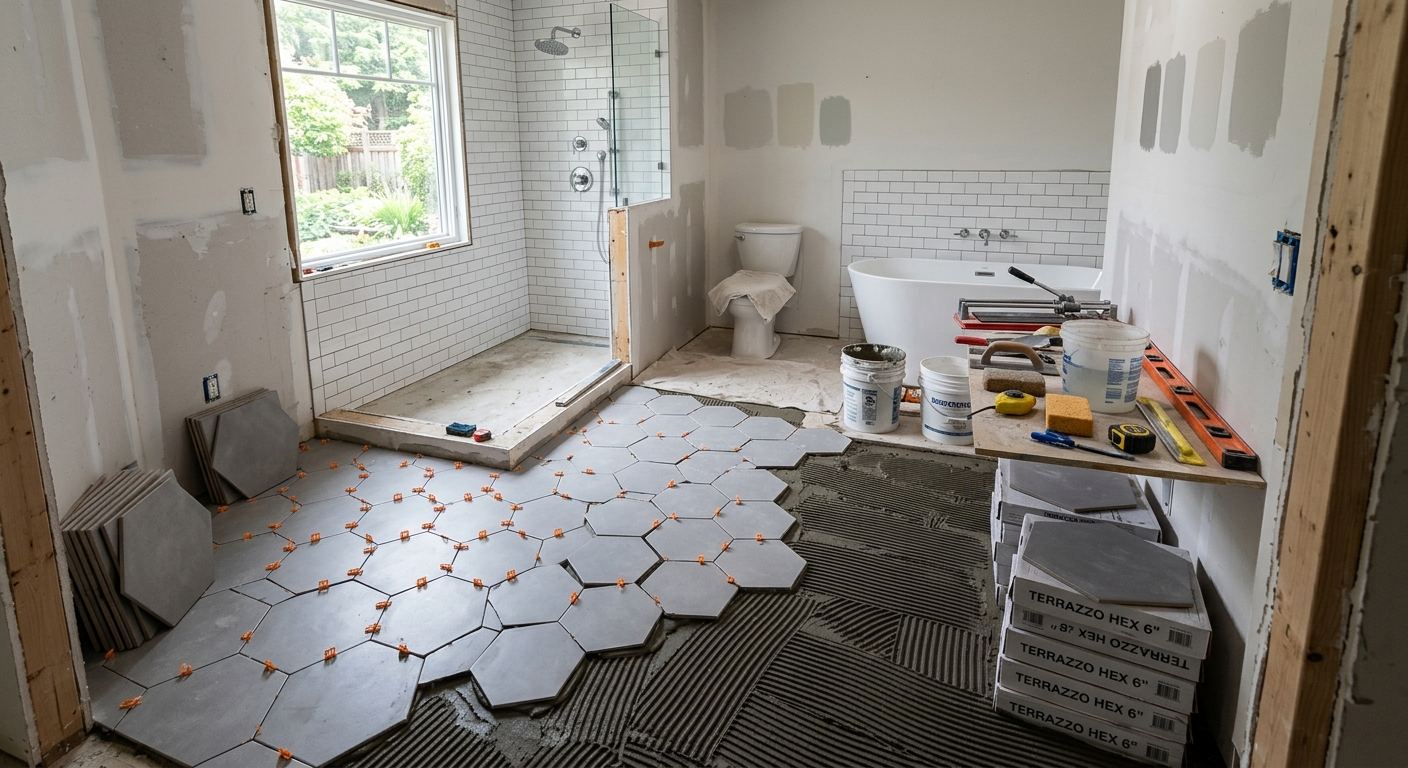
Bathroom renovation options and costs in Stoney Point
Bathroom renovation in Stoney Point usually starts with one simple question: “What am I changing?” In a small community of 1,087 residents (Statistics Canada, 2021 Census), the market is tight enough that reputable contractors often get booked around peak demand, so timing and material availability can affect what you end up paying. Stoney Point also sits within the Toronto economic region, where many homes were built in the post-war to 1960s–1980s era, which often means older plumbing layouts and finishes that don’t line up with modern shower and ventilation requirements. That’s where budgets can move quickly once walls are opened and hidden conditions show up.
Even though “climate” isn’t the main driver the way it can be for exterior work, Ontario humidity and daily temperature swings still matter—bathrooms need reliable ventilation and waterproofing to prevent moisture issues. In the GTA, labour rates and job complexity are the big cost drivers: tiling, custom shower builds, and plumbing/vent reconfiguration are labour-intensive. You’ll also see Toronto-area premiums because skilled trades command higher hourly rates, and older homes may need vent corrections, drain reconfiguration, and updated shut-offs to meet current Ontario code.
In Stoney Point, trades demand is especially strong among homeowners in the older residential stretches along the main residential corridors where 3-piece bathrooms are common and retrofits are frequent. If your goal is a full refresh, the next step is comparing realistic price bands across different scopes, as shown in the table below.
| Renovation Scope |
What's Included |
Typical Duration |
Price Range |
| Cosmetic refresh (paint, fixtures, accessories only) |
Paint, towel bars/accessories, vanity hardware, toilet/vanity light swaps (no plumbing relocation), minor caulking and trim touch-ups |
3–7 days |
$2,500–$7,000 |
| Mid-range full renovation (new tile, vanity, tub/shower, electrical) |
Demo, vanity replacement, tub or tub/shower surround, tile floor and walls, exhaust fan (electrical tie-in if needed), waterproofing, updated shut-offs as required |
2–4 weeks |
$12,000–$20,000 |
| High-end full renovation (custom tile, steam shower, heated floors) |
Custom shower system or steam shower, premium tile layout, heated floor circuit, higher-end fixtures, enhanced waterproofing, additional venting/rough-in corrections if uncovered |
4–7 weeks |
$22,000–$30,000 |
| Shower-only installation (convert tub to walk-in shower) |
Remove tub, build shower pan/surface, linear or standard drain options, new valve trims and glass (if selected), tile, waterproofing, drain rough-in updates when needed |
2–4 weeks |
$8,000–$15,000 |
| Bathtub replacement or tub-liner install |
Remove old tub and install new tub (or liner where appropriate), re-caulk and re-tile small transition areas, curb/trim adjustments |
1–3 weeks |
$1,500–$3,800 |
| Tile-only installation (floor + surround, existing layout kept) |
Tile floor and selected wall height/surround, layout matching, grout sealing, re-setting fixtures as needed (no major plumbing moves) |
1–3 weeks |
$4,000–$12,000 |
Prices are estimates only and vary by project scope, site access and material selection.
What affects the price of bathroom renovation in Stoney Point
In Stoney Point, it’s common to see quotes for the “same” bathroom that vary by 30–50% across the Toronto region and Ontario because the biggest drivers are labour rates and what’s hidden behind older finishes. GTA skilled trades price higher than national averages, and bathrooms are labour-intensive—especially for waterproofing, tiling, and plumbing changes. The second major driver is housing age. In the Toronto region, many homes have older drain stacks, older supply piping, and ventilation that doesn’t meet today’s expectations, so when contractors open walls, they often need to add vent corrections, upgrade shut-offs, or rework drains.
Older-home surprises can swing the budget. For example, discovery of asbestos-containing materials in certain pre-1985 floor tile or drywall compound typically triggers abatement protocols. That kind of work can add $1,500–$5,000+ depending on scope, containment requirements, and whether additional material removal is needed. Similarly, cast-iron or undersized drain sections may require replacement or reconfiguration, inflating rough-in and demolition time.
Cost can also rise or fall based on specifics like whether you’re keeping the same layout (often closer to a tile-only or mid-range refresh) versus making changes that push you into full renovation territory. If you stay mostly cosmetic, projects can land closer to $12,000–$20,000 when you include new tile, vanity, and updated electrical. If you’re converting a tub to a walk-in shower with drain work, or adding heated floors and custom tile, you’ll more often see budgets track toward the upper end, where high-end full renovations commonly reach $22,000–$30,000.
In Stoney Point, a typical example is whether the exhaust fan ducting runs smoothly to an exterior termination; if it has to be rerouted, electrical and ceiling framing time increases. Another example is subfloor condition: if the subfloor is unlevel or shows rot, the waterproofing system needs more prep, which adds time and materials. Finally, the tile finish you choose—large-format porcelain versus smaller mosaics—directly affects labour time.
| Price Factor |
Why It Matters |
Cost Impact |
| Layout change — moving drain or supply lines |
Requires rough-in work, patching, and often vent/drain adjustments to match current Ontario expectations |
$2,500–$8,000 |
| Tile selection — large-format porcelain vs. mosaic vs. ceramic |
Large-format needs precise subsurface prep; mosaics can increase setting/grout labour; ceramic may be easier but less forgiving |
$500–$4,000 |
| Fixture tier — builder-grade vs. mid-range vs. designer brands |
Higher tiers cost more and can require more careful install tolerances, especially with trims and valves |
$300–$3,500 |
| Subfloor condition — rot or unlevel concrete adds scope |
May require patching, re-levelling, or substrate board replacement before waterproofing and tile installation |
$700–$6,000 |
| Electrical — adding GFCI outlets, exhaust fan, heated floor circuit |
New circuits and proper protection add electrician time and materials; heated floors add components and commissioning time |
$600–$5,000 |
| Waterproofing method — membrane type and extent |
Better systems (and correct coverage) reduce call-backs for leaks and mould; coverage extent affects material and labour |
$400–$3,500 |
| Older-home surprises — asbestos tile, cast-iron drains, galvanized pipes |
Triggers abatement, disposal, and potential replacement of drains/supply lines; extends schedule |
$1,500–$10,000+ |
| Bathroom size — sq ft drives tile and labour time directly |
More surface area means more tile, more cuts, more waterproofing, and longer setting time |
$1,000–$6,000 |
Permits & regulations in Ontario
In Ontario, the permit picture depends on what you’re changing. In most cases, cosmetic updates—like swapping a vanity, replacing a toilet, painting, or retiling without moving plumbing—typically do not require permits. However, when you relocate plumbing (moving a drain or supply line), add new exhaust ventilation with new electrical work, or change structural walls, permits and inspections are commonly required. Electrical work must meet the Ontario electrical code and be performed by (or signed off by) a licensed electrician—especially for bathroom circuits and GFCI protection.
Plumbing rough-in changes usually require a permit and inspection. For example, converting a tub to a walk-in shower often means you’re changing the drain and trap location and possibly adjusting venting; that is the kind of work that typically triggers permit requirements. Adding or moving an exhaust fan—particularly if it involves new wiring, ducting, or a new circuit—is also a permit/inspection trigger depending on the extent of the electrical and ventilation changes.
Step-by-step, here’s how a homeowner in Stoney Point should verify a contractor’s Ontario compliance: (1) Ask for their Ontario trade licence number (and confirm it through the appropriate online registry access your contractor provides). (2) Request a certificate of insurance showing liability coverage and ask if they have current coverage for renovation work in Ontario. (3) Ask for WSIB/WCB clearance documentation—then confirm dates are current. Where possible, request copies up front so you’re not relying on verbal assurances. Finally, before work starts, confirm who is pulling permits (contractor or homeowner) and whether inspections are scheduled.
Choosing tile, waterproofing and fixtures for your Stoney Point bathroom
In Stoney Point, three material decisions shape your budget more than most people expect: tile choice, waterproofing method, and fixture tier. First is tile. Entry-level ceramic tile can work well on a budget if the layout is straightforward, but porcelain typically resists moisture and wear better for high-traffic bathroom floors and is often worth considering for longevity. Natural stone (marble, travertine, slate) looks premium, but it can increase installation complexity because it’s less forgiving and often needs additional preparation, sealing planning, and careful substrate leveling.
Second is waterproofing. Ontario bathrooms deal with persistent humidity, and the right system prevents mould and failed grout lines. Paint-on products can be fine for limited areas, but full shower assemblies generally do better with bonded sheet membranes or a well-detailed thinset-and-membrane system. A properly executed schluter-style approach (system components matched to the substrate) helps create a continuous waterproof layer—especially where corners, niches, and floor-to-wall transitions need attention.
Third is fixture tier. Builder-grade faucets and valves are usually the most affordable, while mid-range offers better finishes and smoother operation. Designer brands can justify their cost at resale and daily use, but they won’t “fix” poor waterproofing or an uneven subfloor. As a practical example: if you’re deciding between standard tile and a higher-end porcelain, spending an extra $1,000–$2,000 on porcelain and better setting materials can be justified, but swapping to luxury stone without correcting waterproofing details typically does not provide the same risk reduction.
Match these choices to your scope. If you’re aiming for a mid-range full renovation around $12,000–$20,000, lean toward porcelain plus a robust waterproofing system. If you’re pushing toward a high-end transformation near $22,000–$30,000, that’s when custom shower details, premium tile layouts, and higher-tier fixtures can align with your budget.
| Material / Option |
Pros |
Cons |
Price Range |
| Ceramic tile (floor + walls) |
Lower material cost, good variety of colours/patterns, solid option for non-complex layouts |
More prone to surface wear in some cases; may require more careful selection for floors; can be less moisture-resistant than porcelain |
$3,000–$7,000 |
| Porcelain tile (floor + walls) |
Excellent moisture and wear performance, cleaner look with large formats, strong long-term value |
Can cost more per sq ft; large-format installs demand flatter substrate and careful labour |
$5,000–$10,000 |
| Natural stone (marble, travertine, slate) |
High-end appearance, unique veining/textures, strong visual impact |
Requires extra prep, sealing and maintenance planning; can add labour time for layout and finishing |
$8,000–$16,000 |
| Frameless glass shower enclosure |
Brightens the bathroom, modern look, durable when installed correctly with proper sealing |
Higher material and install cost; needs accurate measurements and solid waterproofing edges |
$2,500–$6,500 |
| Prefab tub surround (acrylic) |
Fast install, consistent fit, generally lower installation labour than full tile walls |
Less design flexibility than tile; long-term aesthetics depend on proper sealing and correct substrate |
$1,200–$3,500 |
| Custom shower pan (tile or linear drain) |
Clean modern drainage line, tailored slope and waterproofing details, premium result |
More labour-intensive; drain rough-in accuracy is critical; increases schedule |
$4,000–$12,000 |
How to choose a bathroom renovation contractor in Stoney Point
Choosing a contractor in Stoney Point is mostly about verifying capability and reducing surprises—especially because hidden conditions are common in older GTA housing. Start with Ontario licensing and coverage. Ask for the contractor’s Ontario trade licence (or the relevant licence information for the trades involved) and request a certificate of liability insurance. For coverage proof, you’ll also want WSIB/WCB documentation or a clearance letter showing their workers are properly covered. If a contractor can’t provide current documentation, treat that as a serious risk.
Next, get 2–3 itemised written quotes, not lump sums. You want a breakdown that shows labour and materials separately, and ideally a line for demolition, disposal, waterproofing system, tile installation, electrical, and plumbing rough-in (if included). Read the scope carefully: confirm what’s excluded (for example, drywall replacement, venting upgrades, subfloor rebuild, or any permit/inspection fees), and whether disposal is included. Ensure the quote clarifies who pulls permits and who schedules inspections.
Warranty matters in bathrooms. Ask for the workmanship warranty length and what it covers, plus the manufacturer warranty details for products like waterproofing membranes, valves, and shower systems. Also confirm whether warranties are transferable if you sell your home. For payments, don’t pay more than about 10–15% upfront, and use a holdback until the job is complete and cleaned up. Finally, require a written timeline with a start date and realistic completion estimate.
- Request Ontario licence proof and confirm it before signing.
- Collect a current liability insurance certificate naming you as appropriate if required by contract.
- Verify WSIB/WCB coverage and ensure dates are current.
- Get 2–3 itemised quotes with labour + materials breakdown.
- Confirm demolition and disposal are included (and how debris is handled).
- Clarify waterproofing scope: membrane type, coverage areas, and seam/corner treatment.
- Ask who installs the exhaust fan ducting and whether electrical permits are handled.
- Verify plumbing rough-in and shut-off updates are included if discovered.
- Demand a detailed tile scope: layout, grout type, and whether niche/bench details are included.
- Require product specs: vanity model, valve brand, tile thickness, drain model.
- Agree on payment schedule: small deposit, milestone payments, holdback at completion.
- Get a written start/completion timeline and understand the change-order process.
Local red flags I see in Stoney Point and the broader GTA include contractors who provide only one lump-sum number, can’t explain waterproofing details, won’t put permit responsibilities in writing, promise “no hidden surprises” without an allowance for older-home conditions, or ask for large upfront payments. If their quote is vague about disposal, electrical scope, or what happens if asbestos or subfloor issues appear, you’re likely paying later through change orders.
Frequently asked questions — bathroom renovation in Stoney Point
How much does a bathroom renovation cost in Stoney Point?
In Stoney Point, most bathroom renovations land in the broad Toronto-region ranges driven by labour rates and what’s uncovered once walls are open. A cosmetic refresh is often the lowest entry point, while full renovations depend on whether you keep the layout and how complex the tiling and plumbing become. For a standard mid-range full renovation (new tile, vanity, tub/shower, and electrical updates), many projects fall around $12,000–$20,000. If you’re doing a high-end build with features like heated floors or custom shower details, budgets commonly track toward $22,000–$30,000. If you’re converting a tub to a walk-in shower, the shower-only scope often sits roughly in the $8,000–$15,000 band, especially when drain rough-in updates are required. Prices vary with tile selection, bathroom size, and whether older plumbing/venting needs corrections.
How long does a bathroom renovation take in Stoney Point?
Timelines in Stoney Point typically depend on scope and how quickly trades can schedule around GTA demand. A cosmetic refresh can be as quick as 3–7 days because it’s mostly surface work. A mid-range full renovation usually takes about 2–4 weeks when demolition, waterproofing, tile setting, and fixture/electrical work stay on track. A high-end full renovation with heated floors or more complex shower builds often needs 4–7 weeks, since custom tile layouts and additional rough-in details take longer. A tub-to-shower conversion is often 2–4 weeks. Real-world schedules can stretch if hidden conditions are found—like subfloor repairs, drain reconfiguration, or asbestos-related abatement—because those add both time and inspection/coordination steps.
Do I need a permit for a bathroom renovation in Ontario?
In Ontario, permits are usually tied to the type of work you’re doing. Cosmetic changes—like painting, replacing a vanity, swapping fixtures, or retiling without moving plumbing—typically do not require a permit. Permits are more likely when you relocate plumbing (move a drain or supply line), make electrical changes such as adding or modifying circuits for an exhaust fan or heated floor, or do structural wall changes. Electrical work must meet Ontario code and be performed by a licensed electrician, and plumbing rough-ins that change the system typically require a permit and inspection. In Stoney Point, the practical check is to ask your contractor in writing who will pull permits, what inspections are needed, and to confirm their licence and insurance coverage before work begins.
What's the best tile for a bathroom in Stoney Point?
The “best” tile for a Stoney Point bathroom depends on your priorities—durability, maintenance, and how complex your layout is. For many homeowners, porcelain tile is a great balance because it handles moisture and wear better than entry-level ceramic and holds up well for floors and shower walls. Ceramic can be a smart budget choice if your layout is simple and the installation is carefully done. Natural stone can look exceptional, but it usually adds planning for sealing and can increase labour for finishing and trimming. Whatever tile you choose, the bigger determinant of long-term success is substrate preparation and waterproofing. If you’re planning a full renovation around $12,000–$20,000, prioritize a reliable waterproofing system and consider porcelain for the best durability-per-dollar.
Should I do a tub-to-shower conversion?
A tub-to-shower conversion can be a good move in Ontario when you want easier accessibility, quicker daily use, or a more modern layout. In the Toronto region, conversions are also popular because they can improve functionality in older bathrooms. However, they’re not always “cheap,” since converting usually involves removing the tub, building a new shower pan, and often updating the drain rough-in and waterproofing details. If your drain location needs change or venting needs correction, that can impact budget and timeline. Many contractors price shower-only installations around $8,000–$15,000, depending on whether it stays straightforward or becomes a more involved plumbing rework. If you have older plumbing/venting or a subfloor that needs correction, confirm that your quote includes allowances for those discoveries.
How do I prevent mold in a Stoney Point bathroom?
Preventing mould in Stoney Point comes down to two systems working together: waterproofing and ventilation. First, ensure the shower assembly is waterproofed with the right method and correct coverage at corners, niches, and floor-to-wall transitions—this is where many failures originate. Second, make sure your exhaust fan is sized appropriately and vented properly to the outside, not into an attic or concealed space. If your bathroom currently lacks effective ventilation, upgrading the exhaust fan (and electrical connection) is often a high-impact step. Also, ensure grout joints and sealing details are done cleanly, and use a shower routine that reduces lingering moisture where possible. In older GTA homes, hidden issues like undersized plumbing drains or inadequate venting can prolong moisture in the system; addressing those during renovation helps protect against mould.