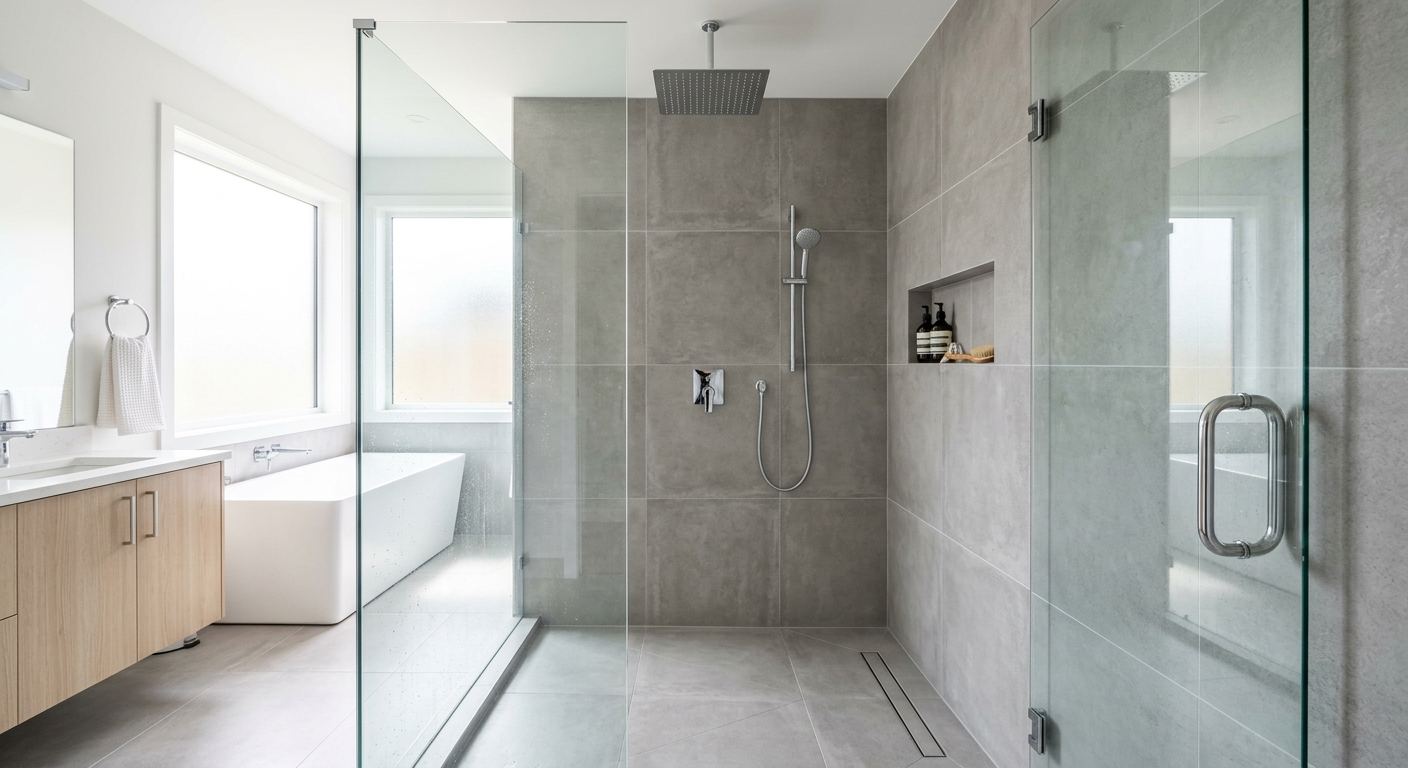
Bathroom renovation options and costs in Anmore
Anmore, British Columbia homeowners typically have a few clear paths when it comes to a bathroom renovation: a cosmetic refresh, or a mid-range/full rebuild that tackles tile, plumbing finishes, waterproofing, and often hidden rough-ins. Because only about 12.8% of homes in Anmore were built before 1981, many properties have a reasonably modern layout—but it’s still common to find dated details behind walls, especially in older additions or when original finishes were refreshed piecemeal. With a population of 2,356 (Statistics Canada, 2021 Census) and a high share of homeowner households, demand for quality workmanship tends to be steady, and renovation timing can be influenced by how quickly trades can line up.
In the Lower Mainland–Southwest region, bathroom costs are driven more by labour rates and the age of what’s behind the walls than by outdoor climate. Metro Vancouver’s strong construction demand means plumbers, tilers, and electricians can be booked out, and once we open the shower and floor, projects frequently expand to include plumbing and venting upgrades to bring older systems up to current British Columbia code. You’ll also feel the cost of doing small-space work: a bath is complex, and even modest changes require multiple trades in a tight schedule.
If you’re in the West Anmore area, for example, we often see higher call volume for walk-in shower conversions and tile updates—partly because many homes have practical, family-focused bathroom layouts where accessibility improvements are a priority. Use the table below to compare typical scopes and realistic price bands for Anmore, then we can narrow your choice based on what’s existing and what you want changed.
| Renovation Scope |
What's Included |
Typical Duration |
Price Range |
| Cosmetic refresh (paint, fixtures, accessories only) |
New vanity or top, toilet/trim swap (if existing rough-in is retained), paint, caulking, towel hardware, accessory refresh; no major tile or plumbing rework |
3–7 days |
$3,000–$9,000 |
| Mid-range full renovation (new tile, vanity, tub/shower, electrical) |
Demo and disposal, waterproofing, floor + wall tile or surround, vanity installation, tub/shower or tiled shower surround, upgraded exhaust fan and GFCI receptacle, basic lighting/trim adjustments |
2–3 weeks |
$18,000–$32,000 |
| High-end full renovation (custom tile, steam shower, heated floors) |
Custom-format tile work, higher-spec waterproofing system, heated floor prep + controls, designer fixtures, steam-ready plumbing/electrical, premium glass (if applicable), upgraded ventilation and finishes |
3–5 weeks |
$32,000–$45,000 |
| Shower-only installation (convert tub to walk-in shower) |
Convert tub to walk-in, curb or barrier-free option, new shower valve trim, waterproofing and tile, new drain, shower glass (if selected), ventilation refresh |
2–3 weeks |
$15,000–$28,000 |
| Bathtub replacement or tub-liner install |
Remove and replace tub and surround (or install a liner where feasible), new tub trim and caulking, surface prep, re-seal and re-grout as needed |
5–10 days |
$1,500–$6,000 |
| Tile-only installation (floor + surround, existing layout kept) |
Tile removal and prep, new floor tile + shower surround, waterproofing system within the scope, re-grouting/sealing; limited electrical/plumbing changes |
1–2 weeks |
$5,000–$18,000 |
Prices are estimates only and vary by project scope, site access and material selection.
What affects the price of bathroom renovation in Anmore
For the same bathroom, quotes in Anmore can vary by 30–50% across the Lower Mainland–Southwest versus other parts of British Columbia because labour pricing and how quickly the work can be scheduled heavily affect total cost. In this region, skilled plumbers, tilers, and electricians often cost more per hour, and their availability can add time. The other major driver is the age of the housing stock behind the finishes. Even in newer homes, bathrooms get renovated in stages, which can leave hidden rough-ins mismatched.
Lower Mainland–Southwest renovation projects also tend to uncover plumbing and venting issues once walls are opened. In pre-1980 layouts (and mid-century renovations), cast-iron or older drain setups can require replacement, copper supply lines may be outdated, and ventilation can be insufficient. Those discoveries expand scope beyond the visible tile work. Additionally, if asbestos-containing materials are found during demo—such as older floor tile or drywall compound—abatement protocols can be triggered and that commonly adds $1,500–$5,000+ or more to a project, depending on how much is disturbed. That’s one reason a “tile update” quote can become a full renovation budget once we confirm conditions.
Two practical examples we see in Anmore: (1) switching from a direct-set tile surround to a full waterproofing membrane system increases material cost but reduces long-term moisture risk; (2) changing the shower valve location (even a couple of inches) can increase rough-in work and drywall rework, pushing a typical mid-range bath from the $18,000–$32,000 band closer to the $32,000–$45,000 band if you add heated floors or premium glass.
| Price Factor |
Why It Matters |
Cost Impact |
| Layout change — moving drain or supply lines requires rough-in work |
Relocating plumbing adds cutting, re-framing, new piping/valves, and inspection time |
Often +$4,000–$12,000 |
| Tile selection — large-format porcelain vs. mosaic vs. ceramic |
Harder tile to install increases labour and waste; mosaics and stone require careful setting |
Often +$1,500–$8,000 |
| Fixture tier — builder-grade vs. mid-range vs. designer brands |
Brand differences affect valve trim complexity, finish durability, and included hardware |
Often +$1,000–$6,000 |
| Subfloor condition — rot or unlevel concrete adds scope |
Repairs, new backer systems, and additional waterproofing are required before tile |
Often +$1,500–$7,000 |
| Electrical — adding GFCI outlets, exhaust fan, heated floor circuit |
New circuits, ventilation upgrades, and heated-floor prep affect materials and electrician time |
Often +$800–$5,500 |
| Waterproofing method — membrane type and extent |
Better systems (and proper tie-ins) reduce mould risk and costly callbacks |
Often +$500–$3,000 |
| Older-home surprises — asbestos tile, cast-iron drains, galvanized pipes |
Discovery can require remediation, extra demo, and trade coordination |
Often +$1,500–$10,000+ |
| Bathroom size — sq ft drives tile and labour time directly |
More surface area means more tile, thinset, waterproofing, grout, and time |
Typically scales +$2,000–$12,000 |
Permits & regulations in British Columbia
In British Columbia, cosmetic updates—like swapping fixtures, replacing a vanity, changing lighting trims, or retiling without relocating plumbing—often do not require a permit by themselves. Where homeowners get surprised is when plumbing or electrical scope changes. In general, if you move a drain or supply line, add a new plumbing connection, or make plumbing rough-in changes behind the walls, you should expect a permit and inspection. Similarly, adding or upgrading ventilation usually requires electrical work to be done to code; when it involves adding a new circuit, new wiring, or changes to the electrical system, it must be completed by (or signed off by) a licensed electrician.
Here’s how to verify a contractor in Anmore step by step:
- Check the contractor’s British Columbia trade licence (and any applicable business registration) through the appropriate provincial licence registry.
- Request a current certificate of insurance (liability). Confirm the expiry date and that the scope matches bathroom renovation work (not just general contracting).
- Ask about worker coverage for injury and claims handling: in practice, reputable firms will clearly confirm their WCB coverage status.
- Get a written scope that states what will be permitted (if needed), and whether the contractor pulls the permit.
- Before signing, confirm warranty terms are in writing and not “best effort.”
Also, confirm disposal and protection are included; bathroom demo creates dust and debris, and safe handling matters when older materials are present.
Choosing tile, waterproofing and fixtures for your Anmore bathroom
In an Anmore bathroom renovation, three material decisions typically shape both the budget and the long-term performance: tile choice, waterproofing method, and fixture tier. First, tile: ceramic is usually the entry-level option for floors and walls, but it can be more forgiving on budget if you’re keeping patterns simple. Porcelain (often with lower water absorption) is a common mid-range choice for wet zones because it’s denser and holds up well to moisture; it’s also frequently selected for larger-format layouts that look modern. Natural stone—marble, travertine, or slate—looks premium, but it can require more labour for layout, sealing, and careful fitting around niches and glass.
Second, waterproofing: British Columbia bathroom humidity and steam create a persistent moisture load, so the waterproofing system matters as much as the tile. Paint-on membranes can work for certain applications, but they’re very substrate-dependent. Bonded sheet membranes and robust systems (including properly installed corner details and transitions) are often the best fit for steam showers and complex wall conditions. A correctly integrated system prevents mould and reduces the risk of grout staining returning as the years pass.
Third, fixtures: builder-grade items keep costs down, while mid-range and designer brands can increase the upfront budget—but they may include better valves, finishes, and warranties that support resale value in a market where homeowners notice details. For example, upgrading tile from a basic ceramic installation to porcelain plus a premium membrane detail package can be justified when it avoids future rework; the price gap is most worth it if you’re already in the walls for plumbing or ventilation upgrades. In projects that fit the mid-range scope (often $18,000–$32,000), these upgrades are usually where homeowners get the best “wear and tear per dollar.”
| Material / Option |
Pros |
Cons |
Price Range |
| Ceramic tile (floor + walls) |
Good entry-level affordability, wide style selection, straightforward installation for simple layouts |
More sensitive to chipping/impact; may be less ideal for certain wet-zone performance needs depending on specs |
$2,000–$6,500 |
| Porcelain tile (floor + walls) |
Durable for wet areas, consistent performance, supports larger-format modern looks |
Can be harder to cut and install; higher cost per tile and more labour for complex patterns |
$4,000–$12,000 |
| Natural stone (marble, travertine, slate) |
High-end look, unique veining/character, strong visual impact on resale |
More labour and material prep; sealing and maintenance; variations require careful selection |
$8,000–$20,000 |
| Frameless glass shower enclosure |
Modern, bright appearance; easier to clean; premium feel |
Installation precision is critical; may add cost if walls need additional framing or reinforcement |
$2,000–$6,500 |
| Prefab tub surround (acrylic) |
Faster installation, predictable performance, good value when keeping tub layout |
Less design flexibility than tile; seams and detailing are different from full-tile showers |
$1,500–$4,000 |
| Custom shower pan (tile or linear drain) |
Cleaner drainage aesthetics; supports barrier-free design; integrates with premium waterproofing |
More custom labour and coordination; linear drains require careful slope and layout |
$3,500–$10,000 |
How to choose a bathroom renovation contractor in Anmore
Choosing the right contractor in Anmore comes down to proof: licensing, insurance, and a quote that matches how bathrooms are actually built here. Start by verifying British Columbia trade licensing through the provincial licence registry, then request liability insurance documentation and check it’s current and relevant to renovation scope. For work coverage, reputable firms can confirm their WCB coverage status so you’re not exposed if someone is injured on site.
Next, demand 2–3 itemised written quotes—not a single lump sum. You want labour and materials separated (demo/disposal, waterproofing, tile installation, electrical/mechanical scope, glass, and fixtures). Read the exclusions: disposal included or not, permit pull included or not, and whether cracked subfloor repairs or asbestos assessment/abatement are covered if discovered. A good warranty is specific: ask for the workmanship warranty length, what it covers, and whether product/manufacturer warranties are assigned to you. Also confirm if warranties are transferable to future owners if you sell.
On payment, avoid paying the bulk upfront. A safe schedule keeps upfront around 10–15%, with holdback until key milestones—like waterproofing inspection readiness and substantial completion—are met. Finally, insist on a written start date and completion estimate so you can plan around school/work schedules.
- Provide BC licence details and insurance before work starts.
- Quote includes demo, disposal, and dust control/protection.
- Scope clearly states what gets permitted and inspected.
- Electrical scope specifies exhaust fan and GFCI locations.
- Plumbing scope lists valve/tub/shower conversions and drain changes.
- Waterproofing method is named (membrane type and coverage area).
- Tile scope includes substrate prep, backer/wet-area board, and sealing/grout system.
- Schedule shows when trades will be on site (demo, rough-in, tile, trim).
- Material allowances are stated with upgrade paths and listed brands/products.
- Warranty terms are written and tied to workmanship and key components.
- Payment schedule: no more than 10–15% upfront; holdback until completion.
- Change orders require written approval with revised pricing and timelines.
In Anmore, common red flags include: quotes that exclude waterproofing details, “cash-only” or vague insurance paperwork, no permit responsibility stated, lump-sum pricing with no allowances for tile/thinset/membrane, and contractors who won’t provide an itemised scope or a written timeline.
Frequently asked questions — bathroom renovation in Anmore
How do I compare bathroom renovation quotes?
When comparing quotes in Anmore, ask for the same line items across all bids: demo/disposal, waterproofing (membrane type and coverage), tile labour and grout/sealer, electrical scope (exhaust fan and GFCI where required), and any plumbing rough-in changes. A quote that only lists “tile and vanity” is hard to benchmark—bathrooms are complex in a small space, and Lower Mainland–Southwest labour costs can swing totals significantly once walls are opened. Also compare allowances: fixtures and tile can vary a lot in price even within the same look. If one contractor lists a mid-range full renovation closer to $18,000–$32,000 while another is near $32,000–$45,000, look for what’s different (heated floors, premium glass, membrane system, or plumbing relocation). Finally, confirm who pulls permits and whether disposal is included. (Statistics Canada, 2021 Census)
Can I live at home during a bathroom renovation in Anmore?
Often yes, but it depends on how invasive the work is and which bathroom you’re renovating. If it’s your only full bathroom and the project involves opening the floor, relocating plumbing, or extensive tile removal, you may have limited access to the tub/shower for part of the schedule. For smaller scopes—like a cosmetic refresh or tile-only installation where the shower stays operational—living in the home is more feasible. In the Lower Mainland–Southwest, trades availability can extend timelines slightly, so planning matters. A good contractor schedules rough-in and waterproofing in tight phases and protects the area to keep dust minimal. If you choose a shower-only conversion, you may temporarily lose one-use shower access while the pan and waterproofing cure and the glass is installed. In Anmore, we typically recommend confirming in writing what will be functional each week and whether any temporary sanitation setup is offered.
What's the best bathtub material for a Anmore home?
The “best” tub material depends on your priorities: longevity, comfort, and maintenance. In British Columbia bathrooms, moisture control and good sealing matter more than the tub surface alone. Common options include acrylic and cast iron. Acrylic is lighter and usually easier to install, which can reduce labour time and make it practical if you’re staying within your existing layout. Cast iron is extremely durable and holds heat well, but it’s heavier and more labour-intensive to remove and set. For many Anmore homeowners, replacing a tub falls into the smaller replacement band of $1,500–$6,000, which often points to acrylic or a straightforward exchange. If you’re doing a full renovation with new tile and waterproofing, we’ll also consider how the tub-to-wall joint is sealed and whether your surround needs a full re-waterproofing. The best choice is the one that matches your rough-in, your waterproofing details, and your intended service life.
Is it worth renovating a bathroom before selling in Anmore?
Usually it is, but only when the renovation matches buyer expectations in the Lower Mainland–Southwest market: clean waterproofing, modern ventilation, and finishes that don’t look dated. In Anmore, where 91.3% of households own their homes (Statistics Canada, 2021 Census), homeowners often value durability and fewer maintenance surprises over trendy upgrades. A cosmetic refresh can help if the tub/shower and waterproofing are already sound, but if there are visible grout issues, weak ventilation, or recurring moisture problems, a “full renovation” approach tends to protect your investment. If budgets are tighter, focus spending on what buyers can see and test: a properly sized exhaust fan, solid waterproofing behind tile, and updated fixtures. If you’re choosing between scopes, a mid-range full renovation is often positioned around $18,000–$32,000, while higher-end additions like heated floors and premium glass typically move closer to $32,000–$45,000. In either case, ensure permits and workmanship warranties are documented—buyers notice.
How do I plan a bathroom renovation on a tight budget in Anmore?
On a tight budget in Anmore, the goal is to protect waterproofing and stop moisture problems while limiting changes that trigger extra trades. Start by keeping the layout where possible: avoid moving drains and supply lines unless there’s a functional reason, because rough-in work is one of the biggest cost drivers in the Lower Mainland–Southwest. Choose durable, cost-effective materials: ceramic tile can work for entry-level updates, but pair it with a proven waterproofing membrane system and correct substrate prep. Prioritise the ventilation upgrade—adding or improving an exhaust fan and ensuring appropriate electrical protection—because poor moisture control leads to higher repair costs later. If you’re aiming to stay in the mid-range, you can still target a realistic full reno plan, often within $18,000–$32,000, by selecting builder-to-mid-range fixtures and focusing upgrades on the shower area. Get two or three itemised quotes and ask for allowances (tile, vanity, glass) so you control decisions without surprises. Finally, plan a contingency because older homes can hide issues behind walls and floors.
What's the difference between a cosmetic and a full bathroom renovation?
A cosmetic renovation focuses on surfaces and visible fixtures without changing the plumbing rough-in, structural framing, or waterproofing system. Examples in British Columbia include painting, swapping a vanity or trim, replacing accessories, and refreshing the tub surround if the underlying surfaces are already in good condition. A full bathroom renovation typically includes demolition, thorough substrate prep, redoing waterproofing, replacing or upgrading tile (floors and walls), and often electrical and ventilation upgrades. Many full renovations also include plumbing and venting improvements once walls are opened, particularly in older installations. If your home’s bathroom needs structural corrections or if the shower/bath shows moisture damage, a full renovation is the safer choice. In Anmore, a cosmetic refresh usually lands far below a full reno, while a mid-range full renovation often sits around $18,000–$32,000. The right choice depends on whether the waterproofing system is sound and whether you’re keeping the layout and existing plumbing connections.