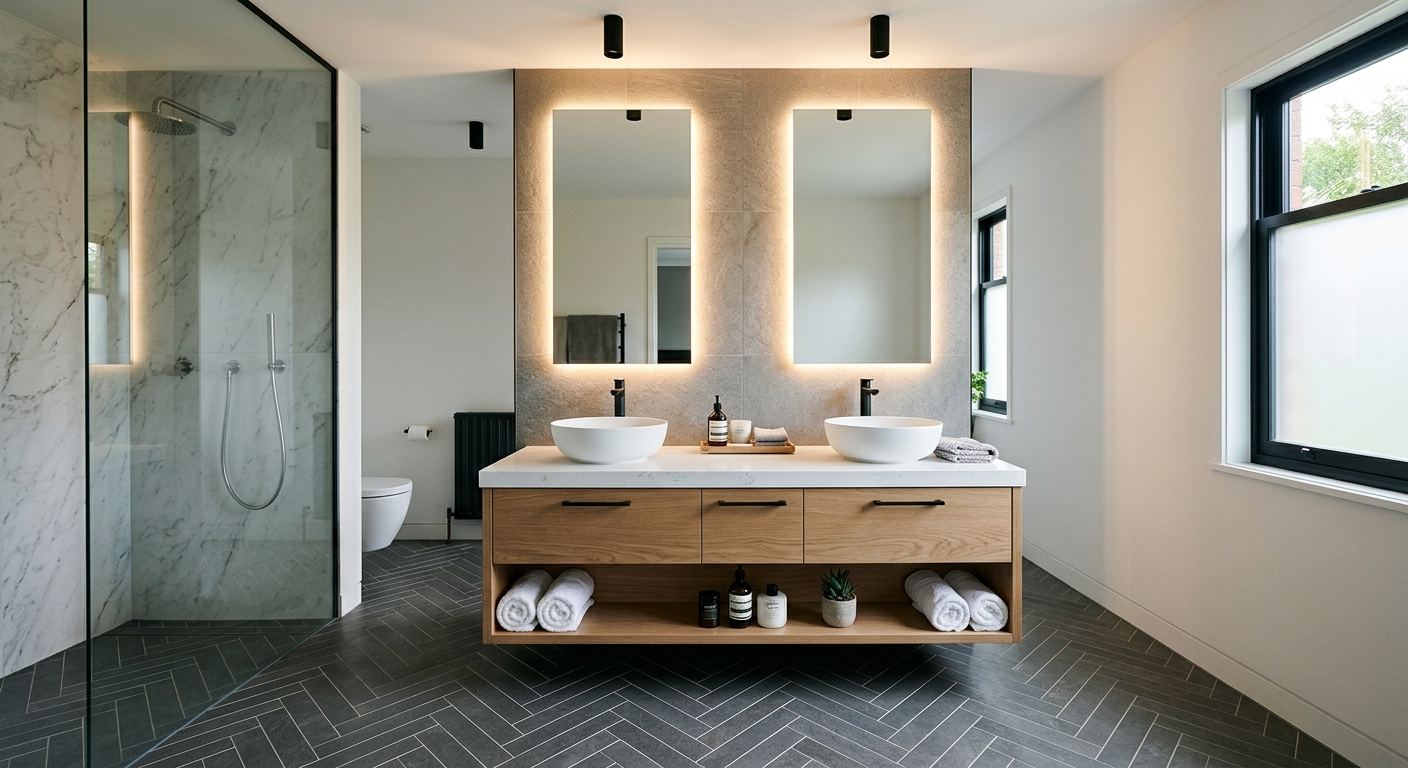
Bathroom renovation options and costs in Olympic Village
In Olympic Village, British Columbia, bathroom renovations tend to price by scope and the condition hidden behind the tile. With 9,423 residents in the area (Statistics Canada, 2021 Census), demand for skilled trades is steady, and crews often get booked in blocks—so timelines and labour availability can influence your final quote. Olympic Village also sits among many older mid-century homes in the Lower Mainland–Southwest, where dated plumbing layouts are common; in pre-1980 builds, you may find cast-iron drains, galvanized supply piping, or materials that later require careful handling if they’re discovered during demolition.
Climate matters, but in the Lower Mainland–Southwest the larger cost drivers are labour rates and housing age—not outdoor freeze-thaw. That said, British Columbia’s damp indoor humidity makes ventilation and waterproofing non-negotiable, and any ventilation upgrades (fans, ducting, electrical changes) expand budgets quickly. Once walls and floors are opened, bathroom projects frequently expand beyond “surface work” into plumbing and venting upgrades to bring systems up to current BC expectations.
Because bathrooms are small, complex spaces, even a cosmetic update can require multiple trades if electrical or fixtures change. In Olympic Village, areas closer to Cambie Corridor/rail-adjacent streets and older apartment-style townhouse pockets are often where tilers and plumbers are especially in demand, since access constraints and existing plumbing conditions can complicate the work.
Below are realistic renovation options and the typical ranges you’ll see in Olympic Village so you can compare contractor quotes apples-to-apples before you move on to scope and permits.
| Renovation Scope |
What's Included |
Typical Duration |
Price Range |
| Cosmetic refresh (paint, fixtures, accessories only) |
New vanity or mirror, tap/stop replacements, fresh paint, accessory upgrades, re-caulk; no structural/plumbing relocation |
3–7 days |
$4,000–$9,000 |
| Mid-range full renovation (new tile, vanity, tub/shower, electrical) |
Demo and disposal, new floor + wall tile, vanity and toilet, tub/shower surround, exhaust fan upgrade, GFCI where required, basic electrical updates |
2–4 weeks |
$18,000–$30,000 |
| High-end full renovation (custom tile, steam shower, heated floors) |
Custom tile detailing, steam-ready shower system, heated floor circuit, upgraded waterproofing, designer fixtures, more extensive electrical + plumbing coordination |
4–7 weeks |
$35,000–$45,000 |
| Shower-only installation (convert tub to walk-in shower) |
Tub removal, new walk-in shower pan/surround, plumbing adjustments for drain/supply, waterproofing, glass or sliding door allowance, new exhaust/fan tie-in if needed |
1.5–3.5 weeks |
$14,000–$25,000 |
| Bathtub replacement or tub-liner install |
Replace existing tub with new unit and re-seal, or install tub liner system where suitable; limited tile and re-caulking; no major rough-in relocation |
2–5 days |
$2,000–$6,000 |
| Tile-only installation (floor + surround, existing layout kept) |
Remove/replace tile finishes, re-grout or full re-set, waterproofing upgrades in wet areas, trims/edges, limited plumbing reseal only |
1–3 weeks |
$5,000–$10,000 |
Prices are estimates only and vary by project scope, site access and material selection.
What affects the price of bathroom renovation in Olympic Village
In the Lower Mainland–Southwest, two quotes that look similar on paper can still diverge by 30–50%. The biggest reasons are regional labour rates and the age of the homes you’re working in—more than day-to-day climate. Metro Vancouver’s high demand for plumbers, tilers and electricians (and the limited availability of experienced sub-trades for smaller jobs) can push labour more than material choices alone. When you’re comparing to other parts of British Columbia, the same scope can price higher here simply because trade schedules and coordination costs are tighter.
Older homes in this region often hide surprises once floors and walls come open. In pre-1980 builds, you may encounter cast-iron or aging galvanized drain lines, outdated copper supply runs, and sometimes inadequate ventilation ducting. Those conditions inflate scope because plumbing upgrades and venting repairs aren’t “optional fixes”—they’re required to make the renovation last. Additionally, discovery of asbestos-containing materials in flooring, drywall compound, or insulation (common in some pre-1985 homes) triggers abatement steps. That typically adds $1,500–$5,000+ to the budget depending on what’s found and how much needs containment and disposal.
For example, in Olympic Village townhomes where bathrooms sit over older plumbing chases, moving a drain even a short distance can require additional rough-in work and inspections, shifting a project toward the $18,000–$30,000 mid-range. Meanwhile, a simple tile-only scope that keeps the same layout can stay closer to the $5,000–$10,000 tile band—provided the subfloor is stable and waterproofing details are upgraded correctly.
Two common local cost influencers: (1) whether the exhaust fan duct route is straightforward versus blocked by older framing, and (2) whether your electrical plan needs a new circuit for heated floors. Those are the moments where budgets rise—or hold—based on what inspection and open-up reveal.
| Price Factor |
Why It Matters |
Cost Impact |
| Layout change — moving drain or supply lines requires rough-in work |
New rough-in means cutting framing/walls, patching, re-sealing and inspections |
Often adds $3,000–$10,000 depending on distance and access |
| Tile selection — large-format porcelain vs. mosaic vs. ceramic |
Handling, cutting complexity, and labour time increase with harder/higher-end tile |
Can swing total reno cost by $2,000–$7,000 |
| Fixture tier — builder-grade vs. mid-range vs. designer brands |
Higher-end fixtures cost more and sometimes require different install details |
Typically $500–$4,000 difference in fixture package |
| Subfloor condition — rot or unlevel concrete adds scope |
Repairs and flattening are required before tile and waterproofing can perform |
Often adds $1,500–$6,000 |
| Electrical — adding GFCI outlets, exhaust fan, heated floor circuit |
New circuits, fan upgrades and code-required safety devices add labour and parts |
Commonly $800–$3,500 depending on scope |
| Waterproofing method — membrane type and extent |
Better systems reduce long-term failure risk; poor prep causes costly rework |
Usually $600–$2,500 to do it correctly |
| Older-home surprises — asbestos tile, cast-iron drains, galvanized pipes |
Discovery triggers remediation, additional trades and disposal/containment |
Can add $1,500–$12,000+ in worst-case scenarios |
| Bathroom size — sq ft drives tile and labour time directly |
More area means more prep, more waterproofing, and longer tile-setting days |
Small bathrooms often cost near the bottom of bands; larger ones push upward by $2,000–$8,000 |
Permits & regulations in British Columbia
In British Columbia, cosmetic updates typically do not require a permit. Swapping a vanity, mirror, toilet, tub, taps, re-caulking, and retiling in the same footprint (without moving plumbing) is commonly handled as renovation finish work. However, once you change the plumbing or electrical scope, permits and inspections are usually required. That includes relocating drains or supply lines, adding or relocating an exhaust fan with new ducting, introducing new circuits (for example, heated floors or a new fan switch), or doing any structural wall changes.
Electrical work must be completed by a licensed electrician and must meet provincial code. Plumbing rough-in changes (moving a shower valve, re-routing drain lines, altering venting, or changing the way the toilet connects) generally require a permit and inspection before the walls close. For bathroom renovations in Olympic Village, always verify that the contractor is operating with the correct British Columbia trade licence and has current liability coverage for the work being performed.
Here’s a practical homeowner verification checklist:
- Ask for the contractor’s BC licence information and confirm it using the relevant online registry search available for trade licensing.
- Request a Certificate of Insurance (liability) and check the coverage period and named insured before work starts.
- Ask about workers’ compensation clearance (WSIB/WCB coverage) and request proof/clearance letter as applicable.
- Confirm who pulls permits (you or the contractor) and that the permit is obtained before rough-in begins.
- Get the electrician and plumber’s licence details listed on the contract or as part of the quote package.
Choosing tile, waterproofing and fixtures for your Olympic Village bathroom
In Olympic Village, the three material decisions that most reliably shape your budget are tile choice, waterproofing approach, and fixture tier. First, tile: ceramic is often the entry point for floors and walls, but it can be more forgiving in cost than porcelain or stone. Porcelain usually holds up better in wet areas and high-traffic use, yet it can be heavier and more demanding to cut and set. Natural stone (marble, travertine, slate) looks premium, but it adds complexity—more labour, sealing considerations, and higher waste rates.
Second, waterproofing: in British Columbia’s damp indoor conditions, the right waterproofing system is what prevents mould and failure behind the scenes. A paint-on membrane can work in some scenarios, but many successful renovations in the Lower Mainland–Southwest use a bonded sheet membrane or a proven system (including compatible sealants and corner treatment) to protect showers and wet-wall transitions. This is especially important around niches, benches, and glass door anchors where water finds weak points.
Third, fixtures: builder-grade fixtures keep the reno closer to the mid-range, while mid-range and designer brands raise product cost and sometimes require more precise installation. If you’re targeting a mid-range full renovation budget (often $18,000–$30,000 for a typical Olympic Village bathroom), you can justify upgrades that reduce risk (proper waterproofing and subfloor prep) more than purely aesthetic changes.
For a concrete dollar example: choosing a higher-end porcelain can add a few thousand in tile materials and labour compared to ceramic, but it can be worth it if you’re upgrading waterproofing and correcting any subfloor movement—because tile failure is usually about the system, not just the look. If you keep the layout and floor is solid, the investment can pay off without pushing you into the high-end band (often $35,000–$45,000 for steam-ready or heated-floor installs).
| Material / Option |
Pros |
Cons |
Price Range |
| Ceramic tile (floor + walls) |
Lower material cost, wide style selection, good for walls and budget floors |
Can be more prone to chipping; suitability depends on grade and proper substrate |
$2,000–$5,000 |
| Porcelain tile (floor + walls) |
Denser and typically more durable in wet areas; cleaner look with larger formats |
Heavier tile and more careful cutting; higher material cost |
$3,500–$8,000 |
| Natural stone (marble, travertine, slate) |
High-end appearance and unique veining; excellent for statement feature walls |
More labour and maintenance (sealing/cleaning); higher waste and cost volatility |
$6,000–$14,000 |
| Frameless glass shower enclosure |
Brightens the space, modern look, easier visual coordination with tile |
Higher material cost; precise measurement and blocking required |
$2,500–$6,500 |
| Prefab tub surround (acrylic) |
Fast install, lower tile labour, good watertight performance when installed properly |
Fewer design options; can feel less “bespoke” than full tile |
$1,500–$4,000 |
| Custom shower pan (tile or linear drain) |
Designed slope and drainage; linear drain creates a premium, spa-like finish |
More waterproofing and labour; depends heavily on correct subfloor and prep |
$4,000–$12,000 |
How to choose a bathroom renovation contractor in Olympic Village
Choosing the right contractor in Olympic Village is mostly about proof: trade licensing, coverage, and how clearly they scope the work. In British Columbia, you should verify the contractor’s trade licence for the type of renovation being done, and confirm liability insurance is in force for the project period. You should also request workers’ compensation clearance (WSIB/WCB) documentation. Don’t accept “it’s handled” without paperwork—ask to see certificates and clearances before demolition starts. If any electrical or plumbing rough-in is part of the job, confirm the licensed electrician and plumber details are included in the agreement.
Next, get 2–3 itemised written quotes, not lump sums. Ask for a breakdown that separates labour from materials (tile installation, waterproofing, fixtures, electrical scope, plumbing rough-in). Read the scope line-by-line: what’s included for permit pulls, who pays inspection fees, how disposal and recycling is handled, and what’s excluded (for example, structural repairs, subfloor rebuilds, or asbestos testing/abatement if discovered). A solid contractor will show realistic assumptions and include contingency language for hidden conditions.
Finally, check the warranty and payment schedule. A workmanship warranty should be clearly stated (length and what it covers). Product/manufacturer warranties should be listed separately, and you should confirm whether they transfer if you sell your home. For payment, never pay more than 10–15% upfront; keep holdback until completion and walkthrough sign-off. Get a start date and completion estimate in writing, because schedule slips are common when trade partners are booked in the Lower Mainland–Southwest.
- Request BC licence details and confirm them before signing.
- Ask for Certificate of Insurance (liability) and check expiry dates.
- Confirm workers’ compensation clearance documentation (WSIB/WCB) in the paperwork.
- Insist on itemised labour + materials pricing.
- Verify who pulls the permit and who pays inspection-related fees.
- Confirm disposal included (dump fees, recycling, and protection of common areas).
- Ask how waterproofing corners, niches, and transitions are detailed.
- Request the warranty length for workmanship in writing.
- Get product warranty terms and whether they’re transferable.
- Clarify what happens if hidden damage is discovered (subfloor repair scope and pricing method).
- Confirm the timeline includes lead times for tile, glass, and fixtures.
- Set payment terms with 10–15% maximum upfront and holdback until final walkthrough.
Red flags in Olympic Village: (1) quotes that are “lump sum” with unclear allowances for tile, glass, and electrical; (2) no written waterproofing scope; (3) vague answers about permits or “we handle everything” without specifying who; (4) requests for large upfront payments beyond 10–15%; and (5) contractors who won’t provide licence/insurance/clearance documentation before demolition.
Frequently asked questions — bathroom renovation in Olympic Village
How much does a bathroom renovation cost in Olympic Village?
In Olympic Village, a realistic full bathroom renovation budget usually falls within the regional bands of $18,000–$45,000, with price shifting mostly because of labour rates and the condition of older homes once walls and floors open. For a straightforward refresh (fixtures/accessories only), many homeowners spend closer to the lower end, while a mid-range full reno that includes new tile, a vanity, tub/shower, and some electrical often lands in the $18,000–$30,000 range. If you’re moving beyond basic finishes—think heated floors, custom tile details, or a steam-style shower setup—that commonly pushes toward the upper band. Because Olympic Village homes can have dated plumbing layouts, discovery of cast-iron/copper/galvanized issues or any asbestos-containing materials can add significant remediation scope.
How long does a bathroom renovation take in Olympic Village?
Timing in British Columbia is mostly about trade availability and materials lead times, especially in the Lower Mainland–Southwest where skilled plumbers and tilers are booked ahead. A cosmetic refresh can take about 3–7 days. A mid-range full renovation typically runs around 2–4 weeks; larger work with more complex waterproofing, tile detailing, and electrical/plumbing coordination can take 4–7 weeks. Shower-only conversions (tub to walk-in) are often 1.5–3.5 weeks depending on rough-in changes. The biggest timeline risks are hidden damage (subfloor corrections, drain stack issues) and delays in receiving tile, glass enclosures, or specialty waterproofing components.
Do I need a permit for a bathroom renovation in British Columbia?
Often, cosmetic updates in Olympic Village don’t require a permit—such as swapping a vanity or retiling without moving plumbing. However, you generally need permits when you relocate plumbing (moving drain or supply lines), change the electrical scope (new circuits, exhaust fan wiring, heated floor circuits), add or move an exhaust fan, or make structural wall changes. Plumbing rough-in and inspections are typically required before walls close. Electrical work must be done by a licensed electrician and meet provincial code. The safest approach is to ask your contractor what specific tasks trigger permits for your project scope and confirm how the permit pull and inspection scheduling are handled.
What's the best tile for a bathroom in Olympic Village?
For Olympic Village bathrooms, porcelain is usually the “best balance” for floors and walls because it’s denser, more durable in wet use, and handles larger-format installations well—especially when paired with a correct substrate and waterproofing system. Ceramic can be a good entry option if you choose the right grade for wet areas and keep good installation practice. Natural stone (marble, travertine, slate) looks luxurious, but it requires more careful finishing and sealing considerations, and it can be pricier due to labour and waste. The best tile choice ultimately depends on your waterproofing method and how level the subfloor is; tile itself won’t prevent failure if waterproofing and prep aren’t done right.
Should I do a tub-to-shower conversion?
A tub-to-shower conversion is often a strong upgrade in British Columbia when you want easier daily use, more accessible access, and a cleaner waterproofing strategy—especially for smaller bathrooms. Converting does tend to raise complexity because plumbing and drain location must be reworked, and that can trigger permits and inspections. In the Lower Mainland–Southwest, shower-only installation budgets often land in the $14,000–$25,000 range depending on glass, waterproofing, and whether you’re changing the drain run. It can be worth it if your tub is outdated or hard to maintain; it may not be the best choice if your existing plumbing layout is limited and you’re trying to keep the project near a simple fixture refresh.
How do I prevent mold in a Olympic Village bathroom?
Mould prevention is about controlling moisture at the source, and Olympic Village’s Vancouver-area humidity means you shouldn’t cut corners. Start with a properly sized and ducted exhaust fan (vented to the outside, not into an attic). Next, ensure the waterproofing system is continuous and detailed at corners, niches, and transitions—this is where failures often start. Use the correct membrane type and compatible sealants, and don’t rely on caulk as the primary waterproofing. After install, keep shower caulking and grout maintained, and run the fan during and after showers. Finally, address any hidden leaks early; if you discover damp subfloor areas or persistent odours after opening, it’s usually a sign that water is getting past the waterproofing assembly.