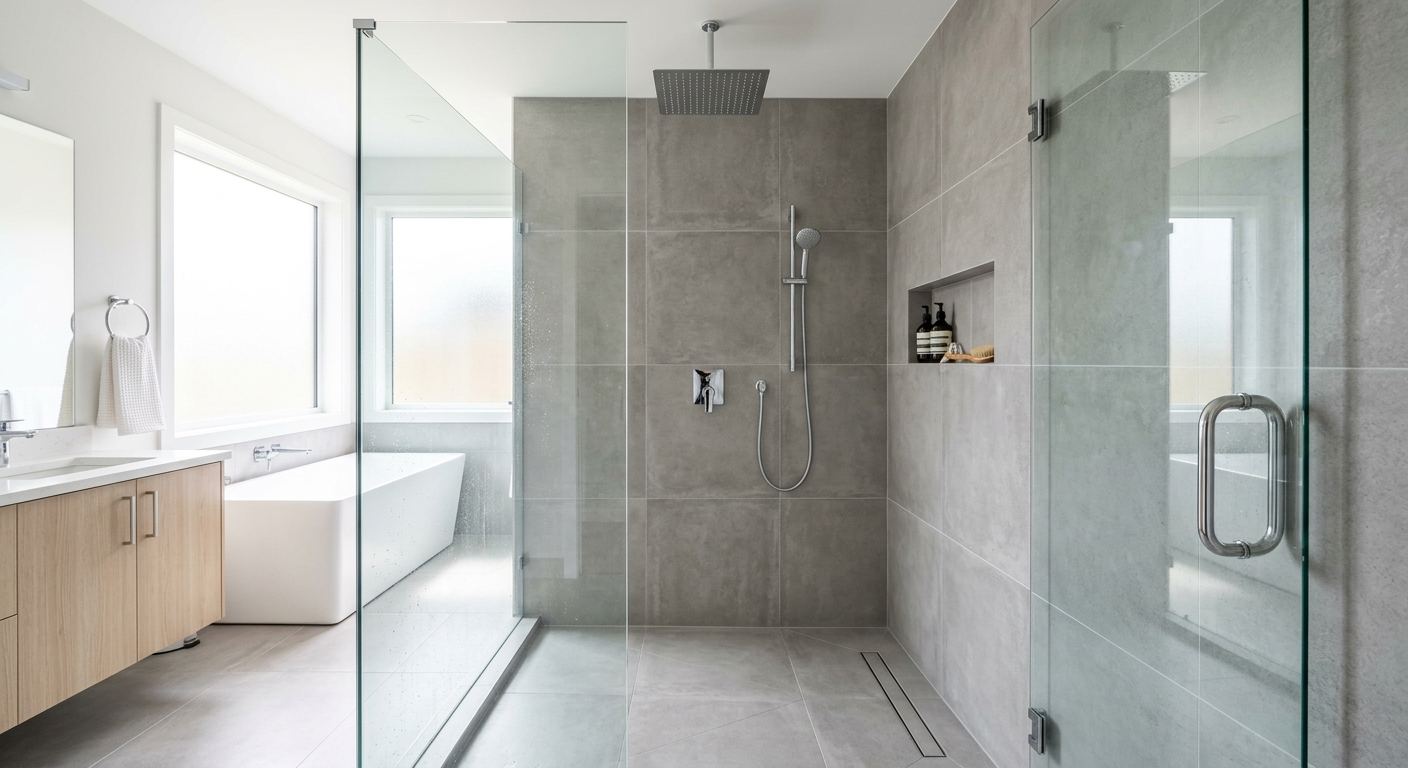
Bathroom renovation options and costs in Oxford Heights
In Oxford Heights, bathroom renovation costs are driven less by “weather” and more by trade availability, labour pricing, and what you find once walls and floors are opened. With Oxford Heights’ population at 6,156 (Statistics Canada, 2021 Census), you still tend to shop through the broader Lower Mainland–Southwest contractor pool, where skilled plumbers, tilers and electricians are in high demand. Just as importantly, many homes here are mid-century and earlier, so dated plumbing layouts and old drain materials (often cast-iron or galvanized components) can surface behind the finish. In pre-1980 builds, renovators also commonly encounter asbestos-containing materials in older flooring or drywall compound, which can add time and remediation scope before tile ever goes back up.
Metro Vancouver and nearby cities such as Surrey and Burnaby set the tone for the region: labour rates are typically higher than in other parts of British Columbia, so even modest changes can land in a wide range. Once a contractor opens a bathroom, budgets often expand from a “refresh” into plumbing and venting upgrades to meet current BC expectations. Add in practical realities like limited parking and complex access in older neighbourhoods, and you’ll see why the same bathroom can quote differently across the Lower Mainland–Southwest. If you’re weighing options, the comparison table below lines up common scopes with realistic durations and typical cost bands for Oxford Heights.
| Renovation Scope |
What's Included |
Typical Duration |
Price Range |
| Cosmetic refresh (paint, fixtures, accessories only) |
Paint, vanity or faucet swap (no plumbing relocations), toilet replacement (existing rough-in), mirrors, accessories, caulking/trim touch-ups; existing tub/shower retained |
3–7 days |
$2,500 – $7,500 |
| Mid-range full renovation (new tile, vanity, tub/shower, electrical) |
Remove finishes; install vanity and toilet; re-tile floor and shower surround; replace tub/shower components; exhaust fan upgrade; GFCI where required; basic plumbing refresh if accessible |
2–3 weeks |
$18,000 – $32,000 |
| High-end full renovation (custom tile, steam shower, heated floors) |
Custom waterproofing and premium tile (large-format and/or feature niches), heated floor circuit, frameless or premium enclosure, upgraded fixtures, steam-ready or steam shower components, higher-end electrical plan, more extensive framing/ducting where needed |
3–5 weeks |
$35,000 – $45,000 |
| Shower-only installation (convert tub to walk-in shower) |
Tub removal and walk-in shower build; new pan/waterproofing; tile floor and walls; new curb/linear options (based on spec); exhaust and GFCI updates if needed |
1.5–3 weeks |
$12,000 – $25,000 |
| Bathtub replacement or tub-liner install |
Demo to existing condition as required; replace with new tub and surround; liner install where layout is compatible; new caulking/finishes; plumbing reconnect; basic waterproofing at seams |
5–10 days |
$1,500 – $6,000 |
| Tile-only installation (floor + surround, existing layout kept) |
Demo and re-tile floor and shower surround; waterproofing tied to existing surfaces; re-install fixtures if not relocated; grout sealing as specified |
1–2 weeks |
$6,000 – $18,000 |
Prices are estimates only and vary by project scope, site access and material selection.
What affects the price of bathroom renovation in Oxford Heights
Even when homeowners describe the “same” bathroom renovation in Oxford Heights, quotes in the Lower Mainland–Southwest can swing by about 30–50% compared with other parts of British Columbia—and between contractors in the same region. In practice, this gap is mostly from regional labour rates and the age of the housing stock, not from outdoor temperature. The Lower Mainland–Southwest market also has tighter scheduling for plumbers, tilers and electricians, and that labour premium shows up quickly in per-day and per-trade rates.
Where older homes matter is what gets discovered after demo. In many pre-1980 houses across the region, you may find aging cast-iron or galvanized drain stacks, outdated copper supply lines, and ventilation that doesn’t move enough air. When contractors uncover these, the scope expands into drain/vent improvements and sometimes re-plumbing to align with current expectations. Asbestos findings can further change the budget: if asbestos-containing materials are suspected in vinyl floor tile or drywall compound (pre-1985 homes are a common timeframe), abatement protocols add both cost and scheduling. Affected remediation can add roughly $1,500–$5,000+ to the overall job, depending on what’s disturbed and how much is removed.
Two concrete Oxford Heights examples we see often: first, swapping from a standard showerhead to a new handheld setup may be priced like “a refresh,” but if the supply lines are corroded and the shower valve needs replacement, the job stops being cosmetic. Second, choosing porcelain tile can be labour-efficient in the long run because larger-format panels reduce grout lines, but only if the subfloor is flat; if self-levelling is needed, tile cost and labour rise together. These are why a full renovation often lands in the $18,000 – $45,000 bands, while a shower-only project tends to sit in the $8,000 – $25,000 range.
| Price Factor |
Why It Matters |
Cost Impact |
| Layout change — moving drain or supply lines requires rough-in work |
New routing can mean cutting floors/walls, replacing sections of pipe, and reworking waterproofing around new penetrations |
Often adds major labour/materials; commonly +$5,000–$12,000 depending on access |
| Tile selection — large-format porcelain vs. mosaic vs. ceramic |
Format affects cutting, setting time, flatness requirements, and how much labour is spent on details |
Can move the budget by several thousand dollars even with the same square footage |
| Fixture tier — builder-grade vs. mid-range vs. designer brands |
Higher-tier valves, drains, and faucets often have more complex install requirements and stricter alignment |
Typically shifts costs by a few thousand dollars across the full bathroom scope |
| Subfloor condition — rot or unlevel concrete adds scope |
Unlevel surfaces require prep/levelling; damaged framing may need rebuild before tile and waterproofing |
Can add $1,500–$6,000+ depending on extent and repair method |
| Electrical — adding GFCI outlets, exhaust fan, heated floor circuit |
Bathrooms typically require upgraded safety provisions and reliable ventilation; heated floors add wiring and control |
Often adds $800–$4,000+ based on fan type and heated-floor spec |
| Waterproofing method — membrane type and extent |
Good waterproofing systems require correct thickness, overlap, and correct transitions at walls, corners, and drains |
More comprehensive systems may add $1,000–$3,000, but reduce future leak risk |
| Older-home surprises — asbestos tile, cast-iron drains, galvanized pipes |
Discovery triggers remediation and trade coordination; drainage and supply repairs can expand quickly |
Commonly adds $1,500–$10,000+ depending on findings |
| Bathroom size — sq ft drives tile and labour time directly |
More surface area means more materials, more waterproofing, and more hours for demo and install |
Small bathrooms can still run high; larger rooms push higher-end full reno budgets |
Permits & regulations in British Columbia
In British Columbia, cosmetic updates in an Oxford Heights bathroom—like swapping a vanity, replacing fixtures without moving plumbing, repainting, or re-tiling over an unchanged layout—often do not require a permit because they don’t change plumbing routing or the building’s structural/electrical systems. However, permits typically come into play when you relocate plumbing (for example, moving a drain or supply line to change shower placement), add or change exhaust ventilation with new ducting, or make structural wall changes (like moving framing to create a niche or opening). Electrical work must meet BC code and be performed by a licensed electrician or signed off by one.
Plumbing rough-in changes usually require permits and inspection—think new shower valves, modified drain assemblies, or reworked venting. Also, if you add a heated floor system, that is electrical scope and generally needs permit processes through the electrical channel. As a homeowner, verify the contractor’s BC trade licence (for the relevant trades) and confirm liability coverage before they begin.
Step-by-step verification for Oxford Heights homeowners: (1) Ask for the contractor’s trade licence details and check the licence status on the provincial registry where applicable; (2) Request a current certificate of insurance—confirm liability coverage is active for the project duration; (3) For workers, ask about clearance/coverage documentation used in the province (commonly provided as proof of coverage/clearance letters for WCB/WCB-equivalent arrangements); (4) Get the permit responsibility clearly stated in your written contract (who pulls permits, who schedules inspections, and who pays fees). If a contractor can’t provide documentation promptly, treat that as a red flag.
Choosing tile, waterproofing and fixtures for your Oxford Heights bathroom
In Oxford Heights, your three biggest material decisions are tile choice, waterproofing system, and fixture tier—and each one directly affects how many labour hours it takes to install and how confidently the bathroom can handle British Columbia’s wet-season humidity. For tile, ceramic is usually your entry point: it’s cost-effective but tends to be more forgiving if your substrate isn’t perfectly flat. Porcelain is mid-range and popular here because it’s denser and can hold up better to moisture and daily cleaning, but it demands proper substrate flatness to avoid lippage. Natural stone (marble, travertine, slate) looks premium, yet it often needs more careful installation and sealing routines.
Waterproofing is where British Columbia bathrooms succeed or fail long-term. A paint-on membrane can work in some limited situations, but bathrooms typically do best with a bonded membrane or a system built around a proper drain connection and sealed seams. In practice, we see fewer recurring issues when the waterproofing is installed to a recognized detail set and carried through corners and transitions, especially around shower niches and linear drain penetrations. For fixtures, builder-grade saves upfront, while mid-range and designer brands can pay off in smoother valves, better pressure balancing, and more reliable parts—supporting resale appeal in the Lower Mainland–Southwest.
A simple example: replacing a $400–$800 valve and rough-in components with a higher-end unit might add a couple thousand dollars overall, but it’s justified when you’re already doing electrical, tile and waterproofing (so labour to access the valve after completion isn’t cheap). If you’re only doing a cosmetic refresh, upgrading fixtures alone may make sense; for a full reno in the $18,000 – $45,000 range, waterproofing and tile system choices are where homeowners should focus.
| Material / Option |
Pros |
Cons |
Price Range |
| Ceramic tile (floor + walls) |
Good entry-level cost, broad style selection, generally more forgiving on minor substrate inconsistencies |
Can be less durable than porcelain in high-splash zones; selection may vary in water resistance by product |
$2,000 – $4,500 |
| Porcelain tile (floor + walls) |
Dense and moisture-friendly, strong for shower surrounds, often available in larger formats that look modern |
Requires solid flatness for large-format pieces; higher material cost |
$3,500 – $8,000 |
| Natural stone (marble, travertine, slate) |
Luxury look, unique veining and texture, standout premium aesthetic |
Needs sealing/maintenance; can be costlier to install due to trimming and layout |
$6,000 – $14,000 |
| Frameless glass shower enclosure |
Modern “open” look, easy to clean, visually expands the space |
Costs more; requires precise framing/anchors and proper waterproofing at edges |
$2,000 – $6,000 |
| Prefab tub surround (acrylic) |
Faster install, consistent finish, fewer tile cuts and grout areas in wet zones |
Limited customization compared to tile; may not match premium tile design goals |
$1,500 – $4,000 |
| Custom shower pan (tile or linear drain) |
High-end appearance, better water control with linear designs, integrates seamlessly with tile waterproofing |
More detailed build; depends heavily on waterproofing quality and drain alignment |
$4,000 – $10,000 |
How to choose a bathroom renovation contractor in Oxford Heights
Choosing the right contractor in Oxford Heights starts with verifying credentials and then insisting on clear documentation. For British Columbia, confirm each trade’s licensing and your contractor’s responsibility for permits. Ask for a current certificate of liability insurance (make sure the policy is active and covers the type of work being done) and request proof of workers’ coverage/clearance documentation used in the province. Then check the contractor’s trade licence status through the appropriate provincial online registry or by reviewing their licence numbers on the paperwork they provide. If you’re hiring a company that doesn’t readily share licence and insurance details, pause before signing.
Next, get 2–3 itemised written quotes that break down labour and materials. You want a scope you can compare: what’s included (demo, disposal, waterproofing, permit pulls), what’s excluded (subfloor repairs, asbestos handling, matching existing plumbing), and what allowances are used for tile, fixtures and drywall. Watch for “lump sum” quotes that don’t explain how a $10,000 tile allowance will be spent.
Warranty matters too: ask for the workmanship warranty length in writing, whether it applies to waterproofing and leak-related issues, and whether product warranties are honoured by the manufacturer. Clarify payment schedule—never pay more than 10–15% upfront, and use a holdback until key milestones are complete (rough-in, waterproofing inspection, and final finish). Finally, get a start date and completion estimate in writing so your project timeline is enforceable.
- Confirm BC trade licensing numbers for each applicable trade (plumbing/electrical/tiling-related scope as applicable).
- Request a certificate of liability insurance and verify dates and coverage limits.
- Ask for proof of workers’ coverage/clearance documentation used in the province.
- Get 2–3 quotes with itemised labour + materials, not a single lump sum.
- Ensure the contract states who pulls permits and who pays permit fees.
- Confirm disposal and debris handling are included (dump fees, haul-away, and recycling).
- Review the waterproofing plan: membrane type, coverage area, and how corners/drains are detailed.
- Ask how unexpected subfloor damage is handled and priced (pre-agreed unit pricing helps).
- Check that electrical details include GFCI and an exhaust fan plan appropriate to the layout.
- Demand a clear warranty statement: length, what it covers, and how claims are made.
- Use milestone payments and holdback until waterproofing and final inspections/turnover.
- Get a written schedule with realistic curing times for membranes, thinset, and grout.
Common red flags in Oxford Heights include contractors who (1) won’t provide licence/insurance documentation on request, (2) omit waterproofing details while still quoting “full tile,” (3) handle permit responsibility vaguely (“we’ll deal with it”), (4) ask for large upfront deposits beyond 10–15%, and (5) give an unrealistically fast timeline that ignores membrane and cure times.
Frequently asked questions — bathroom renovation in Oxford Heights
Can I keep my existing plumbing layout to save money?
Yes—keeping the plumbing layout is often the most reliable way to control budget in Oxford Heights. When you don’t move drains or supply lines, you reduce rough-in labour, cutting into floors/walls, and the complexity of reconnecting and re-waterproofing around new penetrations. In the Lower Mainland–Southwest, that matters because skilled trades can be booked out and labour rates run higher than other BC regions. A layout-preserving reno is also easier to price accurately, which is why cosmetic refreshes and tile-forward approaches can stay closer to lower-end bands. As a reference, some shower-only conversions can land around the $8,000 – $25,000 range when major plumbing relocations are avoided.
How much does a walk-in shower cost in Oxford Heights?
A walk-in shower typically costs more than a simple refresh because it involves demo, a new pan and waterproofing, and tile work. In Oxford Heights and the broader Lower Mainland–Southwest, a shower-only installation (converting from a tub to a walk-in) commonly sits in the $12,000 – $25,000 band, assuming your layout stays similar and subfloor conditions are solid. If you choose premium tile, a linear drain, frameless glass, or heated components, the cost can climb toward the upper end. If older drains or venting issues are discovered during demo, scope expands—which is why it’s smart to include contingency in your plan.
What's the ROI on a bathroom renovation?
Bathroom renovations in British Columbia can improve comfort and resale appeal, but ROI depends heavily on scope and how much value your finish package adds relative to the rest of the home. In many Oxford Heights listings, buyers pay attention to updated waterproofing, modern fixtures, and reliable ventilation—especially in older mid-century homes where ventilation and drainage can be dated. If you upgrade a tired shower/tub to a properly waterproofed, well-tiled system and address exhaust fan performance, that’s where buyers tend to recognize value. For budget planning, a “mid-range full renovation” often targets the $18,000 – $32,000 zone, while higher-end upgrades can reach $35,000 – $45,000. The safest strategy for ROI is matching your finishes to your home’s overall condition rather than overspending on ultra-premium upgrades.
Do I need waterproofing behind the tile?
In essentially all shower and wet-zone applications, yes—waterproofing behind tile is the standard approach in British Columbia best practice. Tile is not waterproof on its own; the waterproofing system (membrane type, correct seams, and the drain connection detail) is what protects framing and subfloor from moisture. In Oxford Heights, the humidity and wet-season conditions make this even more critical, because slow-drying surfaces and poor ventilation can worsen grout and caulking failures over time. A proper system can be a bonded membrane or a detail-driven method that integrates transitions at corners, niches and penetrations. Skipping waterproofing is a common shortcut that leads to leaks and expensive repairs later—especially once tile is already set.
How do I compare bathroom renovation quotes?
Compare quotes like-for-like by reading the scope line by line. Ask each contractor to confirm what’s included for demo, disposal, waterproofing (method and coverage), electrical and exhaust ventilation, and whether permits are included or added separately. In the Lower Mainland–Southwest, quote differences often come from labour planning and how much investigation is done before pricing—especially in older homes where cast-iron drains, galvanized supply lines, or even asbestos-containing materials might be encountered in floor tile or drywall compound. Also check exclusions: subfloor repairs, matching existing joists, tile allowance amounts, and what happens if the contractor finds rotten framing. A quote that includes waterproofing and ventilation detail is usually more comparable than one that simply lists “tile and fixtures.”
Can I live at home during a bathroom renovation in Oxford Heights?
Often, yes, but it depends on whether you’re renovating a master bathroom, the work duration, and how much demo is required. In Oxford Heights, a cosmetic refresh or tile-only job can be less disruptive, sometimes allowing you to continue using another bathroom at home. For a full renovation or shower conversion, there will be periods where the shower or tub can’t be used due to waterproofing and cure times. Many homeowners plan to live around a temporary wash setup (like a kitchen sink or a temporary shower arrangement) while the wet zone is open and protected. If your project includes plumbing rough-in changes, electricians, or permit inspections, you should expect a longer phase where full bathroom functionality is limited. Your contractor should provide a written schedule so you can plan meals, bathing and access.